







Smalls Timepiece
These smalls timepiece selections bring together compact clocks and watches from the eighteenth to the twentieth century, offering portable horology for desk and mantel display.
Smalls Timepiece
When searching for a smalls timepiece, buyers encounter compact horological objects designed for portability or intimate domestic spaces. These pieces span centuries of domestic timekeeping from the Georgian era through to Art Deco production.
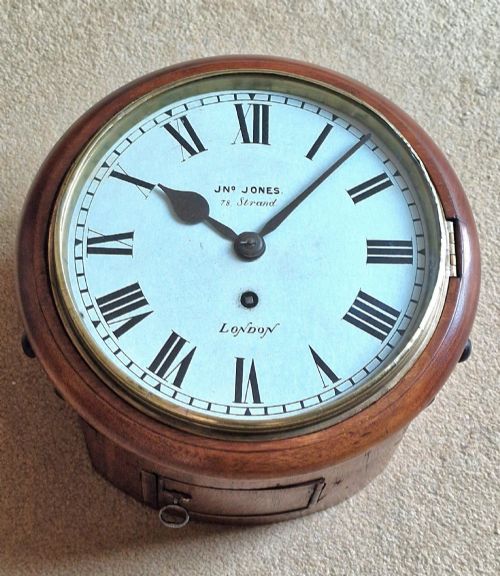
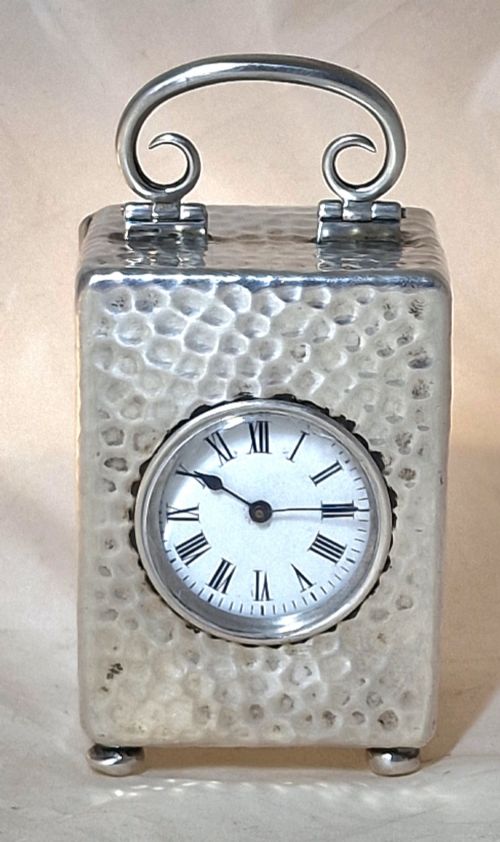
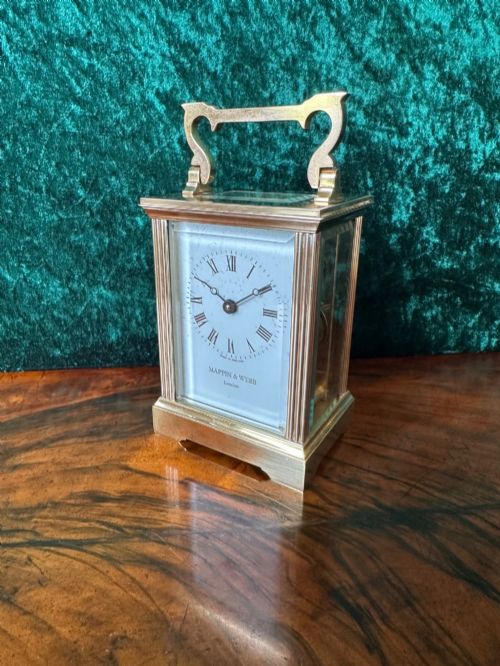
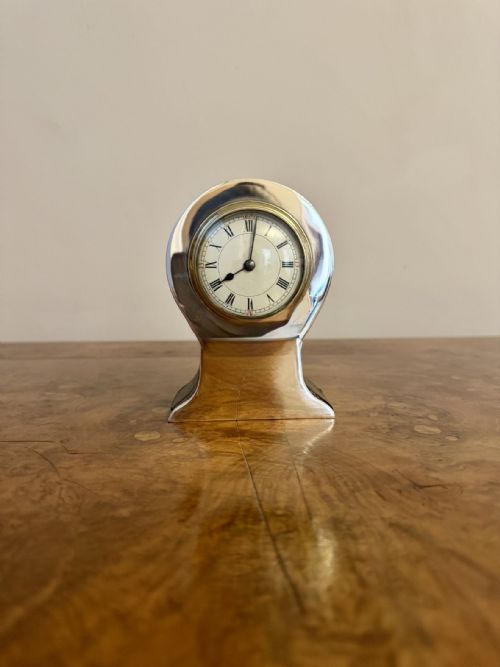
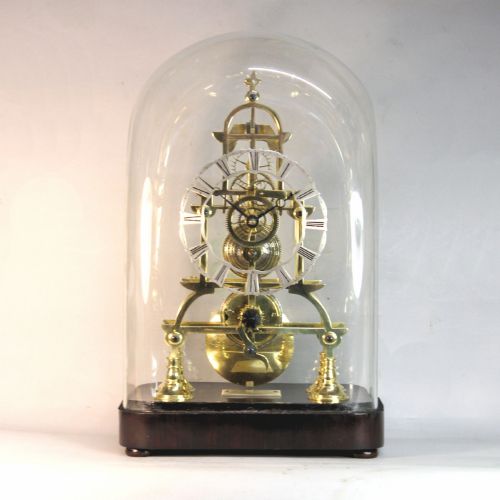
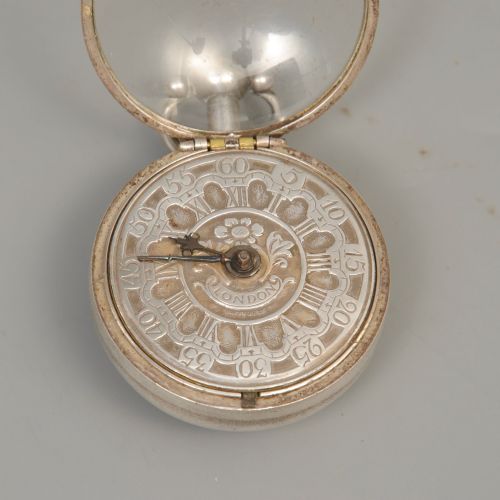
Carriage clocks and miniature mantel clocks dominate the selection, alongside wall clocks and pocket watches. French and English workshops feature prominently, offering everything from brass travel pieces to carved wooden desk models.
The domestic scale of these items allows them to sit comfortably upon desks, boudoir tables, and smaller mantelpieces. Their varied forms reflect changing interior fashions across the Victorian, Edwardian, and later periods.
How They Were Made
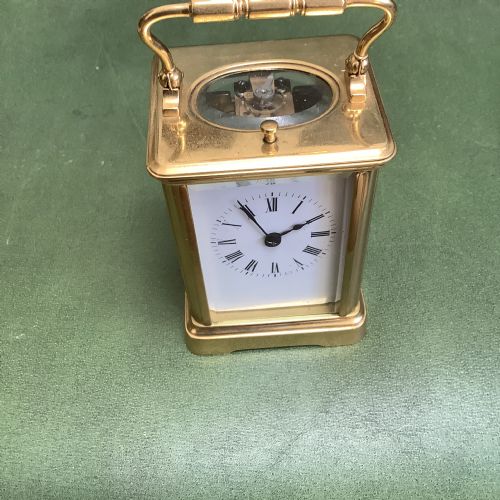
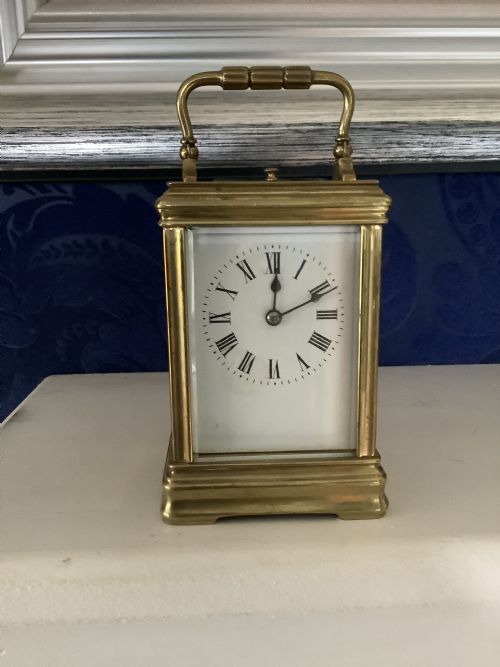
Construction relies upon traditional metalworking and cabinetmaking techniques applied to housing miniature mechanical movements. Brass, gilt brass, and ormolu form the cases of many carriage models, often combined with bevelled glass panels to display the inner workings.
Cabinet makers utilised mahogany, oak, rosewood, walnut, and marble for wood-cased wall and mantel clocks, housing fusee or eight-day movements. Dials frequently incorporate hand-painted details, enamel, or engraved brass chapter rings.
Smalls Timepiece Retail Price Guide 2026
Typical asking prices for smalls timepiece among the pieces listed under this phrase on Sellingantiques today, from the lower quarter to the upper quarter. They describe what is for sale here now, not the wider market.
Period representation includes eighteenth-century examples, nineteenth-century Victorian pieces, Edwardian items, and 1930s Art Deco designs.
What Varies in Quality
The refinement of the movement and the crispness of case decoration distinguish examples across the range. Finely engraved gilt brass, intricate floral enamelling, and signed maker plates separate standard production from superior workshop output.
Case materials and proportions dictate visual weight, with heavy bronze, solid silver, and figured hardwoods showing greater material investment than plated alternatives. Original travelling cases and fully engraved components add further distinction to individual pieces.
Mappin and Web·Richard Winter of Chieveley·William Comyns·Tiffany·J Batson & Son·Richard Co·Drocourt·J C Vickery·McCabe London·Smiths·A L Davenport
The Smalls Timepiece Glossary
- Timepiece
- A clock that indicates the time without striking hours or quarters. These movements focus purely on running duration.
- Carriage clock
- A small, portable spring-driven clock designed for travel, typically fitted with a carrying handle and glass panels. Originating in France, they often feature a platform escapement.
- Fusee
- A conical pulley used in older clocks to maintain equal force on the gear train as the mainspring unwinds. This mechanism improves timekeeping accuracy.
- Platform escapement
- A self-contained escapement unit fitted to portable clocks like carriage models. It replaces the traditional pendulum to allow operation in any position.
Smalls Timepiece: Frequently Asked Questions
What is a smalls timepiece?
A smalls timepiece is a compact clock or watch designed for domestic interiors or travel use. These objects include miniature carriage clocks, desk pieces, and pocket watches.
They offer functional timekeeping combined with decorative metalwork, glass, and wood cabinetry from past centuries.
Where were carriage clocks used?
Carriage clocks were originally built for travellers to carry in horse-drawn carriages or trains during the nineteenth century. Their sturdy brass frames and protective leather cases suited transit.
Over time, they transitioned into stationary domestic objects displayed on desks, mantels, and bedside tables.
How do I date a carriage clock?
Dating relies upon stylistic changes in the brass case, the shape of the handle, and the engraving technique on the dial mask. Victorian and Edwardian examples often feature distinct architectural case designs.
Signatures or retailer marks stamped on the movement backplate or dial provide further clues to the period of manufacture.
How do I wind a small timepiece?
Most antique timepieces use a dedicated winding key inserted into the dial or backplate to tension the mainspring. Care must be taken not to overwind the mechanism.
Consulting the specific movement type helps determine whether the clock runs for thirty hours or an eight-day duration between windings.