


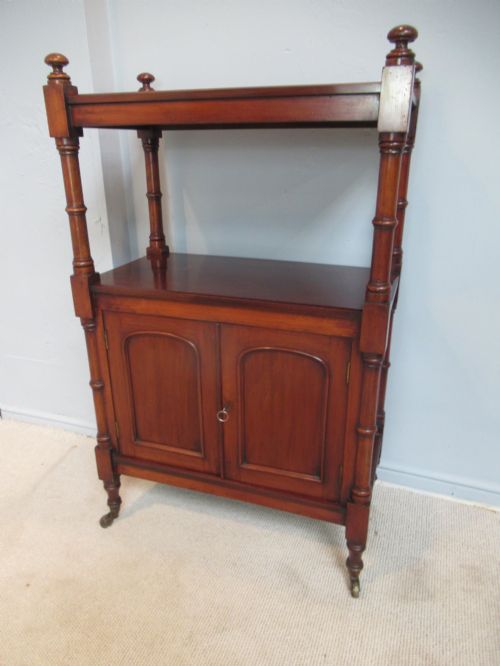
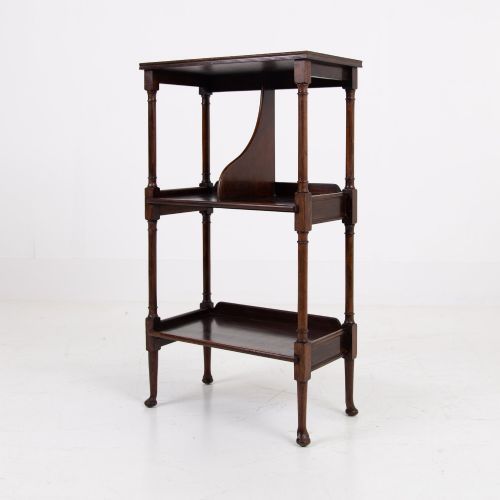


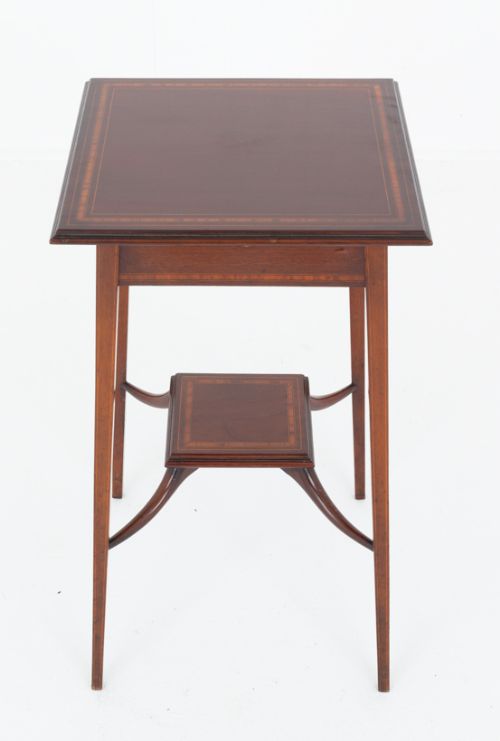
Small Wooden Tables with Shelf
Small wooden tables with shelf offer a practical tier for books or lamps while bringing varied Victorian, Edwardian and Arts and Crafts character to a room.
Small Wooden Tables with Shelf
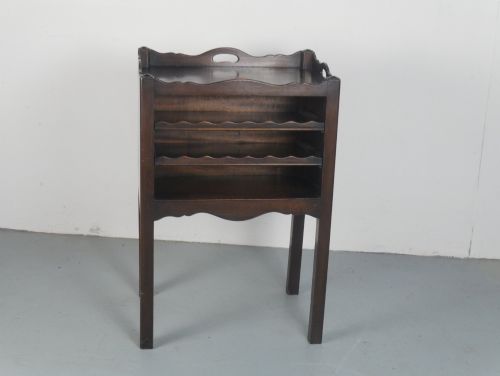
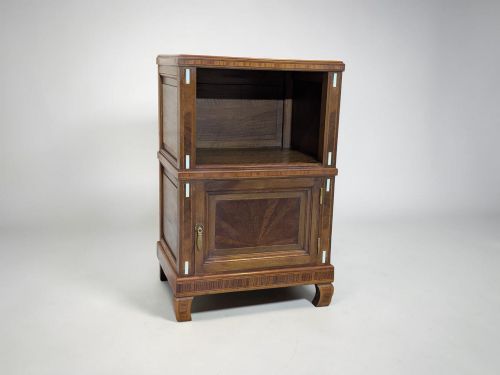
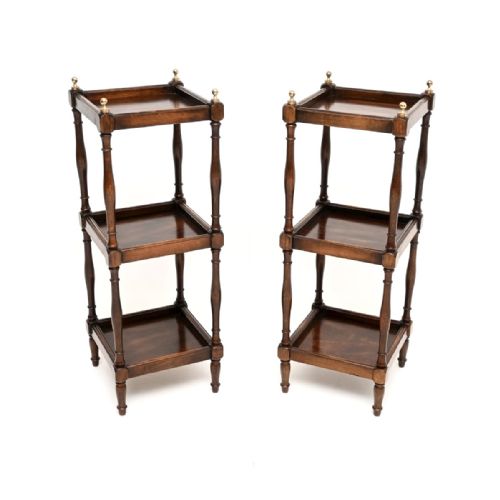
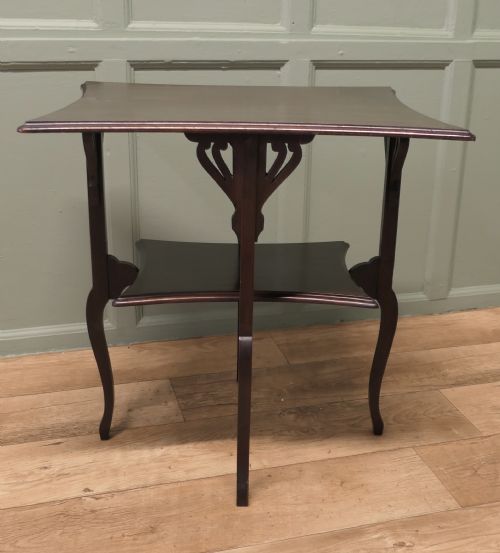
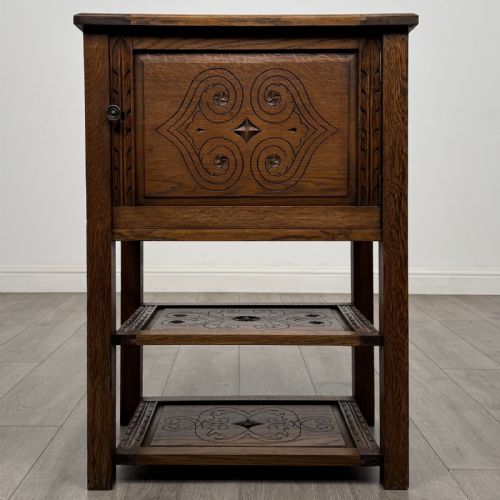
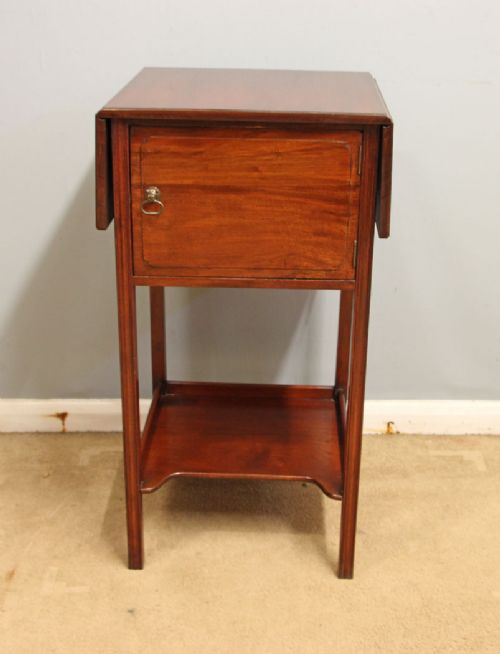
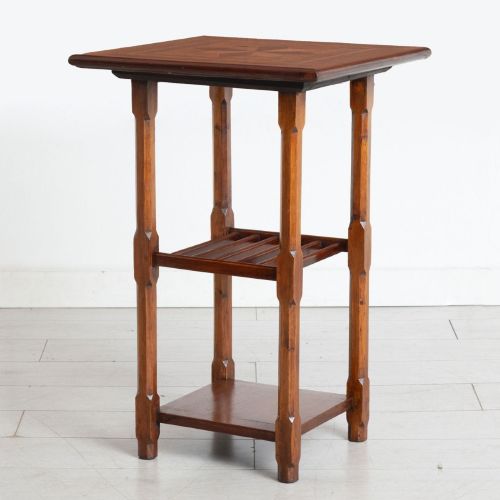
Small wooden tables with shelf appear in forms such as occasional tables, bedside cabinets, lamp tables and cricket tables. These pieces serve daily needs beside a chair or bed while providing a lower tier for storage.
The versions met on this page span Victorian, Edwardian, Arts and Crafts and 1920s periods. They range from rectangular and oval occasional pieces to six-sided oak designs and elm cricket tables.
Origins include mahogany, oak and elm construction, sometimes enhanced with satinwood inlay or brass details. Their varied proportions suit smaller spaces while maintaining distinct period styles.
How they were made
Makers utilised solid timbers like oak, elm and mahogany to build these small tables with shelves. Wood inlay, satinwood inlay and brass elements added decorative contrast to the primary wood structures.
Construction techniques included tapered legs, dropleaf mechanisms and cabinet enclosures with lower shelves. Selected pieces embraced regional English country traditions alongside formal revival styles.
Small Wooden Tables with Shelf Retail Price Guide 2026
Typical asking prices for small wooden tables with shelf among the pieces listed under this phrase on Sellingantiques today, from the lower quarter to the upper quarter. They describe what is for sale here now, not the wider market.
Elm cricket tables stand proudly on three legs, designed centuries ago to stay steady on lumpy tavern floors.
What varies in quality
The refinement of the timber and the precision of any inlay set pieces apart. Smoother grain selection and balanced proportions elevate certain tables above simpler utility items.
Execution of period details, such as tapered legs or structural lower shelves, determines the overall character of the piece. The harmony between the main surface and the lower tier reflects the maker's intent.
The Small Wooden Tables with Shelf Glossary
- Occasional table
- A movable small table designed for transient use in a sitting room or parlour. These versatile pieces often incorporate a lower shelf for books.
- Cricket table
- A small, sturdy round table traditionally featuring three splayed legs and a lower triangular shelf. Elm and oak were common timbers for this rural form.
- Inlay
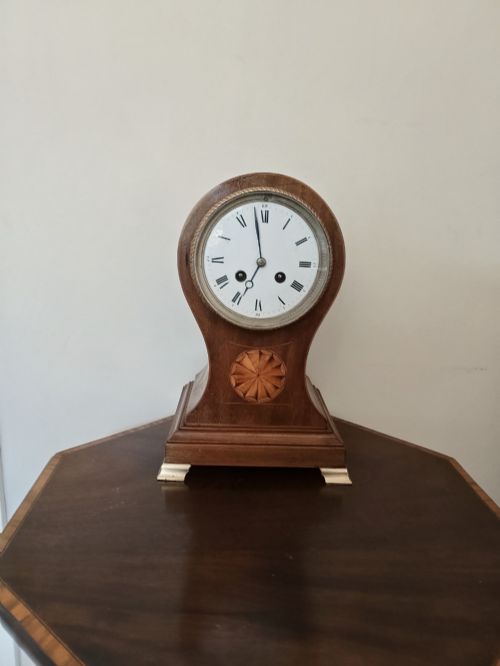
- A decorative technique where contrasting wood, such as satinwood, is set into the primary surface. This adds geometric or floral motifs to the piece.
- Dropleaf table
- A table with hinged flaps that fold down to reduce the footprint when not in use. This mechanism maximises floor space in compact rooms.
- Chiffonier
- A compact sideboard or low cabinet often featuring a surface for serving and a lower shelf or enclosed storage. Victorian examples display neat proportions.
Small Wooden Tables with Shelf: Frequently Asked Questions
What rooms suit small wooden tables with shelf?
These tables fit easily beside armchairs, sofas or beds where surface space is limited. The lower shelf offers a convenient place for books or small items.
Their compact proportions allow them to sit in hallways or corners without cluttering the floor area.
How do I identify an Edwardian table?
Edwardian pieces often feature lighter mahogany timbers, sometimes embellished with satinwood inlay. Tapered legs and delicate proportions are common markers of this era.
They tend to look less heavy than earlier Victorian counterparts while retaining solid wooden construction.
What is a cricket table used for?
Cricket tables originated as sturdy three-legged tables used in country houses and taverns. The three splayed legs provide stability on uneven flagstone floors.
The lower shelf holds everyday items while keeping the footprint small and manageable.
How should I care for a wood table?
Keep wooden surfaces away from direct heat sources and strong sunlight to prevent the timber from drying out. Regular dusting with a soft cloth maintains the finish.
Avoid using harsh chemical polishes that can damage antique wood and inlay work over time.