
Small Wooden Stand
A small wooden stand serves as a versatile anchor for a room, holding lamps, books, or plants with quiet utility.
Small Wooden Stand
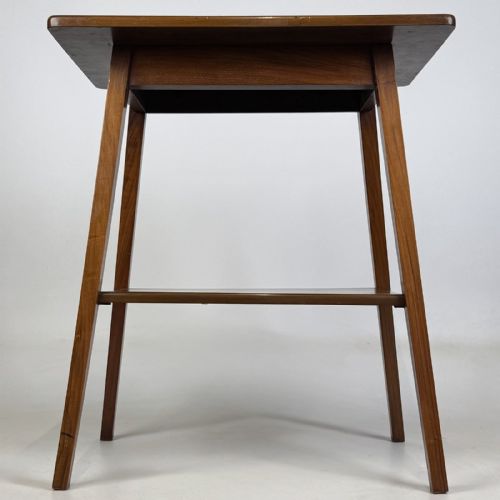
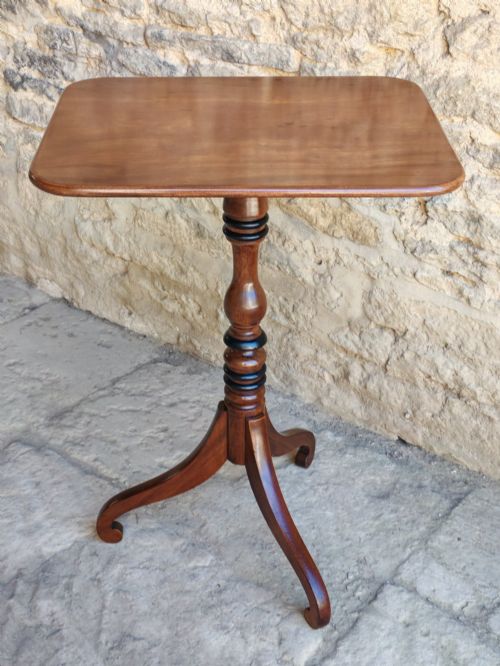
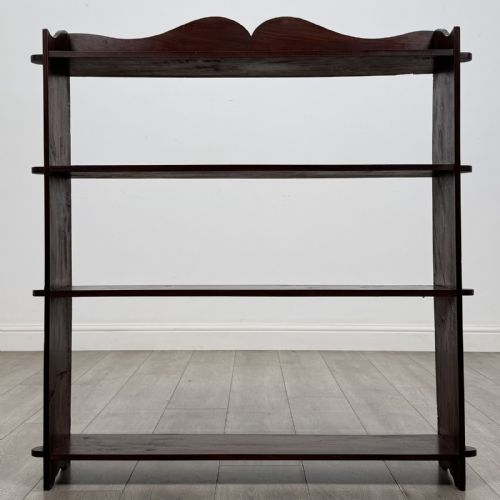
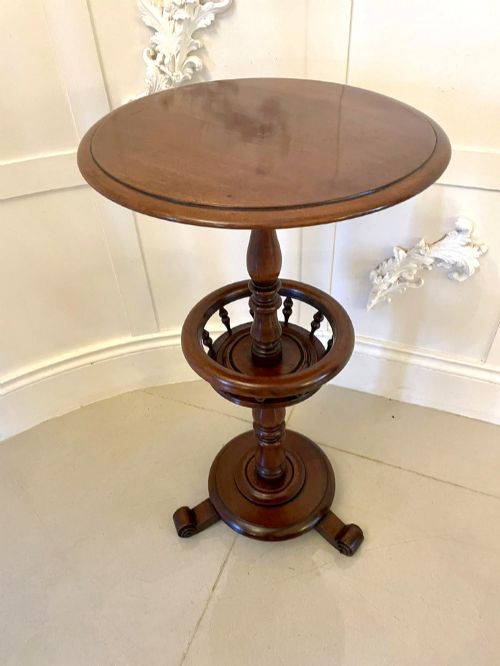
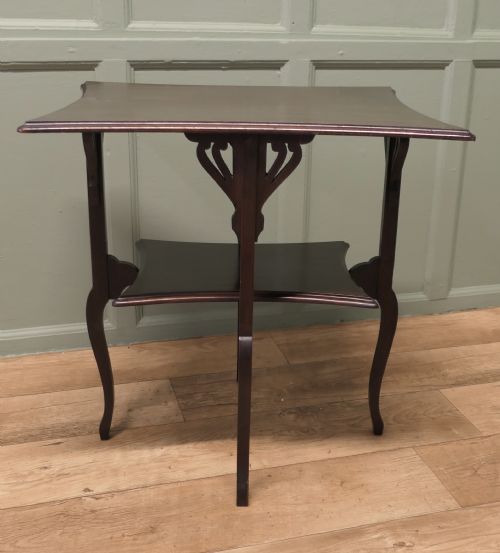
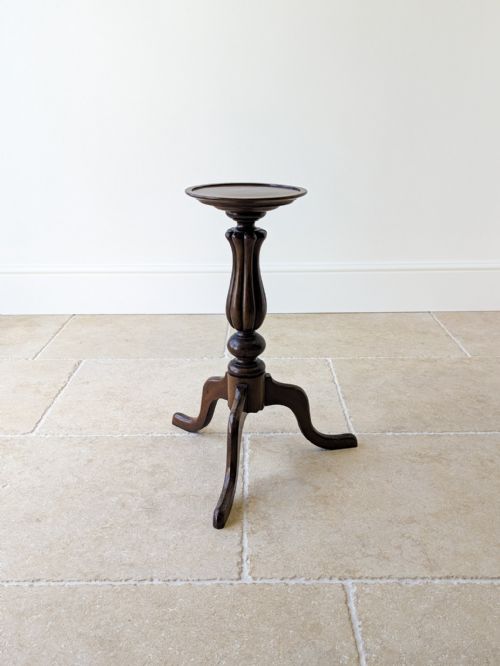
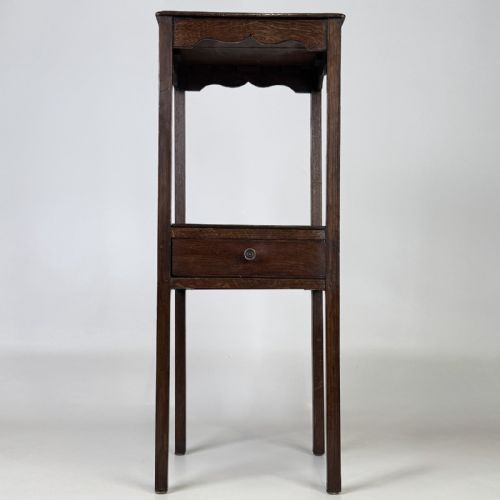
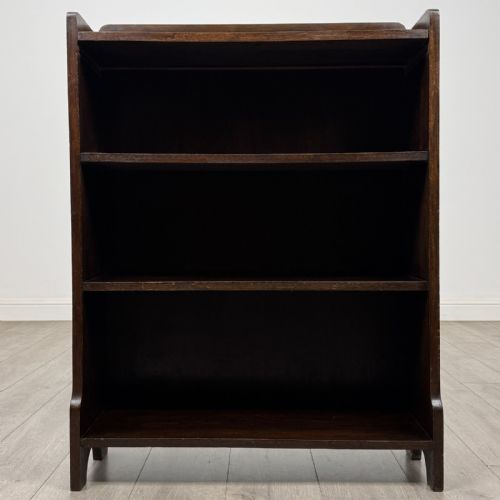
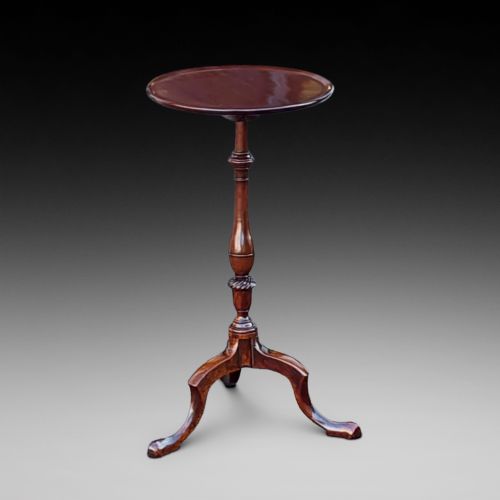
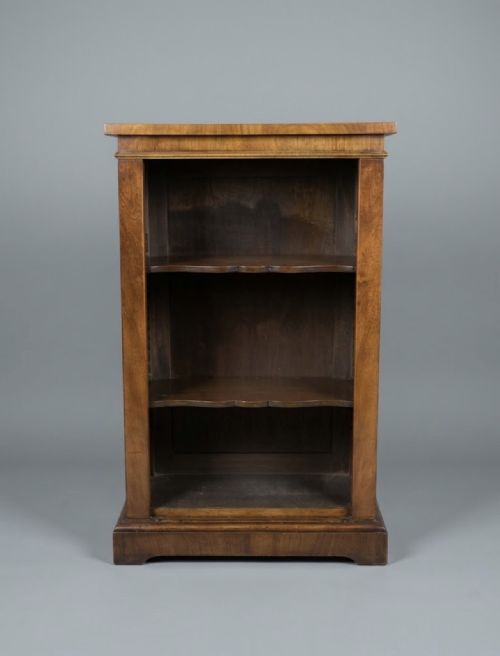
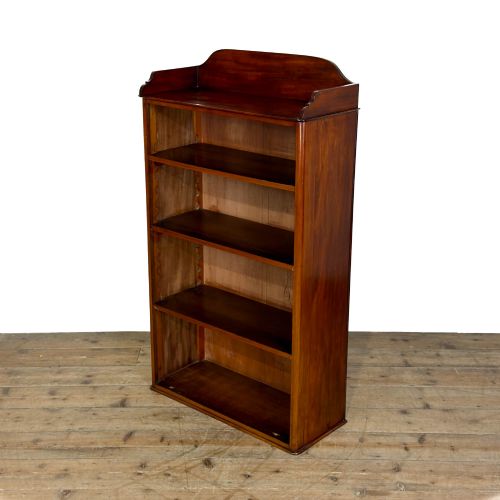
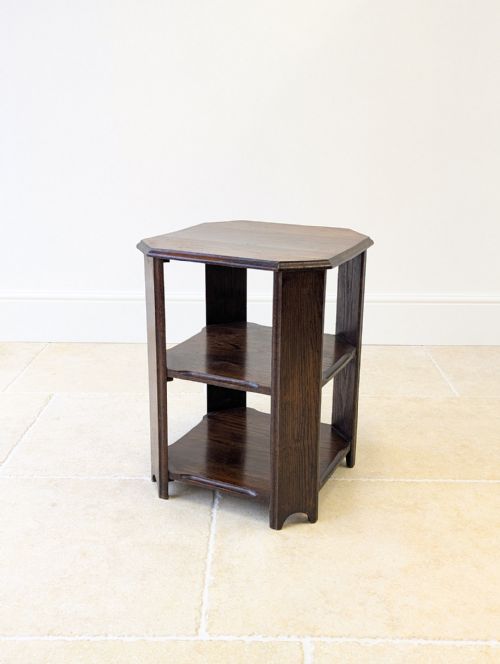
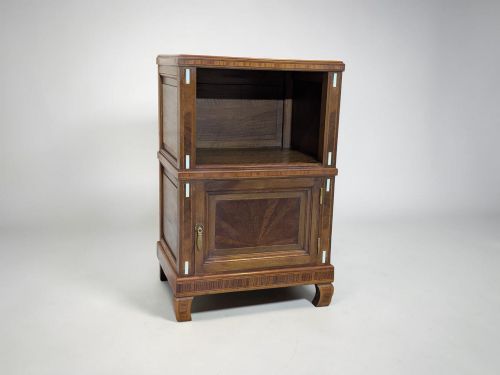
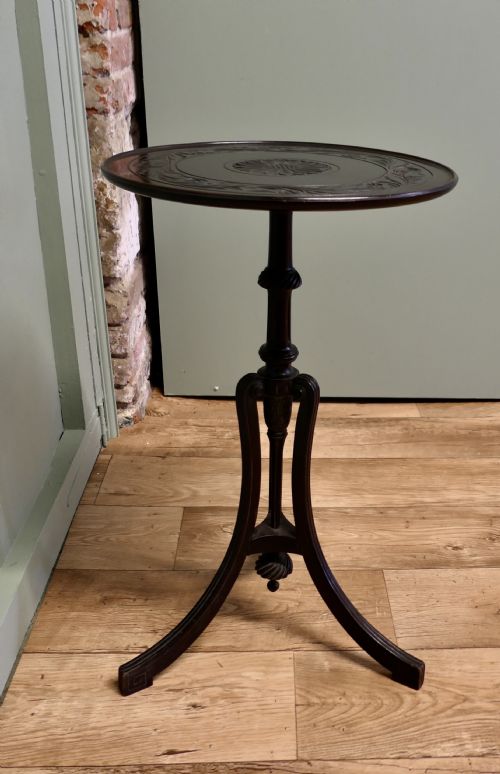
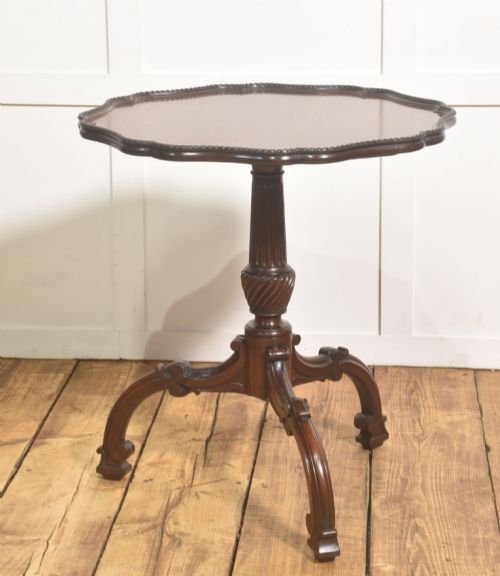
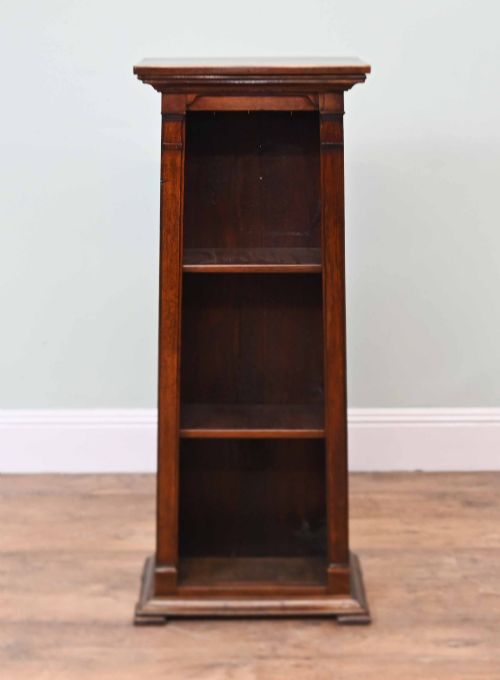
A small wooden stand encompasses a broad variety of compact domestic furniture, including side tables, occasional tables, wine tables, small bookcases, plant stands, and stools. These pieces emerge from multiple eras, spanning the Regency period, the Victorian and Edwardian epochs, and early twentieth-century decades up to nineteen thirty.
The version a buyer most frequently encounters on this page is the Edwardian or Victorian occasional or side table, often constructed in mahogany or oak. Such pieces function readily beside seating or serve as lamp tables in narrow spaces, reflecting the domestic requirements of their original periods.
Materials and Construction
Carpenters and cabinetmakers built these stands predominantly using hardwoods such as mahogany and oak, occasionally incorporating walnut, birch, or rosewood veneers. Secondary elements sometimes feature brass fittings, bone inlay, or glass components.
Joinery methods range from simple turned legs and tripod bases to more intricate barley twists, bobbin turning, and cabriole legs. Tilt-top mechanisms, single drawers, and tiered shelving demonstrate the practical mechanics employed by period makers.
Several stands double as magazine racks or night lockers, proving past generations were just as keen on bedside clutter as we are.
Distinctions in Quality
Quality in a small wooden stand rests upon the selection of timber, the crispness of any carved detailing, and the integrity of the underlying construction. Pieces featuring burr walnut veneers, detailed wood inlay, or solid brass castors represent a higher order of craftsmanship than plain utility items.
The balance and stability of tripod bases, the smooth action of drawers, and the preservation of original surfaces also divide standard production pieces from finer examples originating in workshops or factories.
Bulstrode Cambridge
The Small Wooden Stand Glossary
- Tripod base
- A support structure consisting of three legs radiating from a central column, commonly found on wine tables and candle stands. This design provides steady footing on uneven floors.
- Tilt-top
- A tabletop hinged to its base so it can be pivoted into a vertical position when not in use. This mechanism allowed tables to be stored flat against a wall.
- Barley twist
- A type of turning shaped like a spiral rope, frequently utilised on the legs or central columns of Victorian tables. It adds decorative depth through dynamic play of light and shadow.
- Cabriole leg
- A furniture leg that curves outward in a convex arc and tapers inward in a concave arc, ending in a pad or foot. The shape imitates the leaping motion of an animal.
- Occasional table
- A small, light table designed to be moved around a room as needed for specific tasks. These versatile pieces suit diverse domestic settings.
Small Wooden Stand: Frequently Asked Questions
What is a wine table used for?
A wine table provides a compact surface traditionally used for holding glasses and bottles during evening gatherings. Today, buyers utilise them as convenient spots for drinks, small lamps, or decorative objects.
Because of their modest footprint, these tables fit easily beside armchairs or in awkward corners where larger furniture cannot go.
How do I identify a Victorian stand?
Victorian stands typically display heavier timbers like mahogany or oak, often paired with robust turnings such as barley twist columns or tripod legs. Details like carved decoration and rich, dark patination are common hallmarks of the era.
Examining the construction methods underneath or inside drawers helps confirm the nineteenth-century origins of the piece.
Where should I place a plant stand?
A plant stand belongs in a spot with adequate light and enough clearance to showcase the greenery safely. Many people position them near windows or in empty hallway corners to add height and organic texture to a room.
Ensuring the surface has a water-resistant finish helps protect the historic wood from accidental spills.
What distinguishes an occasional table?
An occasional table stands out through its portability and smaller scale, designed to serve multiple functions around the house rather than a single fixed purpose. They appear as lamp tables, side tables, or general display surfaces.
Their lightweight construction allows them to be shifted effortlessly between rooms as daily needs change.