



Small Wooden Sofa
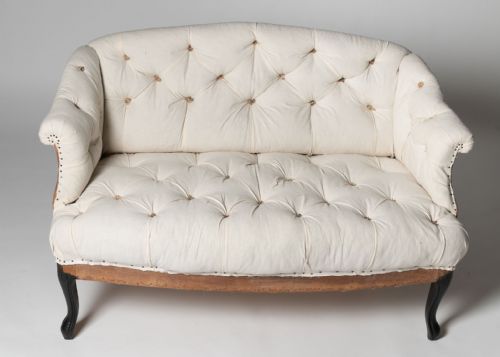
A small wooden sofa brings compact seating and distinct period charm into a room, offering a practical way to furnish smaller spaces.
Small Wooden Sofa
A small wooden sofa encompasses a variety of compact seating pieces, including settees, couches, and canapes, originating from periods such as the 19th Century, Edwardian, and Regency eras. Buyers searching for a small wooden sofa will encounter French painted designs, Louis XV revival pieces, and inlaid Edwardian frames.
The selections available range from gilded giltwood frames and fruitwood structures to painted canework couches and two-seat end of bed sofas. These pieces provide flexible seating options that reflect specific historical design movements without overwhelming a room.
How they were made
Makers utilised solid timbers and veneers, predominantly mahogany, walnut, rosewood, oak, fruitwood, and satinwood, often complemented by brass elements. Frames were constructed using traditional joinery techniques, supporting upholstered sections or canework seats.
Surface finishes include painted details, polished wood grains, and giltwood treatments. Individual pieces incorporate functional additions such as carved ornaments and inlaid motifs.
Small Wooden Sofa Retail Price Guide 2026
Typical asking prices for small wooden sofa among the pieces listed under this phrase on Sellingantiques today, from the lower quarter to the upper quarter. They describe what is for sale here now, not the wider market.
What varies in quality
The standard of a small wooden sofa depends on the precision of the woodwork and the integrity of the frame construction. Finer examples display refined carving, well-executed inlay work, and balanced proportions.
Material selection dictates much of the distinction, where dense hardwoods like mahogany and rosewood, or skillfully applied giltwood and paint finishes, separate standard utilitarian builds from more decorative pieces.
W. Turner Lord & Co·Gillow
The Small Wooden Sofa Glossary
- Settee
- A small upholstered bench with a back and arms, designed for two or more people. It functions as a compact alternative to a full-sized sofa.
- Giltwood
- Wood that has been coated with gold leaf or a gold-coloured metallic finish. This technique highlights carved details on period frames.
- Canework
- Woven rattan or cane material used for seat panels or backrests. It provides a lightweight, textured surface on seating furniture.
- Fruitwood
- Timber derived from fruit-bearing trees, such as pear or apple, utilised for cabinetmaking. It offers a distinctive grain and warm tone.
Small Wooden Sofa: Frequently Asked Questions
Where should I place a small wooden sofa?
A small wooden sofa fits well in bedrooms at the foot of a bed, in hallways, or as an accent seating option in compact living spaces.
Its modest proportions allow it to sit comfortably against walls or function as a secondary seating piece without crowding a room.
How do I identify a Regency period sofa?
Regency pieces often display classical influences, clean structural lines, and dark timbers such as mahogany.
Examining the turning, joinery, and specific decorative motifs helps distinguish pieces made during the Regency era from later Victorian revivals.
Are painted finishes original on these sofas?
Painted finishes on period pieces can be original or applied during later decorative revivals, depending on the specific style and construction.
Closer inspection of the paint layers and underlying wood helps determine the age and history of the surface treatment.
What is the difference between a sofa and a settee?
A settee generally refers to a light, upholstered seat with a back and arms designed for two people, often sharing characteristics with chairs.
Sofas typically provide larger upholstered seating capacity, though historical naming conventions for smaller antique seating frequently overlap.