

Small Wooden Shelf
A small wooden shelf offers practical display space in narrow hallways and compact rooms.
Small Wooden Shelf
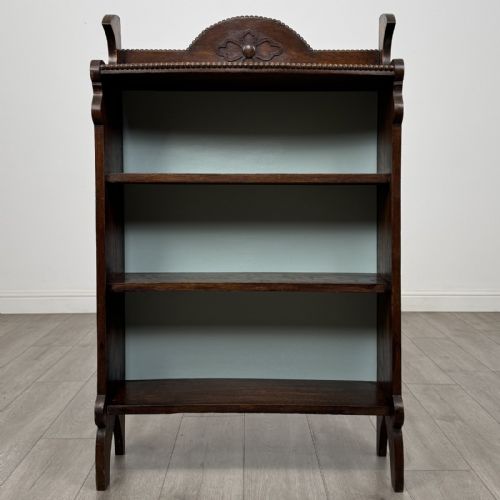
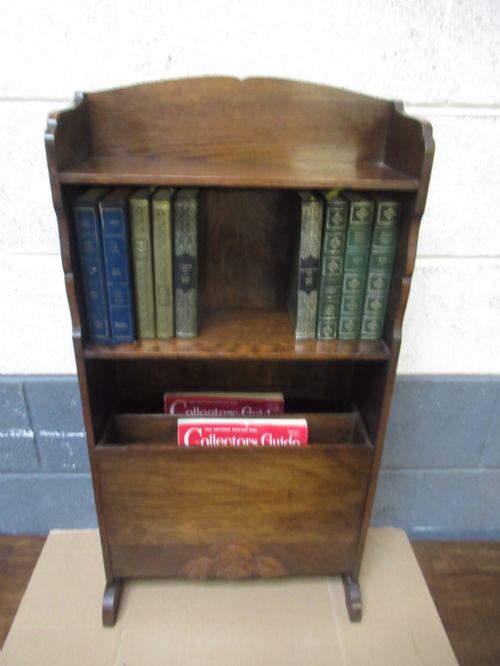
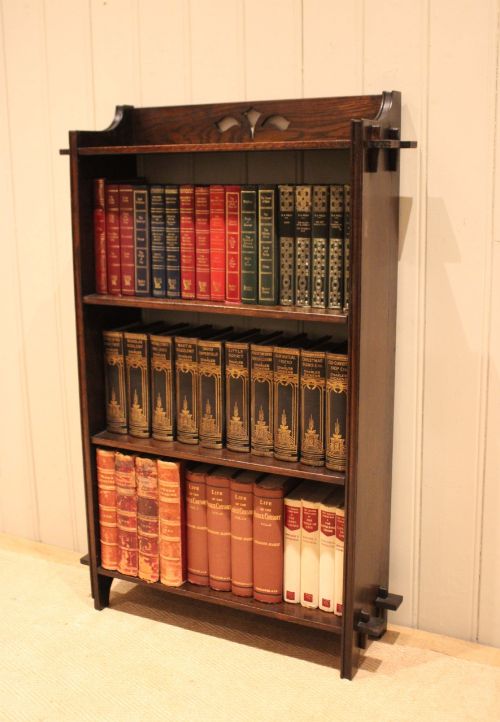
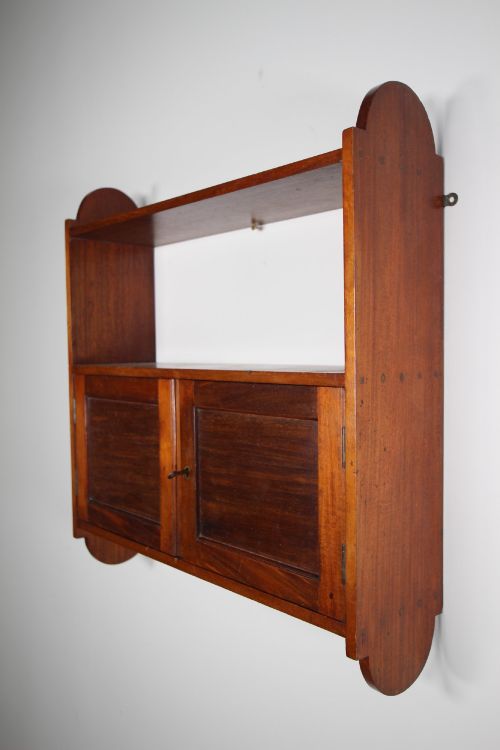
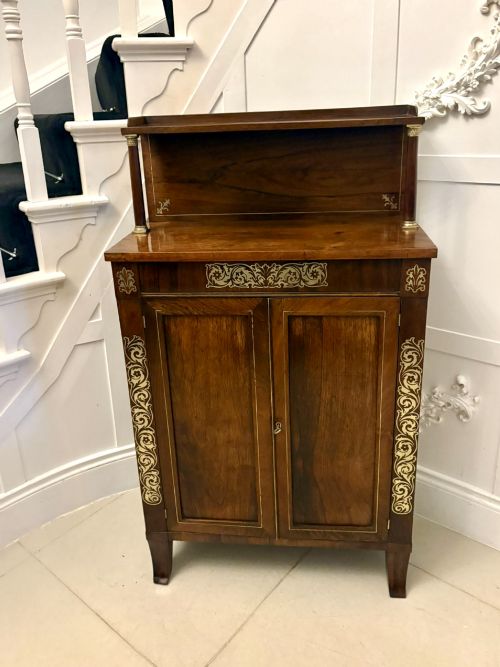
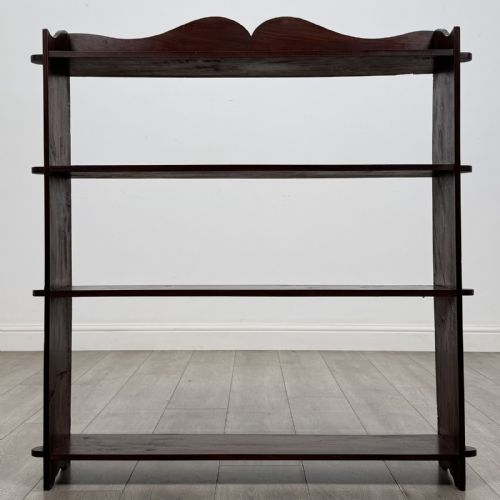
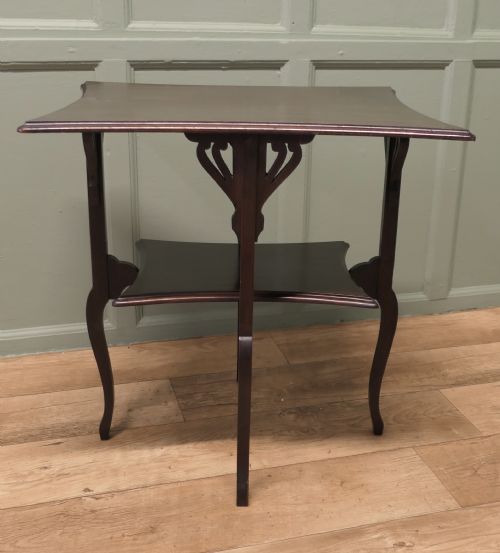
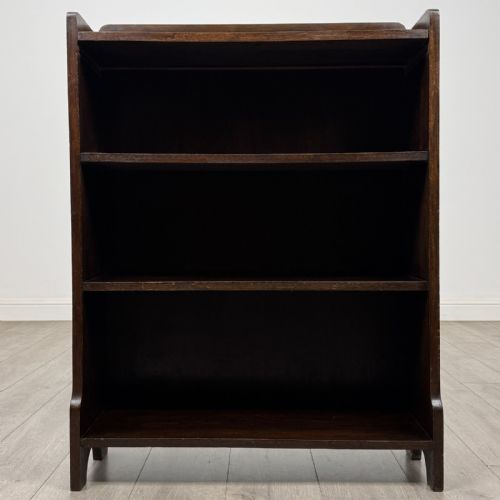
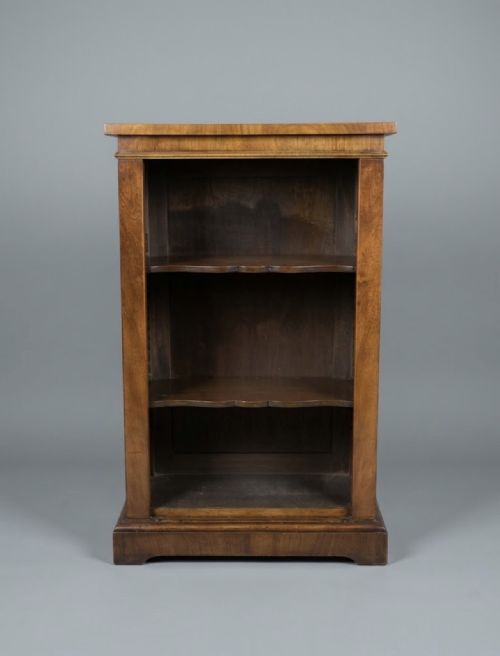
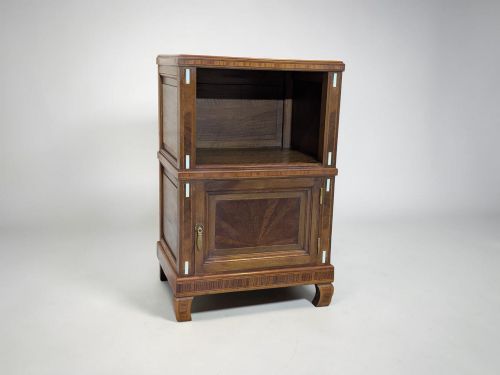
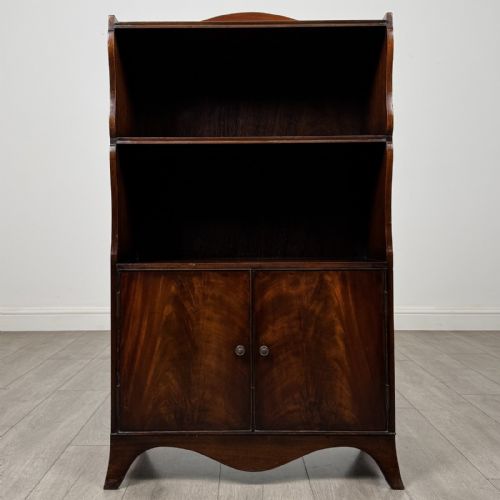
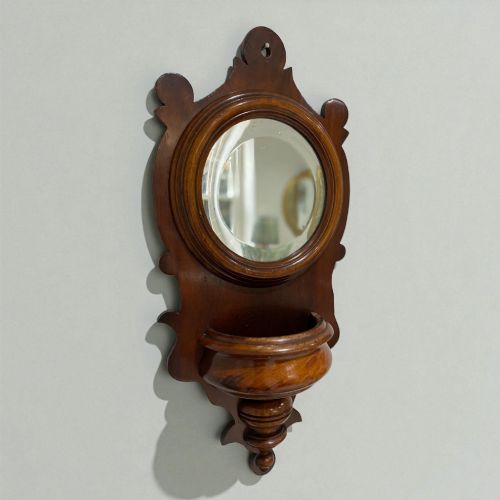
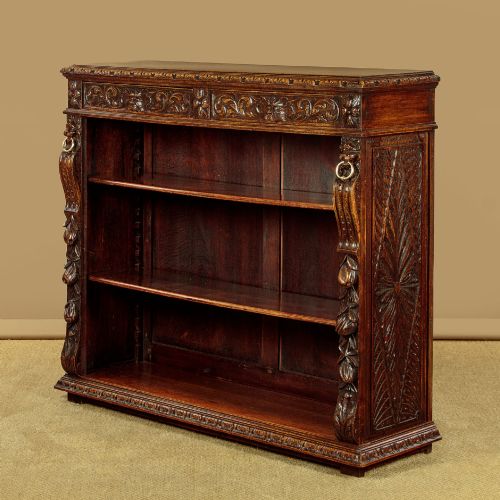
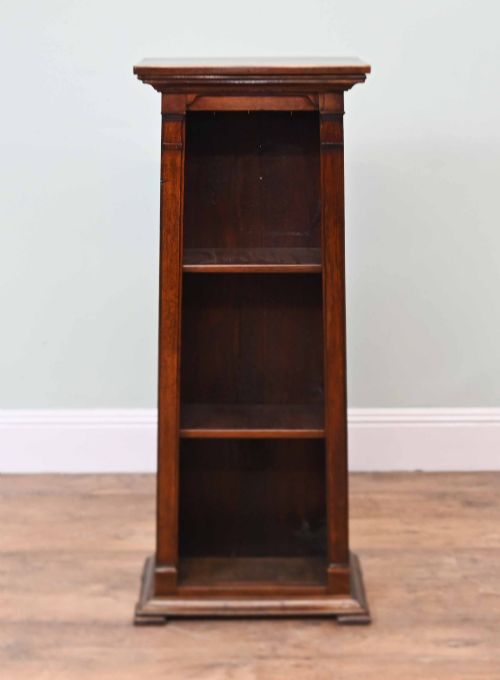
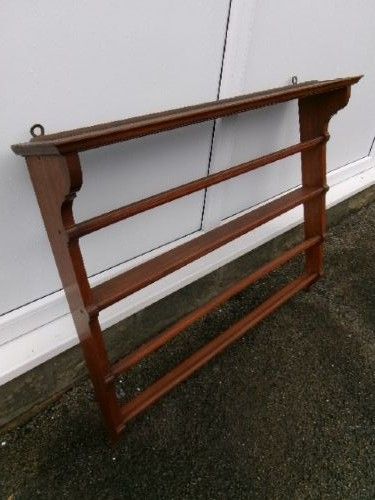
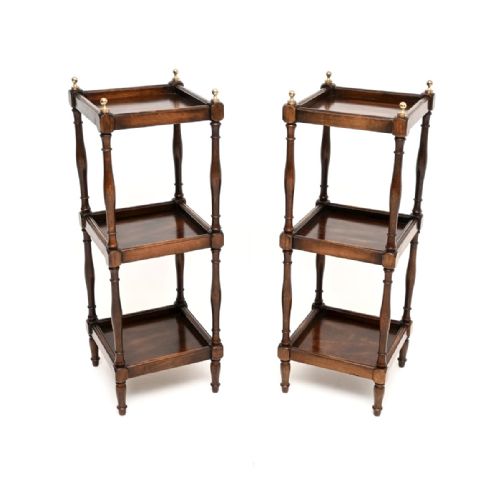
When you search for a small wooden shelf, you encounter compact furniture designed to hold books, display ornaments or provide surface space in confined areas. The examples listed here encompass wall-hanging shelf racks, open bookcases, wall cabinets and hanging waterfall bookshelves.
The pieces on this page span the nineteenth and twentieth centuries, originating from periods including the Victorian and Edwardian eras, alongside Art Deco, Regency Revival and Arts and Crafts styles. Most pieces utilise standard timbers and take straightforward forms intended for domestic use.
You meet various configurations, from simple oak and mahogany wall shelves to small floor-standing bookcases with raised galleries, bracket feet or lower drawers. Their modest scale suits contemporary rooms just as well as historic interiors.
Materials and construction
The pieces rely primarily on traditional hardwoods such as mahogany, oak and walnut, occasionally incorporating flame mahogany veneer, satinwood, ash or elm. These timbers provide the structural strength needed for load-bearing shelves and wall-hung racks.
Joinery techniques range from pegged construction in Arts and Crafts pieces to tapered legs, bracket feet, raised galleries and brass fittings. Decorative details include carved motifs, inlaid woodwork and adjustable shelving mechanisms.
Small Wooden Shelf Retail Price Guide 2026
Typical asking prices for small wooden shelf among the pieces listed under this phrase on Sellingantiques today, from the lower quarter to the upper quarter. They describe what is for sale here now, not the wider market.
Some tiny wall racks spent a century holding miniature porcelain tea sets before landing on a modern study wall.
What distinguishes quality
Quality rests on the selection of timber and the precision of the cabinetwork rather than scale alone. Dense grain figures in mahogany and walnut, together with cleanly cut dovetails and secure joints, elevate a piece above standard utility items.
Finer examples integrate considered design elements, such as delicate inlay work, carved ornamentation, brass castors or well-proportioned raised galleries. The integration of functional adjustments, like movable shelves or fitted drawers, also distinguishes better workshops.
Ercol·Heals·Cottier and Co
The Small Wooden Shelf Glossary
- Waterfall bookcase
- A set of open shelves diminishing in depth from bottom to top, often arranged in a stepped profile.
- Gallery
- A low decorative rail or border fitted along the top edge of a shelf or cabinet to prevent items from falling off.
- Bracket foot
- A furniture foot shaped like a bracket, supporting the corners of cabinets and bookcases.
- Chiffonier
- A low sideboard or small cabinet, frequently equipped with shelves or a raised back.
- Occasional table
- A small, light table designed to be moved around a room as needed for specific tasks.
Small Wooden Shelf: Frequently Asked Questions
How do I hang a wall shelf safely?
Check the weight of the timber and locate the solid fixing points on your wall before mounting. Use appropriate wall plugs and screws matched to the weight capacity of the individual shelf rack.
Ensure the fixings engage securely with the structural studs or masonry to prevent the unit from pulling away under load.
Can these shelves hold heavy books?
Open bookcases and sturdy oak or mahogany shelves handle standard collections easily. Adjustable shelving systems allow you to alter shelf heights for larger volumes.
Very heavy volumes benefit from shorter shelf spans to prevent any long-term sagging in older timber.
How do I identify an Edwardian piece?
Edwardian items often display lighter proportions, simpler lines and sometimes restrained inlay work compared to heavy Victorian designs. They frequently utilise mahogany or oak within domestic settings.
Construction methods from this era combine machine production with traditional hand finishing.
How should I care for antique wood?
Dust the surfaces regularly with a soft, dry cloth to prevent dirt accumulation. Avoid placing wooden furniture in direct sunlight or near heat sources to prevent the timber from drying out.
Apply traditional wax polish occasionally to nourish the grain and maintain the natural lustre of the finish.