
Small Wooden Mirror
A small wooden mirror brings warmth and reflection to a compact space, carrying the craftsmanship of past centuries.
Small Wooden Mirror
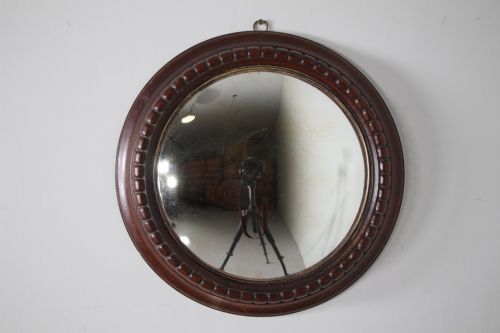
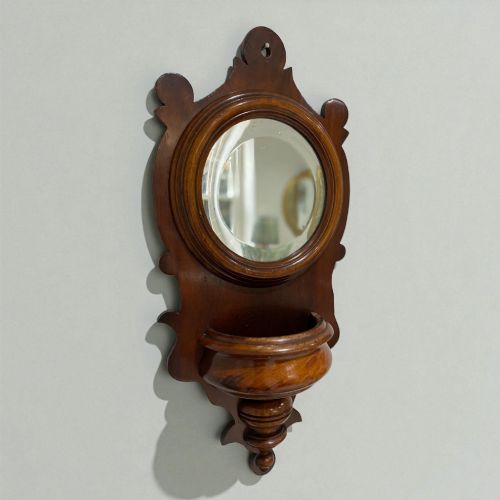
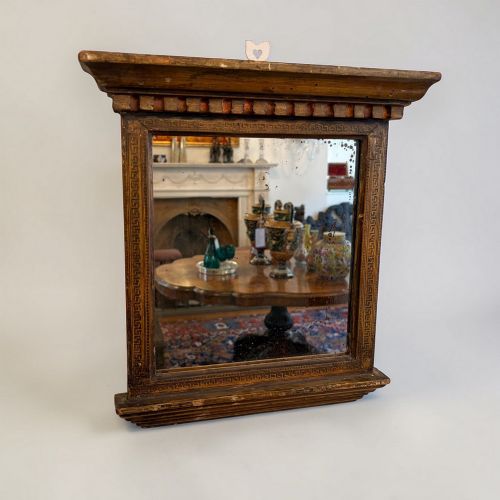
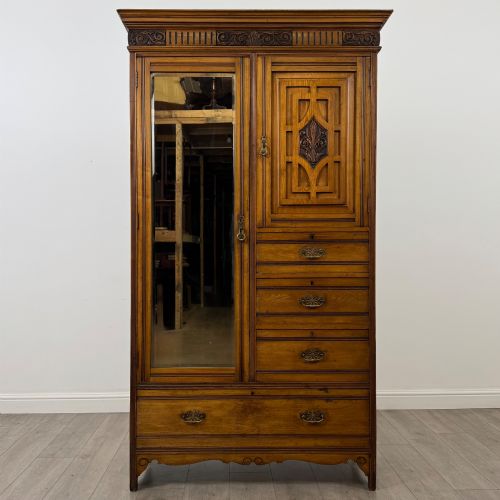
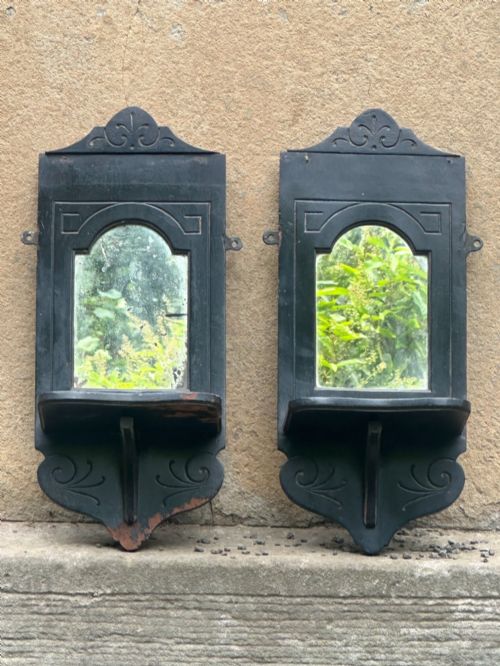
A small wooden mirror serves functional and decorative roles in interiors, spanning wall-hung formats, dressing pieces, and vanity designs. When searching for a small wooden mirror, buyers most commonly encounter wall mirrors and toilet mirrors from the Victorian, Regency, and Edwardian periods.
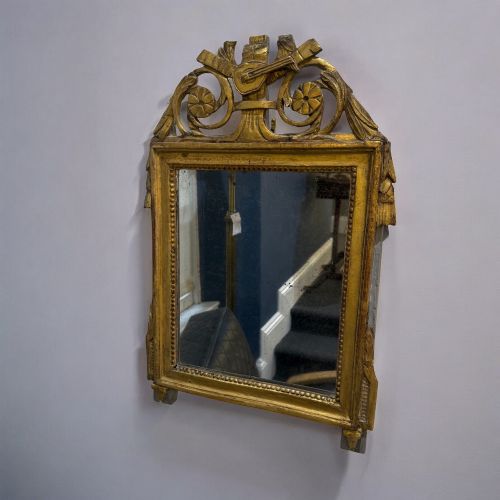
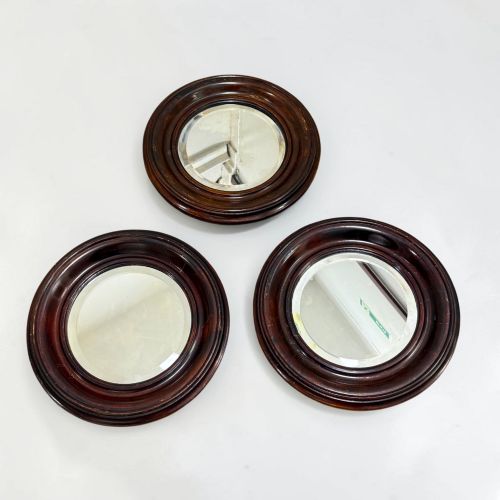
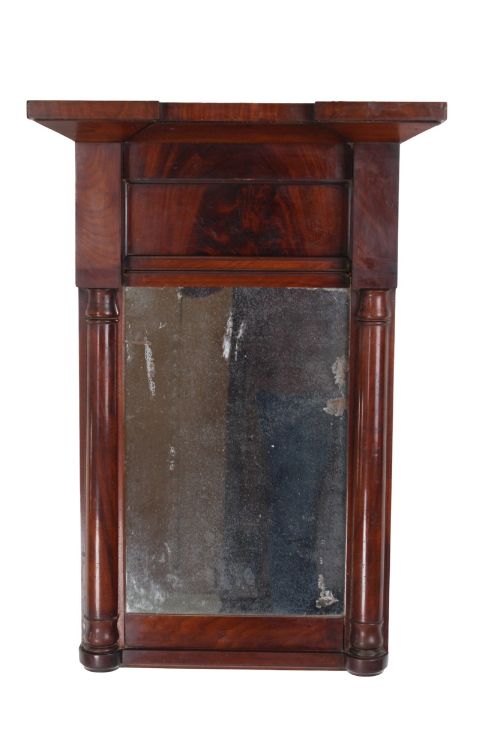
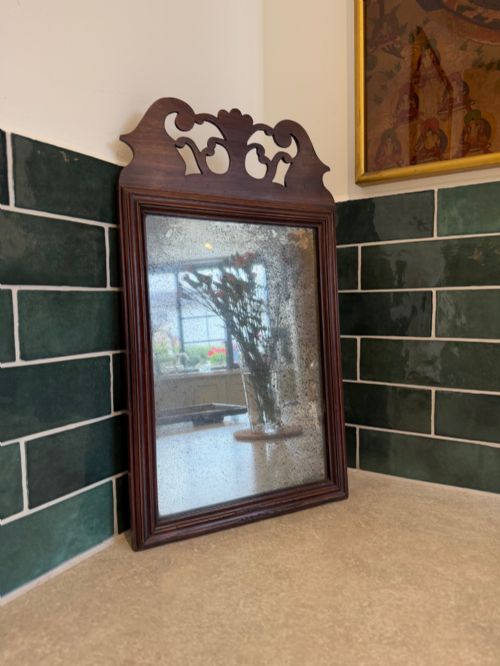
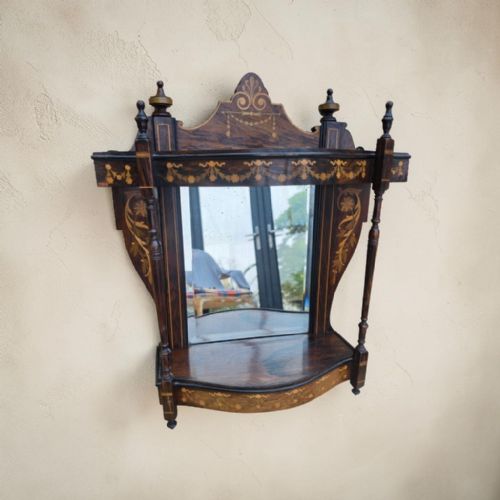
These items take various forms, including rectangular wall plates, oval frames, and bracket styles intended for hanging or placement on chests and sideboards. Materials range from mahogany and walnut to oak, rosewood, and giltwood, reflecting the preferences of nineteenth-century cabinet makers.
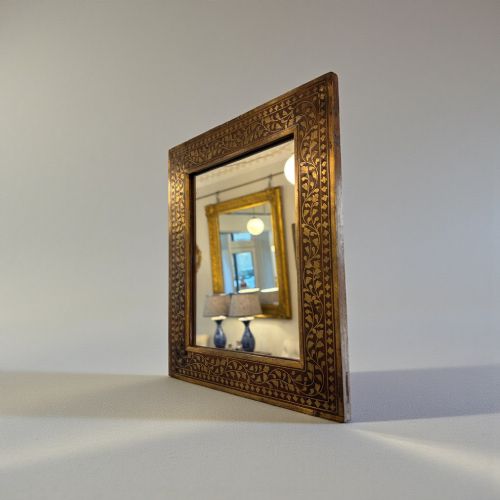
Originating across Britain, France, and other European workshops, pieces also include Anglo-Indian brass inlaid examples and carved decorative girandoles. They integrate into hallways, bedrooms, and reception rooms as practical items with distinct period character.
How they were made
Frames are constructed from solid timbers such as mahogany, walnut, and oak, often shaped with hand-carved decoration or fretwork details. Joinery techniques include precise corner joints and fitted wooden backs to secure the glass securely within the frame.
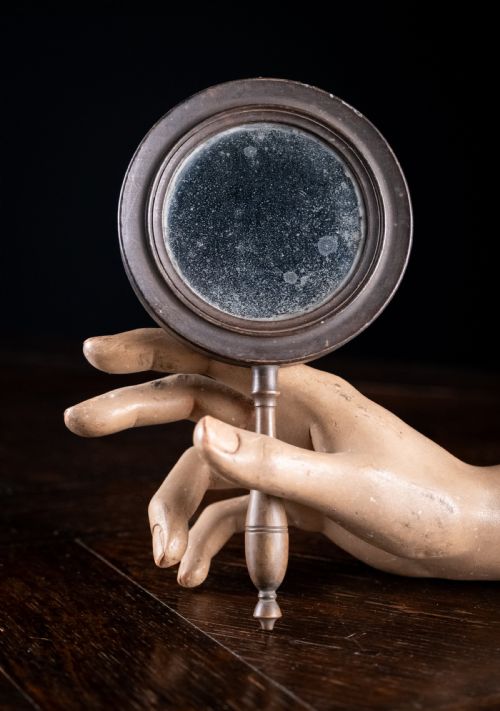
Surfaces feature polished timber finishes, brass inlays, or giltwood applications where gold leaf is laid over a prepared base. Mirror plates consist of period glass, sometimes showing foxing or age spots that confirm their nineteenth-century origins.
Listings feature small wooden mirrors spanning the eighteenth, nineteenth, and early twentieth centuries, incorporating mahogany, walnut, oak, and giltwood materials.
What varies in quality
Quality depends upon the crispness of the timber carving, the choice of figured grain in veneers such as mahogany or walnut, and the subtlety of applied brass inlay or gilt slips. Superior examples display balanced proportions and refined joinery that reflect skilled workshop production.
The condition of the original mirror plate and the integrity of the wooden frame dictate desirability among collectors, with intact period surfaces holding greater appeal than heavily restored examples.
The Small Wooden Mirror Glossary
- Giltwood
- Wood that has been coated with gold leaf or gold paint for decorative effect. This finish appears frequently on Regency and nineteenth-century frames.
- Fretwork
- Ornamental design created by cutting patterns through thin wood using a scroll saw. Georgian and Chippendale-period pieces often employ this technique.
- Girandole
- A branched wall mirror designed to hold candles, reflecting light into the room. Pairs of these items appear in nineteenth-century decorative schemes.
- Toilet mirror
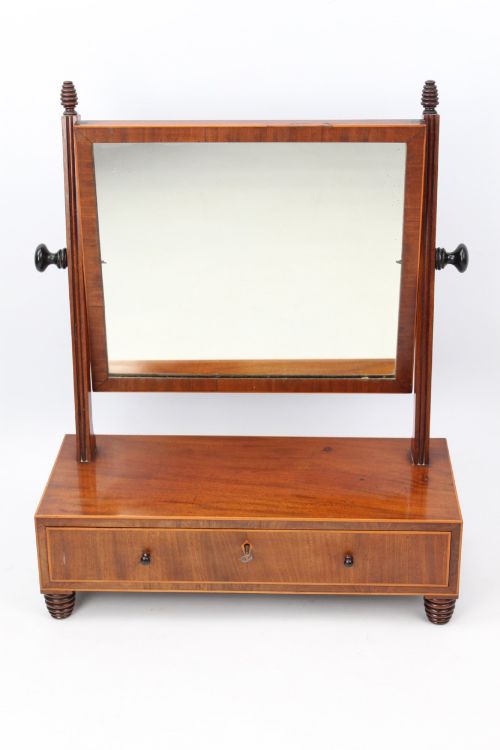
- A small mirror mounted on a pivoting frame above a small base or drawers, designed for dressing tables. These date widely across the Georgian and Victorian eras.
- Foxing
- Age-related spots and discoloration appearing within the silver backing of old mirror glass. This chemical oxidation serves as an indicator of genuine antique plates.
Small Wooden Mirror: Frequently Asked Questions
Where should I hang a small wooden mirror?
Small wooden mirrors suit narrow hallways, above small mantelpieces, or as accents within bedroom dressing areas. Their compact dimensions allow them to fit into tight wall spaces without overwhelming the room.
Historically, toilet mirrors sat atop chests of drawers or dressing tables, while wall-hung versions brightened darker corners by reflecting natural light.
How do I identify the period of a mirror?
Dating relies on timber choices, frame profiles, and construction methods characteristic of eras such as Regency, Victorian, or Edwardian. Heavy mahogany frames and neoclassical motifs point to the early nineteenth century.
Later Victorian and Edwardian examples often feature walnut or oak with machine-assisted details or simpler mouldings compared to earlier hand-carved pieces.
Are antique mirror plates original?
Many antique mirrors retain their original glass, which can exhibit light foxing, minor scratches, and uneven reflection due to historical manufacturing processes. These natural signs of age confirm the piece's authenticity.
Replacement glass appears in some pieces where the original plate suffered breakage, though surviving original plates remain preferred by collectors.
How do I care for a wooden mirror frame?
Maintenance involves dusting the timber gently with a dry, soft cloth and avoiding harsh chemical polishes that can damage antique finishes or gilt surfaces. Keeping the mirror away from direct sunlight and damp environments protects both the wood and the silvered glass backing.
Checking wall fixings periodically ensures that heavier frames, particularly those with brass inlay or giltwood, remain securely hung.