




Small Wooden Gateleg Table
A small wooden gateleg table is a space-saving folding furniture piece built for compact living and easy storage.
Small Wooden Gateleg Table
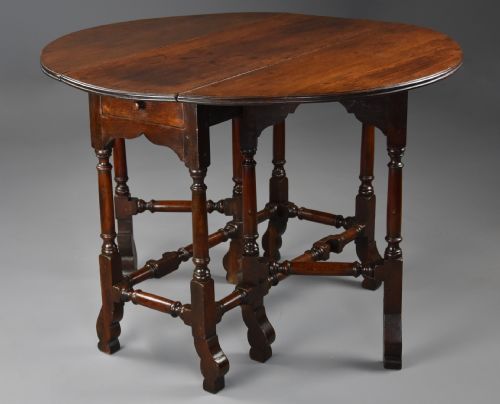
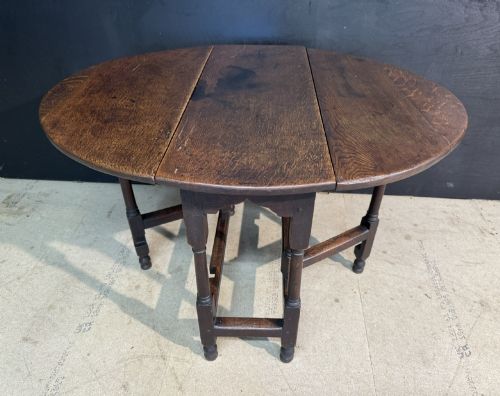
A small wooden gateleg table is a versatile folding piece designed to expand when needed and fold away against a wall. The selections span from eighteenth-century oak and red walnut examples to nineteenth-century Victorian pieces and Edwardian mahogany iterations.
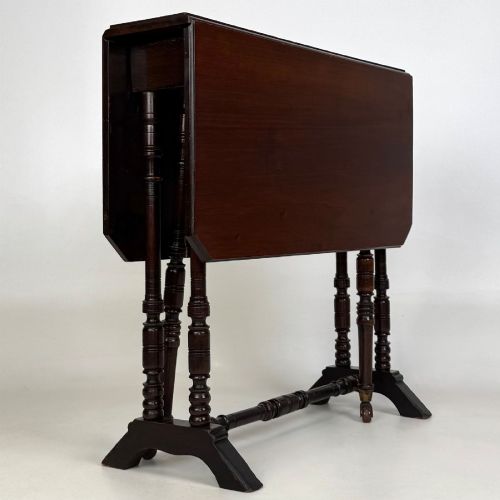
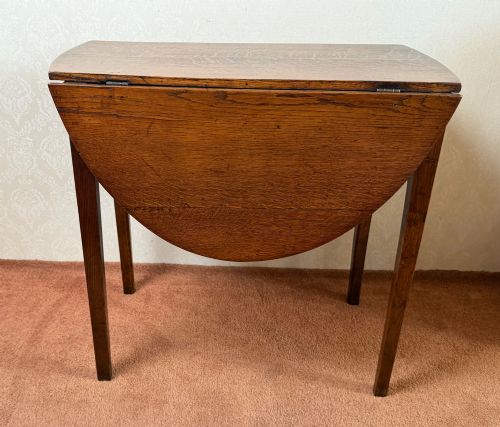
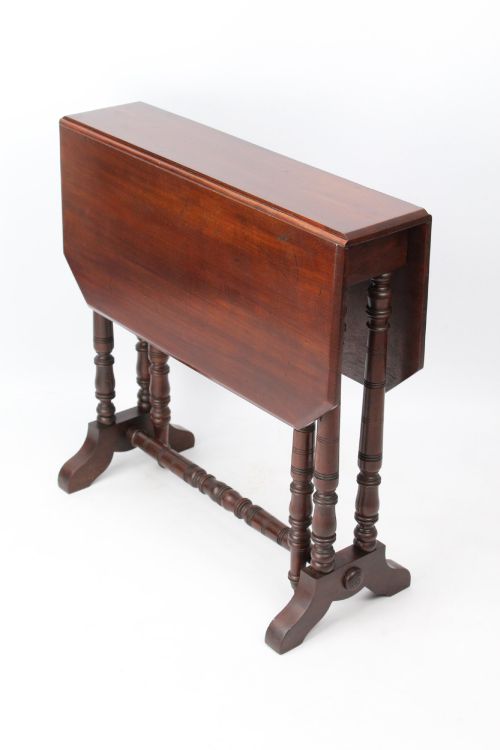
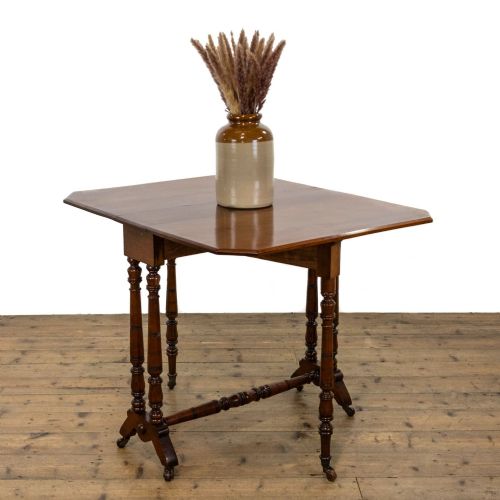
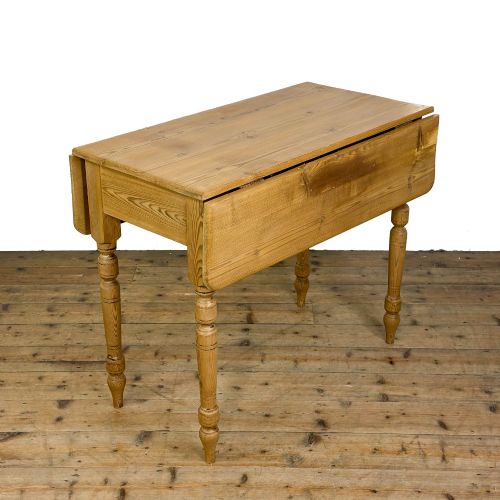
Buyers will encounter various formats including drop leaf dining tables, Sutherland tables, occasional tables, and side tables. Oak and mahogany dominate the offerings, often featuring hinged flaps supported by pivoting swing legs.
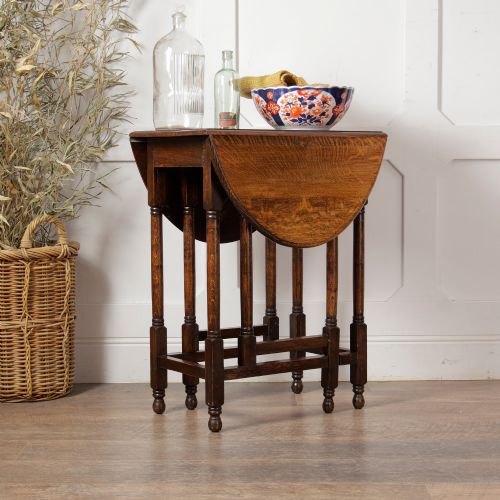
The physical evidence shows forms ranging from heavy rustic country gatelegs to delicate spider-leg occasional tables and inlaid Edwardian variations. These pieces function across multiple domestic settings as compact dining surfaces or side tables.
How they were made
Cabinet makers utilised dense hardwoods such as oak, mahogany, walnut, and satinwood to construct these folding frames. Timber selection dictated both the structural stability of the pivoting legs and the visual appeal of the top surface.
Joinery techniques involved hinged leaves connected to a fixed centre top, with supporting gate legs operating on wooden or brass pivots. Finer examples incorporated decorative elements such as crossbanding, fine inlay, and turned bobbin legs.
Small Wooden Gateleg Table Retail Price Guide 2026
Typical asking prices for small wooden gateleg table among the pieces listed under this phrase on Sellingantiques today, from the lower quarter to the upper quarter. They describe what is for sale here now, not the wider market.
The listings span from eighteenth-century oak and red walnut pieces through Victorian walnut models to Edwardian mahogany and satinwood examples.
What varies in quality
The standard of timber figure and natural patina marks the distinction between ordinary utility tables and exceptional collector pieces. Well-figured mahogany and richly patinated eighteenth-century oak display superior visual depth compared to plain later variants.
Structural refinement also divides the range, visible in the smoothness of the drop-leaf hinge action and the stability of the swing legs. Finely turned bobbin supports or delicate spider legs require precise joinery to remain rigid over centuries of use.
The Small Wooden Gateleg Table Glossary
- Gateleg table
- A table with hinged leaves supported by one or more legs that swing outward like a gate. This design allows the surface area to expand or contract significantly.
- Sutherland table
- A narrow-profile drop leaf table featuring exceptionally slender legs and leaves that drop almost vertically. It was developed during the Victorian period for easy storage in tight spaces.
- Drop leaf table
- A table with a fixed centre section and movable flaps on either side. The flaps are supported by various pivoting mechanisms when raised.
- Spider leg
- A term describing exceptionally thin, delicate turned legs used on lightweight occasional tables. They provide minimal visual weight while supporting the folding leaves.
- Patina
- The surface sheen and mellowing developed by wood over long periods of handling and exposure. It indicates age and proper maintenance.
Small Wooden Gateleg Table: Frequently Asked Questions
How do I use a gateleg table in a small room?
Keep the drop leaves folded down against the wall to use the piece as a narrow side table or console. Swing the gate legs outward and lift the leaves whenever you need an expanded surface for dining or working.
The folding mechanism allows the furniture to adapt instantly to changing space requirements without dominating the room.
What is the difference between an oak and a mahogany gateleg table?
Oak examples generally date from the eighteenth century or earlier, displaying heavier timbers and rustic country characteristics. Mahogany versions frequently appear in later Victorian and Edwardian styles with finer grained surfaces and lighter proportions.
Choosing between them depends on whether you prefer the warm, dense grain of older oak or the reddish-brown refinement of later mahogany.
How can I tell an Edwardian table from a Georgian one?
Georgian tables often feature simpler, heavier structural framing with deep patination developed over centuries of use. Edwardian variations frequently incorporate decorative inlay, satinwood details, and lighter wood selections influenced by revival aesthetics.
Examine the construction joints and secondary timbers underneath to verify the period characteristics.
Are Sutherland tables sturdy enough for daily dining?
Sutherland tables are built with exceptionally slender legs designed primarily for occasional use, tea service, or light tasks. While stable on level flooring, they lack the heavy underframe required for robust family dining.
Use them as decorative side pieces or occasional display surfaces rather than primary dining tables.