

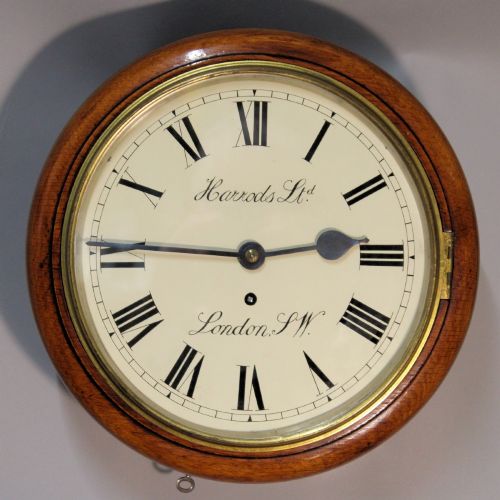
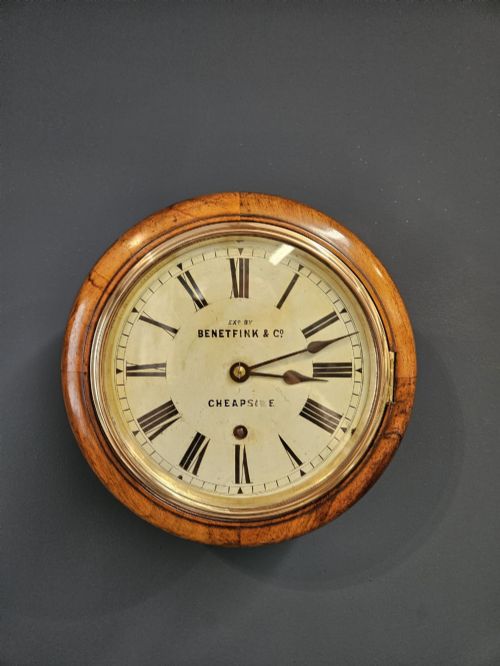
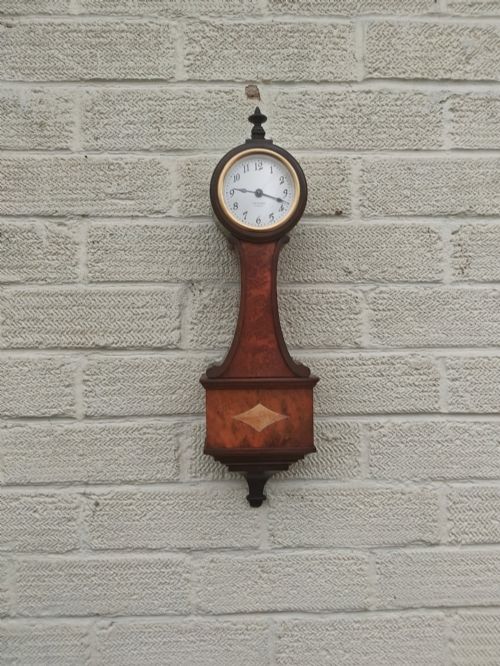
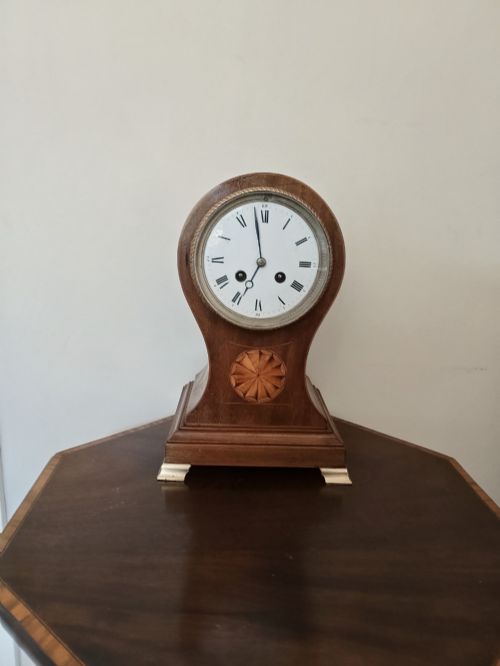
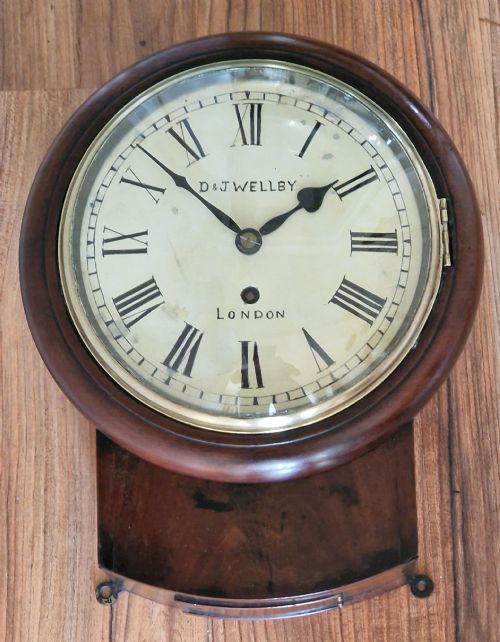
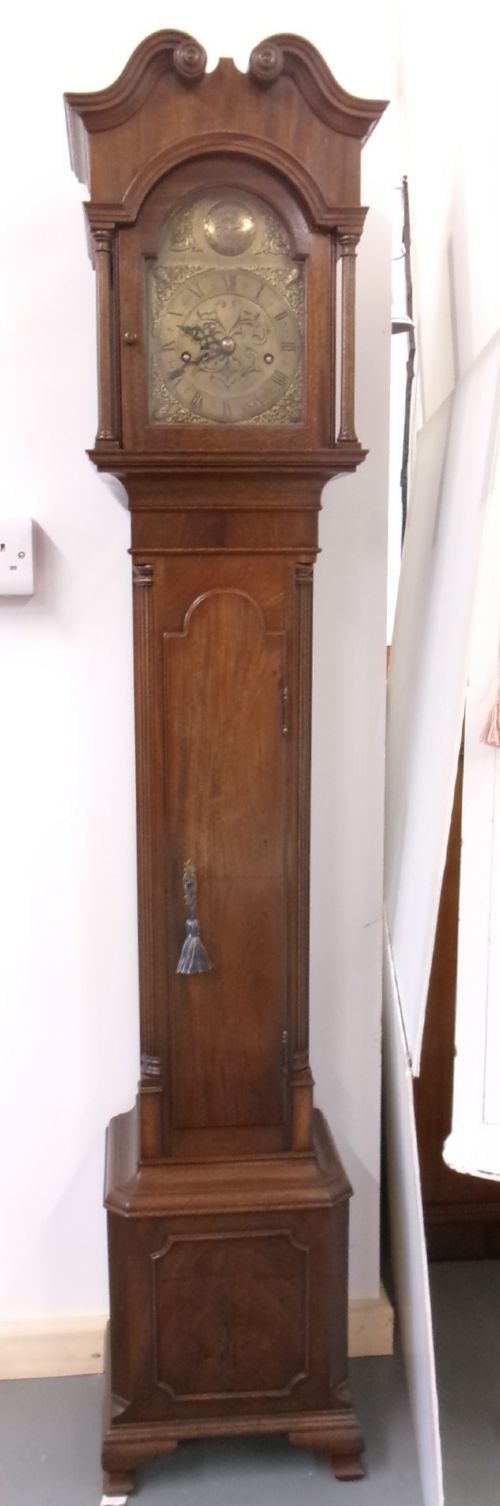


Small Wooden Clock
A small wooden clock brings functional timekeeping and rich cabinet-making into compact spaces.
Small Wooden Clock
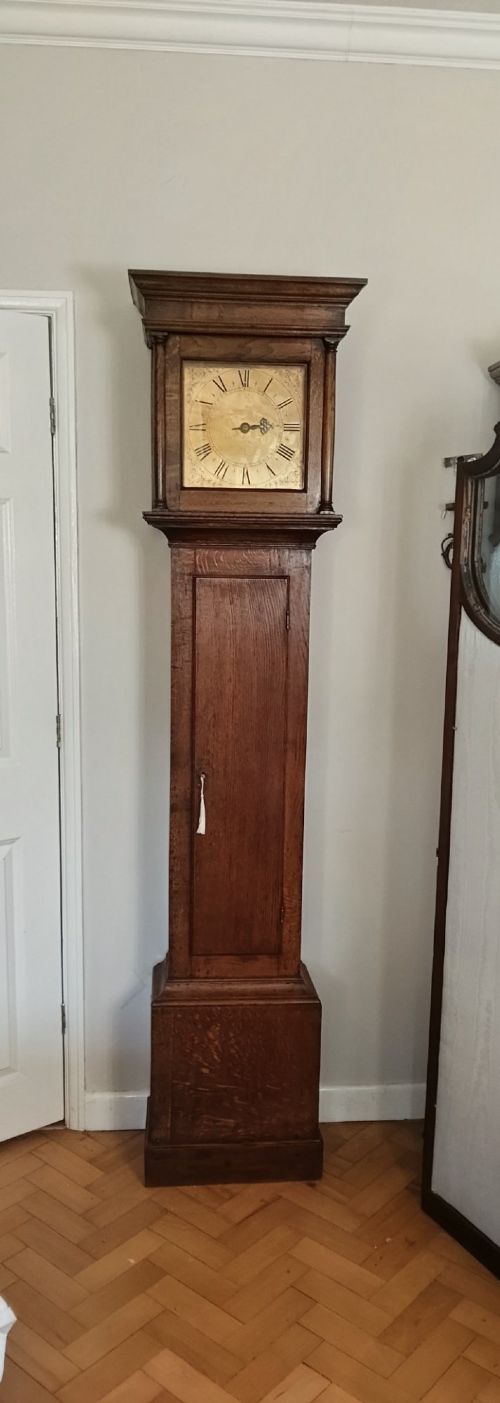
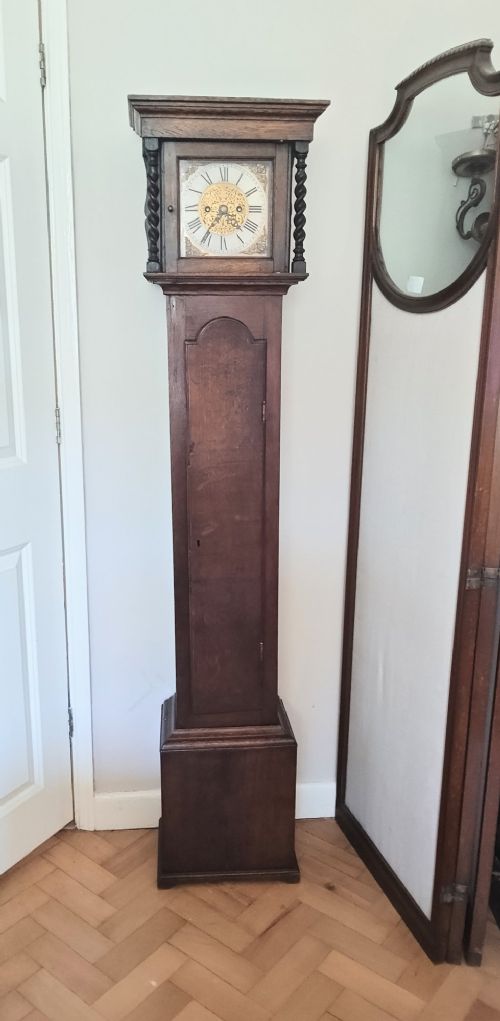
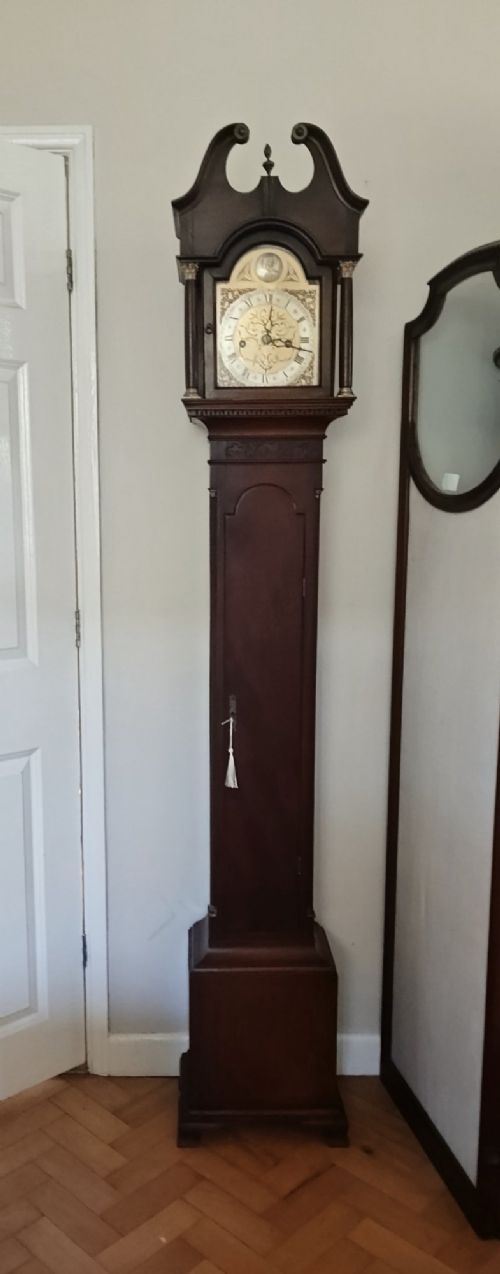
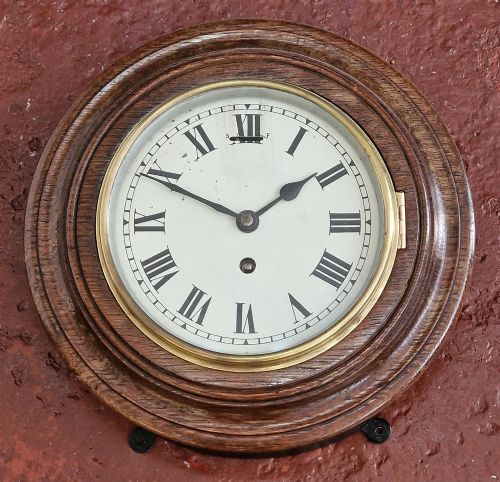
A small wooden clock comprises diverse domestic timepieces designed to sit on brackets, mantels, desks, or hang upon walls. When exploring a small wooden clock on this page, buyers frequently encounter compact wall dials, bracket clocks, and miniature longcase or grandmother clocks.
The selections span distinct historical eras from the eighteenth century through the Edwardian period and beyond. Case woods range from figured mahogany and warm walnut to oak and ebonised finishes.
Forms vary from simple dial wall clocks to complex musical grandfather and bracket timepieces housing intricate movements. Each piece reflects the prevailing style of its period, encompassing Georgian elegance, Victorian utility, and Regency refinement.
How they were made
Cabinet makers utilised select timbers such as mahogany, walnut, oak, and pine to construct robust yet refined housings. Wood was frequently polished, inlaid, or ebonised to highlight natural grains and provide architectural depth.
Horologists fitted mechanical movements driven by springs, weights, and fusee mechanisms inside these wooden cases. Dials were rendered in brass, silvered metal, enamel, or painted wood, complemented by glassbezels and protective doors.
Small Wooden Clock Retail Price Guide 2026
Typical asking prices for small wooden clock among the pieces listed under this phrase on Sellingantiques today, from the lower quarter to the upper quarter. They describe what is for sale here now, not the wider market.
What varies in quality
The distinction between standard examples and superior specimens lies in the precision of the movement and the fidelity of the cabinet work. Finely figured wood veneers, subtle inlay, and well-executed carvings elevate the exterior appearance.
Originality of components, signed dials, and clean mechanical execution separate everyday workshop output from master horological work. The integration of complex striking or musical trains adds further distinction to individual clocks.
Seth Thomas·D&J Wellby·Perigal of London·Dent of London·McCabe London·John Welsh Luton
The Small Wooden Clock Glossary
- Fusee
- A conical pulley used in mechanical clocks to maintain an even pull on the movement as the mainspring unwinds. This mechanism ensures steady timekeeping across the winding cycle.
- Grandmother clock
- A miniature version of the traditional longcase clock, standing shorter in height. These slender floor clocks often incorporate musical chimes or simple time-only movements.
- Bracket clock
- A portable table or mantel clock originally designed to sit on a wall bracket. They frequently feature architectural wooden cases with carrying handles and glass side panels.
- Drop dial
- A wall clock featuring a circular dial positioned above a short, glazed trunk or drop box. This case style became popular during the Regency and Victorian periods for offices and railway stations.
- Ting tang
- A striking mechanism that sounds two different notes on bells or gongs to indicate the passing quarters or hours. It offers an alternative to full hour-striking trains.
Small Wooden Clock: Frequently Asked Questions
Where should I place a small wooden clock?
Position your clock on a stable mantel, sturdy desk, or securely mounted wall bracket away from direct sunlight and drafts. Wood and antique movements react poorly to extreme temperature fluctuations and damp environments.
Ensure the surface is completely level so the pendulum beats evenly. An unlevel clock will quickly stop keeping accurate time.
How do I identify the period of a wooden clock?
Examine the timber, construction methods, and dial design for clues characteristic of specific eras. Georgian and Regency pieces often display clean mahogany veneers and silvered brass dials, while Victorian examples may feature ebonised wood or walnut.
Look inside the case for maker signatures or movement stamps. Comparing these stylistic details with known historical periods helps narrow down the date of manufacture.
What is the difference between a grandfather and grandmother clock?
A grandfather clock is a full-sized floor-standing longcase clock, typically measuring six to eight feet tall. A grandmother clock is a smaller, more slender miniature version produced primarily during the nineteenth and early twentieth centuries.
Despite their diminutive stature, grandmother clocks often house functioning weight-driven or spring-driven movements and chime mechanisms similar to their larger counterparts.