

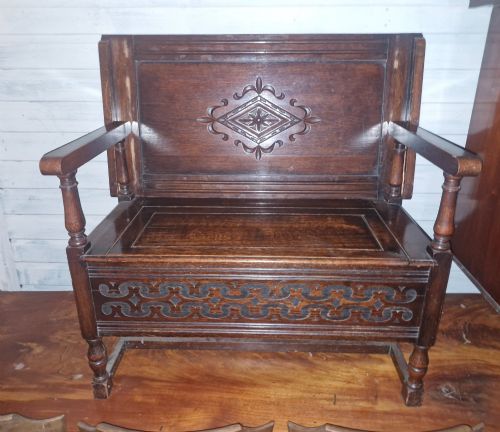
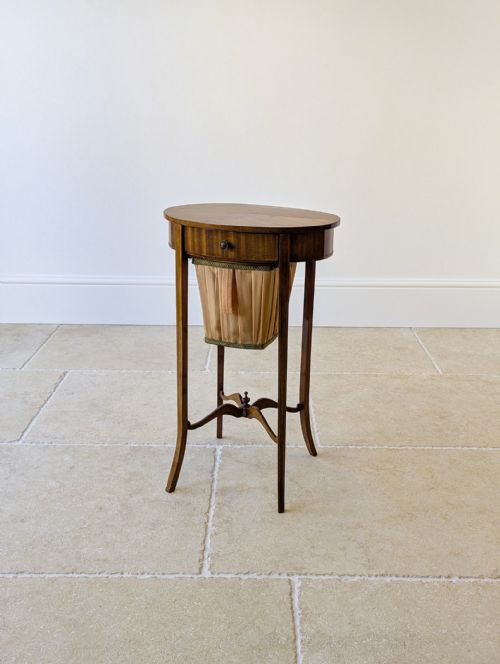


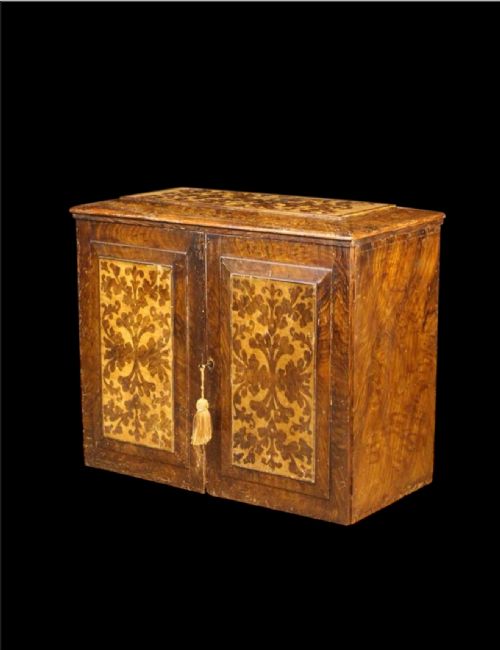


Small Wooden Box Table
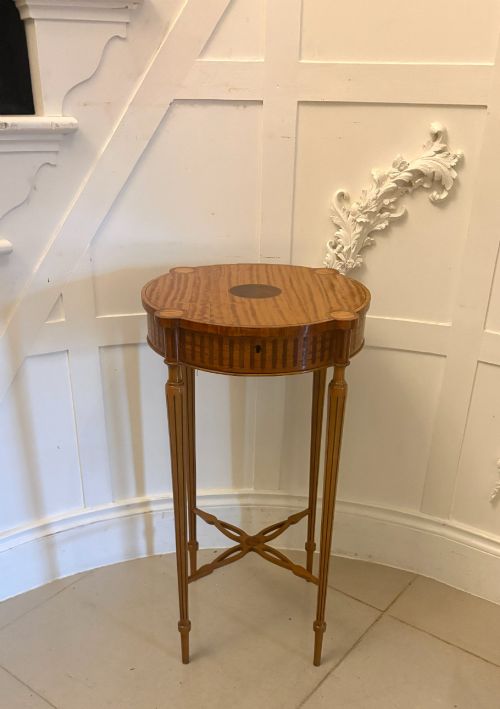
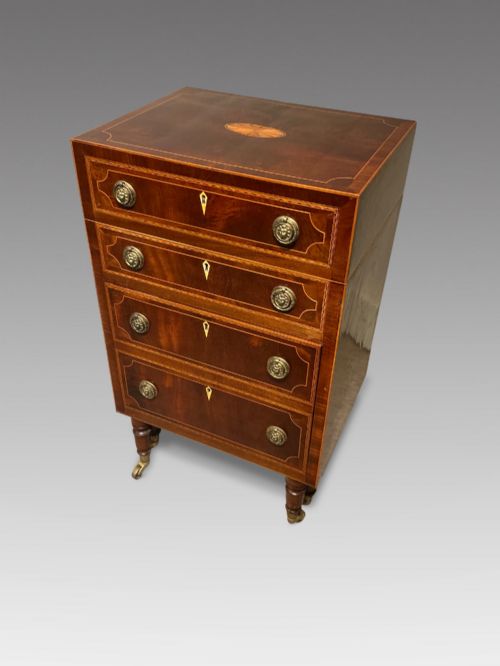
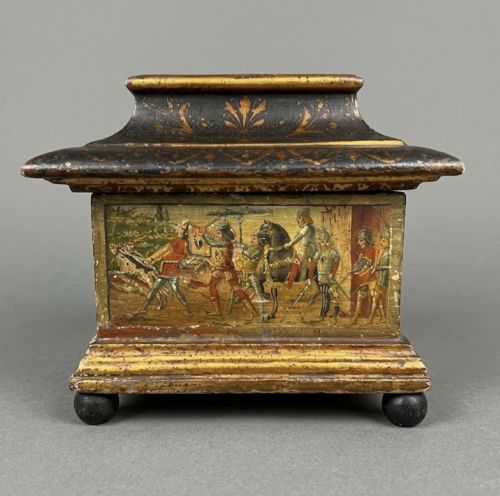
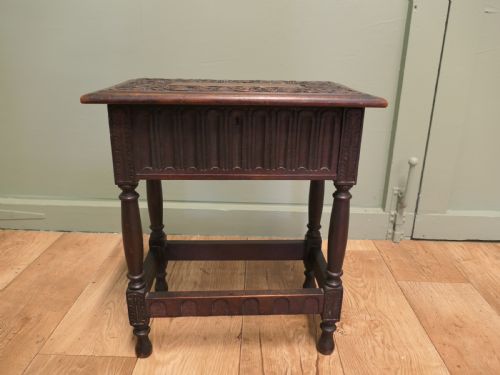
These small wooden box table pieces are compact chests, cabinets and occasional stands designed to sit on surfaces or beside chairs, offering neat storage with distinct period character.
Small Wooden Box Table
When you search for a small wooden box table, you encounter a diverse group of compact furniture designed to contain small items while serving as a surface or display. These pieces blur the line between cabinetry and portable boxes, taking forms such as table cabinets, work tables, occasional stands and lift-top chests.
The versions most likely to appear on this page date from the eighteenth and nineteenth centuries, including Victorian and Edwardian examples. They range from utilitarian oak and elm storage boxes to refined mahogany and walnut tabletop cabinets with glazed or inlaid panels.
How they were made
Cabinet makers built these pieces using solid timbers such as oak, mahogany, walnut, elm and satinwood, frequently applying decorative veneers to visible surfaces. Structural joints relied on traditional carpentry methods suitable for smaller carcases, whilst exterior finishes often incorporated hand-carved elements, brass mounts and dark lacquers.
Interior compartments required careful joinery to create functional drawers, lift-up lids and specialised trays for sewing implements, jewellery or collections. Glazed doors and panels in display variants were fitted securely into wooden frames to protect the contents while maintaining visibility.
Small Wooden Box Table Retail Price Guide 2026
Typical asking prices for small wooden box table among the pieces listed under this phrase on Sellingantiques today, from the lower quarter to the upper quarter. They describe what is for sale here now, not the wider market.
A tiny set of English dominoes occasionally hides inside these selections, reminding us that past owners valued miniature amusements.
What varies in quality
Quality in these compact pieces rests on the selection of timber and the precision of the cabinetwork. Finer examples display carefully matched grain patterns, crisp carved details and well-fitted internal drawers that move smoothly within their housings.
Secondary elements such as original brass handles, locks, hinges and glass panes elevate a piece from a simple utilitarian container to a finished item of furniture. The integrity of the original construction and the restraint of any applied ornament distinguish superior examples from simpler ones.
The Small Wooden Box Table Glossary
- Table cabinet
- A miniature cabinet designed to stand upon a desk, table or chest rather than directly on the floor. These pieces usually feature doors enclosing small drawers or open shelves.
- Work table
- A small piece of furniture incorporating a box, bag or compartment for needlework and sewing supplies. They often feature lift-up lids or pull-out sections beneath the main surface.
- Collectors cabinet
- A specialised storage piece containing multiple shallow drawers intended for organising specimens, coins, shells or medals. The interior layout prioritizes protection and orderly classification.
- Deed box
- A heavy wooden storage box traditionally used for securing legal documents and private papers. They frequently include reinforced corners, sturdy locks and occasionally integrated carrying handles.
- Veneer
- A thin slice of decorative wood applied to a secondary timber base to create patterned exterior surfaces. This technique allowed cabinet makers to utilise rich grains of walnut or mahogany efficiently.
Small Wooden Box Table: Frequently Asked Questions
What were small wooden box tables used for?
These versatile pieces served domestic purposes ranging from sewing and needlework storage to organising letters, jewellery and specialised collections. Their compact size allowed them to sit conveniently on larger pieces of furniture or beside seating areas for easy access.
Over time, owners adapted them to store whatever small valuables or personal items required secure containment and neat presentation within a room.
How do I identify the period of a table cabinet?
Dating relies on examining the timber species, construction methods, hardware and stylistic revival motifs present in the design. Eighteenth-century pieces often display simpler, robust oak or walnut construction, while Victorian and Edwardian examples frequently incorporate mahogany, elaborate carvings or glazed display doors.
Interior linings, drawer dovetailing and lock mechanisms also provide reliable clues regarding the decade of manufacture.
Where should I place a box table in my home?
Their modest proportions make them suitable for placement on sideboards, desks or wide window sills where they can function as display cases or storage containers. Freestanding versions like work tables fit neatly beside armchairs or sofas as functional occasional surfaces.
Positioning them away from direct heat sources and strong sunlight protects the wooden surfaces and internal contents from environmental damage.
Are these pieces suitable for daily use?
Most surviving examples are robust enough for gentle everyday use, such as holding stationery, keys or small personal accessories. Their historical construction means they benefit from thoughtful handling rather than heavy commercial treatment.
Regular dusting and occasional conditioning of the wood help maintain the finish and structural integrity for continued domestic enjoyment.