

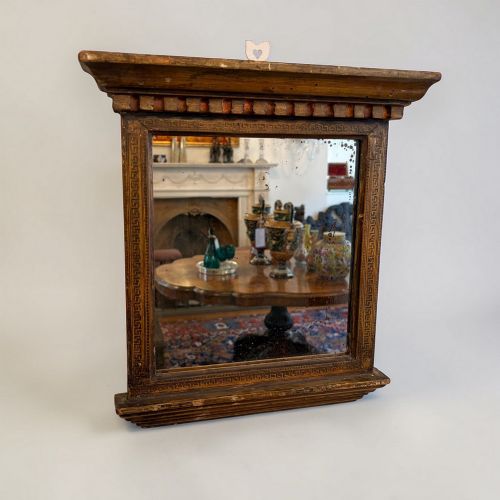
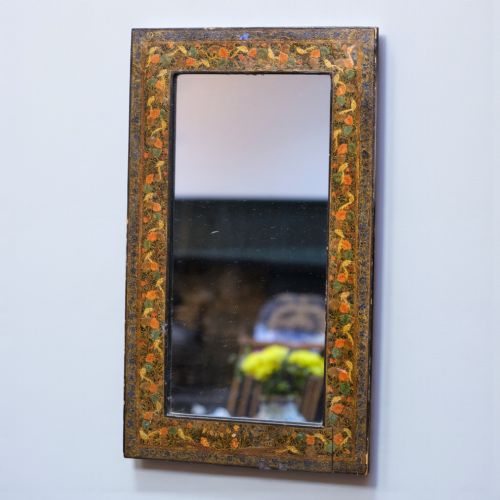
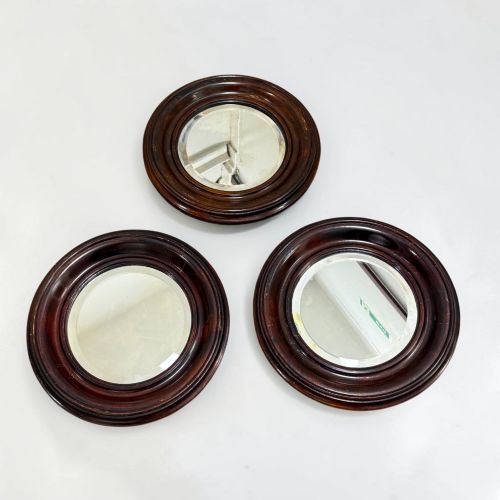
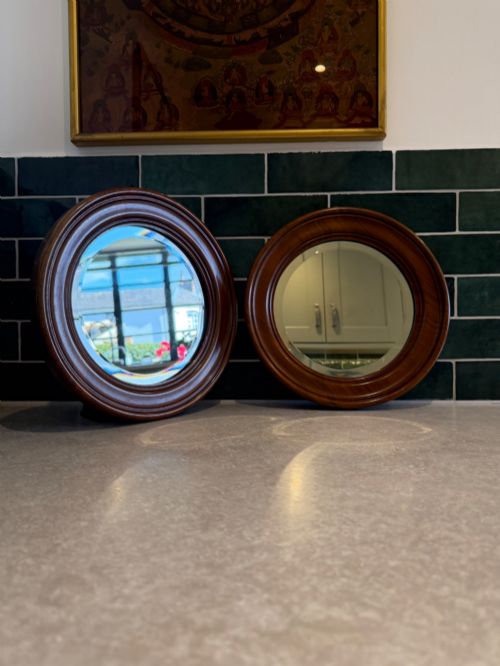
Small Wood Mirror
A small wood mirror brings warmth and reflection to compact spaces, combining timber frames with clear glass.
Small Wood Mirror
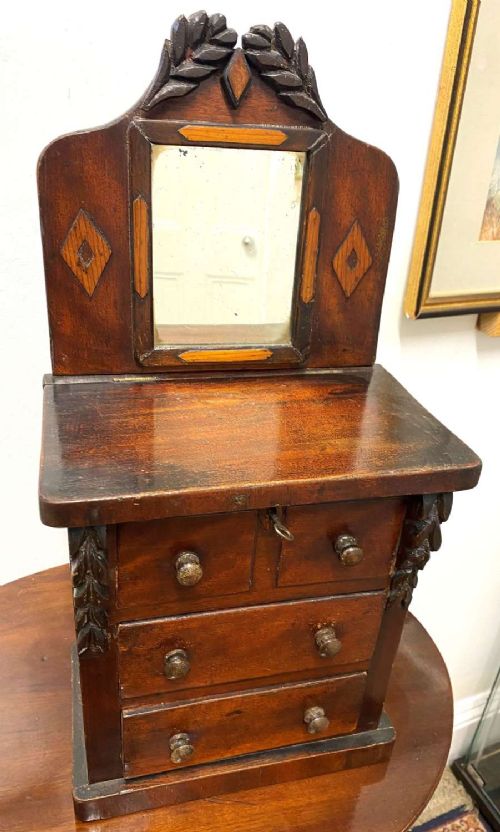
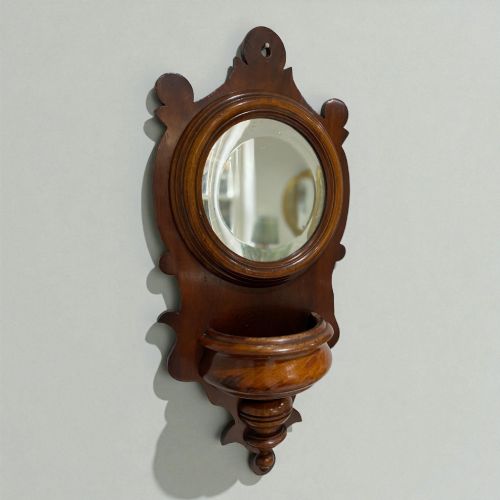
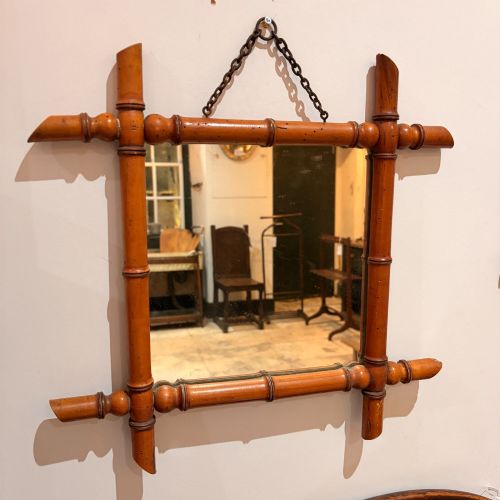
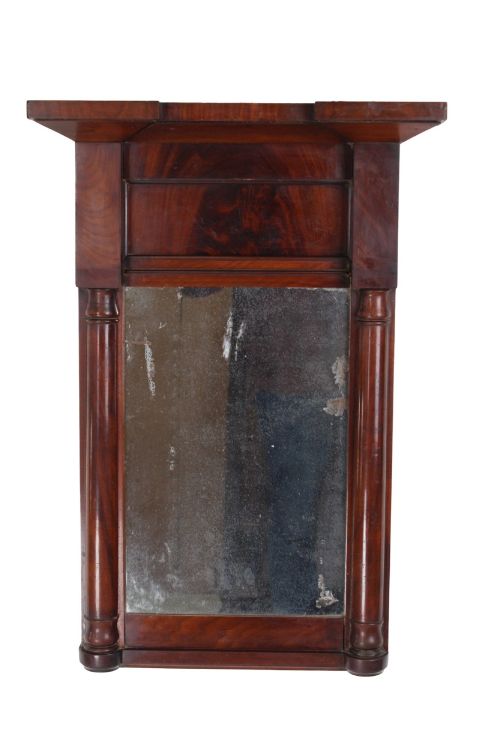
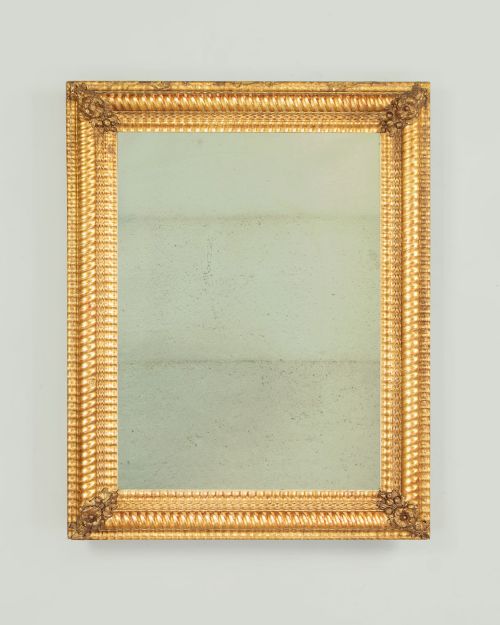
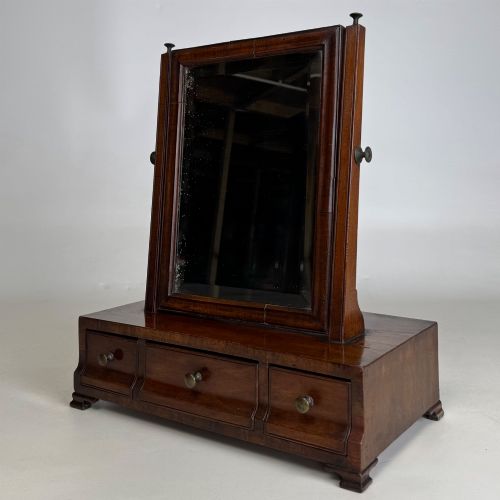
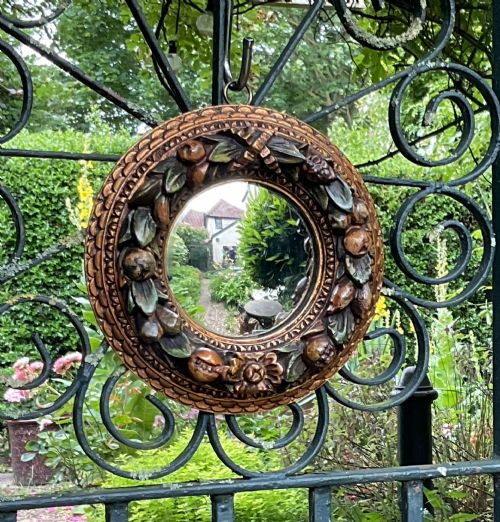
A small wood mirror encompasses a range of compact reflective pieces designed for walls, dressing tables and mantelpieces. Buyers seeking a small wood mirror will find items spanning the eighteenth, nineteenth and early twentieth centuries, constructed in varied regional styles.
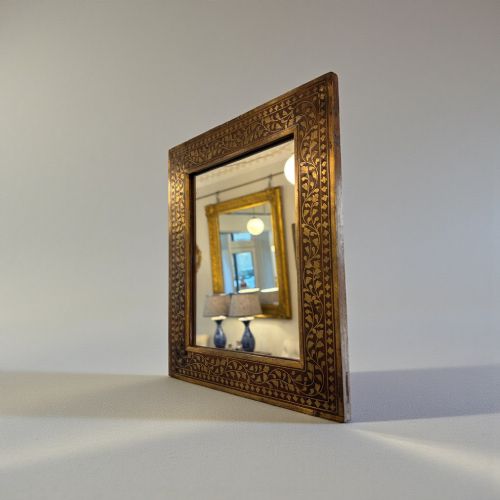
Origins stretch from English workshops to French, Italian and Kashmiri makers. Pieces take circular, oval, arched and rectangular forms, often scaled for bedrooms, halls and smaller reception rooms.
Materials and construction
Carpenters and joiners built the frames using solid hardwoods like mahogany, walnut and ash, employing traditional jointing techniques for structural stability. Turnery, carving and inlaid brass or lighter woods decorated the timber surfaces.
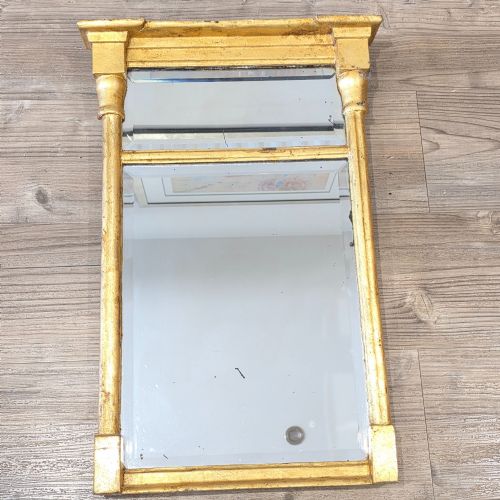
Many frames received layers of gesso before gilding with gold leaf, creating the metallic finishes seen on French and Italian pieces. Mirror plates were traditionally silvered by hand, resulting in characteristic foxed spots over time.
Small Wood Mirror Retail Price Guide 2026
Typical asking prices for small wood mirror among the pieces listed under this phrase on Sellingantiques today, from the lower quarter to the upper quarter. They describe what is for sale here now, not the wider market.
Listings feature woods including mahogany, walnut, rosewood and ash, spanning the eighteenth to the early twentieth century.
Judging quality
Quality rests upon the crispness of the hand-carved detail and the integrity of the original timber frame. Crisp mouldings and well-preserved joinery distinguish finer workshop output from simpler utilitarian items.
The survival of original gilding and early mirror glass influences the character of the piece. Replacements alter the visual balance, whereas period plates retain their distinct depth of reflection.
The Small Wood Mirror Glossary
- Pier mirror
- A tall, narrow mirror designed to hang on the pier of wall between two windows. These often incorporated small consoles or shelves beneath the glass.
- Gesso
- A plaster-like mixture applied to wood frames as a base for gilding or painting. It allowed artisans to carve intricate relief ornamentation.
- Foxed plate
- Mirror glass exhibiting small dark spots and patination caused by the degradation of the backing over decades. Collectors value this sign of age.
- Bracket mirror
- A small mirror fitted with a small shelf or bracket at the base. It served functional purposes in hallways and dressing rooms.
- Cartouche mirror
- A wall mirror featuring an ornate frame shaped like an unfurled scroll or shield. Italian Rococo examples showcase this elaborate style.
Small Wood Mirror: Frequently Asked Questions
Where should I hang a small wood mirror?
These mirrors suit compact areas such as hallways, cloakrooms and above small mantelpieces where large frames would overwhelm the wall. They also function effectively as dressing table accessories.
Ensure the wall fixings match the weight of the timber and glass frame to secure the piece safely.
How do I identify the period of a mirror?
Examine the construction methods, backboards, screw types and timber patination to gauge age. Stylistic markers such as Neo-Classical symmetry or Rococo asymmetry offer further clues.
Hand-cut screws and aged pine backing boards frequently point to eighteenth or nineteenth-century origins.
Are foxed mirror plates a defect?
Foxing represents natural oxidation of the reflective backing over many decades rather than a structural fault. Many collectors appreciate the aged appearance it imparts.
Original plates with foxing confirm the antique status of the mirror.
How do I care for an antique wood frame?
Dust the timber gently with a dry, soft cloth and avoid chemical sprays or excessive moisture. Gilt surfaces require particular care to prevent loss of leaf.
Keep the mirror away from direct sunlight and damp environments to protect the wood and backing.