

Small Wood Bureau
A small wood bureau offers compact writing space and concealed drawers, bringing period craftsmanship into modern rooms.
Small Wood Bureau
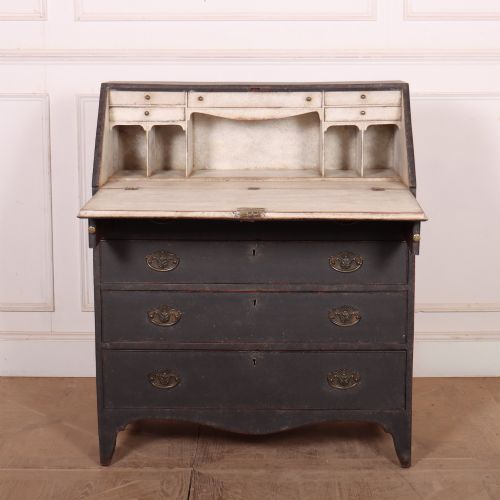
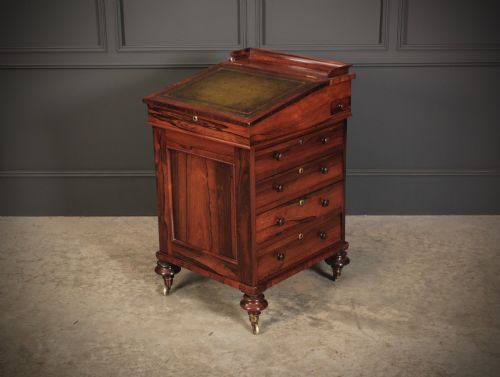
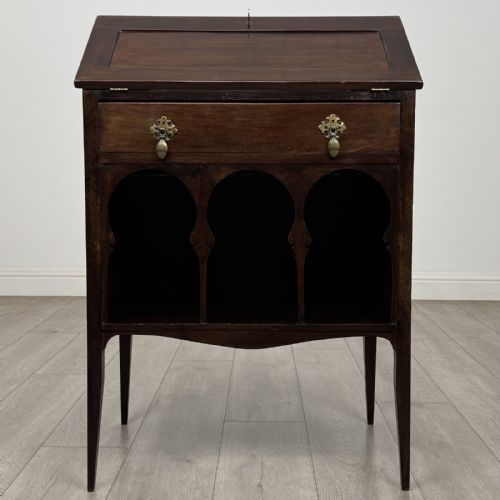
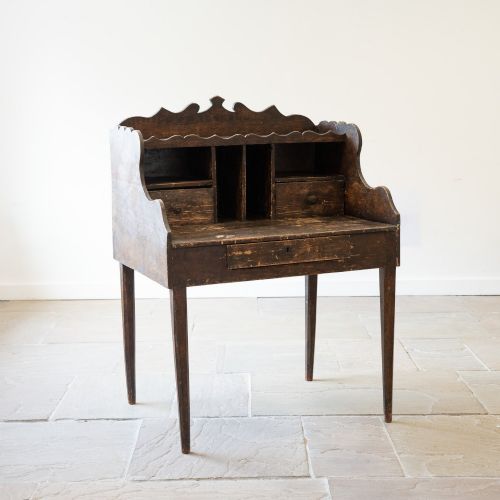
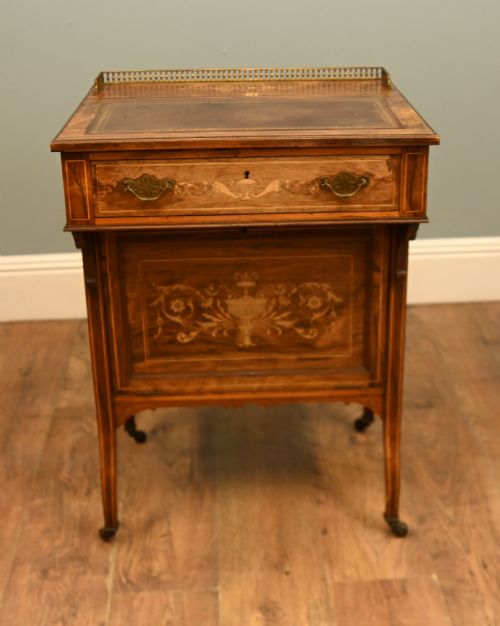
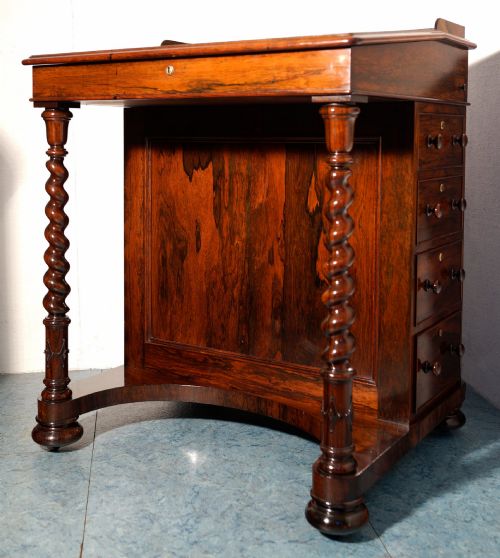
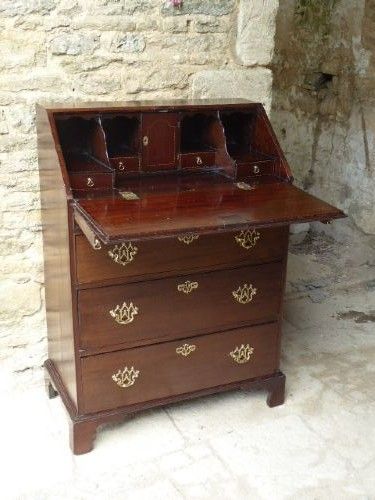
A small wood bureau provides a dedicated writing surface alongside internal compartments for correspondence and papers. These pieces span the eighteenth, nineteenth, and early twentieth centuries, appearing in forms such as fall-front desks, secretaire chests, and Davenport desks.
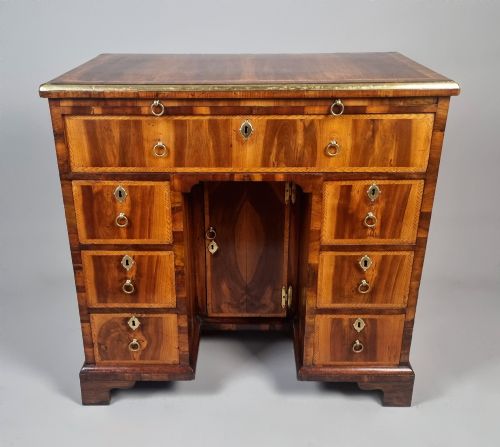
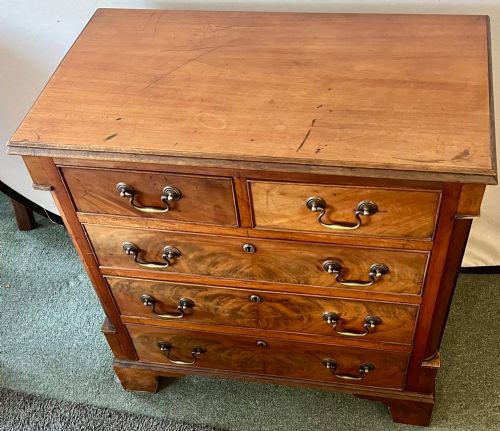
Mahogany, walnut, and rosewood dominate the selection, often complemented by satinwood or amboyna veneers. Cabinetmakers shaped these timbers during the Georgian, Regency, Victorian, and Edwardian periods.
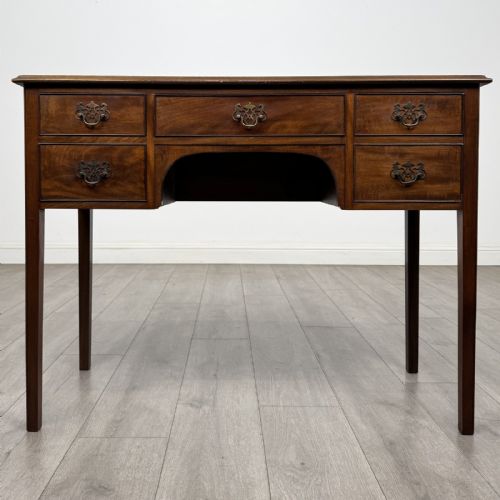
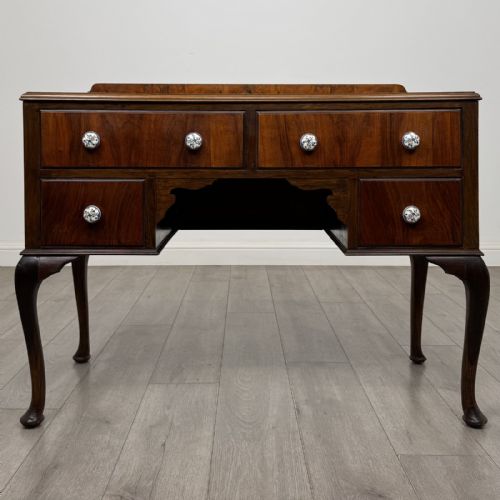
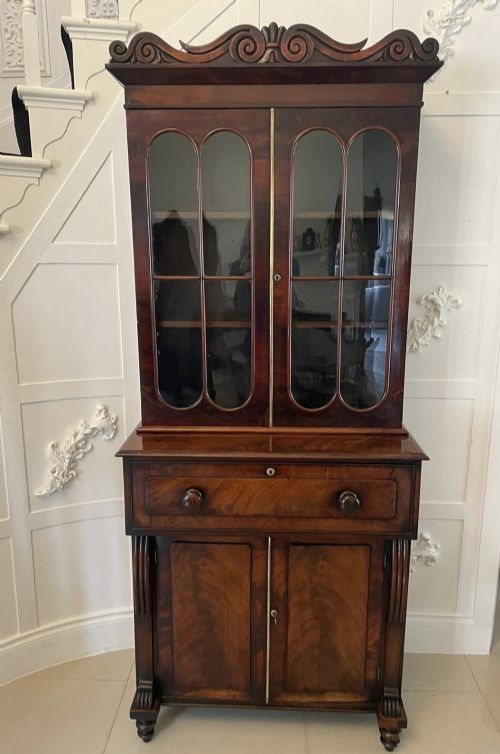
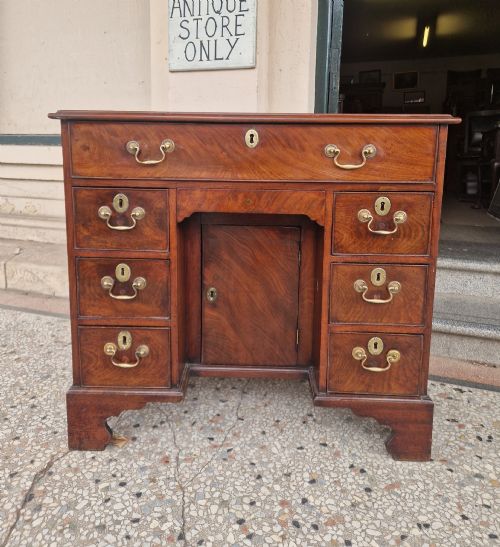
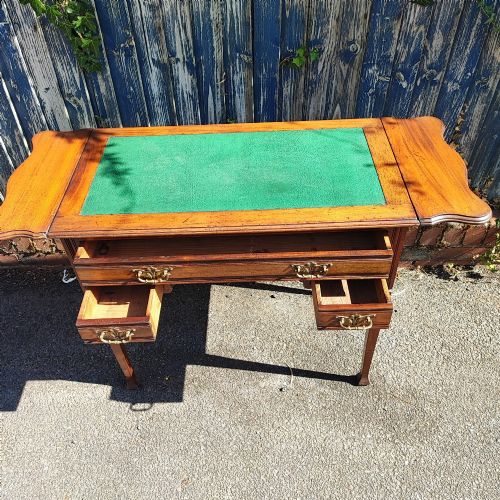
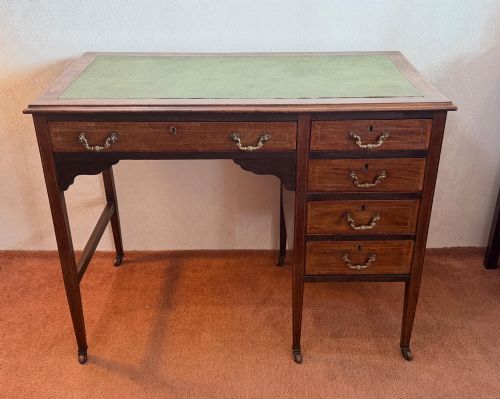
Buyers also encounter related writing furniture, including kneehole desks, writing tables, and miniature bureau bookcases. Each form reflects the domestic writing habits of its respective era.
How they were made
Cabinetmakers constructed carcases in solid oak or pine, applying figured mahogany, walnut, or rosewood veneers to visible exterior surfaces. French polishing or wax finishes sealed the wood, highlighting natural grain patterns.
Brass hardware, including drop handles, escutcheons, and hinges, secured doors and drawers. Leather inserts frequently lined writing slopes, while secondary timbers such as oak lined the interior drawer boxes.
Small Wood Bureau Retail Price Guide 2026
Typical asking prices for small wood bureau among the pieces listed under this phrase on Sellingantiques today, from the lower quarter to the upper quarter. They describe what is for sale here now, not the wider market.
One miniature bureau bookcase is built to a quarter scale as an apprentice furniture sample.
What varies in quality
The choice of timber grain and veneer selection dictates visual impact. Pieces featuring book-matched burr walnut or heavily figured mahogany represent finer workshop output.
Internal construction details separate standard items from superior examples. Hand-cut dovetails on drawer boxes, original brass fittings, and secondary timber consistency indicate skilled execution.
Gillows·Edwards and Roberts
The Small Wood Bureau Glossary
- Bureau
- A writing desk featuring a sloping hinged flap that opens to reveal pigeonholes and small drawers. This form evolved during the eighteenth century for home correspondence.
- Davenport
- A compact writing desk featuring a sloped top, side drawers, and a pedestal base. The form gained popularity during the Regency and Victorian periods.
- Secretaire
- A cabinet or chest of drawers incorporating a pull-out writing drawer or fall-front compartment. These pieces combine storage with writing facilities.
- Dovetail
- A joint formed by interlocking wedge-shaped fingers, used to join drawer corners. Hand-cut dovetails are a hallmark of older cabinetmaking.
- Escutcheon
- A protective metal plate surrounding a keyhole. These fittings often feature brass or bone in period furniture.
Small Wood Bureau: Frequently Asked Questions
What is a small wood bureau?
A small wood bureau is a compact writing desk with a hinged flap that conceals compartments for letters and stationery. These pieces combine storage drawers with a functional writing surface.
Craftsmen built them across multiple historical periods using hardwoods like mahogany, walnut, and rosewood.
How do I date a bureau?
Dating relies on observing structural characteristics, timber choices, and hardware styles. Georgian pieces often display straightforward mahogany construction with hand-cut dovetails, while Victorian examples introduce varied veneers and different desk configurations.
Secondary woods inside drawers also help determine the period of manufacture.
Where were they used?
These desks served primarily in private homes for managing personal correspondence, household accounts, and letter writing. Their compact size suited them for parlours, bedrooms, and smaller studies.
Today, they function well in home offices and living rooms where space is limited.
How do I care for the wood?
Maintain wood surfaces by applying quality beeswaxes periodically and avoiding direct sunlight. Keep furniture away from heat sources to prevent timber splitting and veneer lifting.
Dust regularly with a soft, dry cloth to protect the polished finish.