



Small Walnut Collector Cabinet
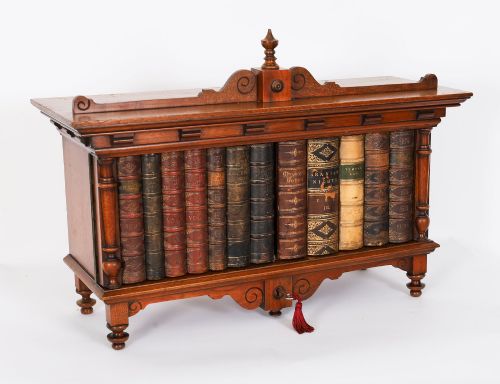
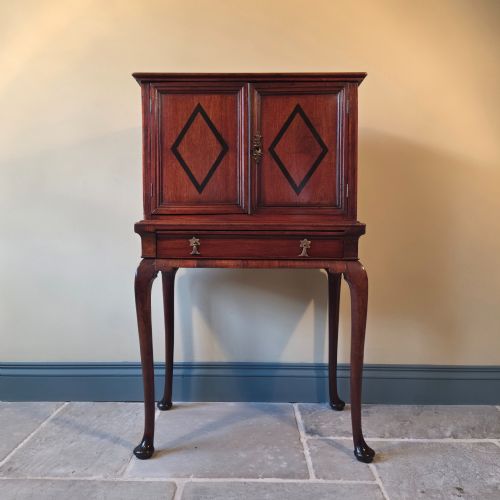
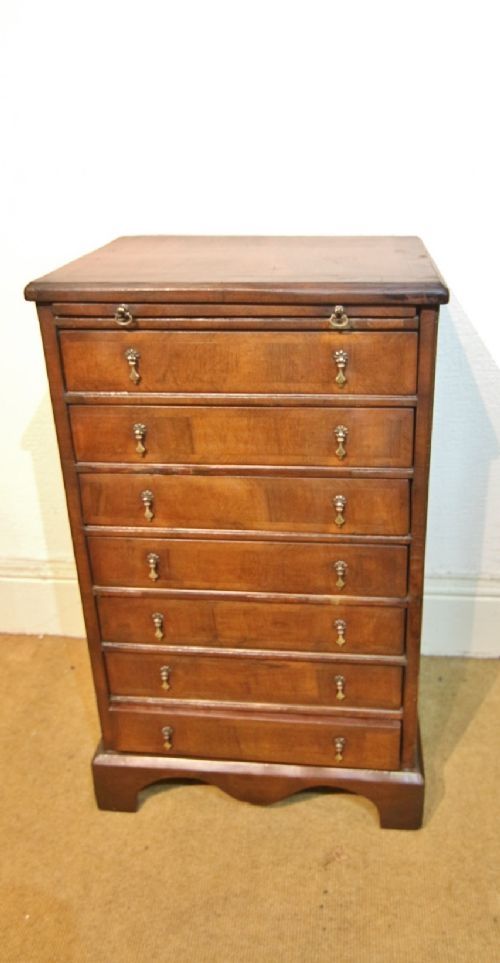
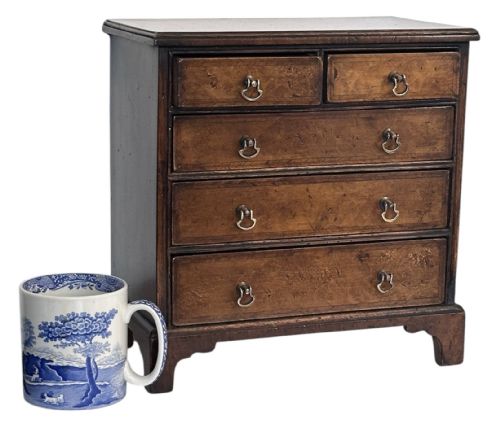
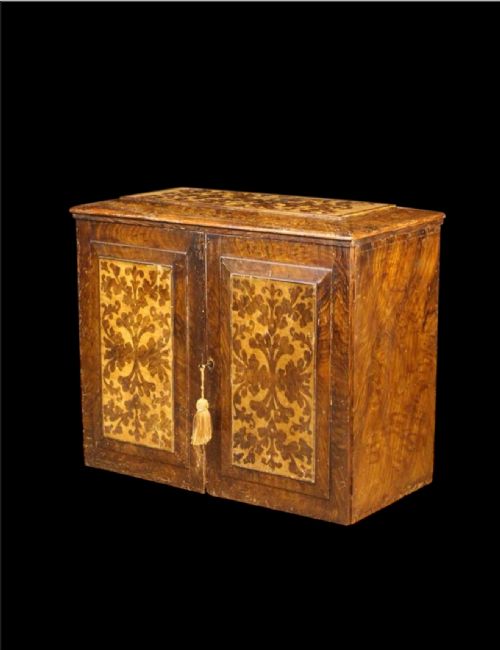
These small walnut collector cabinet examples are compact storage pieces designed for specimens and miniatures, offering refined timber grain and compartmentalised drawers.
Small Walnut Collector Cabinet
A small walnut collector cabinet brings together compact furniture forms and dedicated storage designed for specimens, miniatures or small artefacts. When you search for a small walnut collector cabinet, you encounter tabletop chests, Wellington chests, and miniature drawer units originating from the eighteenth, nineteenth, and early twentieth centuries.
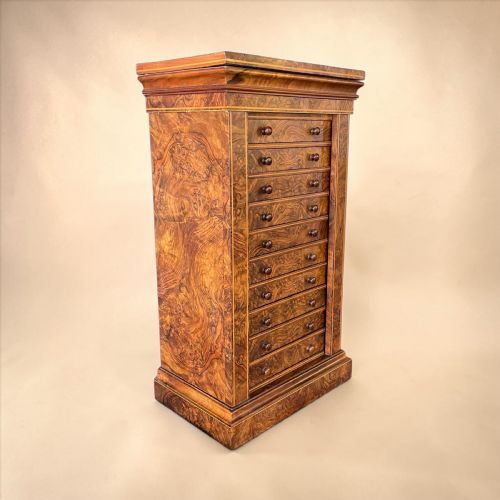
The dominant forms on this page include Victorian and Edwardian examples featuring multiple internal drawers enclosed by locking doors or stacking carcasses. Woods such as burr walnut, satin walnut, and plain walnut dominate the surfaces, occasionally accompanied by secondary timbers like mahogany or satin birch.
Makers and makers' workshops produced these pieces as specialised furniture for domestic studies, scientific pursuits, and gentlemanly pursuits. The selection ranges from tabletop display cabinets and specimen chests to campaign style storage units and apprentice pieces.
Factors that distinguish quality
The choice of timber figure dictates the initial visual impact, with highly figured burr walnut and matched veneers sitting at the upper end of the range. Plain walnut and satin walnut variations offer simpler domestic appearances while retaining functional integrity.
Internal execution, such as the precision of the drawer dividers, the presence of original brass hardware, and the survival of locking mechanisms, separates standard utility pieces from finely finished cabinet work. The balance of proportions across miniature chests and tabletop display cabinets also determines the refinement of the piece.
Small Walnut Collector Cabinet Retail Price Guide 2026
Typical asking prices for small walnut collector cabinet among the pieces listed under this phrase on Sellingantiques today, from the lower quarter to the upper quarter. They describe what is for sale here now, not the wider market.
Listings feature walnut, burr walnut, satin walnut, and mahogany across Victorian, Edwardian, and Georgian style periods.
The Small Walnut Collector Cabinet Glossary
- Burr walnut
- A veneer or timber taken from the warted growth on a walnut tree, prized for its swirling, highly figured grain patterns. It is frequently utilised on the primary display surfaces of Victorian cabinets.
- Wellington chest
- A tall, narrow chest of drawers secured by a hinged locking stile on one side that fastens with a key. This form is common among nineteenth-century walnut collector pieces.
- Specimen chest
- A set of shallow drawers designed to hold natural history specimens, geological samples, or small collectables. They protect delicate items within felt-lined or compartmentalised trays.
- Satin walnut
- A timber derived from the American sweetgum tree, displaying a warm tone and fine grain. It appears frequently in late nineteenth and early twentieth-century drawer units.
- Apprentice piece
- A small-scale item of furniture made by a craftsman to demonstrate skill and secure entry into a trade guild. These display the exact construction methods of full-sized furniture.
Small Walnut Collector Cabinet: Frequently Asked Questions
What were small walnut collector cabinets used for originally?
These cabinets housed natural history specimens, coins, medals, microscope slides, and miniature artefacts collected during the eighteenth and nineteenth centuries. The shallow drawers kept delicate items organised, sorted, and protected from dust and handling.
Over time, owners also utilised them for sewing accessories, documents, and private correspondence. Their compact proportions allowed them to sit comfortably on tabletops, desks, and sideboards within domestic studies.
How do I date a Victorian walnut cabinet?
Dating relies on examining construction methods, timber choices, and hardware styles across the piece. Victorian examples often feature hand-cut dovetails, brass escutcheons, and specific lock signatures typical of the mid to late nineteenth century.
Later pieces from the Edwardian era or around nineteen hundred introduce satin walnut timbers and slightly different interior configurations. Comparing the drawer linings and secondary woods provides further clues to the manufacturing decade.
Are all these cabinets solid walnut?
Many cabinets combine solid walnut framing with walnut veneer or burr walnut applied to primary surfaces. Secondary timbers like mahogany or satin birch frequently appear inside drawer linings and back panels.
Makers utilised veneers to showcase dramatic burr grain patterns that would be unstable or unavailable as solid planks. This method represents standard cabinet-making practice rather than a reduction in quality.
Can I use these cabinets for modern collections?
The shallow drawers and enclosed carcasses adapt readily to storing modern items like fountain pens, jewellery, coins, and small trinkets. The compartmentalised interiors keep small objects separated and secure.
Placing the cabinet out of direct sunlight preserves the walnut finish and veneer stability. Routine dusting and occasional wax application maintain the timber surface during everyday use.