

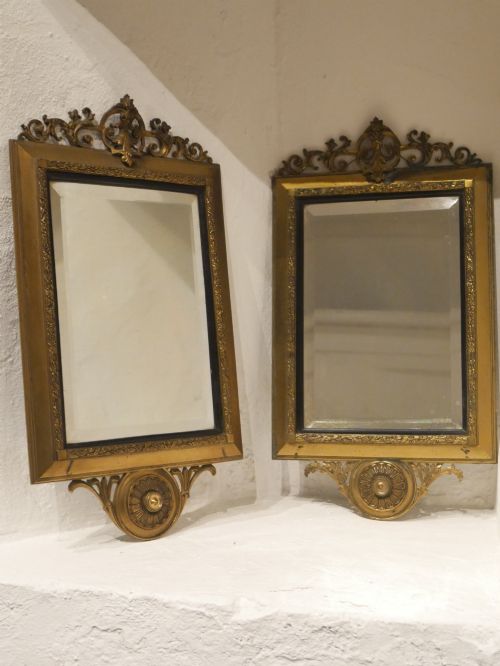
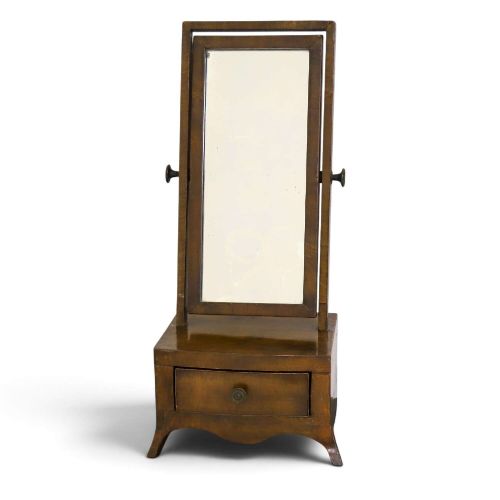
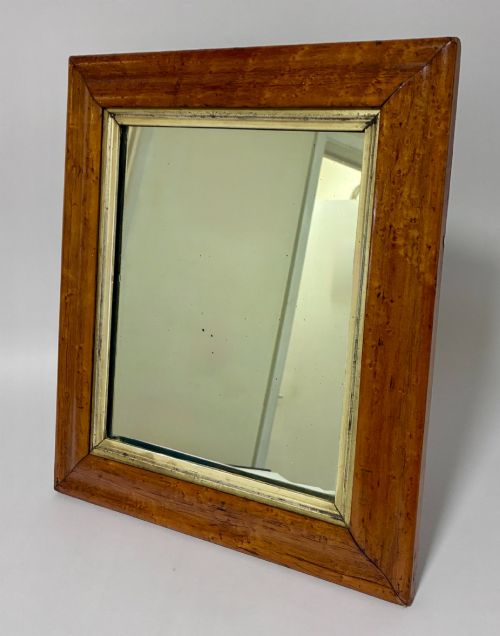
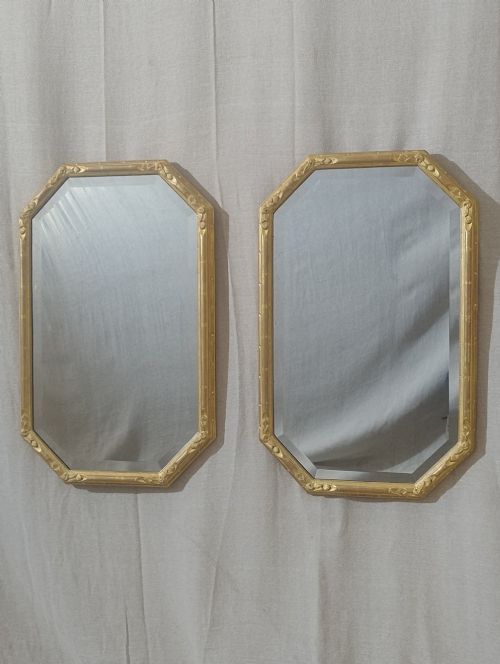
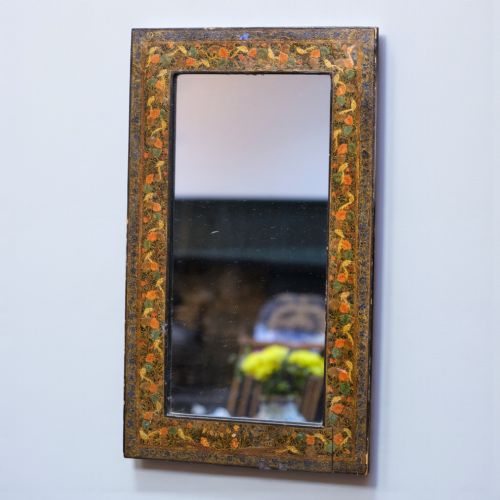
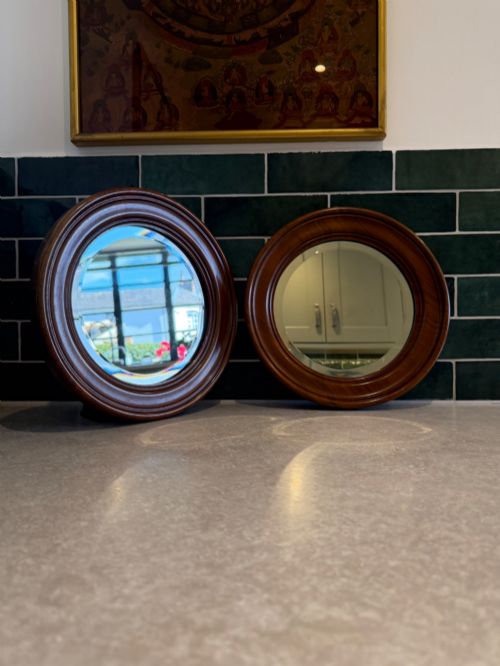
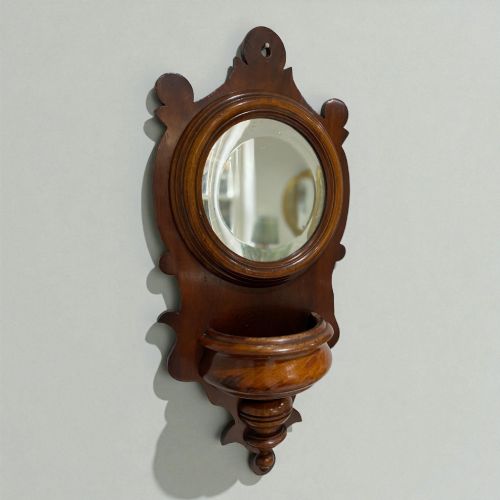
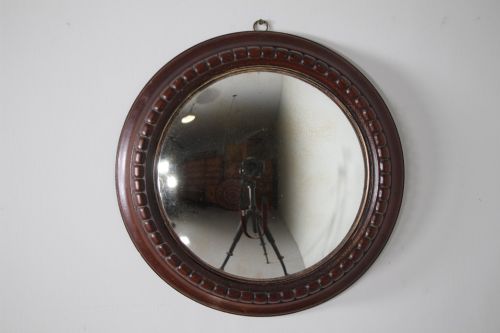
Small Vintage Mirror
A small vintage mirror brings intimate scale and historical character to a room, ranging from Georgian fretwork to Edwardian oak.
Small Vintage Mirror
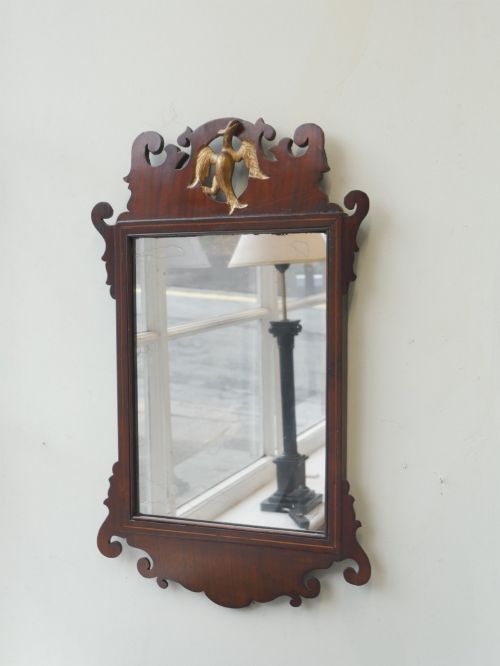
A small vintage mirror serves as a functional and decorative accent, appearing on this page in forms such as wall mirrors, dressing table mirrors, hand mirrors, and bracket mirrors. These pieces span centuries, encompassing Georgian, Regency, Victorian, Edwardian, and later twentieth-century periods.
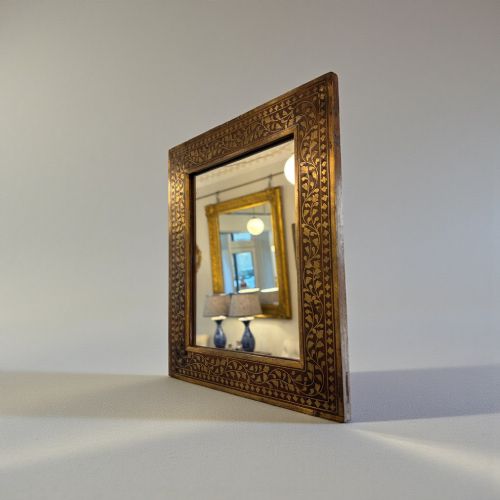
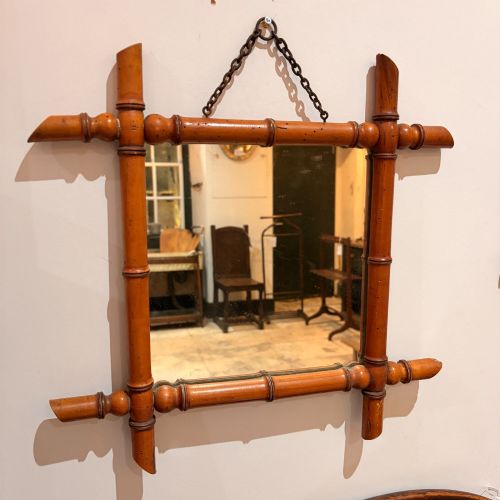
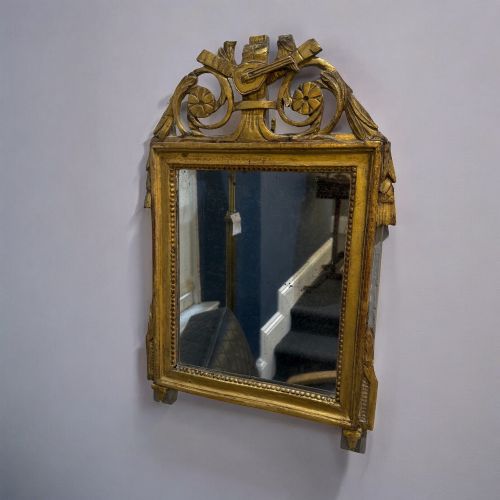
Buyers encounter a diverse selection of regional and stylistic origins, including French Louis Philippe and Rococo styles, Italian Florentine giltwood pieces, and Kashmiri brass inlaid designs. Forms vary from simple round walnut frames and faux bamboo to elaborate carved convex mirrors and architectural pier mirrors.
Materials and Construction
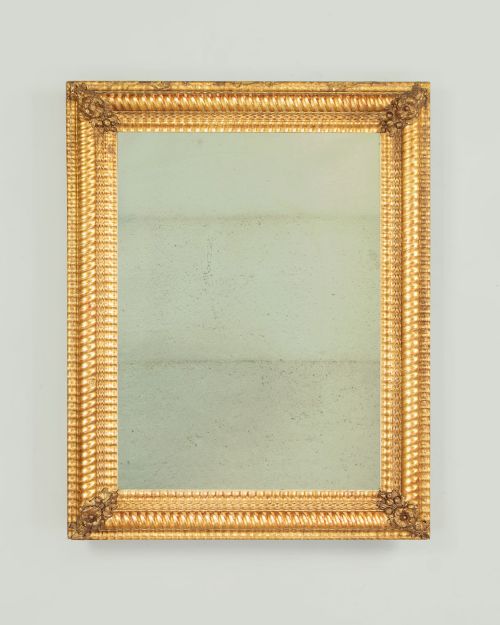
Frames rely heavily on traditional timbers like mahogany, walnut, oak, satinwood, and sycamore, often shaped into fretwork, bracket supports, or curved mouldings. Gilding techniques utilise gold leaf and gesso over wood substrates, creating luminous surfaces found in Regency and French giltwood pieces.
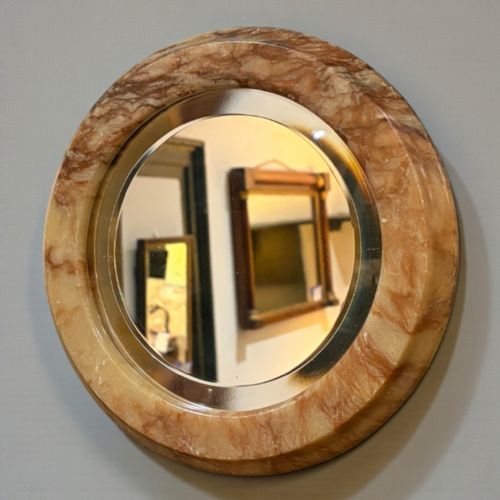
Metalwork plays a prominent structural and decorative role, featuring pressed brass, brass repoussé, and brass inlay. Alternative materials such as alabaster, velvet coverings, and faux bamboo introduce varied surface textures to table and wall variants.
Small Vintage Mirror Retail Price Guide 2026
Typical asking prices for small vintage mirror among the pieces listed under this phrase on Sellingantiques today, from the lower quarter to the upper quarter. They describe what is for sale here now, not the wider market.
Judging Quality
Quality rests in the crispness of the carving, whether hand-tooled on Italian giltwood and French Rococo frames or neatly turned on mahogany and walnut structures. The application of water gilding and gesso dictates the depth and durability of metallic finishes.
The integrity of the mirror plate itself distinguishes finer examples, where original mercury or foxed glass retains authentic age without crude modern replacements. Cabinetmaking joinery, such as dovetailed drawers on dressing mirror bases and secure backing construction, completes the assessment.
The Small Vintage Mirror Glossary
- Giltwood
- Wood carved and coated with gold leaf or metallic powder, commonly utilised on decorative frames from the eighteenth century onward.
- Gesso
- A plaster-like mixture applied to wood frames as a smooth base for subsequent gilding or painting.
- Convex mirror
- A round mirror with a curved, outward-bulging glass plate that reflects a wide, distorted field of vision, popular during the Regency period.
- Repoussé
- Metalworking technique where a design is hammered into relief from the reverse side, frequently seen on Edwardian brass dressing mirrors.
- Fretwork
- Ornamental woodwork pierced or cut into patterns using a fretsaw, characteristic of Georgian Chippendale-style mirrors.
- Pier mirror
- A tall, narrow mirror designed to hang on the wall space between windows.
Small Vintage Mirror: Frequently Asked Questions
Where should I hang a small mirror?
These compact pieces suit narrow wall spaces, hallways, or above small pieces of furniture like sideboards and console tables. Their scale allows them to fit snugly into alcoves or between windows.
They also function effectively as vanity or dressing table accessories, reflecting light into darker corners without dominating a room.
How do I date an antique mirror?
Dating relies on combining the timber species, framing style, and construction methods with the characteristics of the glass plate. Georgian and Regency pieces show distinct cabinetmaking techniques and frame profiles compared to later Victorian or Edwardian examples.
Examining the backboards, fixings, and any foxing on the mirror glass provides further clues to a piece's chronological origin.
Are these mirrors heavy?
Weight varies considerably depending on the materials used in the frame. Wooden frames in mahogany or oak have substantial weight, while giltwood and gesso pieces can be deceptively heavy due to the dense plaster layers.
Wall-hung variants require secure fixings suited to the specific weight of the wood, brass, or glass involved.
What is foxed glass?
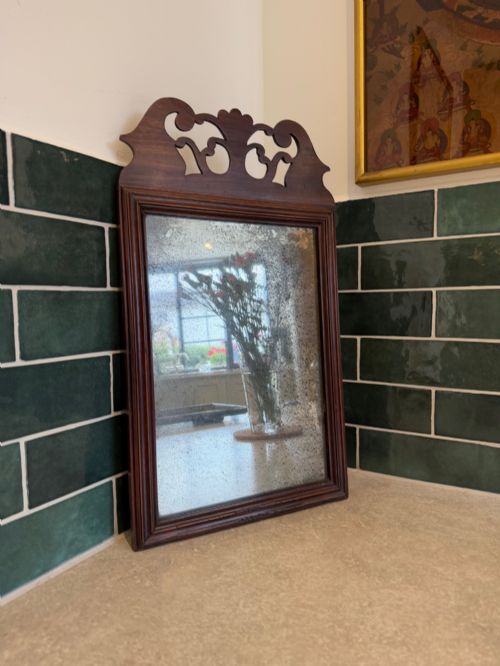
Foxed glass refers to mirror plates that have developed spots, discolouration, or speckled oxidation over time. This natural ageing process creates a misty, silvery patina across the reflective surface.
Many collectors value original foxed plates for the distinct historical atmosphere and authenticity they impart to vintage pieces.