




Small Trinket Tray
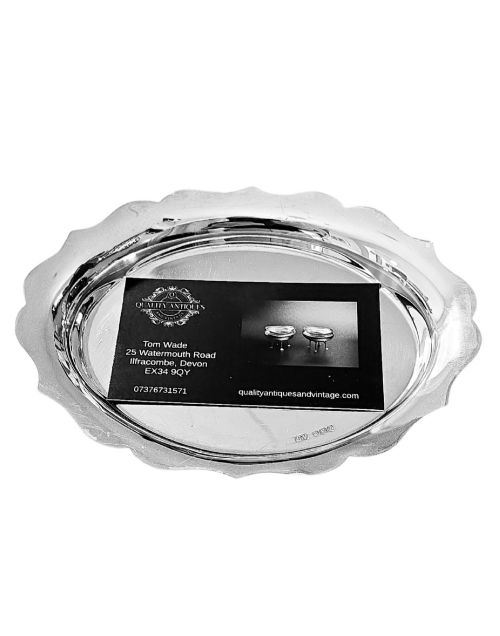
These small trinket tray selections span Georgian mahogany to mid-century Scandinavian modern, offering a refined resting place for daily accessories.
Small Trinket Tray
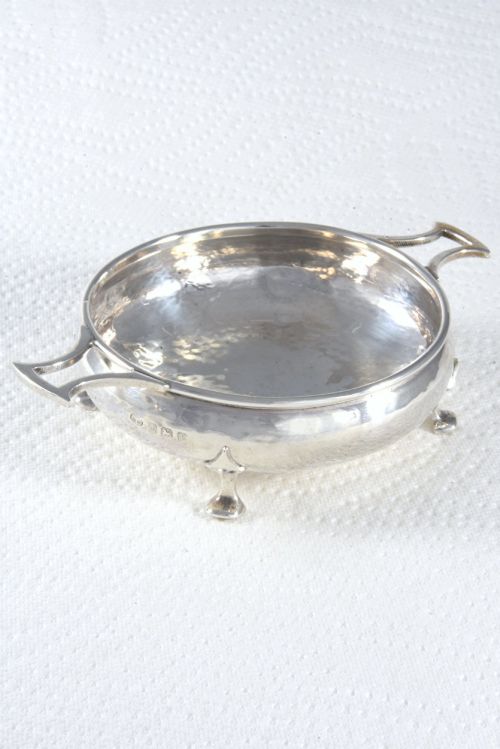
When you search for a small trinket tray, you encounter an array of functional vessels designed to hold pins, cards, and pocket items. These objects appear in forms such as bonbon dishes, card trays, pin trays, and decorative dishes.
Geographic origins and stylistic influences stretch from Birmingham workshops to Norwegian studios and Georgian cabinet makers. Each piece reflects the domestic habits and decorative preferences of its specific period.
How they were made
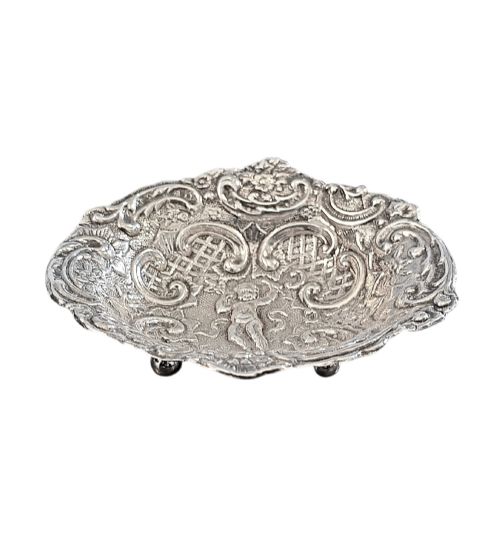
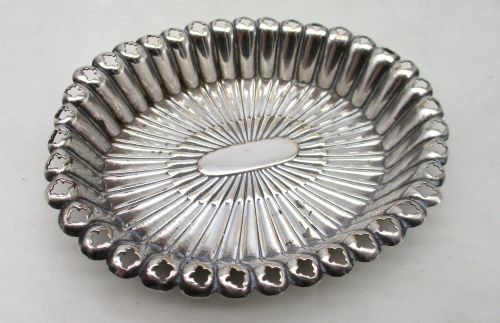
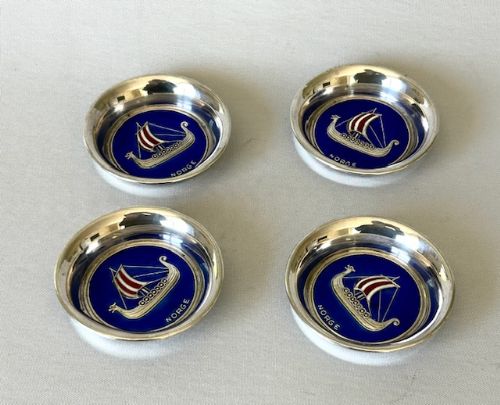
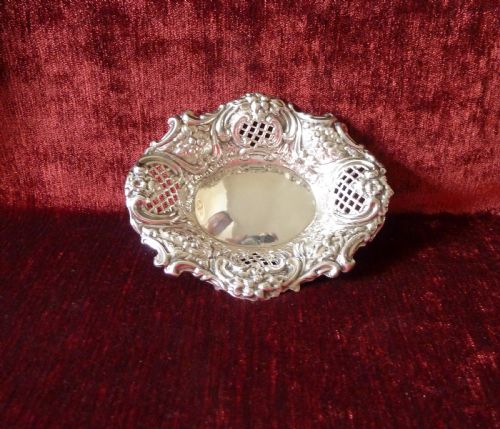
Silversmiths utilised sterling silver and Old Sheffield plate, often employing techniques such as piercing, repoussé work, and crisp hallmarking. Cut glass and enamel were integrated into silver mounts to add texture and colour to pin and trinket dishes.
Cabinet makers constructed card trays from mahogany, relying on fine timber grain and polished surfaces rather than metalwork. Birmingham and Scandinavian workshops applied traditional metal-forming and enamelling methods to achieve durable, decorative finishes.
Small Trinket Tray Retail Price Guide 2026
Typical asking prices for small trinket tray among the pieces listed under this phrase on Sellingantiques today, from the lower quarter to the upper quarter. They describe what is for sale here now, not the wider market.
Cherubs peer out from nineteenth-century silver dish rims, reminding us that even a humble pin tray once required a touch of celestial drama.
What varies in quality
The distinction between ordinary and exceptional examples rests upon the crispness of the chasing, the weight of the metal, and the integrity of the maker marks. Sterling silver pieces with clear, complete hallmarks command greater regard than unmarked or heavily worn alternatives.
In composite pieces involving cut glass or enamel, quality lies in the precision of the fit between materials and the preservation of the enamel surface. Wooden card trays depend upon the selection of timber and the subtlety of the edge moulding.
William Aitken·Emile Viner
The Small Trinket Tray Glossary
- Sterling silver
- A silver alloy containing 92.5 percent pure silver by mass, standard for quality British tableware and small wares. It provides durability alongside a bright metallic lustre.
- Old Sheffield plate
- A composite material made by fusing a layer of silver to a copper base, dominant before electroplating became common. It shows subtle hints of copper where the silver layer thins through age.
- Hallmark
- An official stamp applied to precious metals indicating purity, maker, and assay office. Full hallmarks allow precise dating of Victorian and Edwardian items.
- Card tray
- A small shallow vessel historically used in hallways for visitors to leave calling cards. They translate easily into modern domestic settings for holding keys and pocket items.
- Repoussé
- A metalworking technique where the artisan hammers the design from the reverse side to form raised ornamentation. It creates tactile surface relief on bonbon and trinket dishes.
Small Trinket Tray: Frequently Asked Questions
What were small trinket trays used for?
These small vessels served various domestic functions, from holding calling cards in the hallway to containing pins, bonbons, and dressing table accessories. Gentlemen and ladies relied on them to keep small daily items organised.
Over time, their uses adapted to contemporary needs while retaining their original decorative and utilitarian character on household surfaces.
How do I style a trinket tray at home?
Place a silver or mahogany tray on a hallway console to collect pocket change and keys, or position a cut glass dish on a dressing table for rings. Mixing periods adds depth to interior displays.
Keep the surrounding space uncluttered so the material and form of the tray remain the focal point of the arrangement.
How can I tell the period of a silver tray?
Examine the base or rim for assay office marks and date letters, which provide exact years of manufacture for British silver. Stylistic indicators like Edwardian rococo revival or mid-century clean lines also point to specific eras.
Comparing construction methods and weight helps distinguish eighteenth-century Old Sheffield plate from later electroplated or solid silver alternatives.
What is the difference between Old Sheffield plate and sterling silver?
Sterling silver consists of solid alloy throughout, maintaining its composition right through to the reverse. Old Sheffield plate uses a fused layer of silver over a copper core.
This fusion technique creates distinct visual characteristics over generations of use, particularly where the underlying copper shows through the wear.