



Small Timber Chest
A small timber chest offers compact storage with traditional character, appearing here in woods like mahogany, oak, and pine across multiple centuries.
Small Timber Chest
A small timber chest provides versatile storage in a compact footprint, ranging from early coffer forms to later bedside cabinets and drawers. Buyers searching for a small timber chest encounter diverse historical iterations designed for domestic utility.
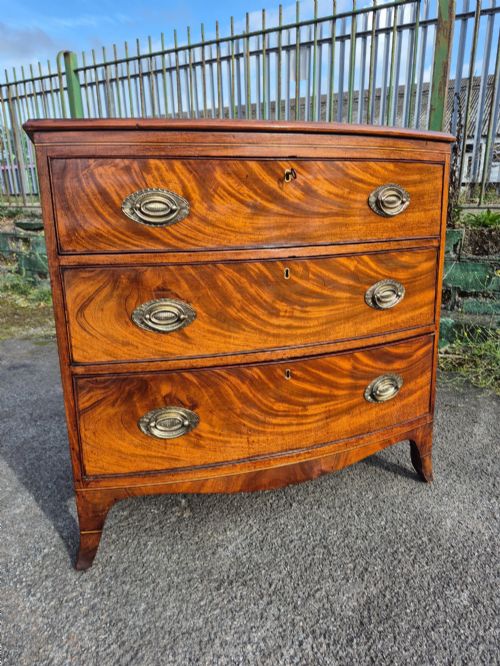
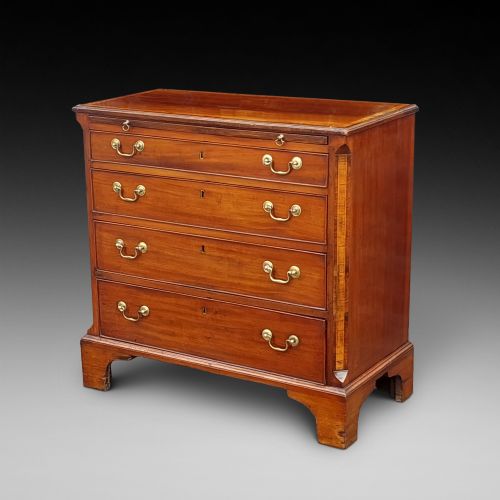
The selections span distinct eras from the sixteenth century to the twentieth, incorporating styles such as Georgian, Victorian, Regency, and Arts and Crafts. Pieces include bow-fronted chests, bachelors chests, strong boxes, and painted commodes.
Origins vary across English, French, Swedish, and Flemish traditions, reflecting regional preferences in joinery and finish. Each item serves a practical function while displaying period-specific craftsmanship.
How they were made
Construction relies heavily on hardwoods and softwoods such as mahogany, oak, walnut, ash, and pine, often finished with wax or paint. Joinery techniques connect panels and drawers to withstand daily use over centuries.
Metal fittings such as brass handles, hinges, and ironmongery provide structural reinforcement and functional operation. Painted surfaces and decorative wood grains add visual texture to the primary timber structures.
Small Timber Chest Retail Price Guide 2026
Typical asking prices for small timber chest among the pieces listed under this phrase on Sellingantiques today, from the lower quarter to the upper quarter. They describe what is for sale here now, not the wider market.
Bread safes and ironmongers' drawers sneak into the inventory, proving past trades required tiny storage too.
What varies in quality
The standard of timber selection and original surface patination separates basic utility pieces from finer examples. Superior specimens retain their original brassware, undisturbed finishes, and precise drawer alignment.
The sophistication of the joinery and decorative carving dictates the level of craftsmanship evident in each piece. Earlier examples display hand-cut joints and specialised regional detailing that influence desirability.
The Small Timber Chest Glossary
- Coffer
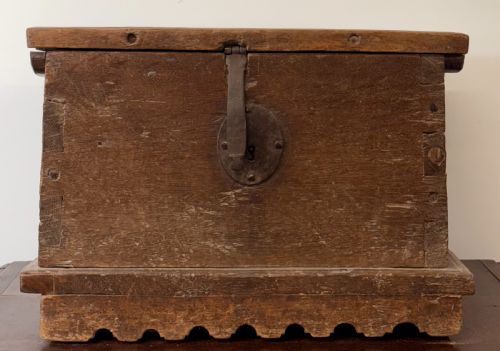
- A heavy wooden chest traditionally used for storing valuables or household goods. These early forms often feature robust oak construction and simple hinged lids.
- Bachelors chest
- A compact chest of drawers featuring a fold-over top or slide surface intended for personal correspondence or dressing. These pieces date predominantly from the Georgian period.
- Commode
- A low cabinet or chest of drawers of French origin. They frequently incorporate decorative painted finishes or veneered surfaces.
- Wellington chest
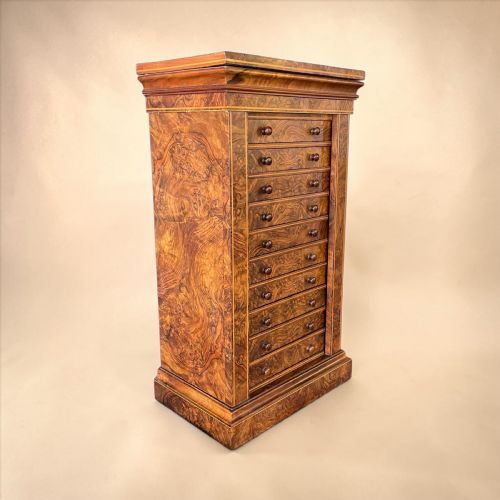
- A tall, narrow chest of drawers secured by a locking side stile that fastens all drawers simultaneously. This Victorian form maximises vertical storage space.
- Campaign
- Portable furniture designed for military officers on the move, characterised by brass corners and recessed handles. These pieces utilise durable timbers like camphor wood.
Small Timber Chest: Frequently Asked Questions
What is a small timber chest used for?
These compact pieces function well as bedside tables, hallway storage, or secondary drawer units in smaller rooms. Their enclosed compartments keep personal items organised while adding period character to an interior.
They also serve as display surfaces for lamps, books, or decorative objects. The varied internal configurations accommodate clothing, documents, or specialised collections.
How do I date a timber chest?
Dating relies on observing construction methods, timber types, and hardware styles characteristic of specific periods. Joinery marks and tool traces offer clues regarding the decade of manufacture.
Secondary woods used in drawer linings and back panels also help determine the geographic origin and era. Comparing the decorative motifs to known historical styles confirms the timeline.
Are painted wooden chests original?
Many European pieces, particularly from Swedish and French traditions, feature original decorative paint or folk art finishes. These coatings were applied during the period of manufacture to enhance domestic interiors.
Over time, surface wear and craquelure develop naturally on authentic painted examples. Examining the paint layers helps distinguish original decoration from later additions.
How do I care for antique timber?
Maintain antique wood by keeping pieces away from direct heat sources and fluctuating humidity levels. Applying traditional beeswax periodically nourishes the grain and preserves the surface sheen.
Avoid synthetic cleaning sprays that can damage historic finishes. Gentle dusting with a dry cloth prevents dirt accumulation without harming the patina.