




Small Tall Clock
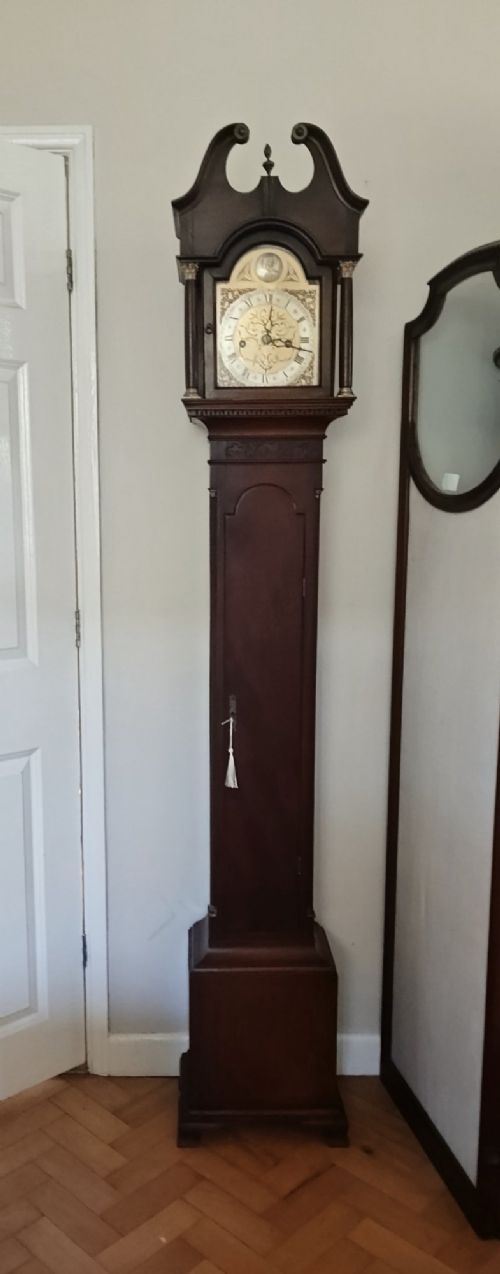
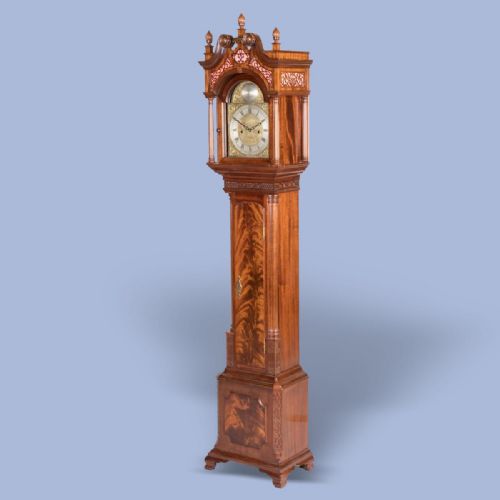
A small tall clock delivers the presence of a full-sized longcase within restricted floor space, bringing traditional timekeeping into compact rooms.
Small Tall Clock
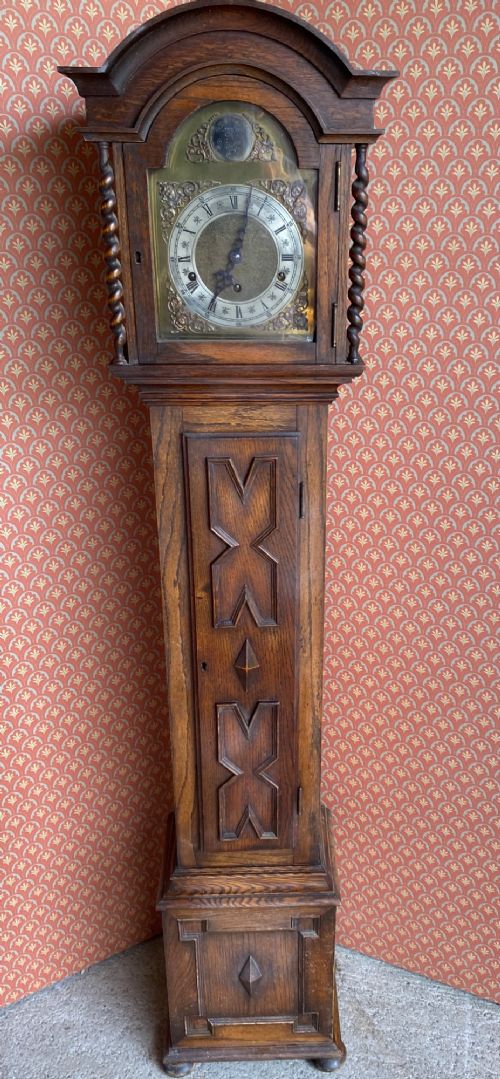
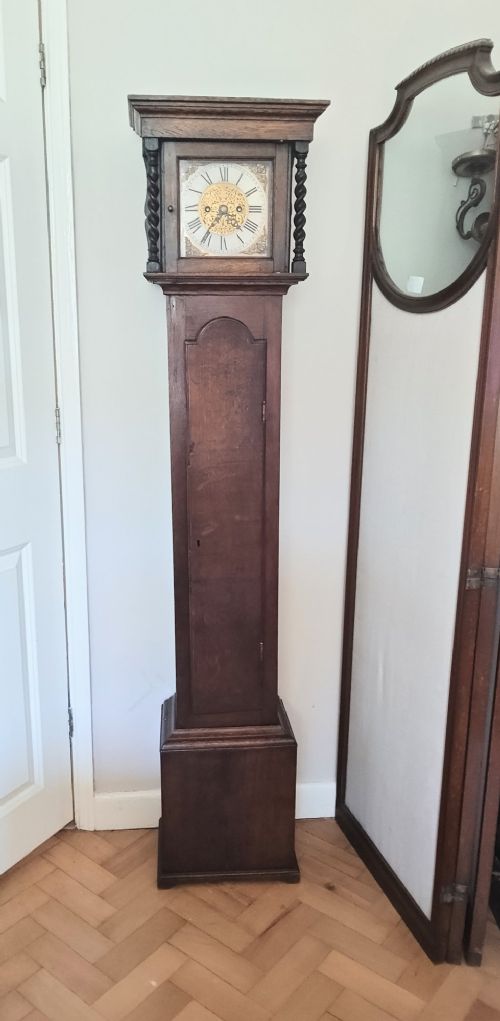
A small tall clock encompasses longcase clocks, grandfather clocks, and grandmother clocks built in reduced proportions for lower ceilings and narrower hallways. When you search for this phrase, you find compact vertical timepieces designed to retain the weight-driven accuracy of their taller counterparts without dominating a domestic interior.
The version you are most likely to meet on this page is the oak or mahogany example from the Georgian and Edwardian periods, standing in proportions that range from miniature table-height models to slender floor-standing clocks under standard ceiling heights.
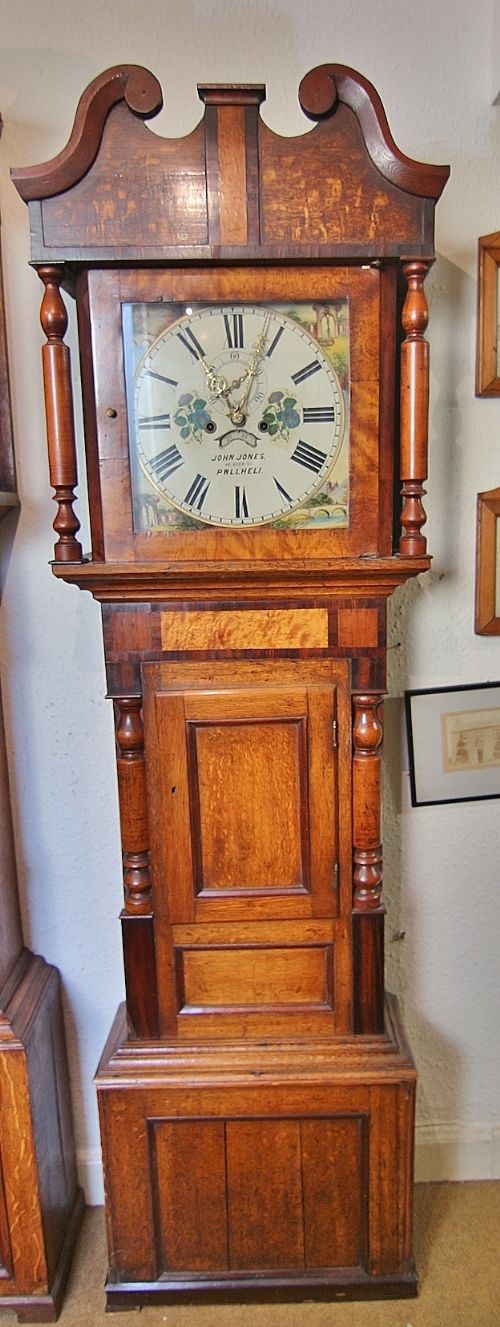
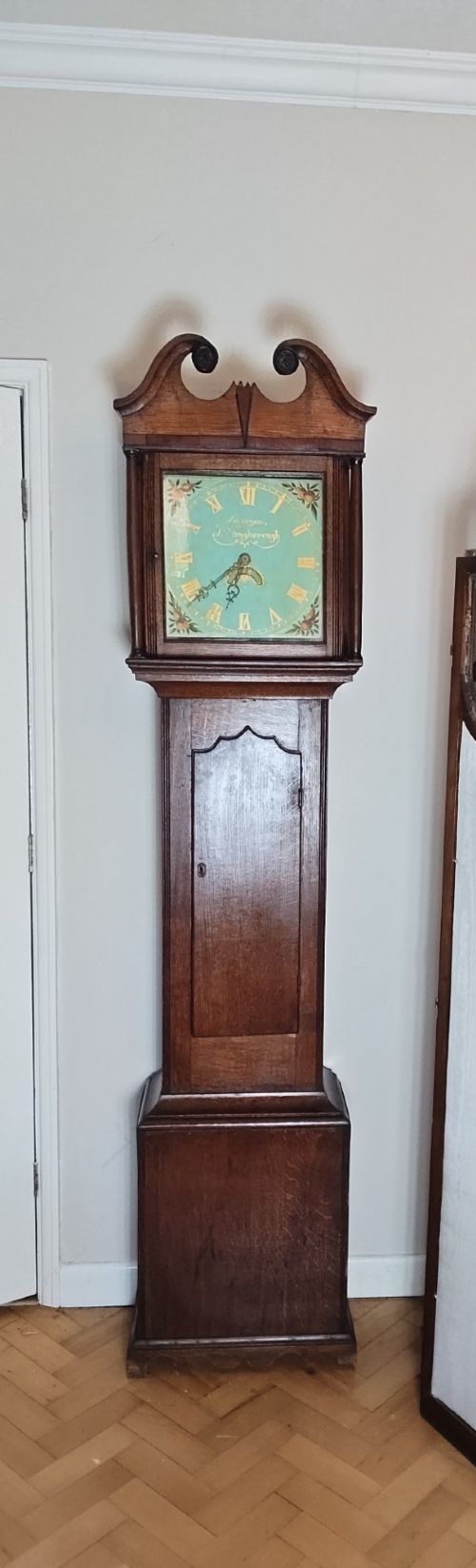
Makers adapted the traditional longcase design across the seventeenth, eighteenth, nineteenth, and early twentieth centuries, resulting in regional variations from provincial workshops as well as retailers in London.
Materials and construction
Cases are constructed predominantly from hardwoods such as oak and mahogany, occasionally augmented with walnut, ebonised wood, or pine, and decorated with marquetry inlay or painted surfaces. Cabinetmakers joined these timbers to house the delicate brass gear trains and glass-fronted dial doors securely.
Movements rely on brass components driven by weights or springs, sometimes configured for eight-day operation or chiming sequences, housed within tall wooden trunks designed to protect the pendulum from air currents.
Small Tall Clock Retail Price Guide 2026
Typical asking prices for small tall clock among the pieces listed under this phrase on Sellingantiques today, from the lower quarter to the upper quarter. They describe what is for sale here now, not the wider market.
Some provincial makers painted ducks onto clock dials, ensuring owners could check the time while admiring local wildlife.
Distinctions in craftsmanship
The upper tier of the range is distinguished by the crispness of timber selection, such as figured mahogany or detailed marquetry, paired with sophisticated movements by named makers that maintain consistent timekeeping over extended periods. Finer examples display meticulous proportioning where the hood, trunk, and base harmonize in scale.
Simpler pieces demonstrate more utilitarian construction in regional oak or pine, where the cabinetry serves primarily as a functional housing for the movement rather than a showcase for decorative cabinetwork.
Nathaniel Pyne·Harrods·Dent of London·Herbert of Haversham·John Welsh·Hampston Prince & Cattles
The Small Tall Clock Glossary
- Grandmother clock
- A smaller version of the traditional grandfather clock, typically standing under six feet tall and popular during the Edwardian period. These smaller proportions allowed them to fit into modern domestic spaces without requiring high ceilings.
- Longcase clock
- A tall, weight-driven pendulum clock enclosed in a wooden case consisting of a base, trunk, and hood. Also known as a grandfather clock, the design protects the swinging pendulum from drafts.
- Marquetry inlay
- The art of applying pieces of veneer to a structure to form decorative patterns or pictures. This technique added ornamental value to seventeenth and nineteenth-century clock cases.
- Fusee
- A conical pulley used in spring-driven clocks to equalize the diminishing power of the mainspring as it unwinds. This mechanism ensures more consistent timekeeping throughout the running cycle.
Small Tall Clock: Frequently Asked Questions
What is a small tall clock?
A small tall clock is a vertical floor-standing timekeeper built in reduced dimensions, combining the traditional weights and pendulum of a grandfather clock with a more compact footprint.
These pieces were produced across multiple centuries to accommodate rooms with lower ceilings or narrower spaces where standard longcase clocks would look out of scale.
How do I tell a grandmother clock from a grandfather clock?
Grandmother clocks are physically shorter than traditional grandfather clocks, usually standing under six feet in height while retaining similar dial and movement configurations.
Grandfather clocks occupy the full traditional height range, whereas grandmother clocks and miniature longcase clocks were built in smaller proportions for tighter domestic settings.
Where should I place a small tall clock?
Small tall clocks suit hallways, landings, or reception rooms where vertical wall space is available but floor area is limited. Their slender proportions allow them to sit flush against walls without obstructing movement.
Keep them away from direct sunlight, exterior doors with heavy drafts, and damp walls to protect the wooden case and ensure the internal movement stays clean.
How do I read periods like Georgian or Edwardian?
Period designations refer to the reigning monarchs or eras during which the pieces were made, influencing the prevailing styles of cabinetmaking and dial decoration. Georgian clocks date from the eighteenth and early nineteenth centuries, whilst Edwardian pieces emerge around nineteen hundred.
Regional variations often blend these stylistic markers, making timber choice and construction techniques vital clues for dating an individual piece accurately.