

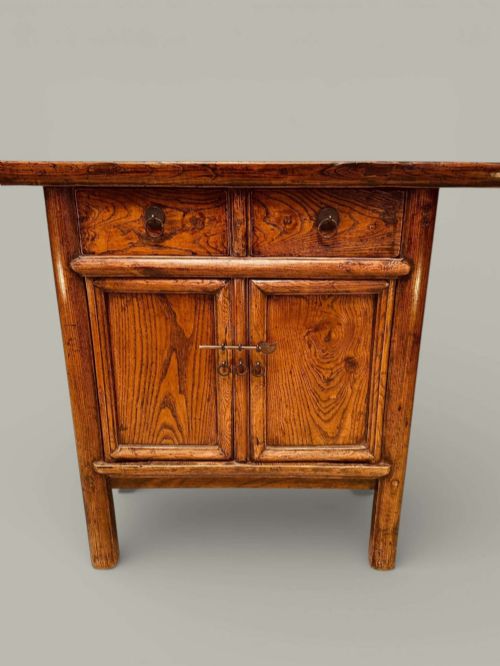
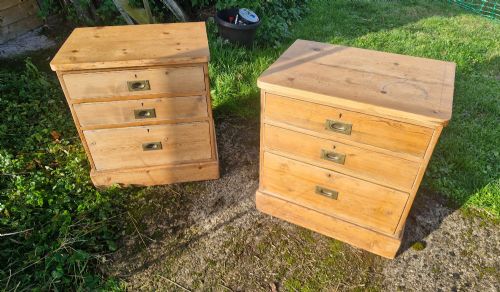
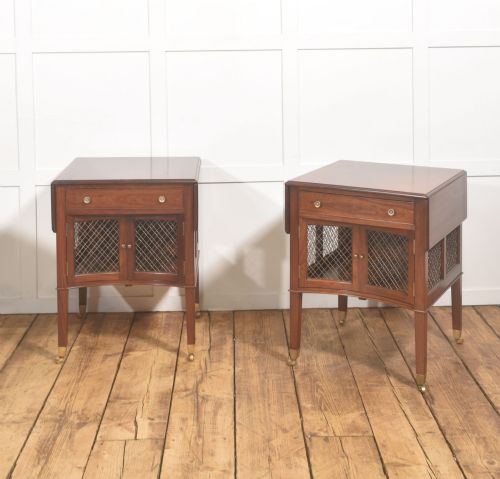

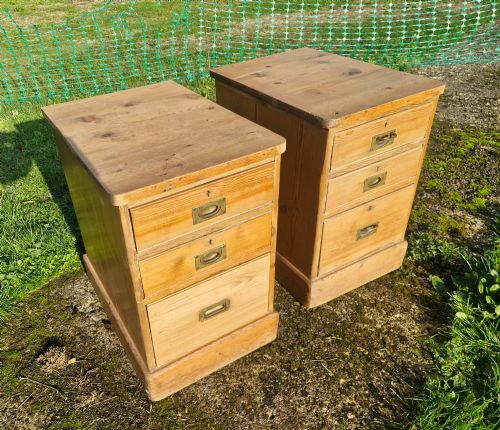

Small Table Cupboard
A small table cupboard brings practical enclosed storage to a corner without dominating the room.
Small Table Cupboard
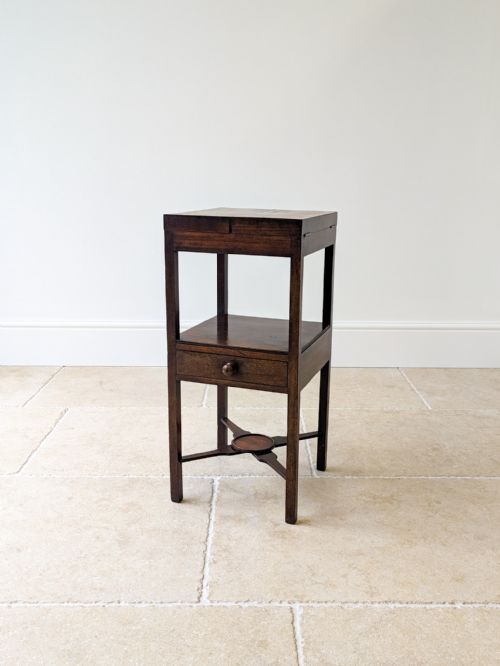
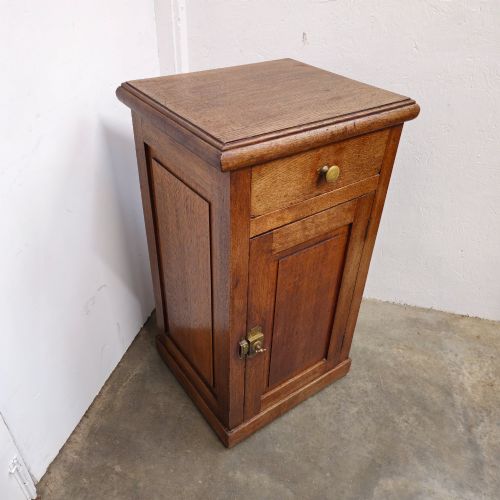
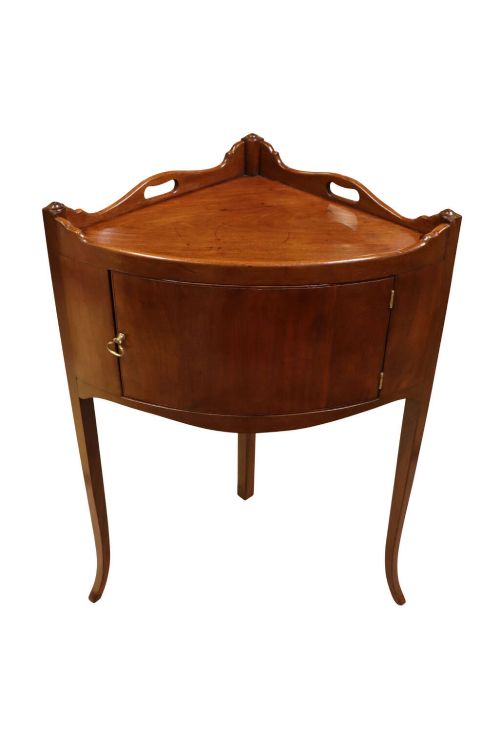
A small table cupboard serves multiple domestic purposes, appearing across historical listings as bedside cabinets, night lockers, pot cupboards, and compact side tables. These pieces combine a surface top with an enclosed compartment or small drawers below, designed to hold personal items while fitting into tight spaces.
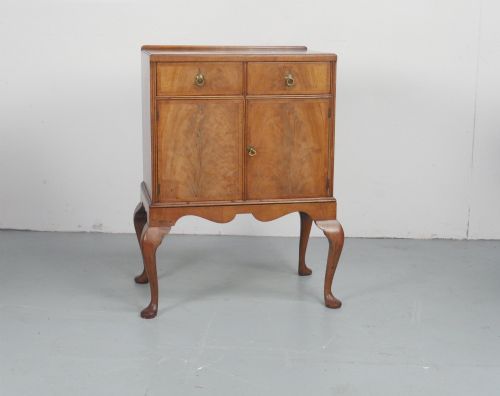
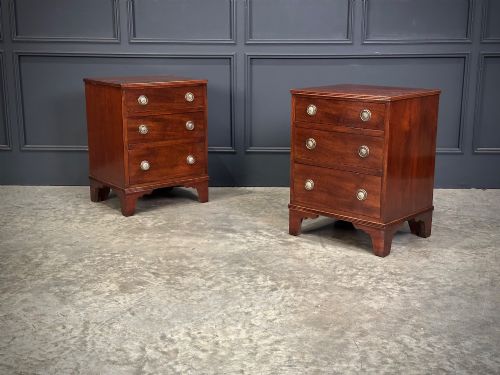
The most common examples encountered on this page date from the Victorian and Edwardian eras, constructed primarily in mahogany, walnut, and oak. Formats range from simple bedside chests of drawers to more decorative cupboards featuring inlaid woodwork and cabriole legs.
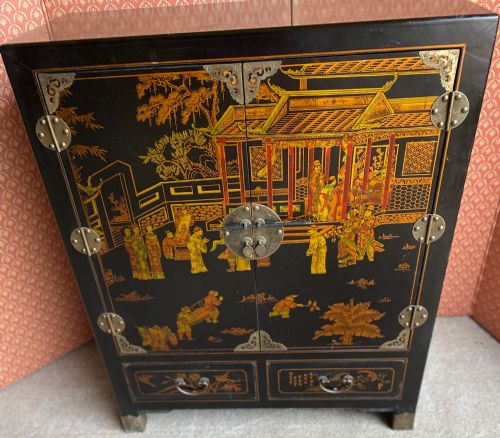
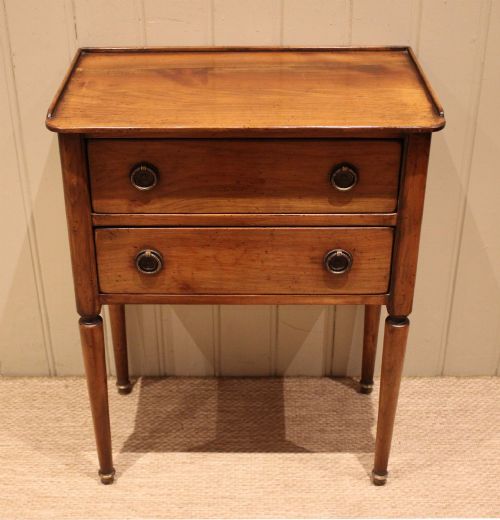
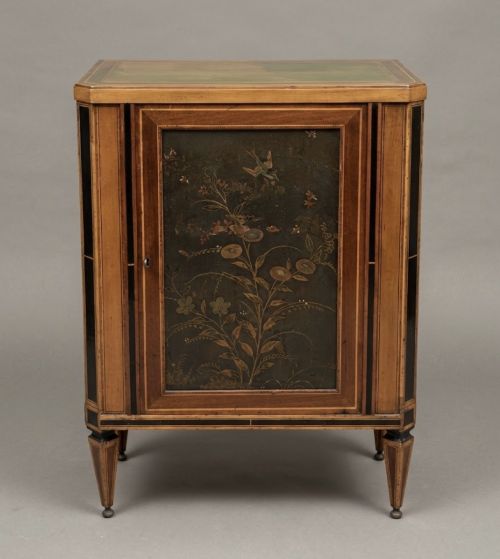
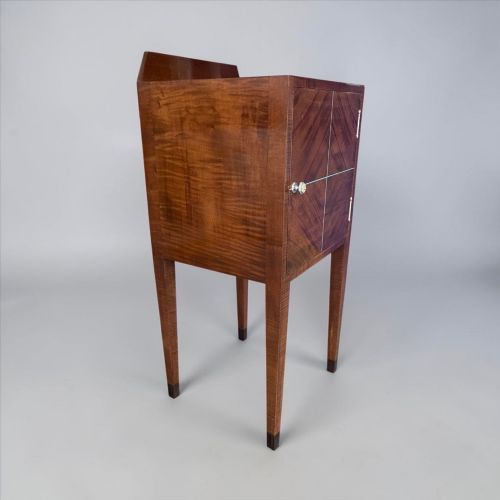
Earlier pieces from the Georgian and eighteenth-century periods display finer proportions and timber selections, such as yew wood or flame mahogany veneer. Buyers also encounter twentieth-century interpretations, including Art Deco designs in satin birch or walnut, and decorative Chinoiserie painted finishes.
Materials and construction methods
Cabinet makers relied heavily on hardwoods like mahogany, oak, and walnut, often applying burr walnut or flame mahogany veneers to create striking surface patterns. Secondary timbers such as pine or deal commonly formed internal drawer linings and backboards.
Construction techniques visible across the listings include dovetail joints on drawers and frame-and-panel assemblies for cabinet doors. Surfaces frequently feature brass handles, decorative inlay work, or hand-painted Chinoiserie decoration applied over prepared wood.
Small Table Cupboard Retail Price Guide 2026
Typical asking prices for small table cupboard among the pieces listed under this phrase on Sellingantiques today, from the lower quarter to the upper quarter. They describe what is for sale here now, not the wider market.
Several Victorian night lockers were built with discreet interior compartments specifically designed to hide chamber pots from polite morning view.
Judging quality and craftsmanship
Quality in a small table cupboard reveals itself in the selection and matching of timber veneers across visible surfaces, alongside the neatness of internal joints such as hand-cut dovetails. Superior examples maintain crisp carving on details like cabriole legs or panel mouldings rather than soft, rounded profiling.
The integration of hardware and secondary woods also separates standard production from finer cabinet work. Original brass fittings, solid timber drawer bases, and smooth drawer operation indicate thoughtful construction by skilled makers.
Maple & Co
The Small Table Cupboard Glossary
- Pot cupboard
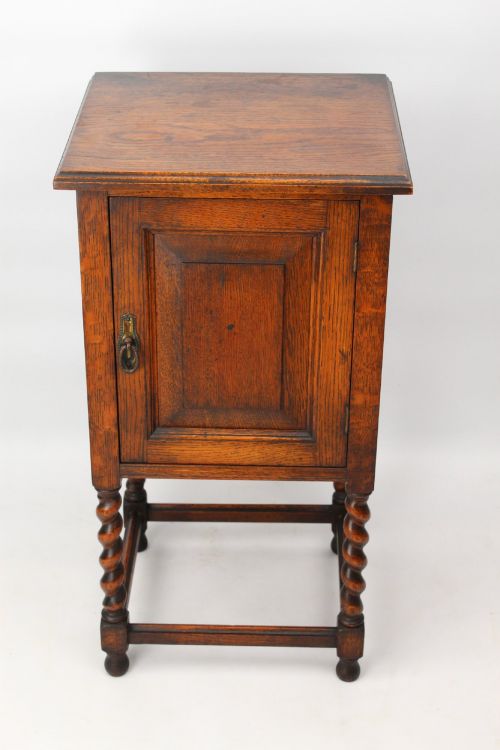
- A small bedside cabinet originally designed to house a chamber pot. These pieces usually feature a single door enclosing a small shelf space.
- Night locker
- An alternative nineteenth-century term for a bedside cabinet or small cupboard. They provided secure bedside storage for valuables and personal items before fitted bedroom furniture became common.
- Burr walnut
- A prized timber harvested from walnut tree growths that produces intricate, swirling grain patterns. Cabinet makers typically applied it as a veneer to the front doors and top surfaces of high-status furniture.
- Chinoiserie
- European decorative style imitating Chinese artistic traditions. Pieces featuring this finish display painted or lacquered motifs, often executed in gold or colours upon a dark or cream background.
- Cabriole leg
- A furniture leg that curves outward in a convex arc before tapering inward in a concave sweep. This style often terminates in pad or claw feet on Georgian and revival pieces.
Small Table Cupboard: Frequently Asked Questions
What is a small table cupboard used for today?
These compact pieces function primarily as bedside tables, lamp stands, or small storage units in hallways and sitting rooms. The enclosed cupboard space keeps clutter hidden while the surface holds lighting or decorative objects.
Their small footprint allows them to fit easily beside armchairs or beds where standard furniture proves too large.
How do I date a Victorian bedside cabinet?
Dating relies on observing timber choices, construction methods, and stylistic revival cues. Victorian pieces often use solid mahogany or walnut with machine-sawn internal elements appearing toward the end of the nineteenth century.
Design motifs such as heavy paneling, turned legs, or applied burr veneers help narrow the period of manufacture alongside any maker marks.
Are antique cupboards suitable for modern bedrooms?
Their modest scale makes them ideal companions for modern interiors, offering character and practical storage without overwhelming contemporary room layouts. They mix well with various decorating styles, from minimalist spaces to eclectic rooms.
Buyers often use them to introduce warmth and natural wood textures into neutral schemes.