

Small Standing Open Shelves
Small standing open shelves offer accessible display and storage, bringing compact architectural character into a room through varied period woods.

Small Standing Open Shelves
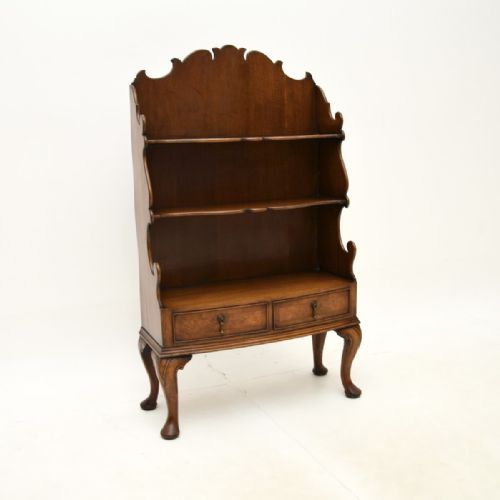
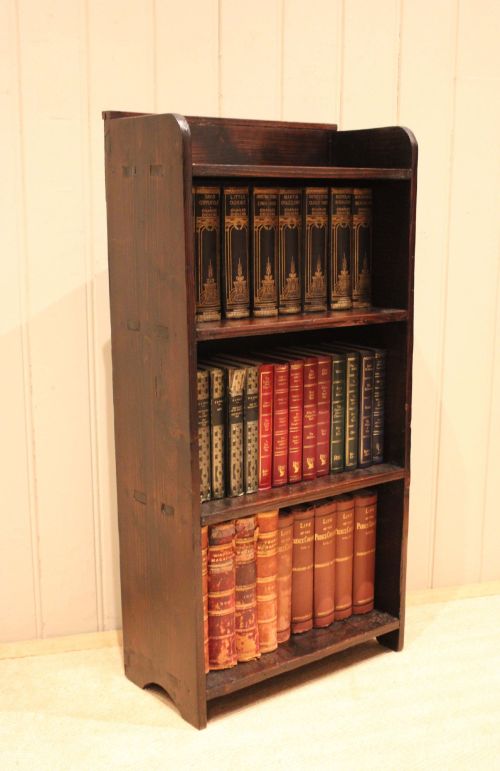
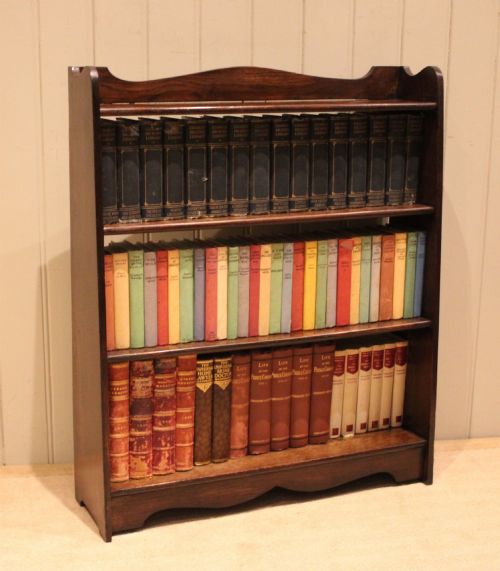
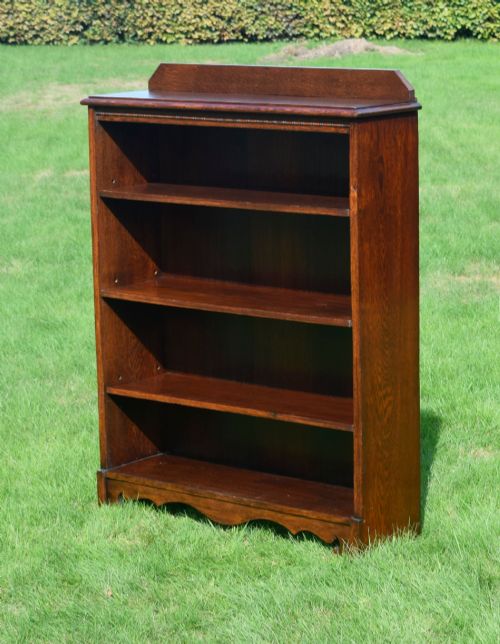
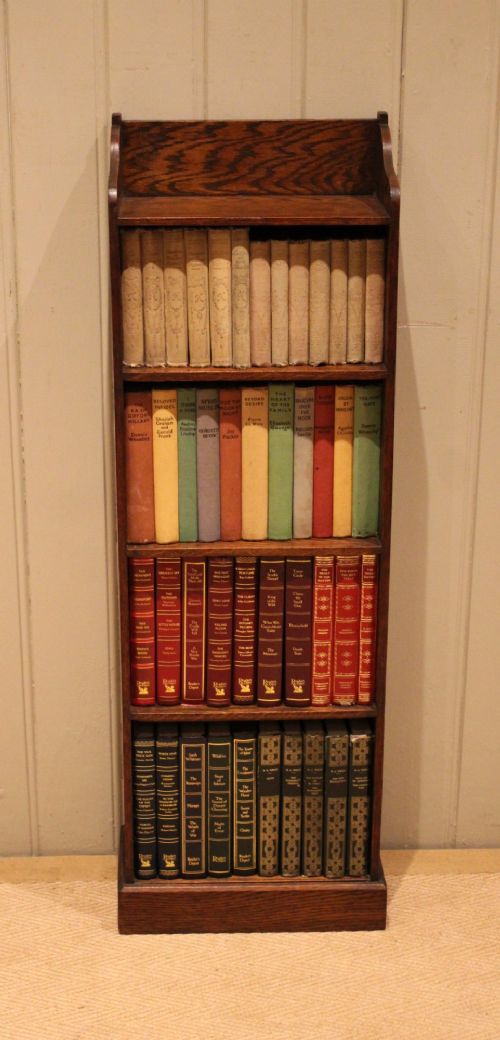
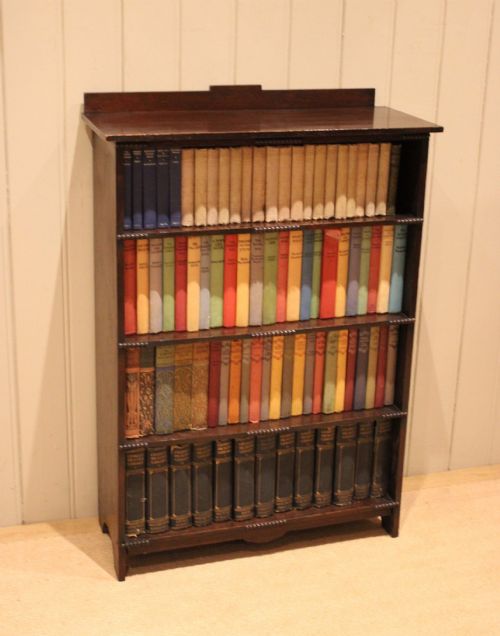
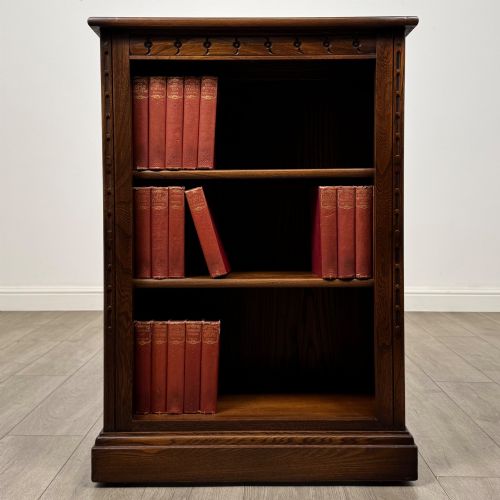
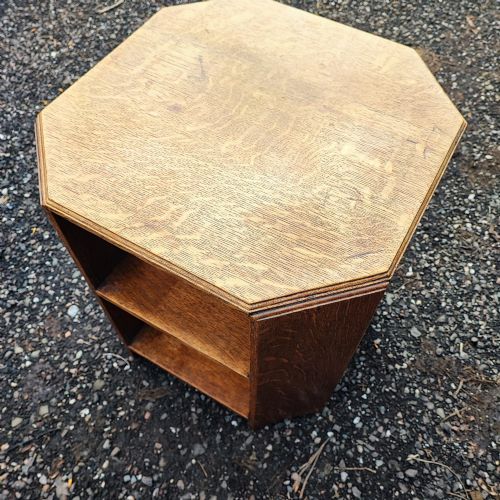
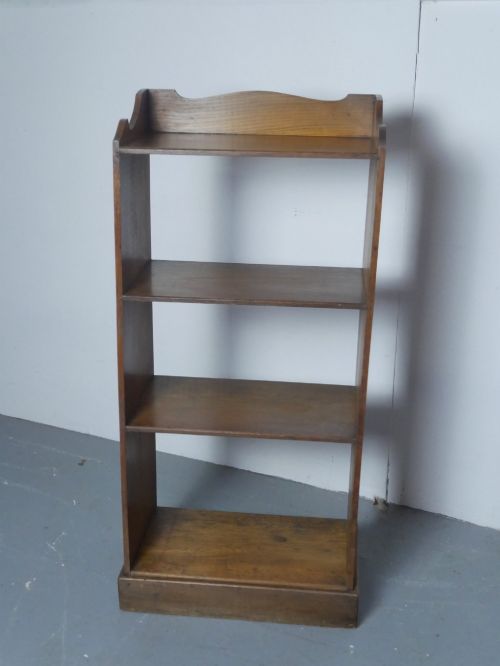
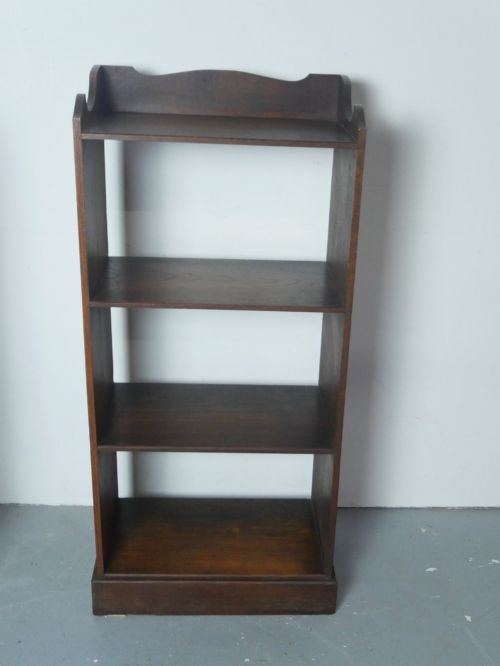
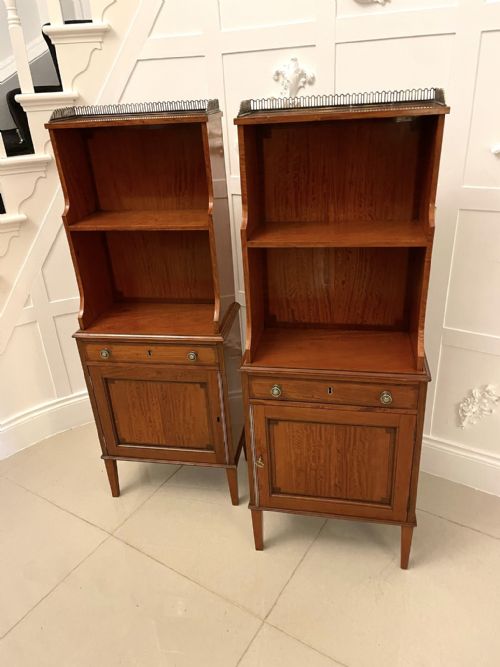
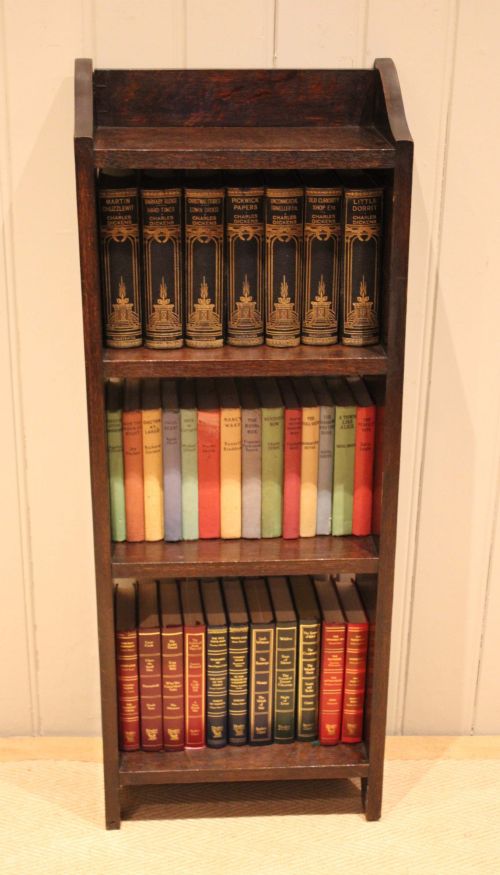
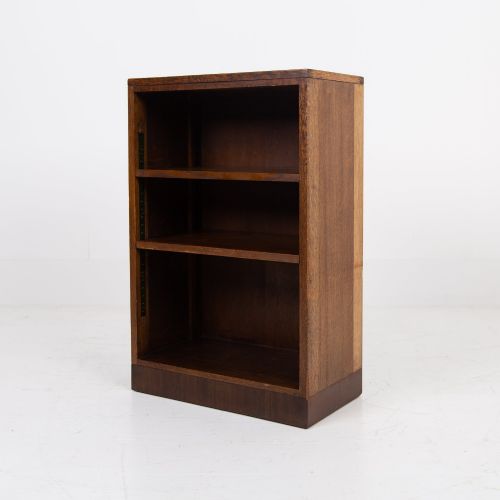
Small standing open shelves comprise bookcases, whatnots, etageres, and book troughs designed to stand on the floor without enclosed doors.
Oak and mahogany versions dominate the selections, spanning the Georgian, Victorian, Edwardian, and early twentieth-century periods.
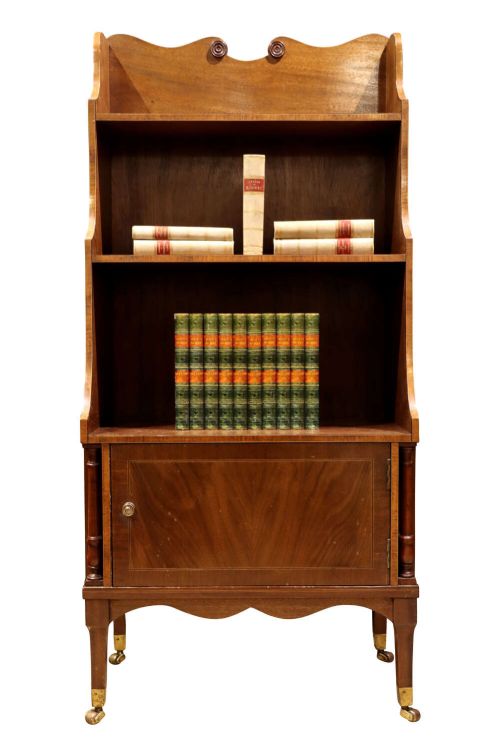
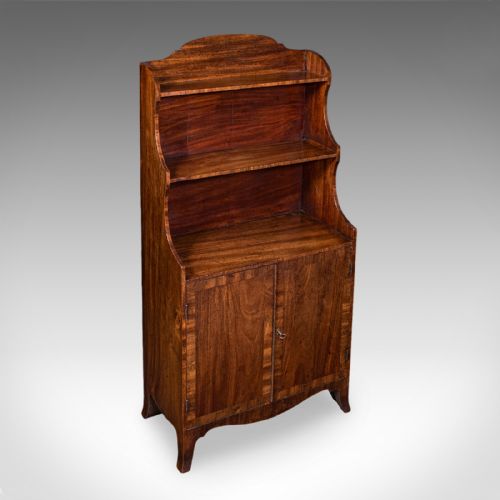
The forms range from simple rustic tiers and waterfall cascades to sophisticated inlaid cabinets fitted with brass castors.
Materials and Construction
Cabinet makers utilised solid timbers alongside figured veneers, selecting oak for sturdy rustic styles and mahogany, rosewood, or satinwood for refined period pieces.
Construction techniques include graduated tiered shelves, beaded edges, and integrated drawers, occasionally incorporating brass castors for mobility.
Books found themselves cascading down wooden slopes long before anyone thought to call it a waterfall.
Quality Variations
Distinction lies in the selection of timber figures, such as burr walnut or figured mahogany, and the crispness of inlaid decorative details.
Structural refinement separates standard utilitarian pieces from workshop items featuring graduated cascading shelves, brass hardware, and fine proportion.
Gillows·Betty Joel
The Small Standing Open Shelves Glossary
- Waterfall bookcase
- A tiered piece featuring progressively deeper shelves from top to bottom, creating a cascading silhouette.
- Whatnot
- A multi-tiered piece of freestanding furniture traditionally used for displaying ornaments or books.
- Étagère
- A French term for an open tiered display unit designed to hold small decorative objects.
- Book trough
- A compact open receptacle designed to hold a small selection of books upright for easy access.
Small Standing Open Shelves: Frequently Asked Questions
What are small standing open shelves used for?
These pieces provide accessible storage for everyday reading material alongside display surfaces for decorative objects and collections.
Their compact footprints allow them to fit easily into tight corners, alcoves, or beside seating furniture.
How do I identify an Edwardian bookcase?
Edwardian examples often display lighter timber tones, modest proportions, and occasional inlaid stringing influenced by earlier styles.
They commonly appear in plain or golden oak with simple linear construction suited to domestic interiors of the period.
Where should I place a whatnot?
Whatnots suit freestanding positions against living room walls or corners where their multi-tiered shelves remain visible.
Because they are open on all sides, they work well to display small objects without blocking light or sightlines.