

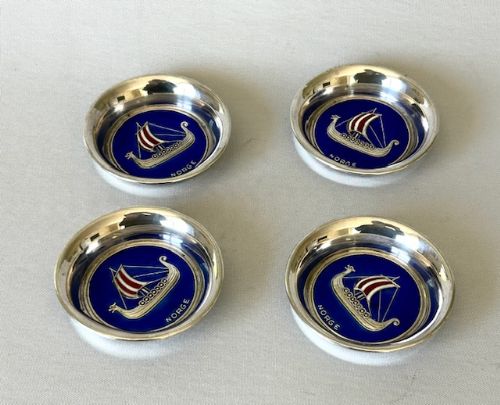
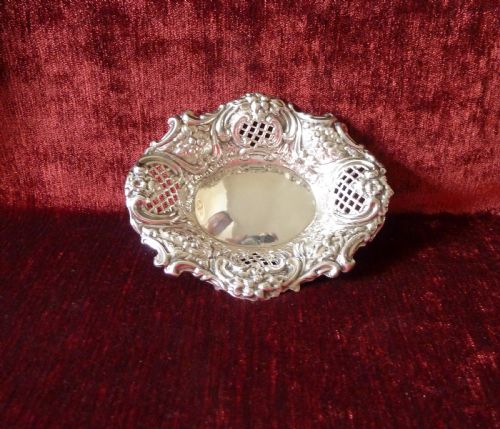


Small Silver Trinket Dish
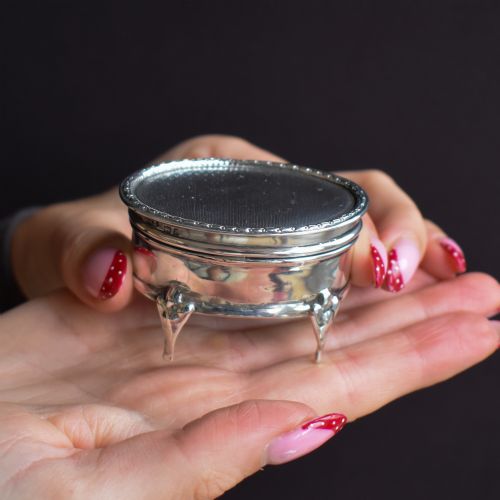
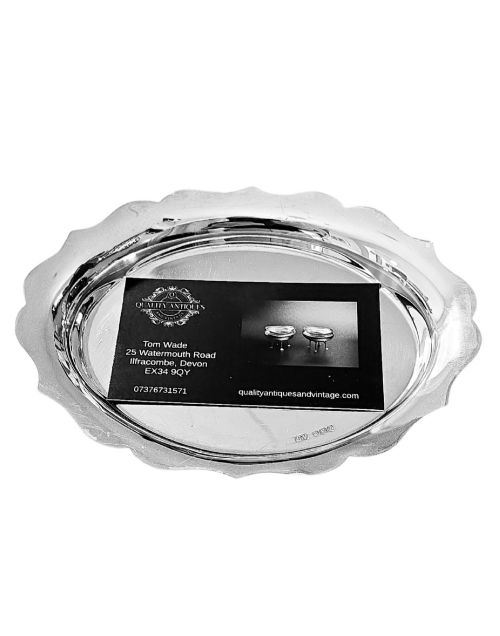
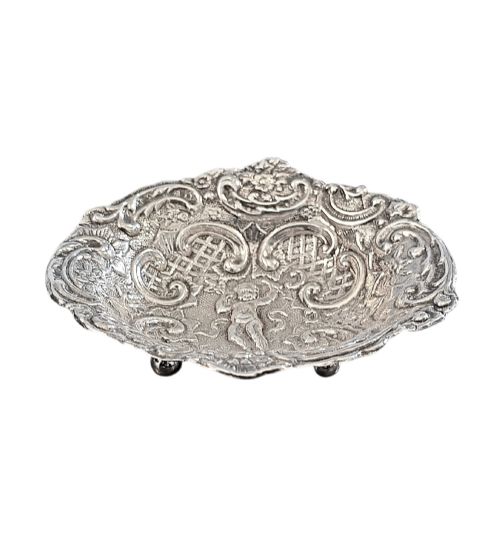
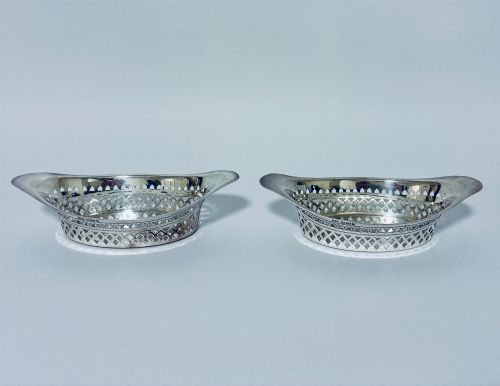
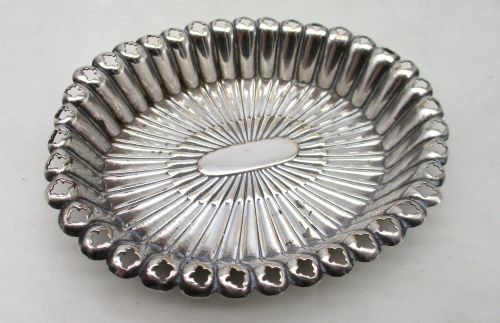
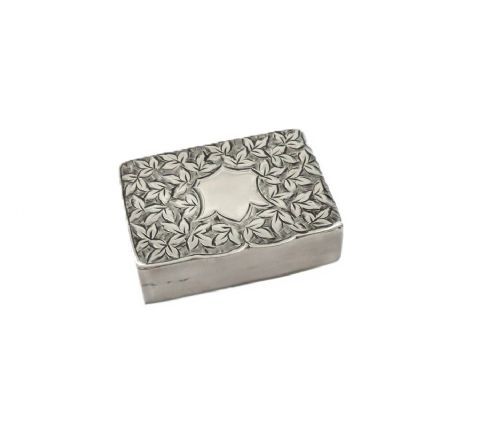
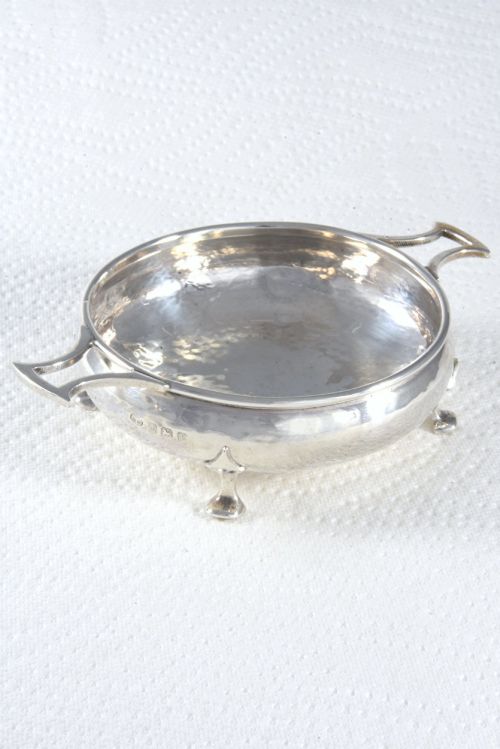
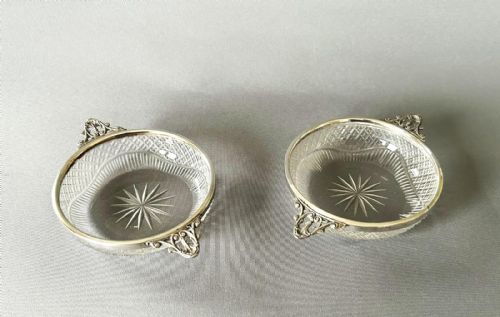
A small silver trinket dish collects the small daily items of a room while bringing metal and glass to a dressing table or desk.
Small Silver Trinket Dish
When searching for a small silver trinket dish, buyers encounter a range of domestic forms designed to hold personal items like pins, pills, and small keepsakes. These items appear across multiple periods, including the eighteenth century, Victorian, Edwardian, and mid-twentieth century eras.
The objects take various shapes such as pin trays, bonbon dishes, pill boxes, coasters, and small trays. Materials stretch beyond plain metal to include cut glass, enamel, copper, and amethyst inserts.
Origins span domestic English work from Birmingham alongside Scandinavian modern pieces and Anglo-Indian items. Buyers will find single pieces alongside paired sets and larger groupings.
Materials and construction methods
Items in this category utilise sterling silver, standard silver, and Old Sheffield plate over a base metal core. Construction often involves shaping metal sheet, casting, or hammering detail into the surface.
Many examples incorporate secondary materials such as cut glass bowls fitted with silver rims, coloured enamel work, or inset amethyst stones. These combinations require precise mounting techniques to secure glass and stone within the metalwork.
Small Silver Trinket Dish Retail Price Guide 2026
Typical asking prices for small silver trinket dish among the pieces listed under this phrase on Sellingantiques today, from the lower quarter to the upper quarter. They describe what is for sale here now, not the wider market.
Materials appearing across the inventory include sterling silver, Old Sheffield plate, copper, cut glass, enamel, and amethyst.
Assessing quality in silver dishes
Quality rests in the crispness of the chased or embossed detail and the weight of the metal used in the dish or box. Heavier gauge silver maintains its form and resists bending under handling.
The integration of secondary materials defines the higher tier of pieces, where cut glass facets remain sharp and enamel shows even coverage without loss. Maker marks and hallmarks stamped into the metal provide clear evidence of origin and standard.
The Small Silver Trinket Dish Glossary
- Sterling silver
- A silver alloy containing 92.5 percent pure silver and 7.5 percent other metals, usually copper, to add strength.
- Old Sheffield plate
- A composite material formed by fusing a thin sheet of silver to a thicker copper base, common in eighteenth-century items.
- Bonbon dish
- An open vessel historically used for holding sweets or small confectionery items on a table.
- Pin tray
- A shallow receptacle designed for dressing tables to hold pins and small personal accessories.
- Hallmark
- A series of official marks stamped on items to indicate the metal standard, assay office, and year of making.
Small Silver Trinket Dish: Frequently Asked Questions
What were small silver trinket dishes used for originally?
These small dishes and trays held dressing table accessories such as hairpins, rings, and brooches. They kept loose items contained and protected polished wooden surfaces from scratches.
Over time, people also used them in reception rooms for sweets or small calling cards. Their portable nature allowed them to move easily between rooms as needs changed.
How do I date an antique silver trinket dish?
Dating relies heavily on the hallmarks stamped directly into the silver, which record the assay office and the specific year letter. Stylistic clues also help, such as the ornate floral motifs of Victorian pieces or the clean lines of mid-century Scandinavian design.
Maker marks provide further context when researching the active years of a silversmith or manufacturing firm. Comparing the form against known period styles narrows down the decade of creation.
How should I clean silver dishes with glass or enamel?
Silver components require a soft cloth and a gentle polish formulated specifically for precious metals, avoiding abrasive pastes. Care must be taken to keep cleaning agents away from inset enamel, glass, or gemstones.
Wash glass inserts separately in warm soapy water and dry them completely before replacing them in the metal frame. Enamel surfaces respond best to a dry wipe rather than liquid immersion.
Are these dishes suitable for daily use today?
Solid silver and plated items withstand regular handling when treated with reasonable care. Using them on soft surfaces or lined trays prevents unnecessary scratching to the base.
They function well on desks, hall tables, or bedside surfaces for holding modern items like keys, coins, or cufflinks. Regular use actually helps prevent tarnish accumulation on the high points of the metal.