

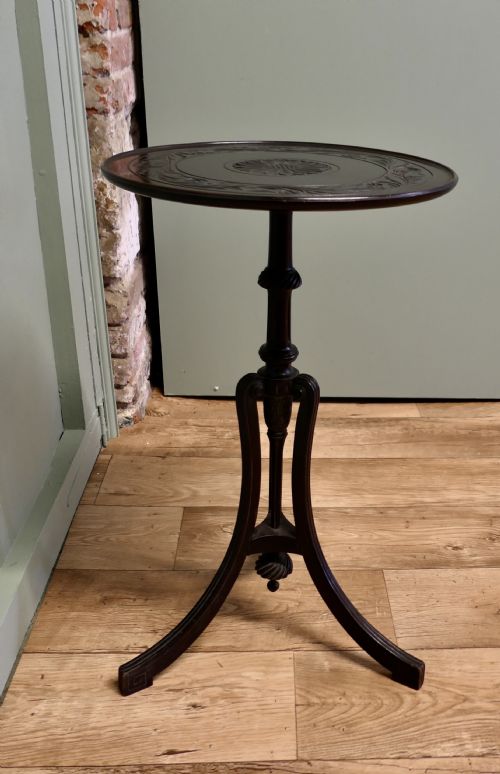
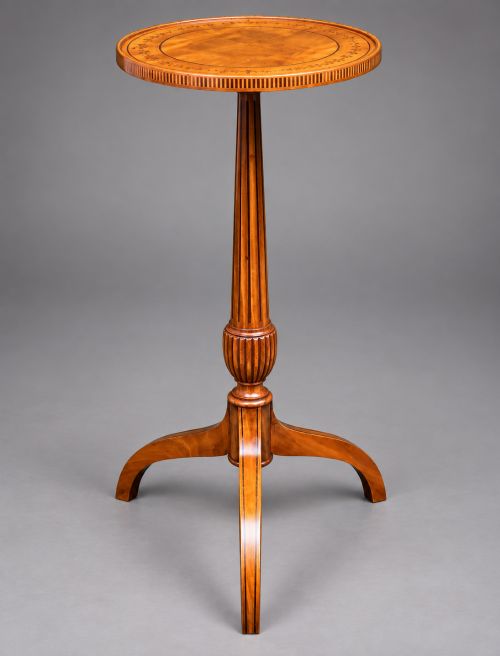
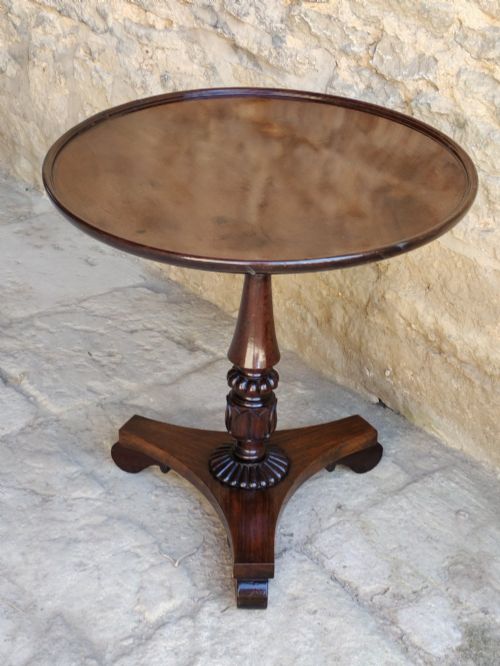
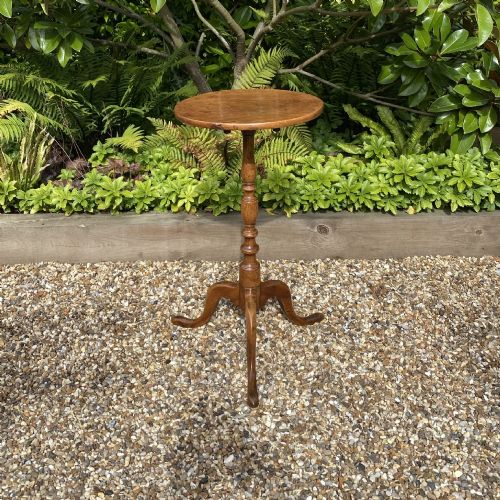
Small Round Tripod Table
Small round tripod table designs offer compact elegance, balancing three legs beneath a circular top for versatile placement in any room.
Small Round Tripod Table
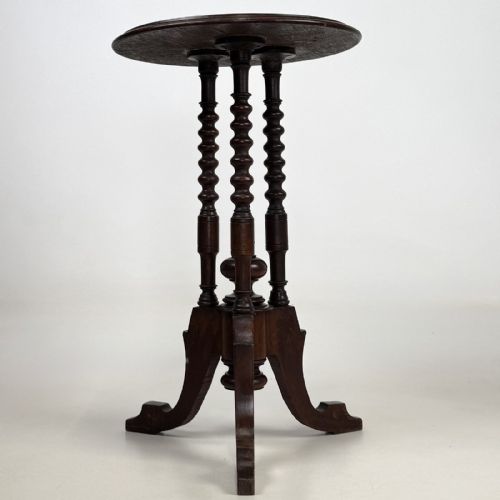
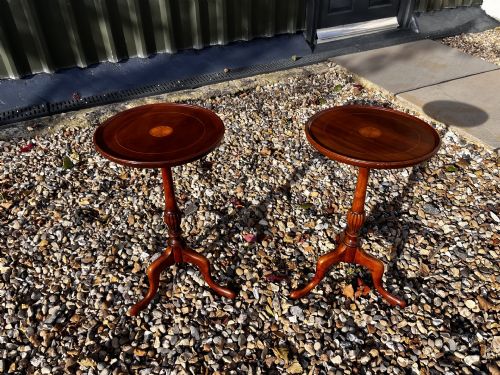
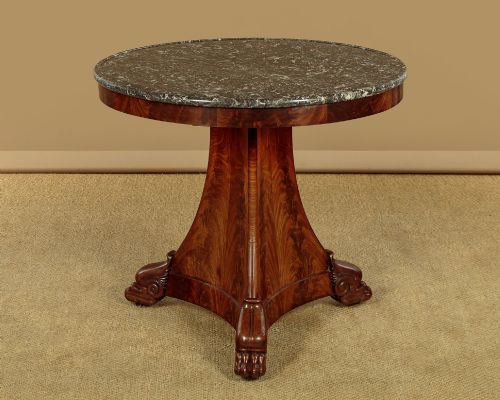
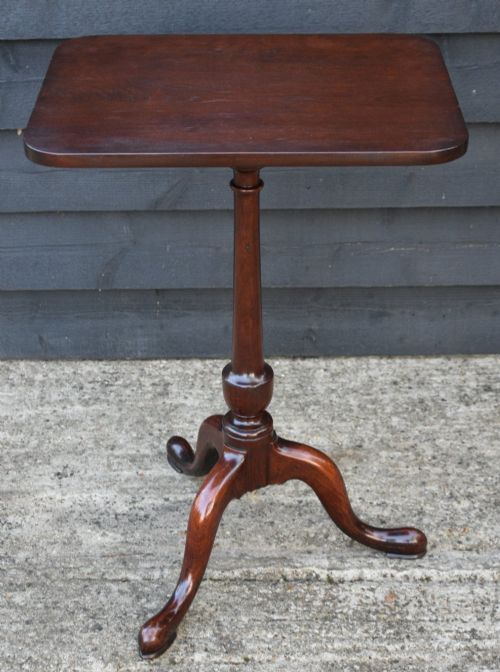
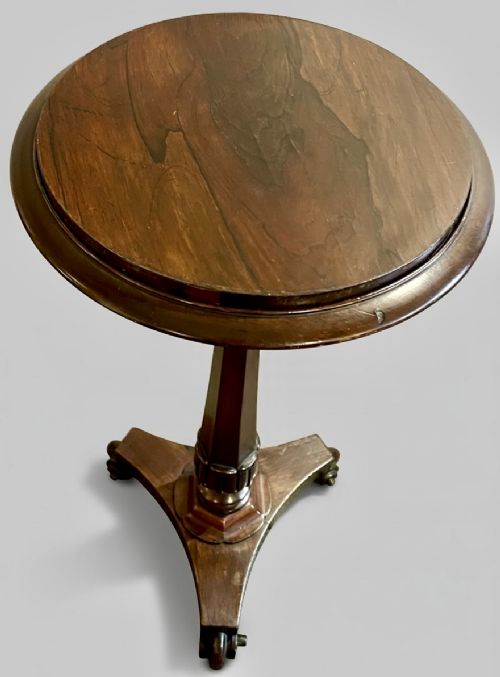
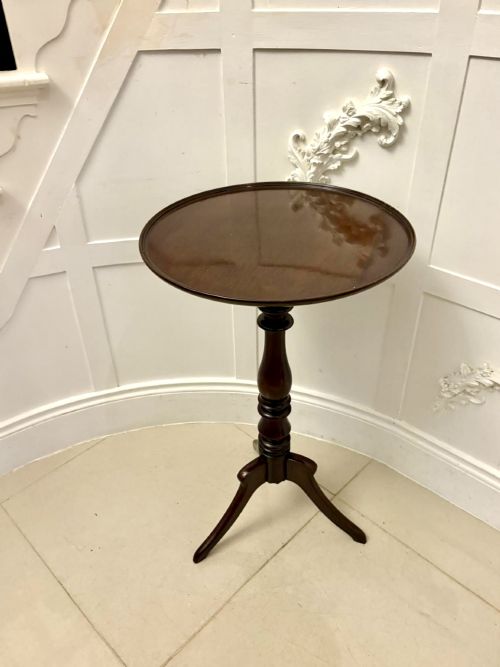
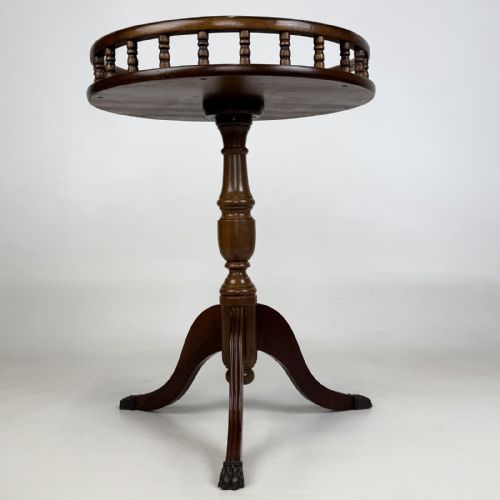
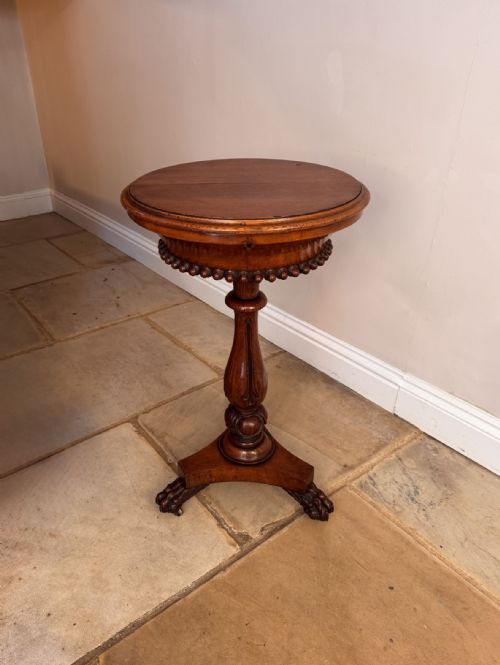
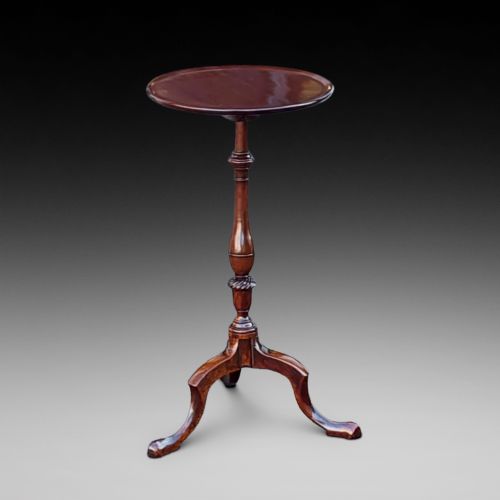
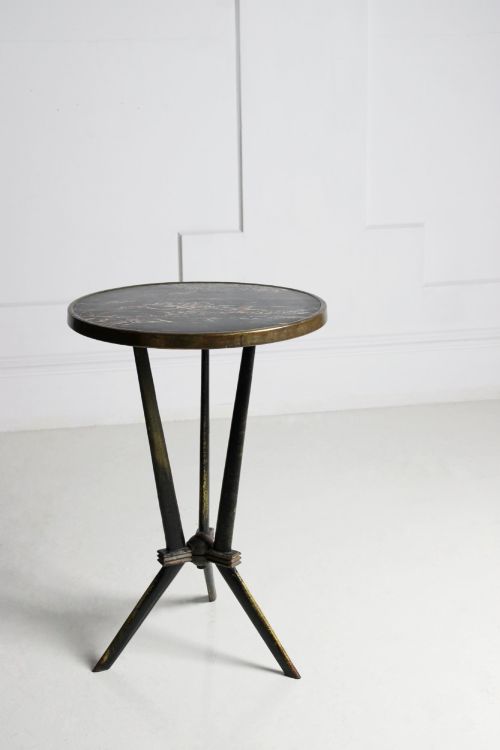
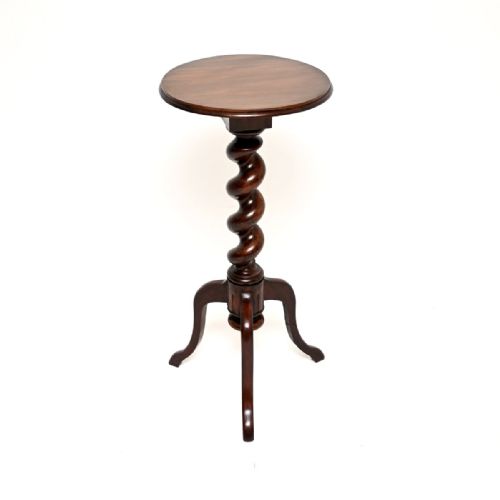
A small round tripod table represents a practical item of antique furniture designed for holding lamps, drinks or books beside seating. Buyers searching for a small round tripod table encounter various forms including wine tables, lamp tables and cricket tables dating from the eighteenth century onwards.
The most common examples on this page are mahogany wine tables from the Georgian and Victorian periods, typically featuring a single central pedestal supported by three splayed legs. These versatile pieces also appear in walnut, oak and pine, reflecting regional country workshops as well as refined urban cabinet making.
Earlier pieces from the Georgian era often incorporate tilt top mechanisms for convenient storage against a wall when not in use. Later nineteenth century and revival examples continue this tradition, alongside painted Swedish variants and occasional tables with inlaid burr birch.
Materials and Construction Techniques
Cabinet makers utilised dense hardwoods such as mahogany, walnut and rosewood for formal pieces, turning pedestals on lathes and shaping legs with hand saws and chisels. Solid oak and pine served for sturdier country pieces like cricket tables, often featuring plank tops secured to three legs.
Joinery relied on traditional methods including tenons, dowels and birdcage mechanisms that allowed circular tops to rotate and tilt. Finer tables utilised brass hardware for hinges and catches, while decorative surfaces displayed matched veneers of burr walnut or delicate painted finishes.
Small Round Tripod Table Retail Price Guide 2026
Typical asking prices for small round tripod table among the pieces listed under this phrase on Sellingantiques today, from the lower quarter to the upper quarter. They describe what is for sale here now, not the wider market.
Early tilt top tables double as giant wooden pancakes when tipped up against the parlour wall to save space.
Judging Quality and Craftsmanship
The distinction between ordinary and exceptional pieces lies in the selection of timber and the crispness of the hand carving on the legs and pedestal. Superior examples display well figured mahogany or burr walnut, with balanced proportions and tightly fitted joints that remain stable over centuries.
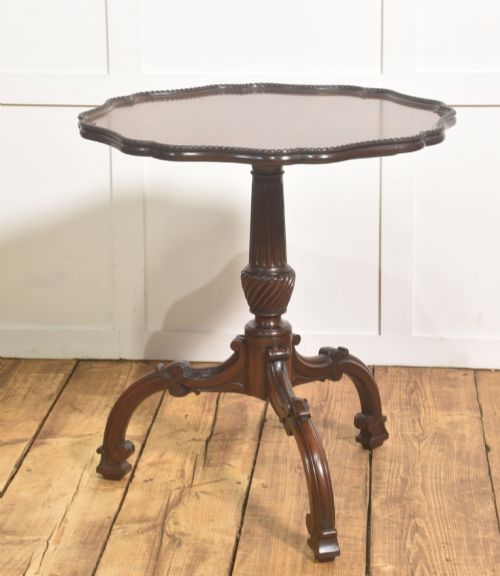
Lesser pieces may show crude timber selection or clumsy repairs to the delicate junction where the three legs meet the central column. The refinement of edge profiles, such as dish tops or carved pie crust borders, further separates standard utilitarian tables from masterwork items.
The Small Round Tripod Table Glossary
- Tilt top
- A tabletop mounted on a catch mechanism that allows the surface to pivot into a vertical position for storage. This clever design saved valuable floor space in historic interiors.
- Cricket table
- A small, sturdy round wooden table with three legs, traditionally constructed from oak or pine. The design provides exceptional stability on uneven floors.
- Pedestal table
- A table supported by a single central column rather than four corner legs. This central post usually terminates in three splayed feet.
- Pie crust top
- A decorative raised tabletop edge carved with undulating curves resembling pastry work. Cabinet makers shaped this feature entirely by hand from solid timber.
- Birdcage
- A rotating wooden framework beneath a tabletop that allows the surface to both turn and tilt. It represents a complex piece of internal joinery found on finer examples.
Small Round Tripod Table: Frequently Asked Questions
What were small round tripod tables used for historically?
These versatile pieces served primarily as movable stands for holding wine bottles, drinking glasses and candles during evening gatherings in the parlour or drawing room.
Over time, owners also utilised them as bedside stands, lamp tables or display surfaces for decorative porcelain and floral arrangements.
How do I tell a Georgian table from a Victorian revival piece?
Georgian tables generally exhibit greater lightness in the timber sections and hand cut joinery marks beneath the top. The patination on older mahogany or oak develops a deep, soft lustre through generations of handling and wax polishing.
Victorian revival pieces often feel heavier in the hand and may employ machine standardised fixings alongside nineteenth century timber characteristics. Examining the underside and the wear around the feet usually reveals the true age of the piece.
Are tilt top mechanisms original to these tables?
Many tables from the eighteenth and nineteenth centuries retain their working tilt top mechanisms, which allowed the furniture to stand flat against a wall when not in use. However, centuries of pivoting can cause wear around the central catch and block.
Collectors should inspect the pivot area beneath the top to ensure the wooden blocks and hinges remain free from excessive modern alterations or replacement screws.
How do I care for an antique wood tripod table?
Protect the polished wooden surface by avoiding direct sunlight, which can fade rich mahogany and walnut veneers over time. Use coasters under drinks to prevent moisture rings from damaging the historic finish.
Apply a traditional beeswax polish occasionally to nourish the timber and maintain the natural shine without building up synthetic residues.