

Small Portrait Art
Small portrait art distils human likeness into intimate compass, offering collectors concentrated windows into past lives through delicate brushwork.
Small Portrait Art
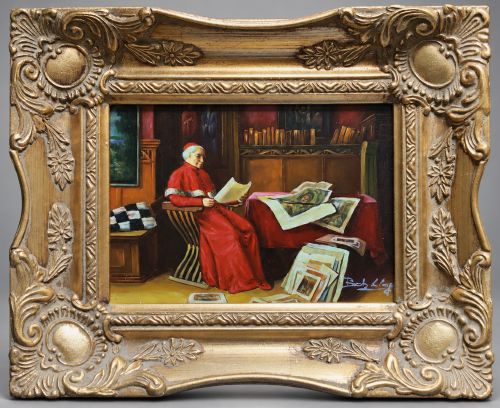
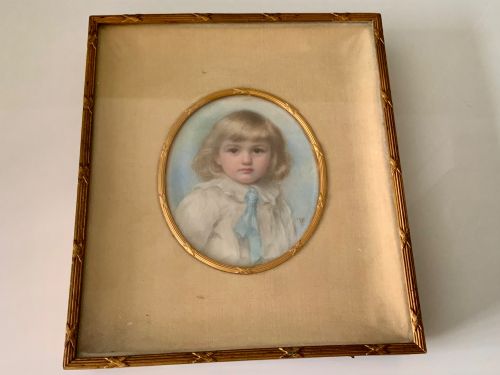
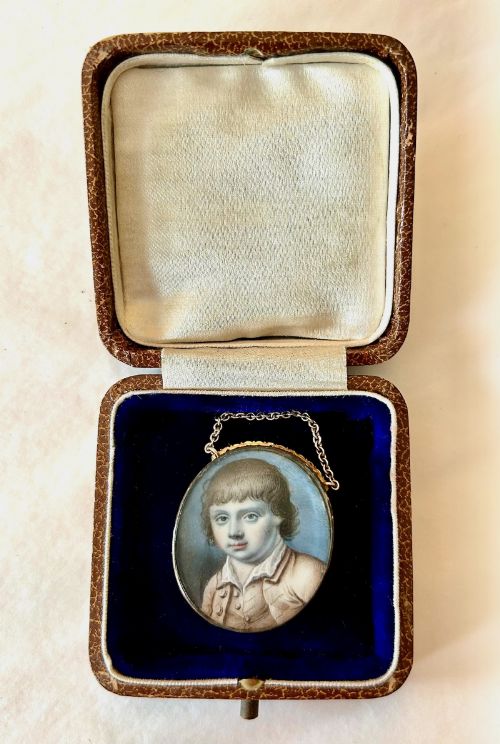
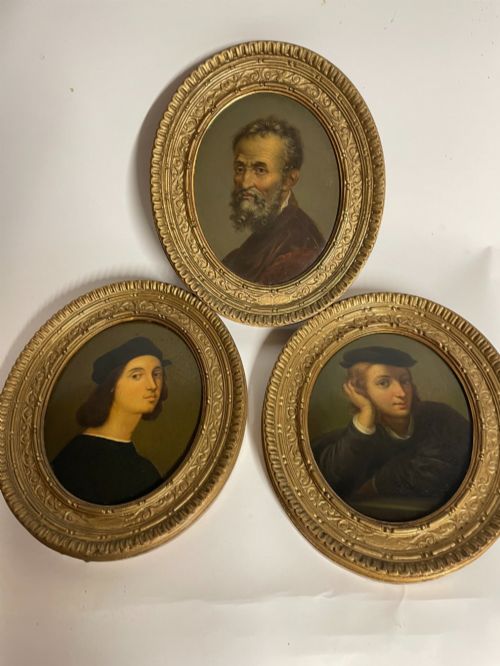
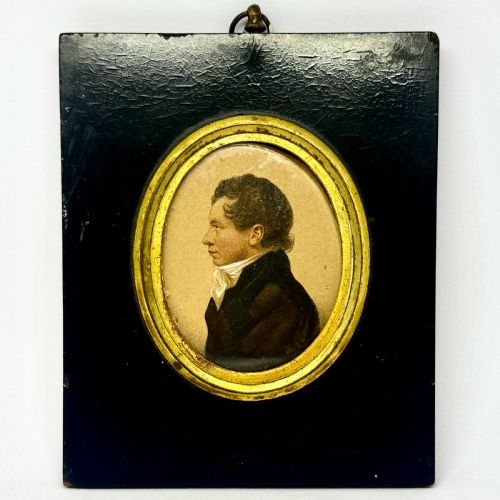
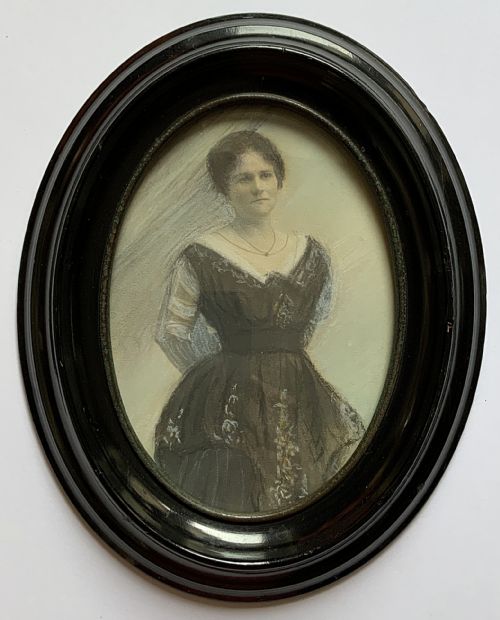
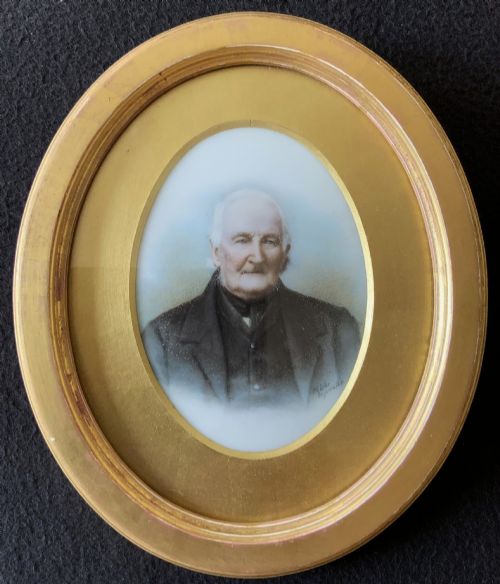
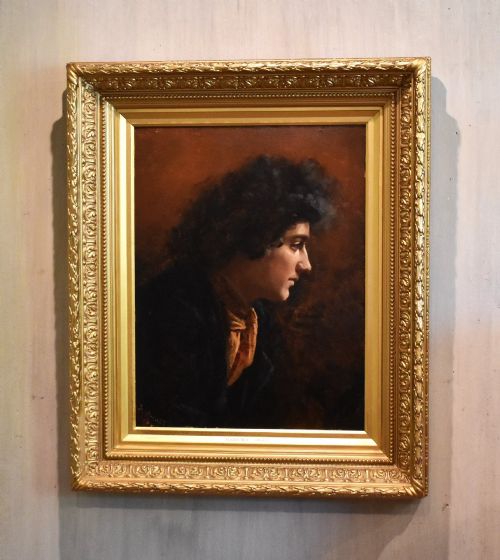
Small portrait art comprises compact depictions of individuals, children, and animals executed across several centuries of British and European practice. When you search for small portrait art, you encounter intimate works designed to be held in the hand, worn as personal tokens, or displayed in tight groupings on panelled walls.
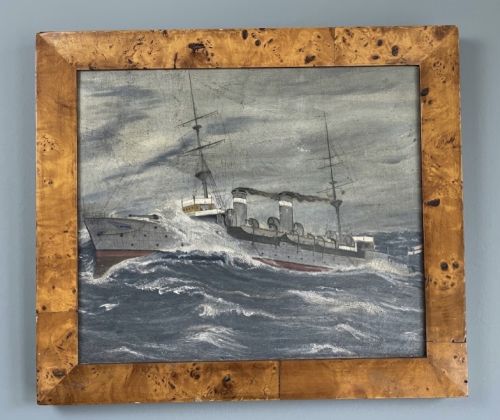
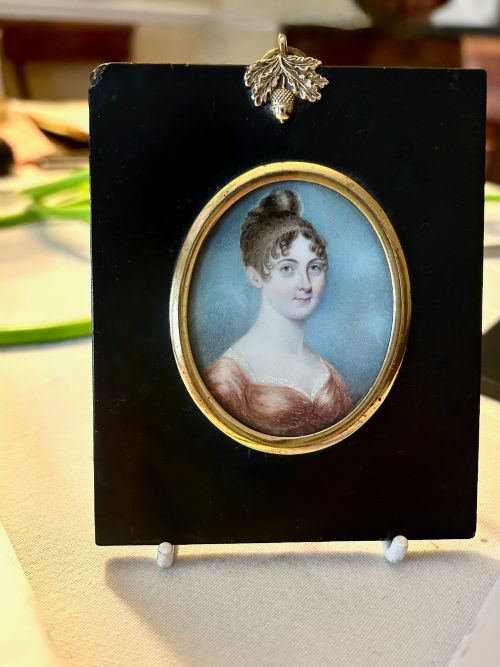
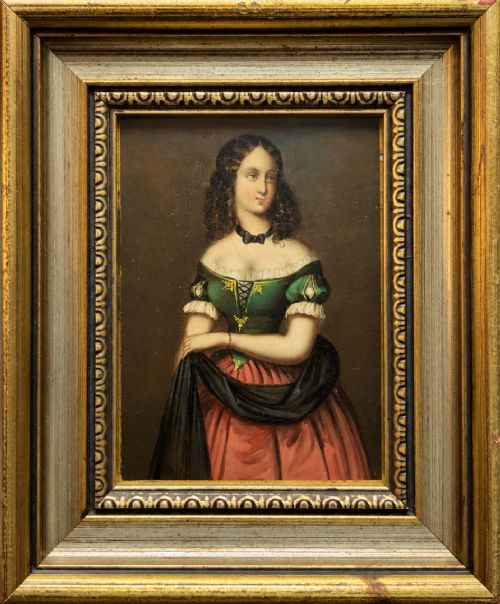
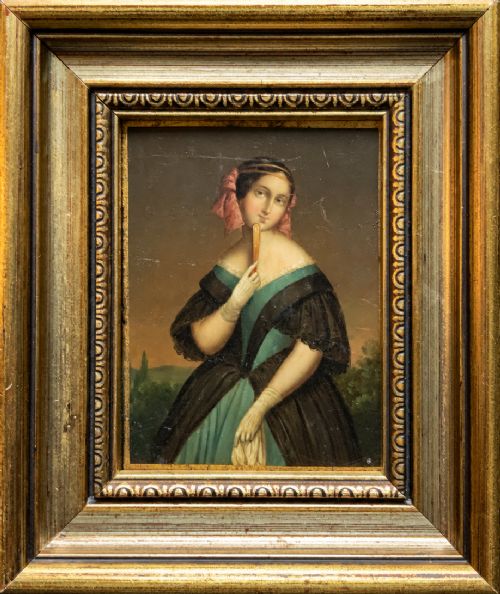
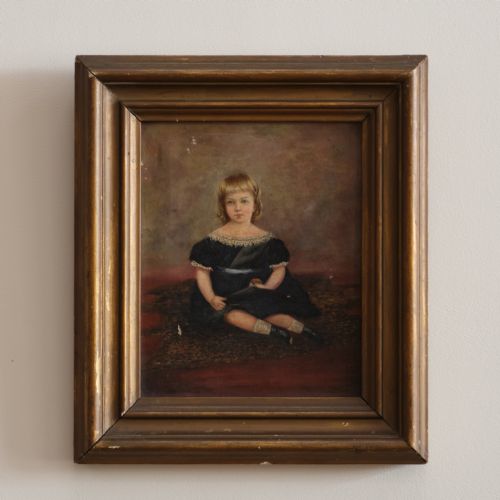
The material record on this page centres primarily on portrait miniatures, small oil paintings, and delicate works on paper spanning the seventeenth, eighteenth, and nineteenth centuries. Examples range from naive oils on canvas to refined watercolours and gouache studies housed in period frames.
Subjects include identifiable sitters such as gentlemen, ladies, and historical figures like Napoleon Bonaparte, alongside charming animal studies including hounds and cats. These pieces reflect the evolving tastes of Georgian, Regency, and Victorian patrons who favoured portable likenesses of family members and notable personalities.
Materials and Technique
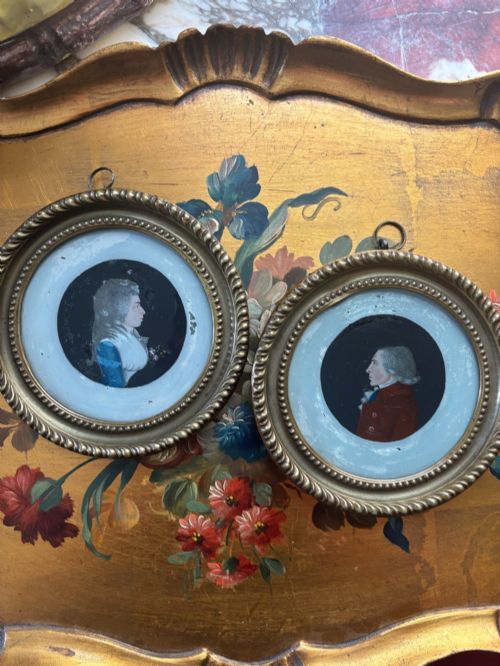
Makers utilised watercolours and gouache on paper and ivory, alongside oil paints applied to canvas, board, and glass. Reverse painting on glass appears in specific marriage portraits, creating a glossy finish that protects the pigment beneath.
Support structures and enclosures form an integral part of the construction. Works frequently reside within ebonised wood frames, gilt metal stands, or heavy giltwood surrounds, often incorporating seed pearl embellishments or brass accents.
Small Portrait Art Retail Price Guide 2026
Typical asking prices for small portrait art among the pieces listed under this phrase on Sellingantiques today, from the lower quarter to the upper quarter. They describe what is for sale here now, not the wider market.
Among the human nobility and solemn gentlemen, a stylish cat in oil pastels holds its ground with undeniable feline dignity.
Assessing Quality and Execution
The distinction between ordinary and superior small portrait art rests upon the precision of the facial rendering and the psychological depth captured by the hand. Master practitioners command subtle gradations of tone and accurate proportion even within a compass of mere inches.
The integrity of the original housing contributes significantly to the standing of a piece. Period ebonised frames and gilt metal mounts that match the era of the painting preserve the authentic context of the object.
Florence Small·Samuel Raven·George Hargreaves·Emma Kendrick·Dumont
The Small Portrait Art Glossary
- Portrait Miniature
- A small-scale painting depicting a recognisable person, historically created for personal intimacy or portable display. These works often measure only a few inches across and demand exceptional technical control.
- Reverse Painting on Glass
- A technique where the artist applies pigment directly to the back of a glass panel, so the image is viewed through the transparent front. This method yields a distinct glossy sheen and requires the composition to be painted in reverse.
- Gilt Metal
- Metal alloy treated with a gold wash or leaf to simulate solid gold. It provides a durable and decorative border for portable portrait art.
- Ebonised Wood
- Timber treated with chemical stains or dark finishes to imitate costly ebony. This material was widely favoured for nineteenth-century frames to create high visual contrast with pale watercolours.
- Gouache
- An opaque water-based medium containing pigment and a binding agent, often combined with watercolour in miniatures. It allows artists to introduce solid highlights and dense areas of colour.
Small Portrait Art: Frequently Asked Questions
How were portrait miniatures displayed?
Historic owners kept these pieces in specialised protective cases, wore them as pendants, or mounted them on stands upon desks and mantelpieces. Some were designed specifically to hang in tight clusters within small wall spaces.
The inclusion of original frames and metal stands indicates how owners integrated these intimate works into their domestic interiors.
How do I date a portrait miniature?
Dating relies upon costume details, hairstyles, framing styles, and the specific material support used by the artist. Hairdos and garments changed rapidly across the Georgian and Victorian eras.
Backings, signatures, and biographical notes inscribed on the reverse further clarify the period of execution.
What subjects appear in these works?
Subjects range from commissioned likenesses of ladies and gentlemen to historical figures, military officers, and children. Domestic animals also feature among the recorded works.
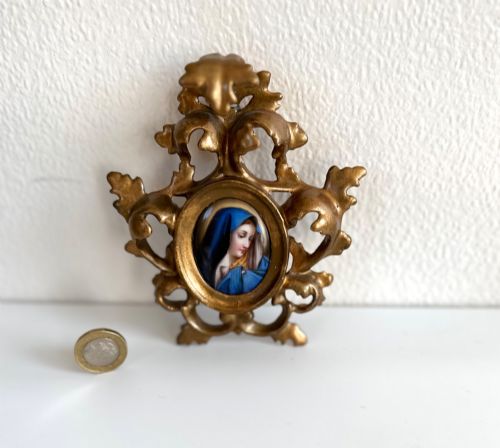
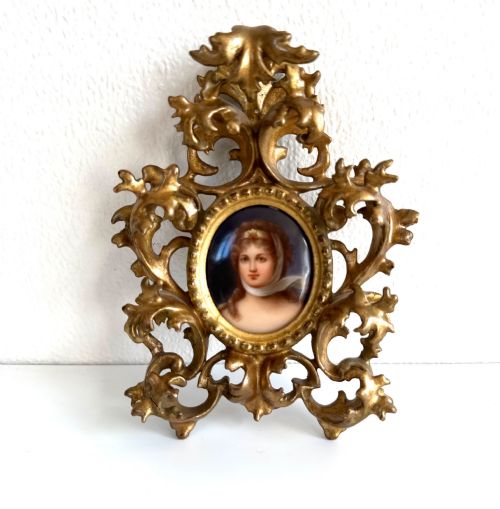
Artists occasionally depicted theatrical personalities, such as leading comic actresses, or religious subjects like the Madonna.
How should I care for antique miniatures?
Preserve these delicate objects by keeping them away from direct sunlight, which fades watercolours and damages paper supports. Maintain stable indoor humidity levels to protect organic materials like ivory and wood.
Display them in secure environments where physical impacts on the glass or frame are avoided.