

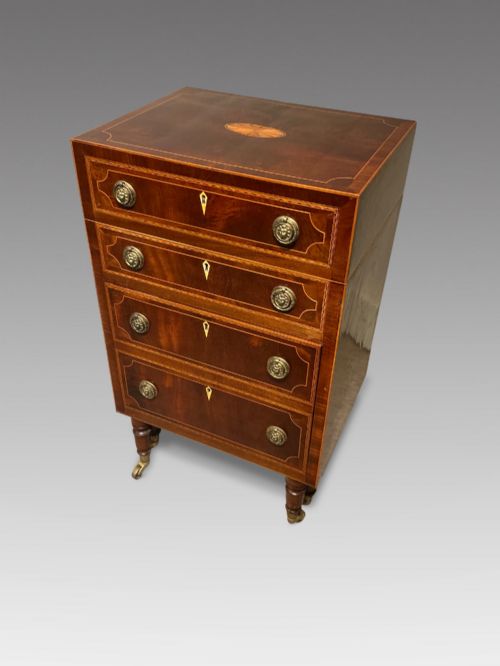
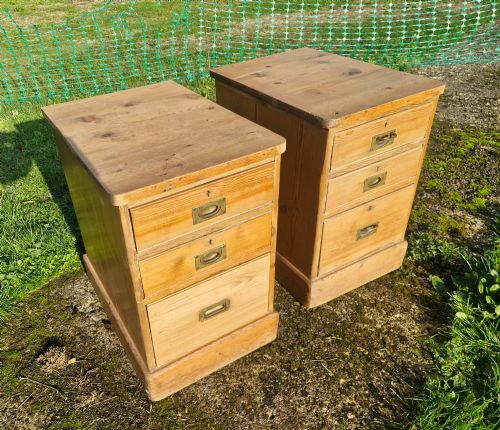
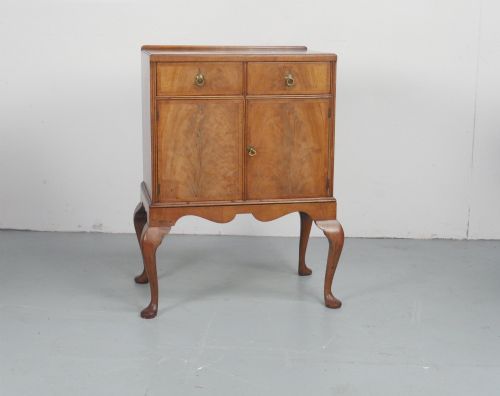
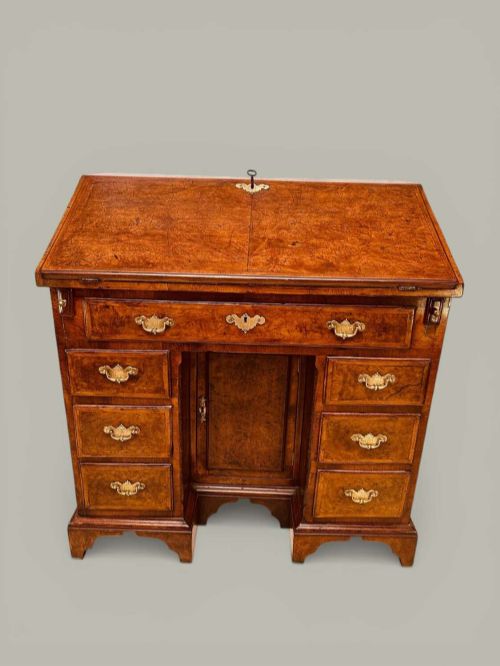
Small Pedestal Cabinet
A small pedestal cabinet brings compact storage and rich timber grain to the bedside or corner of a room.
Small Pedestal Cabinet
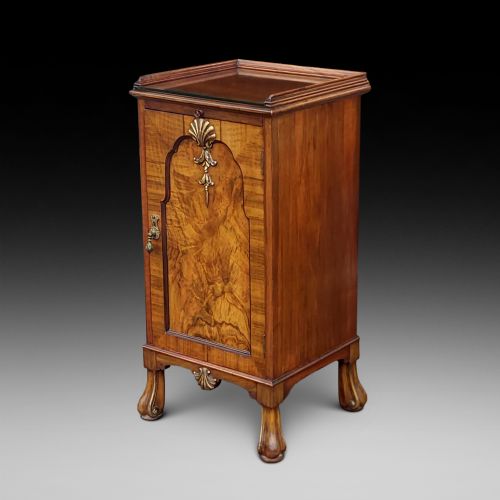
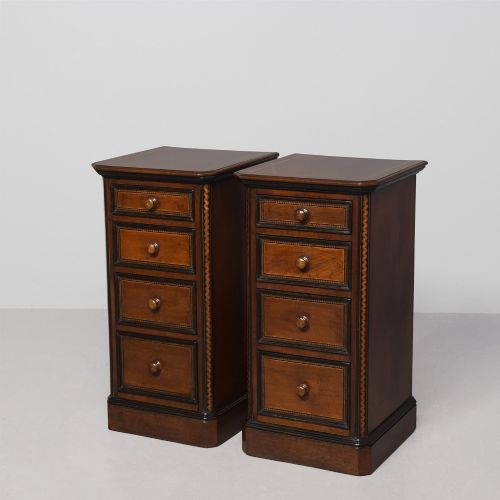
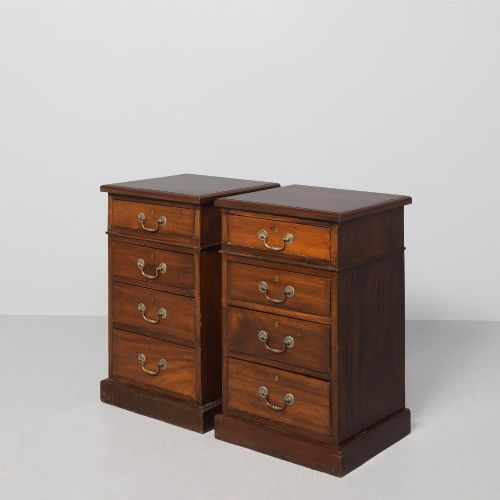
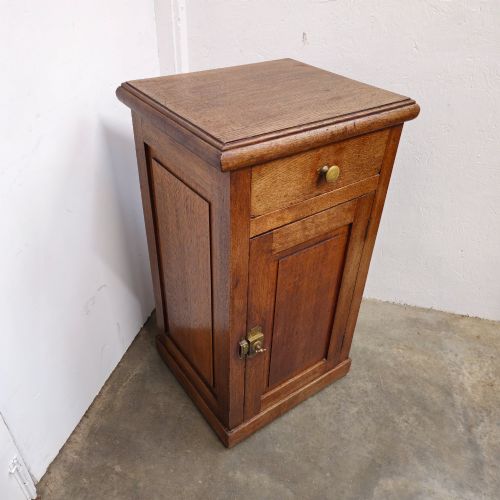
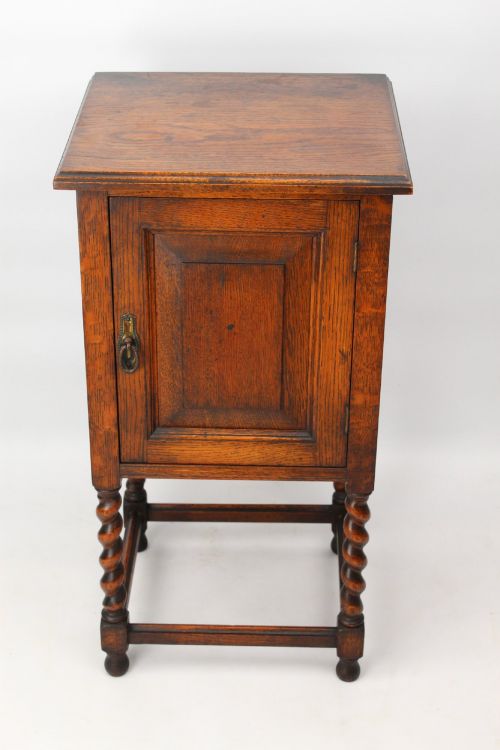
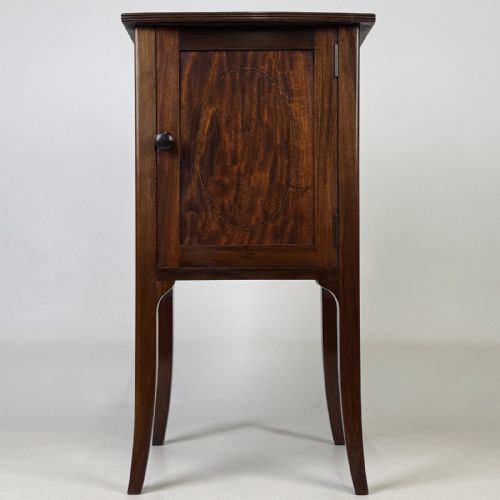
When you search for a small pedestal cabinet, you find pieces designed to stand beside a bed or in a tight corner to hold household items. These take the form of bedside chests, pot cupboards, night lockers, and small side cabinets.
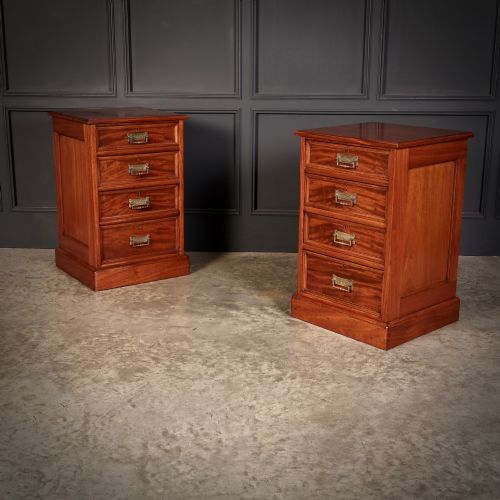
The pieces on this page span the nineteenth and early twentieth centuries, including Victorian, Edwardian, and Georgian examples. You will frequently encounter mahogany and burr walnut bedside chests with single doors or multiple small drawers.
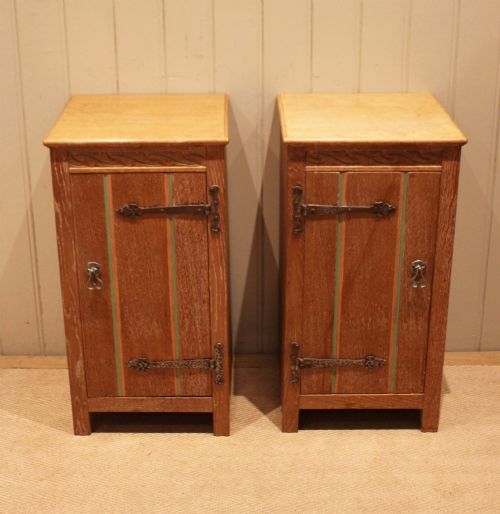
Makers and cabinetmakers produced these in various regional styles, ranging from plain oak utility pieces to highly decorated Chinoiserie and Gothic Revival designs.
Materials and Construction
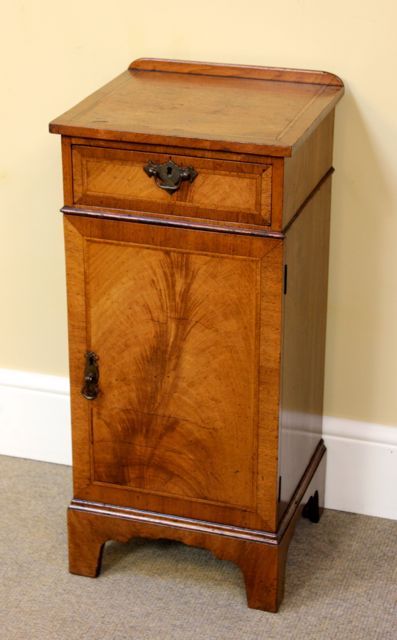
Cabinetmakers built these pieces primarily using dense hardwoods such as mahogany, walnut, and oak, often selecting burr walnut for highly figured veneered drawer fronts and door panels. Secondary timbers provide structural stability to the internal carcasses and drawer linings.
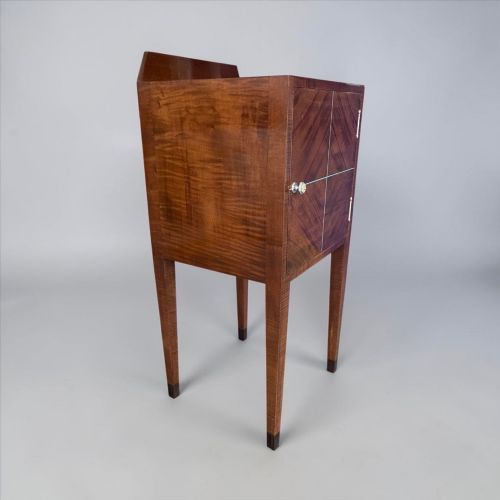
Surface decoration relies on contrasting inlay work using satinwood or boxwood, alongside brass handles, hinges, and occasional leather inserts on writing surfaces. Some later pieces feature painted Chinoiserie decoration or limed finishes applied to oak.
Small Pedestal Cabinet Retail Price Guide 2026
Typical asking prices for small pedestal cabinet among the pieces listed under this phrase on Sellingantiques today, from the lower quarter to the upper quarter. They describe what is for sale here now, not the wider market.
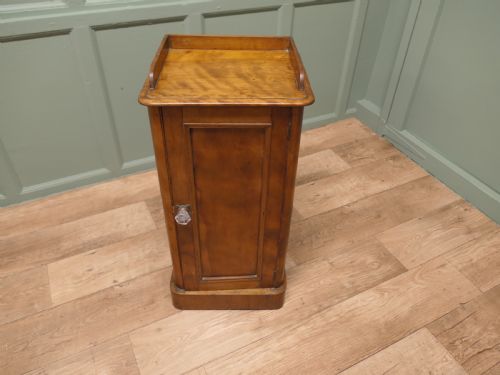
Several Victorian bedside companions double as night lockers, standing ready to guard your midnight reading.
Evaluating Craftsmanship
Quality in a small pedestal cabinet rests upon the selection of timber veneers, the precision of the joinery in the drawer frames, and the original integrity of the brass hardware. Superior pieces display book-matched burr walnut or tightly grained mahogany that wraps cleanly around the corners.
The distinction between standard utility cupboards and finer examples lies in the subtlety of the inlay work, the thickness of the solid timber tops, and whether internal shelves and door panels retain their original fitting and smooth movement.
HOWARD & SONS
The Small Pedestal Cabinet Glossary
- Pot cupboard
- A small bedside cabinet originally built to enclose a chamber pot behind a single door. These frequently feature a small shelf or compartment inside.
- Night locker
- An alternative term for a bedside cupboard or cabinet used in the nineteenth century. These provide enclosed storage next to the bed.
- Burr walnut
- Timber taken from the warted growths on a walnut tree, yielding complex, swirling grain patterns. Cabinetmakers sliced this into thin veneers for decorative surfaces.
- Chinoiserie
- European imitation of Chinese artistic and decorative styles. This involves painted or lacquered motifs applied to the exterior of the cabinet.
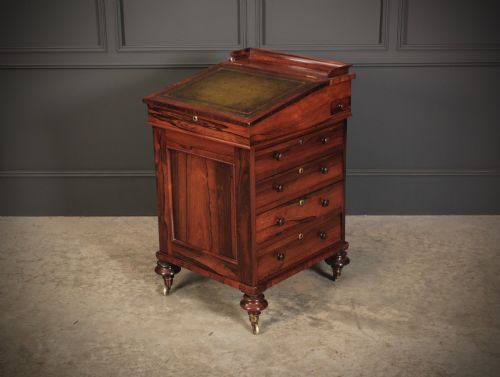
- Davenport
- A small compact desk featuring a sloping writing surface above a pedestal of drawers. These combine workspace with enclosed storage.
Small Pedestal Cabinet: Frequently Asked Questions
What is a small pedestal cabinet used for today?
These pieces function primarily as bedside tables or lamp tables in modern interiors. Their enclosed cupboards and drawers offer convenient storage for small household items.
The compact footprint allows them to fit neatly into narrow hallways or tight spaces beside seating.
How do I date a Victorian bedside cabinet?
Examine the construction methods visible inside the drawers, such as hand-cut dovetails and the choice of secondary woods. Timber selection, hardware style, and registration marks also help narrow the decade.
Victorian pieces often use solid mahogany or burr walnut veneers over pine or oak carcasses.
Are these cabinets sturdy enough for daily use?
Constructed from dense hardwoods like mahogany and oak, these cabinets are built to withstand frequent daily interaction. Traditional joinery ensures the frames remain rigid over generations.
Routine maintenance involves gentle cleaning and waxing to protect the timber surfaces from moisture.