

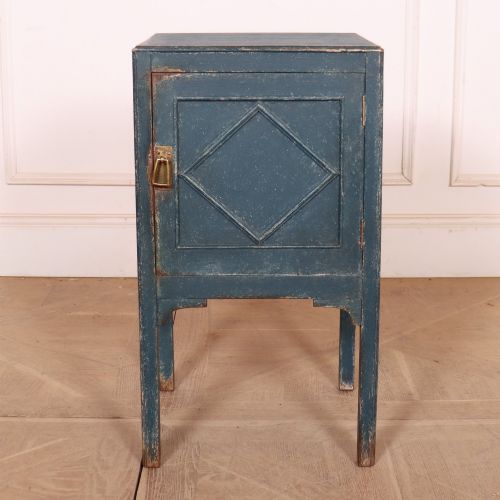
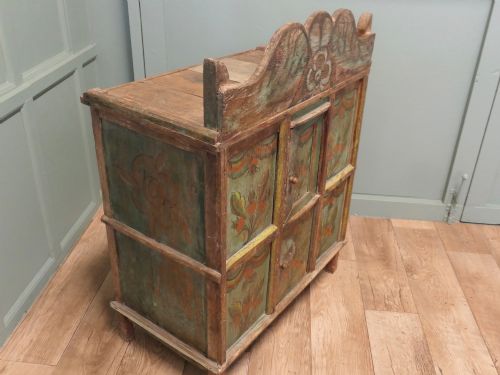
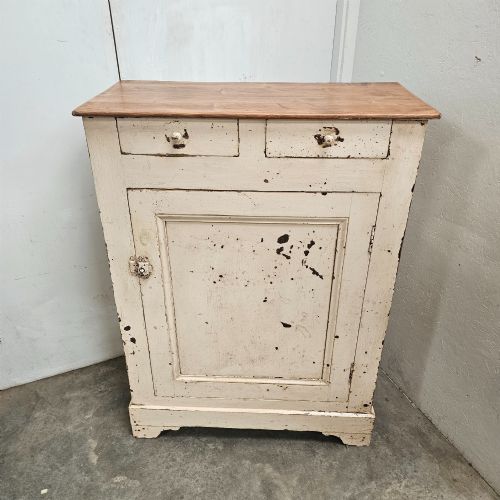
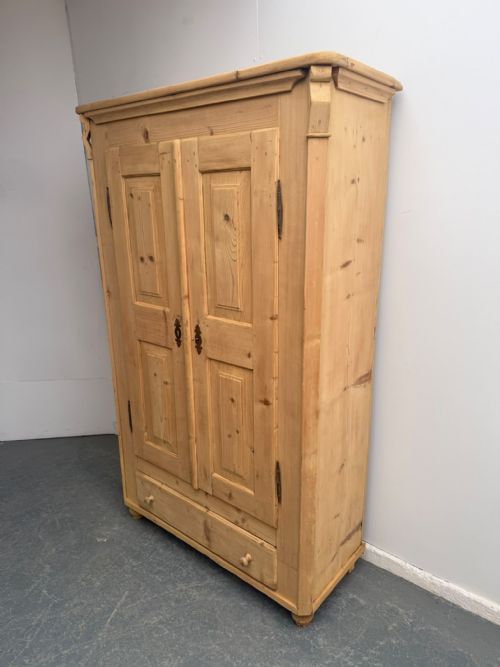
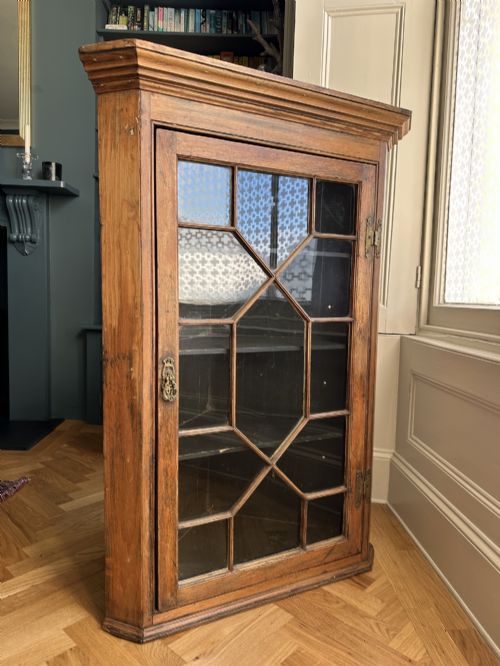
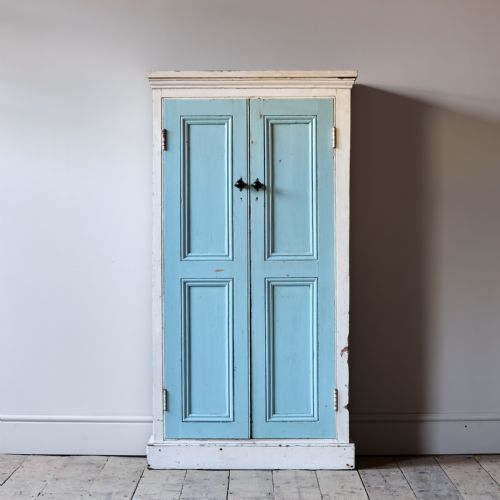


Small Painted Pine Cupboard
These small painted pine cupboard examples deliver practical country storage with aged surfaces that suit modern interiors.
Small Painted Pine Cupboard
A small painted pine cupboard provides compact utility through various formats including wall cabinets, bedside units, and corner cupboards. These pieces originate from regional traditions across Britain, Scandinavia, and France, reflecting domestic storage needs from the eighteenth century through to the Victorian era.
Buyers encounter regional interpretations such as French confituriers, Swedish wall cabinets, and English bedside or food cupboards. The surviving examples typically combine softwood construction with historic painted finishes or original pigment layers.
Materials and construction
Makers utilised native pine and softwood timbers, constructed with straightforward joints suited to utilitarian domestic furniture. Iron and brass hardware such as hinges and latches completed the functional design.
Surfaces received layers of paint or pigment, often applied in regional folk art traditions. Many pieces retain original painted decoration, while others show weathered layers accumulated over decades of domestic service.
Small Painted Pine Cupboard Retail Price Guide 2026
Typical asking prices for small painted pine cupboard among the pieces listed under this phrase on Sellingantiques today, from the lower quarter to the upper quarter. They describe what is for sale here now, not the wider market.
The listings span the eighteenth century, the Georgian period, and the nineteenth century, including Victorian examples alongside French and Scandinavian pieces.
Judgement of quality
Quality rests upon the integrity of the original timber and the survival of early painted surfaces rather than elaborate decoration. Pieces retaining authentic pigment show a depth of colour that later repainting cannot replicate.
Proportion and structural honesty separate everyday utility items from finer vernacular examples. Well-balanced doors and original hardware contribute to the overall character of each cabinet.
Melissa White
The Small Painted Pine Cupboard Glossary
- Confiturier
- A small French jam cupboard designed to store preserves and provisions. These single-door cabinets typically feature a compact footprint suitable for domestic spaces.
- Softwood
- Timber derived from conifers such as pine, used extensively for vernacular furniture construction. It provides a lightweight yet durable material for painted domestic pieces.
- Pigment
- Coloured powder combined with a binder to create historic paint finishes. Original pigment layers provide the authentic matte appearance found on period country furniture.
- Vernacular
- Everyday furniture built by local craftsmen to satisfy practical domestic requirements. These pieces reflect regional materials and traditions rather than high-style academic design.
Small Painted Pine Cupboard: Frequently Asked Questions
Where were these cupboards used?
These cupboards served in various domestic spaces including bedchambers, kitchens, and halls for storing food, linen, and household provisions.
Compact forms like wall cabinets and bedside units allowed owners to maximise storage within smaller rooms.
How do I care for painted pine?
Maintain painted surfaces by dusting with a soft dry cloth and avoiding modern chemical cleaning products that might lift historic pigment.
Keep pieces away from direct heat sources and strong sunlight to prevent timber movement and fading of the painted finish.
Are the painted finishes original?
Surviving finishes vary between original historic paint layers, weathered pigment, and later decorative treatments applied by subsequent owners.
Close inspection of the surface texture and underlying timber helps reveal the age and application method of the paint.
How can I date a pine cupboard?
Dating relies on examining construction techniques, hardware types, and the composition of the timber and paint layers.
Georgian and eighteenth-century examples often display hand-sawn boards and pegged joints, whereas later Victorian pieces utilise machine-cut elements.