




Traditional Folk Art Armoire
These traditional folk art armoire pieces bring painted character and robust storage to a room, offering regional craftsmanship from the nineteenth century.
Traditional Folk Art Armoire
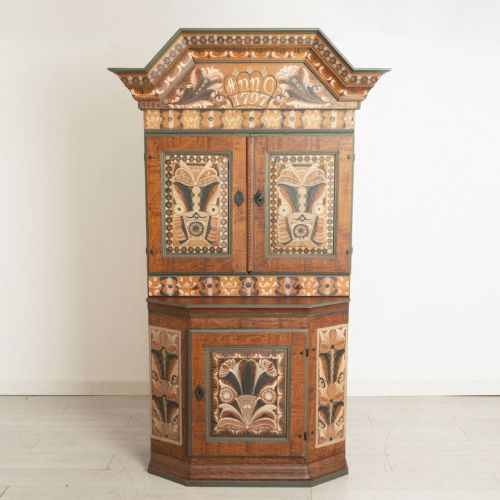
A traditional folk art armoire brings regional painted storage into a space, taking the form of wardrobes, larder cupboards, and hall cabinets. These pieces originate from various European and international centres, including Scandinavia, Hungary, Brittany, and India.
The selections available here span the nineteenth century, including specific dates such as 1850, 1870, and 1800, alongside Georgian and Victorian eras. Buyers most commonly meet pine constructions bearing historical painted finishes, ragwork, or regional motifs.
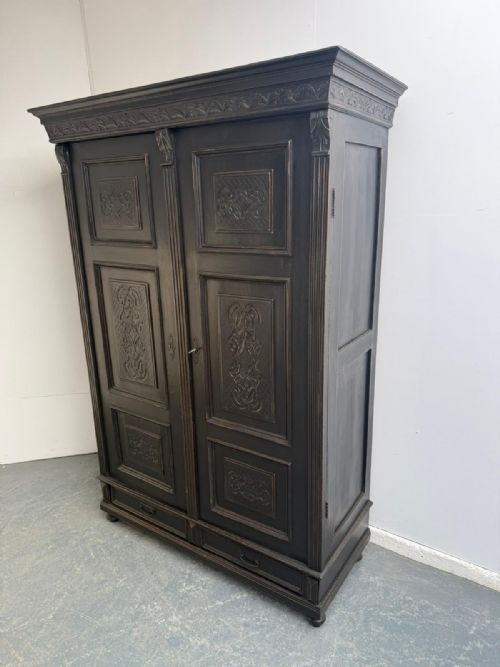
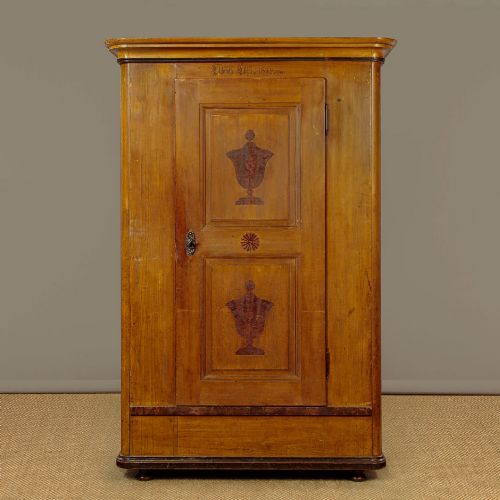
Forms vary from tall shelved cupboards and two-door hall wardrobes to marriage armoires and closed bed fronts adapted into cabinets. Each piece serves as a functional storage item while displaying the distinct decorative traditions of its maker's locality.
How they were made
Makers utilised primary timbers such as pine, oak, and chestnut to build these storage pieces, often selecting softwood for its availability and ease of painting. Iron and brass hardware, including hinges and latches, secure the doors and structural joints.
Surface decoration relies heavily on paint applied directly to the wood, sometimes taking the form of elaborate ragwork or regional folk motifs. Structural forms range from simple boarded constructions to complex marriage armoires and adapted bed fronts.
Traditional Folk Art Armoire Retail Price Guide 2026
Typical asking prices for traditional folk art armoire among the pieces listed under this phrase on Sellingantiques today, from the lower quarter to the upper quarter. They describe what is for sale here now, not the wider market.
Listings feature nineteenth-century pieces constructed from pine, oak, and chestnut, utilising paint, iron, and brass.
What varies in quality
Quality differences lie in the preservation of the original painted surface and the crispness of regional folk details. Pieces retaining their initial polychrome or ragwork finish carry a distinct visual weight compared to those with later overpainting.
Construction methods also distinguish the examples, from utilitarian pine storage to substantial marriage armoires with detailed joinery in oak and chestnut. The integrity of the original hardware, such as iron hinges and brass fittings, contributes to the overall standard.
The Traditional Folk Art Armoire Glossary
- Armoire
- A large wardrobe or cupboard, traditionally used for storing clothes. These pieces often feature double doors and internal shelving.
- Ragwork
- A decorative painting technique where rags or cloths are used to apply pigment and create textured patterns on furniture surfaces.
- Polychrome
- The practice of decorating architectural elements, sculpture, or furniture in a variety of painted colours. This finish defines many traditional folk pieces.
- Lit-clos
- A closed bed design from regions such as Brittany, where the sleeping berth is enclosed by wooden panels that are sometimes repurposed into cabinets.
Traditional Folk Art Armoire: Frequently Asked Questions
What is a traditional folk art armoire?
A traditional folk art armoire is a painted wooden storage cabinet or wardrobe created in regional styles across Europe and beyond. These pieces incorporate local painting traditions and practical joinery from the nineteenth century.
They function as statement storage items in modern homes, offering deep shelving or hanging space behind decorated doors.
How do I date a painted armoire?
Dating relies on examining the construction timbers, iron or brass hardware, and the composition of the paint layers. Regional styles and specific decorative motifs also provide clues to the decade of origin.
Nineteenth-century examples often display hand-mixed pigments and traditional regional joinery techniques that separate them from later reproductions.
Where were these painted cupboards made?
The pieces originate from diverse European localities including Sweden, Hungary, Austria, Bohemia, and Brittany, as well as India. Each region developed distinct cabinet-making shapes and painting methods.
Local workshops adapted available timbers like pine, oak, and chestnut to build storage suited to domestic needs.
How do I care for antique painted wood?
Protect the painted surfaces by keeping the furniture away from direct sunlight and maintaining stable room humidity. Gentle dusting with a dry cloth preserves the historical finish without abrasive cleaning.
Avoid chemical polishes that can interact negatively with historic paint layers and binders.