



Small Painted Pine Chest
A small painted pine chest brings rural character and practical storage to a room through regional decorative traditions spanning two centuries.
Small Painted Pine Chest
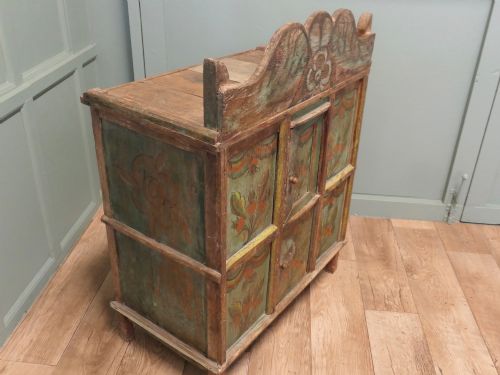
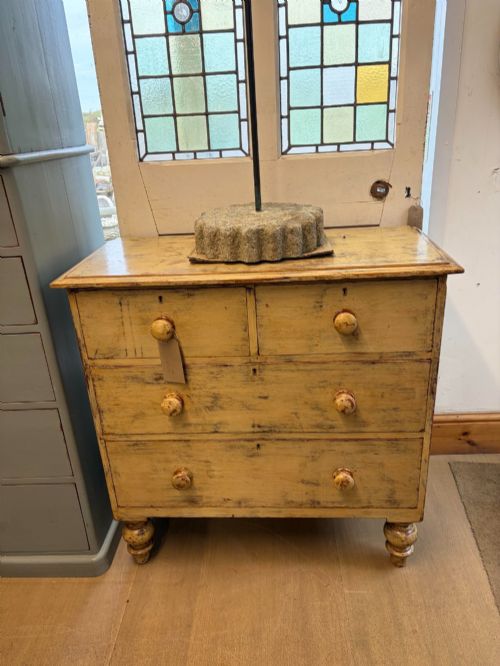
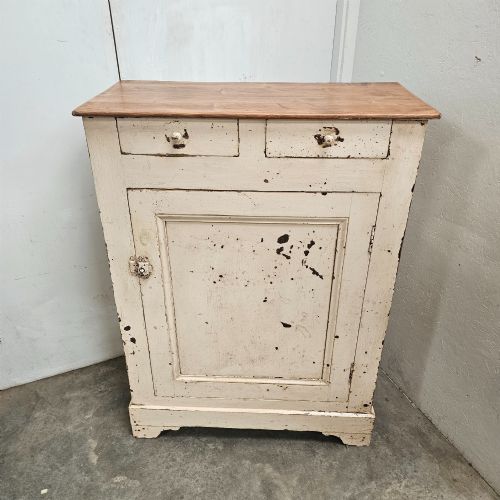
A small painted pine chest encompasses versatile storage pieces, from drawer chests and blanket boxes to wall cupboards and commodes. When searching for a small painted pine chest, buyers frequently encounter 19th-century English, Victorian, and Scandinavian country examples alongside regional Welsh vernacular forms.
These items originate from domestic and provincial workshops rather than large urban factories, resulting in varied proportions and local design traits. Pieces range from diminutive trunks and dome-top boxes to miniature chests of drawers and bedside cabinets.
The selection reflects both British country traditions and continental folk art movements, particularly Swedish Gustavian and Scandinavian folk styles. Each regional origin dictates the specific moulding details, feet, and proportion of the piece.
Materials and Technique
Construction relies primarily on native pine timber, selected for its accessibility and workability by country joiners. Carpenters joined panels using traditional methods suited to domestic furniture, incorporating iron or brass hardware for hinges, locks, and handles.
Surfaces received layers of pigment or paint, sometimes applied to simulate finer woods like oak or mahogany. Finish techniques range from simple oil-based colours to intricate folk decoration and simulated wood graining applied over the base wood.
Small Painted Pine Chest Retail Price Guide 2026
Typical asking prices for small painted pine chest among the pieces listed under this phrase on Sellingantiques today, from the lower quarter to the upper quarter. They describe what is for sale here now, not the wider market.
Some nineteenth-century chests feature clever simulated wood graining where painters laboured to make humble pine pretend it came from an expensive forest.
Judging Quality
Quality rests in the survival of original surface finishes and pigment layers rather than pristine factory perfection. Pieces retaining their earliest painted or decorated skins command greater interest than stripped or later repainted items.
Proportion and joinery integrity define the better examples, where drawers run smoothly and carcases remain square without excessive timber shrinkage. The refinement of regional mouldings and the balance of hardware further separate standard utility pieces from finer artisan work.
The Small Painted Pine Chest Glossary
- Pine
- A soft timber derived from coniferous trees that serves as the primary structural material for country furniture. It provides a lightweight yet sturdy carcase suitable for decorative painting.
- Pigment
- Finely ground coloured powder mixed with a liquid binder to create the paint layers found on these surfaces. Historic formulations yield the matte and chalky textures typical of older finishes.
- Vernacular
- Architecture and furniture built by local craftsmen using traditional regional methods and local materials rather than academic architectural designs. These pieces reflect the specific domestic needs of their home districts.
- Coffer
- A box or chest traditionally used for storing valuables, linens, or documents, often featuring a hinged lid. Many examples sit on short feet or small stands.
- Commodes
- A low chest of drawers or cabinet, frequently featuring decorative serpentine fronts in continental traditions. The term covers various refined storage furniture from the nineteenth century.
Small Painted Pine Chest: Frequently Asked Questions
How do I date a small painted pine chest?
Dating relies on examining construction joints, hardware types, and the composition of underlying paint layers. Hand-cut dovetails and forged iron hinges point to earlier nineteenth-century production.
Later Victorian and Edwardian examples often show machine-sawn timber and stamped brass fittings. Surface wear patterns beneath successive paint layers also help establish the chronological timeline.
Were these chests used in bedrooms or living areas?
These versatile pieces served utilitarian storage functions throughout the home, from farmhouses to modest town dwellings. Blanket chests and trunks held textiles in sleeping quarters, while small drawer chests accommodated personal belongings.
Cupboards and wall cabinets provided kitchen or parlour storage for everyday goods. Their compact dimensions allowed them to fit into smaller domestic spaces.
Should I remove later paint layers?
Preserving the existing surface is standard practice among collectors, even when paint shows signs of considerable age and wear. Removing outer coatings risks destroying the historic patina and any underlying original pigment.
Intervention should remain minimal to protect the character accumulated over decades or centuries of domestic use.
How do English and Scandinavian chests differ?
English country pieces generally feature straightforward utilitarian forms with simple bracket feet and practical drawer configurations. Welsh variants often display regional artisan quirks in their proportions and board construction.
Scandinavian examples frequently showcase lighter Gustavian styling, shaped fronts, or folk art pigments. These continental pieces tend to incorporate distinct decorative mouldings and specialised locking mechanisms.