




Small Painted Chest
When you search for a small painted chest, you encounter compact, decorative storage spanning centuries of European and global craftsmanship.
Small Painted Chest
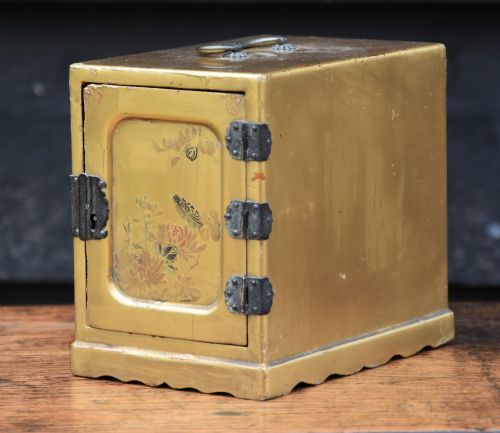
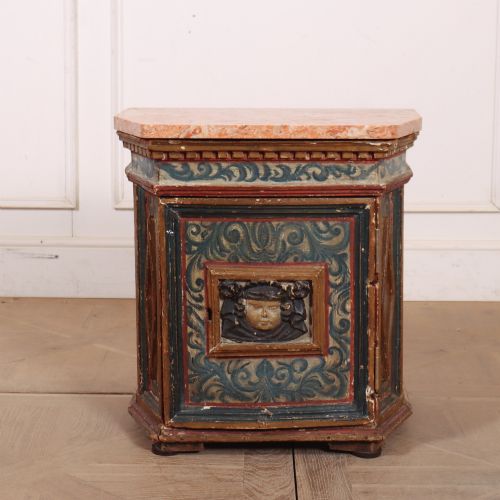
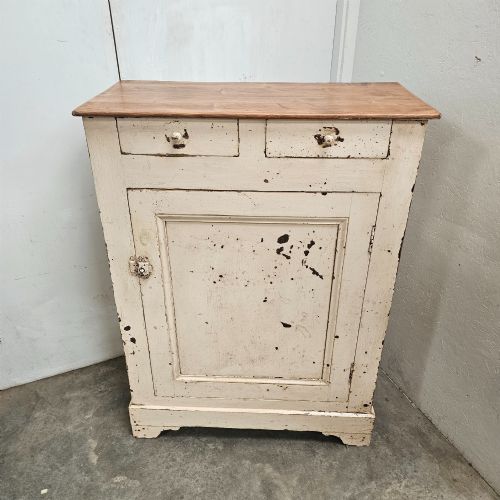
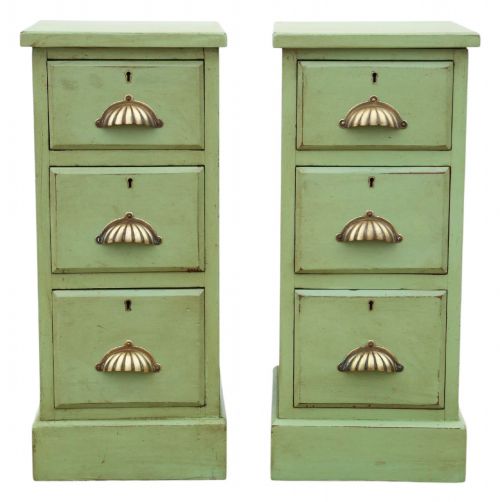
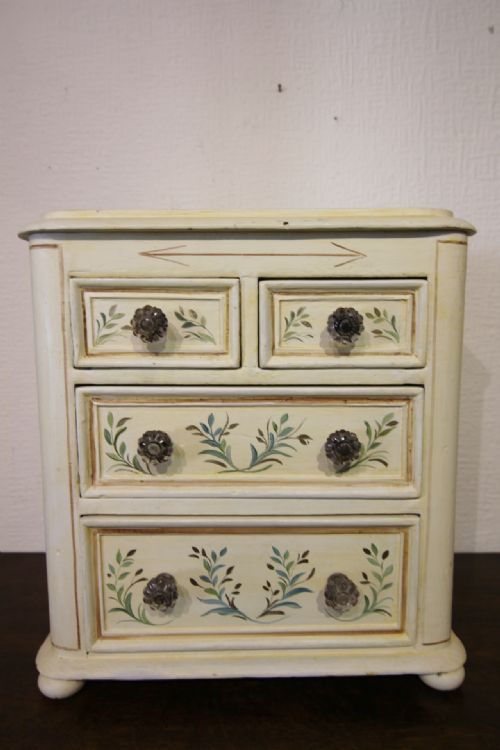
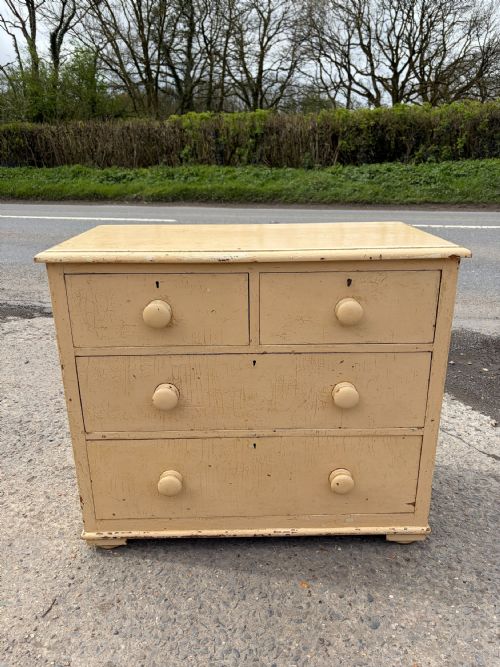
A small painted chest encompasses a wide variety of compact storage furniture, ranging from miniature apprentice drawers and bedside cabinets to commodes and coffer boxes. These pieces serve practical storage needs while bringing decorative surface art into smaller rooms or specific corners.
The versions most frequently met on this page are constructed from pine and other woods, emerging from 19th-century traditions as well as earlier periods. They span regional English, French, Italian, and Scandinavian styles, often featuring vernacular or folk art finishes.
Beyond standard drawer units, the selection includes specialised forms such as apothecary cabinets, spice cupboards, strong boxes, and miniature chests with secret drawers. Each type reflects the domestic or workshop requirements of its original period.
How they were made
Makers utilised solid pine and regional hardwoods as the primary structural foundations for these boxes, commodes, and chests. Iron and brass hardware, including hinges, locks, and handles, provide both structural reinforcement and functional detail.
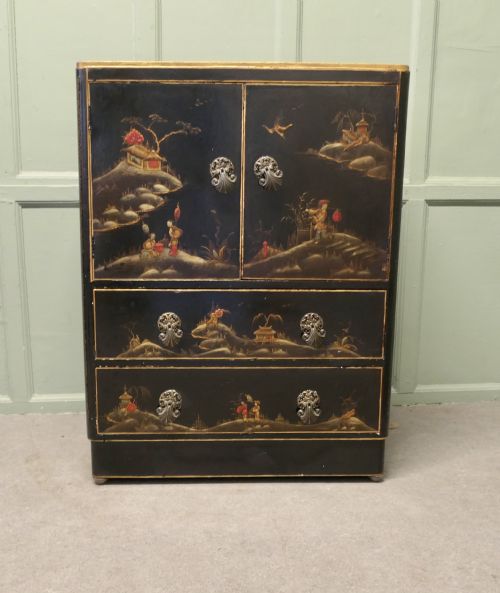
Surfaces received decorative treatments involving applied paint, gold leaf, lacquer, and simulated wood finishes. Artisans applied these coatings by hand, creating distinct folk art patterns, Chinoiserie scenes, or faux marble effects.
Several miniature chests conceal secret drawers designed to outsmart curious hands.
What varies in quality
Quality rests upon the preservation of the original painted surface and the integrity of the underlying timber construction. Pieces retaining their authentic, undisturbed period decoration command greater interest than later repainted examples.
The sophistication of the joinery and the subtlety of the painted motifs distinguish standard utility items from finer provincial or court work. Proportions, decorative restraint, and the survival of original brass or iron fittings further separate the tiers of craftsmanship.
The Small Painted Chest Glossary
- Commode
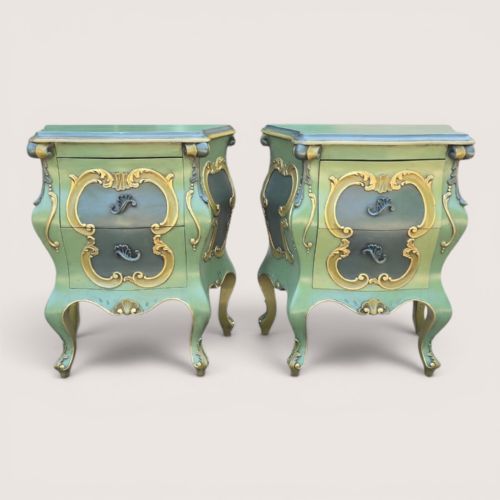
- A low chest of drawers or cabinet, often standing on relatively tall legs. French examples from the 18th and 19th centuries frequently display serpentine fronts or delicate painted decoration.
- Coffer
- A box or chest used for storing valuables, traditionally featuring a hinged lid and robust construction. Regional variants include dome tops and metal bindings.
- Chinoiserie
- A European artistic style reflecting Chinese motifs and techniques, often applied as lacquer or painted decoration on cabinets and cupboards. The aesthetic gained popularity during the 18th and early 20th centuries.
- Mule chest
- A traditional chest featuring one or more drawers at the base beneath a primary storage compartment with a hinged lid. They frequently combine pine or oak construction with painted finishes.
Small Painted Chest: Frequently Asked Questions
Where should I place a small painted chest?
These compact chests fit well in bedrooms as bedside tables or in hallways where floor space is limited. Their decorative surfaces allow them to function as standalone accent pieces in living areas.
Ensure the selected spot protects the painted finish from direct, harsh sunlight and excessive moisture fluctuations to preserve the wood and pigment.
How do I care for antique painted wood?
Dust the surface gently with a soft, dry cloth and avoid using modern chemical polishes or abrasive cleaners. Maintaining stable indoor humidity prevents the underlying pine or hardwood from shifting and cracking the paint.
Inspect the hardware occasionally to ensure iron and brass fittings remain secure without damaging the surrounding timber.
How do I distinguish regional styles?
Scandinavian and English pieces often utilise native pine with distinct folk art motifs or straightforward vernacular lines. French and Italian examples tend to feature more curved silhouettes, such as serpentine fronts, alongside refined giltwood or provincial finishes.
Examining the construction methods and the specific palette of the painted decoration helps identify the geographic origin.
Were these chests used for travel?
Strong boxes, dome-top boxes, and tin caskets were built with robust iron bindings and secure closures for transporting valuables or documents. Standard chests of drawers and bedside cabinets remained stationary domestic furniture used inside homes.
The presence of sturdy metal handles and reinforced corners usually indicates a piece intended for secure storage or movement.