



English Country Nightstand
An english country nightstand brings quiet rustic utility to a bedroom, offering sturdy storage fashioned from honest pine, oak, and painted wood.
English Country Nightstand
When you search for an english country nightstand, you encounter practical bedside cabinets, lamp tables, and small chests of drawers intended for intimate spaces. These pieces span the 18th century, the Georgian era, and into the late 19th and early 20th centuries.
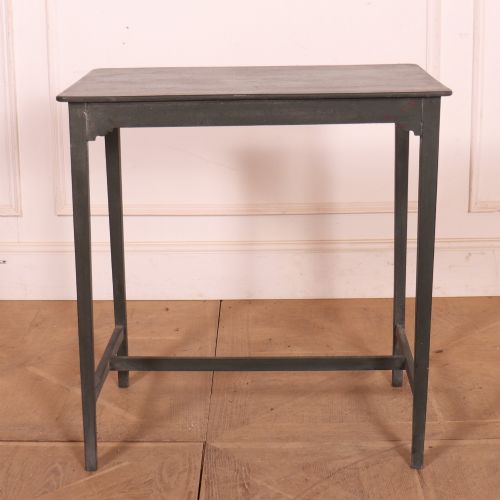
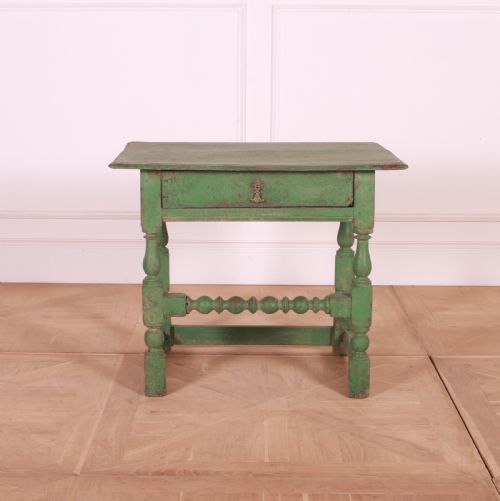
The version you are most likely to meet on this page is an oak or painted lamp table or a compact bedside cabinet. Their forms remain straightforward and utilitarian, built to serve daily needs beside a bed.
Originating within English provincial traditions, these items carry the straightforward aesthetics of regional craftsmanship. They combine everyday utility with the understated charm of antique timber and painted finishes.
How they were made
Carpenters relied principally on solid oak, pine, and mahogany to construct these sturdy bedside forms. Timber was selected for durability, forming flat tops and functional cabinet bodies designed to withstand daily use.
Surfaces frequently received layers of paint or simulated painted wood finishes, alongside decorative techniques such as Chinoiserie ornamentation. Brass hardware often provided functional pulls and hinges for doors and drawers.
Listings feature pieces spanning the 18th century, Georgian period, 1890, and 1920, utilising oak, pine, mahogany, and painted wood.
What varies in quality
Quality rests in the integrity of the timber selection and the restraint of the decorative scheme. Pieces executed in solid oak or fine mahogany exhibit a permanence that lighter secondary woods lack.
The execution of painted finishes and Chinoiserie decoration dictates visual success. Subtle hand-painted details and well-preserved simulated timber grain elevate a standard utility table into a more distinguished object.
The English Country Nightstand Glossary
- Lamp table
- A small freestanding table designed to support a light source or keep nighttime essentials close at hand. These compact surfaces appear frequently throughout 18th and 19th-century English rooms.
- Bedside cabinet
- A small enclosed piece of furniture featuring a door or drawers to conceal personal items beside a bed. They provide discreet storage within a bedroom.
- Chinoiserie
- European decorative style reflecting Chinese artistic motifs, often applied in painted designs on furniture. This ornamental technique appears on select 20th-century side cabinets.
- Simulated painted wood
- A decorative surface treatment where paint is manipulated to mimic the grain and appearance of a more expensive timber. Artisans utilised this method to achieve rich visual effects on accessible woods.
English Country Nightstand: Frequently Asked Questions
What is an english country nightstand?
An english country nightstand encompasses small utilitarian forms such as lamp tables, bedside cabinets, and compact chests of drawers. These pieces date from the 18th century through to the early 20th century.
Built primarily from oak, pine, and mahogany, they reflect traditional English provincial woodworking. Their primary function is to provide accessible surface space and storage beside a bed.
How do I date these pieces?
Dating relies upon identifying construction methods, timber choices, and stylistic markers associated with specific periods like the Georgian era or the 19th century. Examining the joinery and hardware offers clear chronological clues.
Additionally, the presence of specific decorative finishes, such as Chinoiserie or period paintwork, helps narrow the historical origin of the item.
Where were these cabinets used?
These pieces were built for domestic bedrooms and private chambers to hold lighting, books, and personal belongings. Their modest proportions allowed them to fit snugly into smaller sleeping quarters.
Over time, many have transitioned into general living spaces as lamp tables or small side cabinets.
What materials are typical?
Solid oak, pine, and mahogany form the structural core of these items, supplemented by brass for hinges and pulls. Painted wood and simulated painted finishes also appear regularly.
These materials were chosen for their local availability and structural reliability in everyday furniture.