
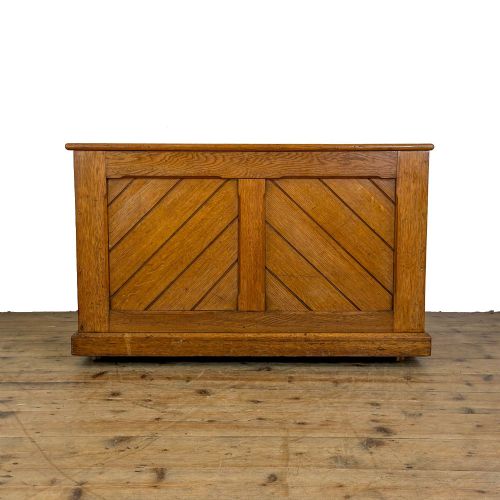
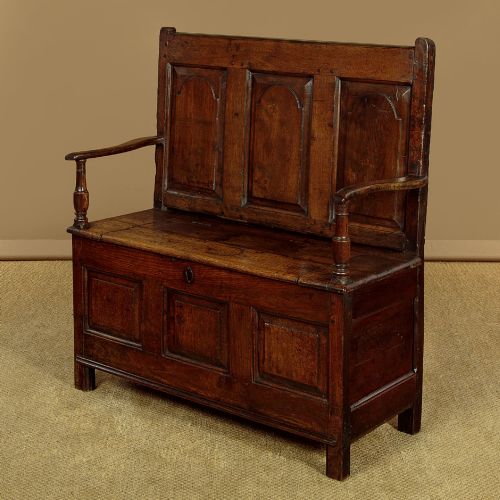
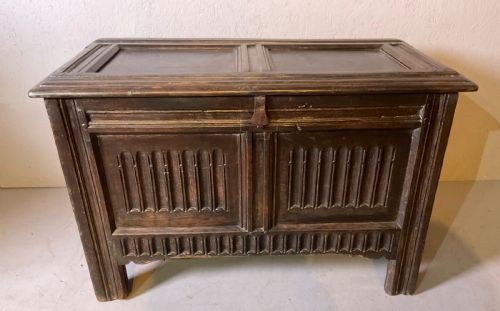

Small Oak Coffer Box
When you search for a small oak coffer box, you are looking at compact domestic storage dating from the seventeenth and eighteenth centuries.
Small Oak Coffer Box
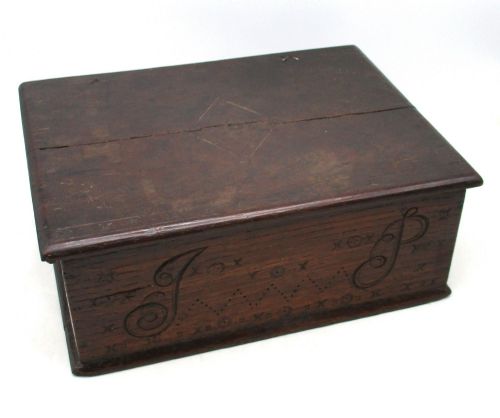
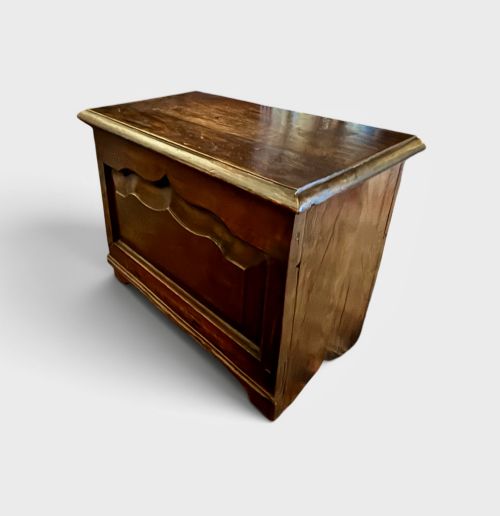
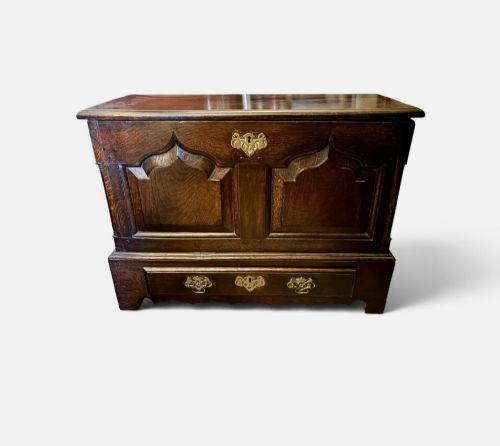
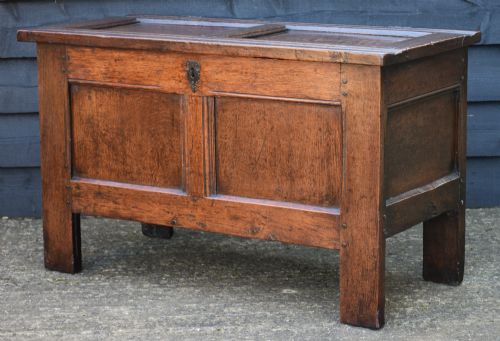
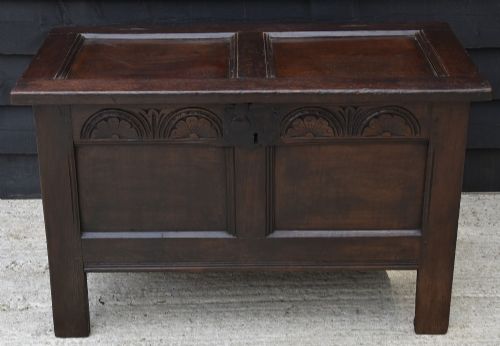
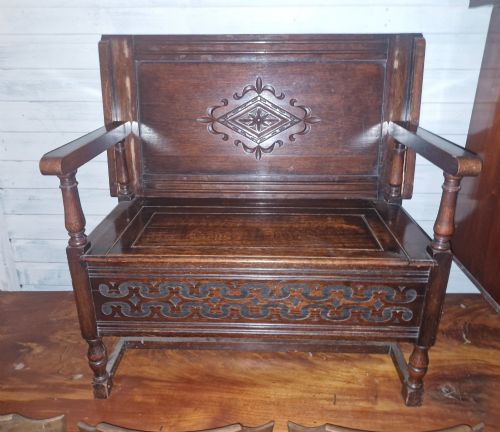
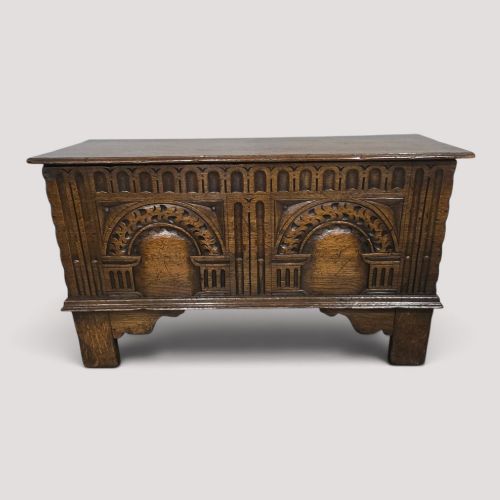
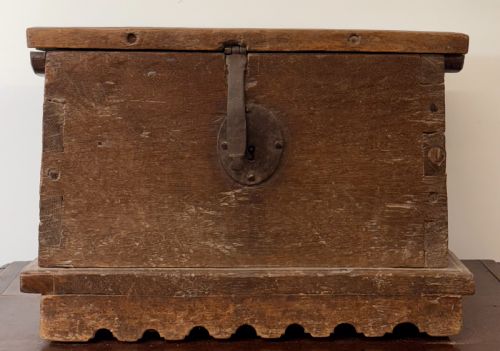
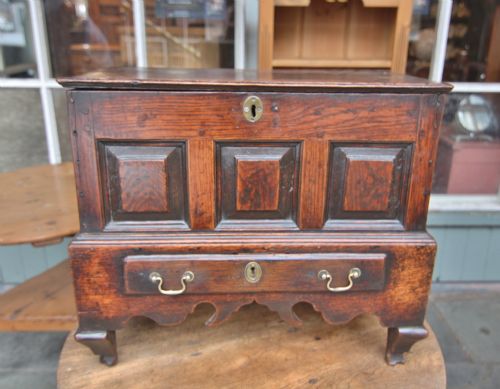
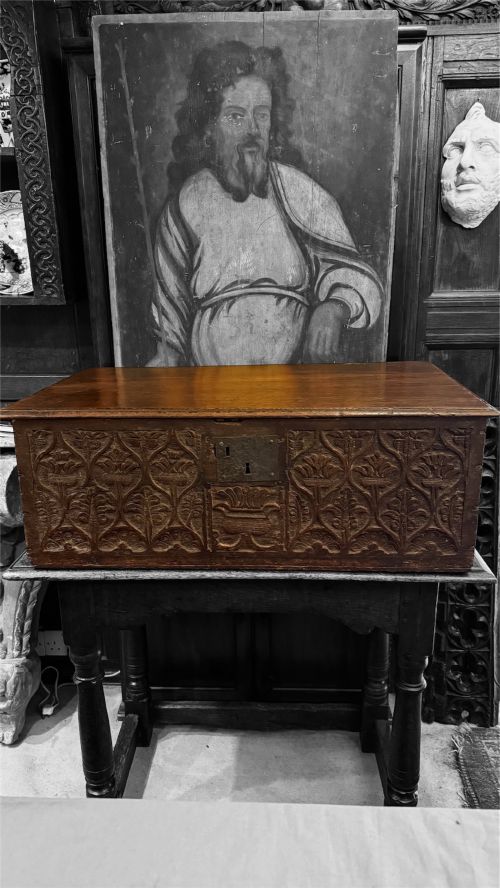
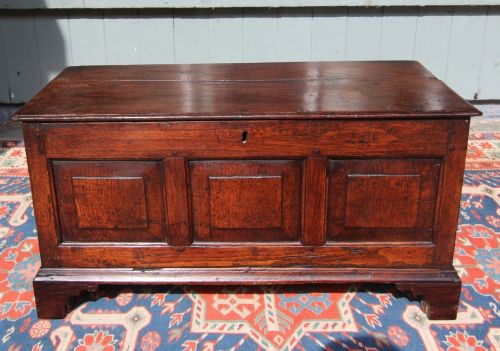
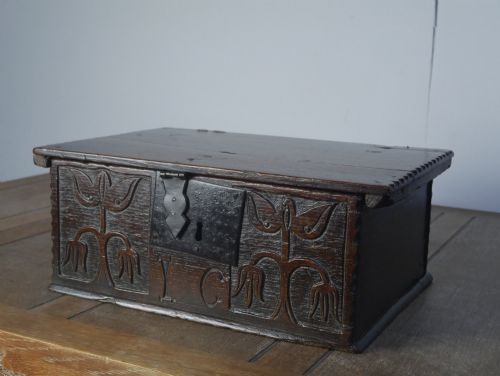
A small oak coffer box provides sturdy compartmentalised storage in domestic interiors, ranging from simple boarded trunks to panelled strongboxes and diminutive Welsh coffer bach chests. The examples on this page span the sixteenth century through to later revival periods, capturing both English vernacular traditions and continental workshops.
Many survivors show adaptive domestic uses, functioning historically for textiles, valuables, or writing materials. Their modest proportions suit modern living spaces where floor area is at a premium yet historical character is desired.
Materials and construction
The primary material across these pieces is solid oak, supplemented occasionally by chestnut and accented with iron hinges, brass escutcheons, and wrought iron strapwork. Timber was typically cleft or quarter-sawn, yielding strong boards that resisted warping over centuries of domestic service.
Joinery relies on traditional pegged mortise and tenon frames surrounding floating panels, or simple dovetailed and nailed corners on boarded boxes. Carving, when present, utilises gouge work, lunette motifs, linen fold panels, or geometric punch patterns directly into the structural wood.
Factors of distinction
Quality rests upon the crispness of surviving timber figures, the integrity of original joinery, and the degree of structural survival. Pieces retaining their initial hinges, locks, and internal till compartments command greater historical interest than those with replaced elements.
The sophistication of the surface carving and the balance of proportions distinguish regional vernacular pieces from finer urban workshop productions. Original untouched patination and surface colour without excessive modern intervention signal a higher standard of preservation.
The Small Oak Coffer Box Glossary
- Bible box
- A small sloped or flat-topped box designed to securely store religious texts and writing paraphernalia. They frequently sit upon tables and display carved or inscribed fronts.
- Linen fold
- A carved wooden panel motif imitating folded cloth or linen drapery. This decorative technique appears frequently on sixteenth and seventeenth-century English and continental furniture.
- Mortise and tenon
- A fundamental woodworking joint where a peg or tenon fits snugly into a corresponding hole or mortise. It provides robust structural rigidity without relying on metal fasteners.
- Till
- A small internal compartment or partitioned box tucked inside a larger coffer for coins or documents. It often includes its own tiny lidded section.
Small Oak Coffer Box: Frequently Asked Questions
What were small oak coffers used for?
These compact chests served multiple household functions, from safeguarding important family documents, deeds, and Bibles to storing precious textiles, personal valuables, and small amounts of currency.
Their robust construction and lockable lids ensured that vulnerable items remained secure in busy domestic environments before the widespread use of dedicated cabinetry.
How do I date an antique oak coffer?
Dating relies on observing construction methods, such as the transition from boarded joints to framed panel construction, alongside the style of any surface carving like lunettes or geometric strapwork.
Tool marks, timber preparation methods, and hardware styles including iron butterfly hinges or lock plates provide further physical clues to the century of manufacture.
What is a coffer bach?
A coffer bach is a traditional Welsh miniature chest, typically featuring a lift-up lid above a single small drawer and supported by bracket or turned feet.
These pieces were historically made by local joiners as treasured domestic items or gifts, combining storage utility with decorative regional craftsmanship.
How should I care for an oak box?
Maintain stable indoor humidity levels and keep wooden coffers away from direct heat sources, radiators, or strong sunlight that can dry and split antique timber.
Occasional dusting with a soft, dry cloth preserves the dry-scraped or waxed patination without building up modern chemical residues.