


Small Oak Book Cabinet
These small oak book cabinet pieces offer compact storage with architectural character, pairing period timber with practical shelving for everyday rooms.
Small Oak Book Cabinet
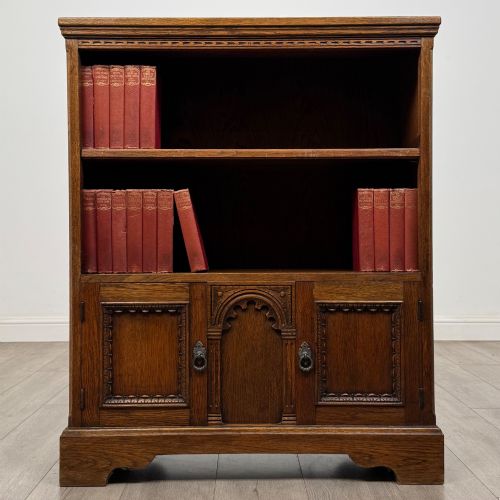
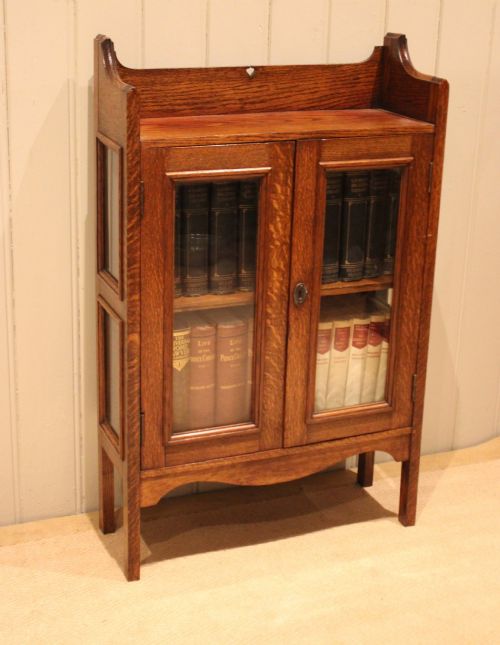
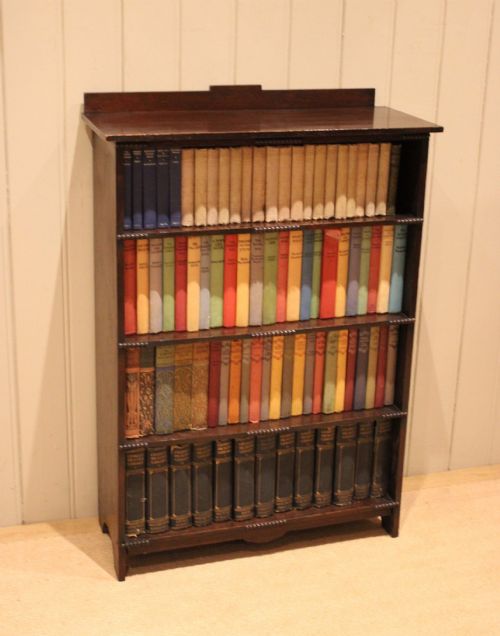
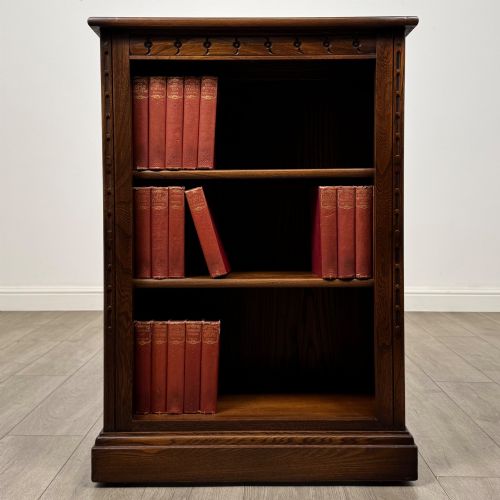
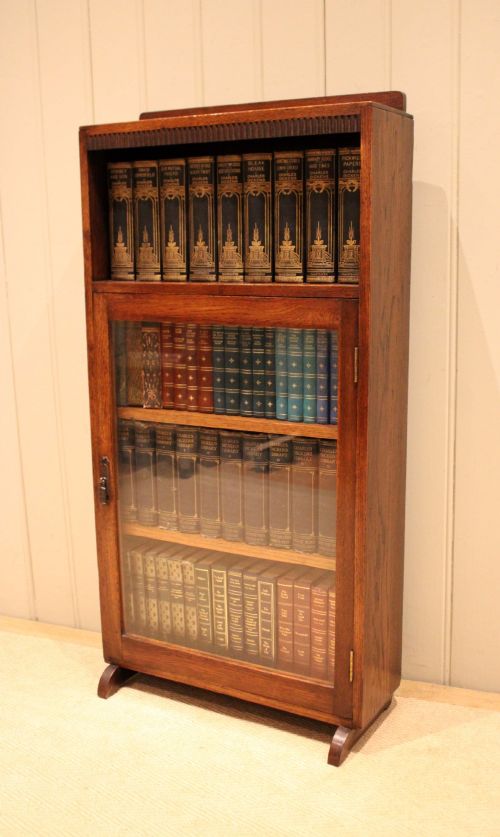
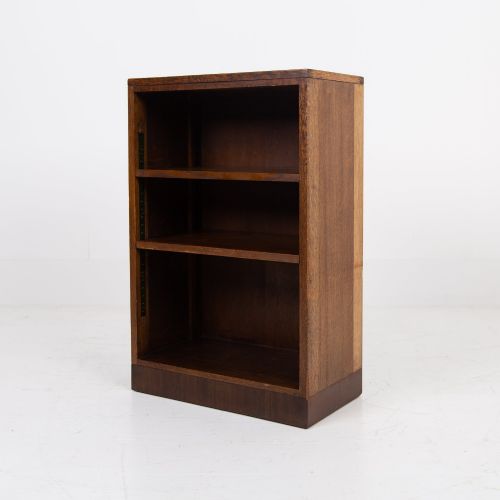
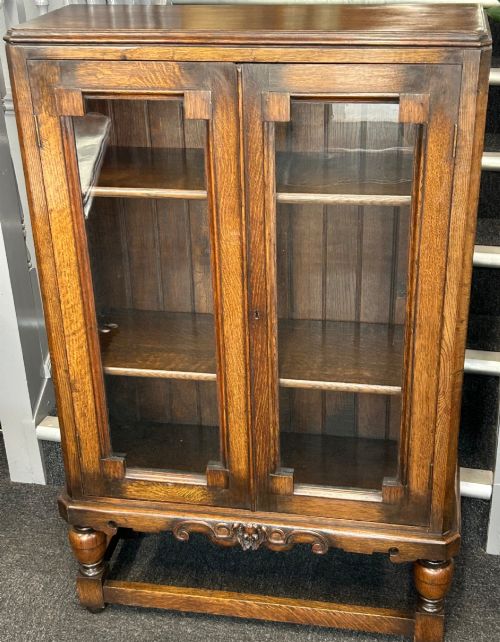
A small oak book cabinet provides compact storage for volumes and display, combining open shelving or glazed doors with sturdy timber construction. You meet versions spanning the Edwardian period, nineteen hundreds, nineteen twenties, and nineteen thirties, alongside nineteenth century examples.
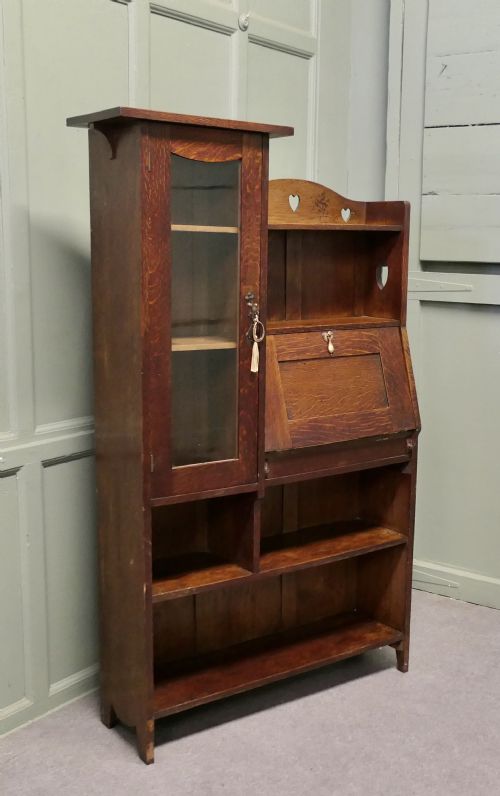
The forms vary from open beaded edge bookcases and part glazed cupboards to students' bureaux and low cabinets with galleries. These pieces suit studies, hallways, and compact reception rooms where floor space remains limited.
Revival styles heavily influence the selection, with Jacobean Revival, Arts and Crafts, Art Deco, and Tudor Revival interpretations appearing regularly. The construction prioritises domestic utility, housing collections while adding period presence.
Materials and construction methods
Makers utilised solid oak and dark oak across these pieces, often selecting timber with pronounced grain and quarter-sawn figuring. Construction relied on traditional joinery methods to ensure stability in daily use.
Glass panels feature in glazed and part-glazed doors, while metal, brass, and iron appear as hinges, handles, and decorative fittings. Selected desks and bureaux incorporate leather inserts to writing surfaces.
Listings feature oak combined with glass, brass, iron, and leather across Edwardian, Art Deco, and revival styles.
Judging quality and proportion
Superior examples demonstrate careful selection of oak timber, exhibiting rich grain patterns and consistent colour across the panels and shelves. Finer pieces maintain balanced proportions, particularly in compact forms where every inch affects the silhouette.
The integration of hardware, from brass fittings to iron hinges, distinguishes better workshops. Detail work such as beaded edges, carved galleries, and neatly fitted glazing bars separates standard utilitarian items from more considered designs.
The Small Oak Book Cabinet Glossary
- Jacobean Revival
- A nineteenth and twentieth century style mimicking seventeenth century British woodwork, characterised by heavy mouldings and geometric panels.
- Arts and Crafts
- A design movement valuing visible construction, honest materials, and handcrafted detail over factory ornamentation.
- Beaded edge
- A narrow rounded moulding applied to the corner or border of a shelf or panel, adding subtle definition.
- Gallery
- A small decorative railing or pierced wooden border running along the top edge of a cabinet or table.
- Bureau
- A desk fitted with a sloping hinged writing flap that covers pigeonholes and small drawers.
Small Oak Book Cabinet: Frequently Asked Questions
Where should I place a small oak book cabinet?
These compact cabinets suit smaller rooms, alcoves, and narrow hallways where full-sized shelving overwhelms the space. They provide accessible storage without dominating the floor plan.
Position them away from direct heat sources and strong sunlight to protect the oak timber and any leather writing surfaces from drying out.
How do I care for the oak surface?
Dust the timber regularly with a dry cloth and occasionally apply a traditional beeswax to nourish the wood and maintain its natural sheen. Avoid silicone-based polishes that build up over time.
Keep the humidity in the room stable to prevent the oak from expanding or contracting excessively through seasonal changes.
What is the difference between open and glazed versions?
Open bookcases provide immediate access to volumes and create a lighter visual presence in a room. Glazed cabinets protect books from dust and environmental wear behind glass doors.
Both forms utilise similar oak construction, allowing you to choose based on whether you prefer display or enclosed storage.
How do I identify Edwardian versus later pieces?
Edwardian and nineteen-hundreds pieces often display lighter oak tones and refined Arts and Crafts influences. Examples from the nineteen twenties and nineteen thirties frequently feature darker finishes and bolder revival styling.
Construction details and hardware styles also help distinguish between the Edwardian era and the interwar period.