


Small Mahogany Lamp Stand
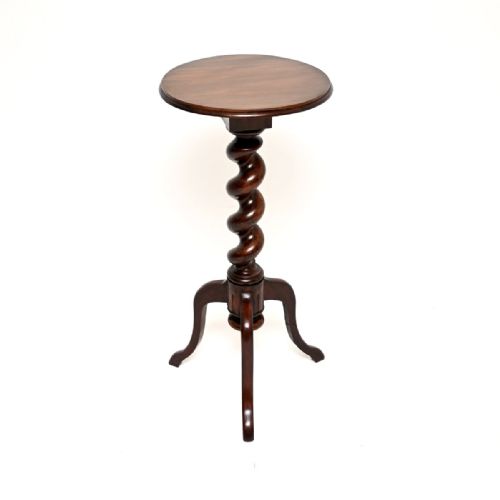
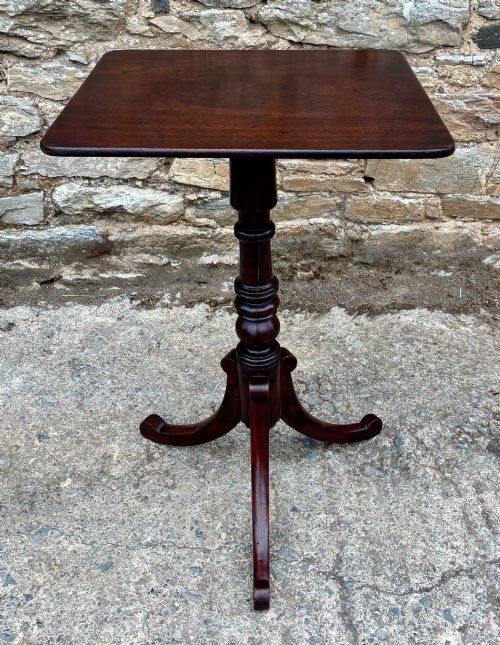
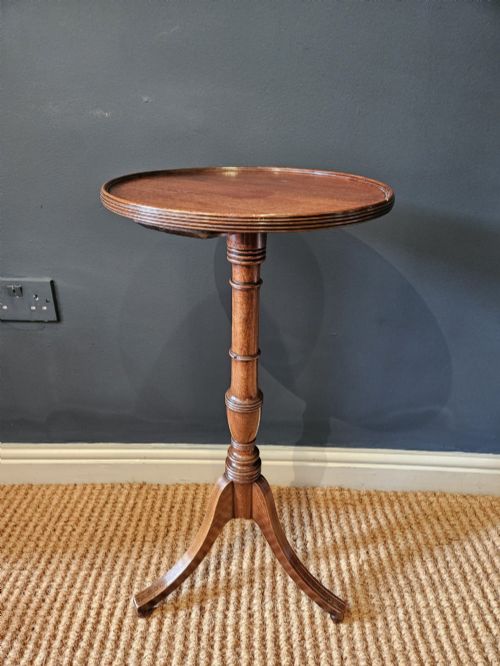
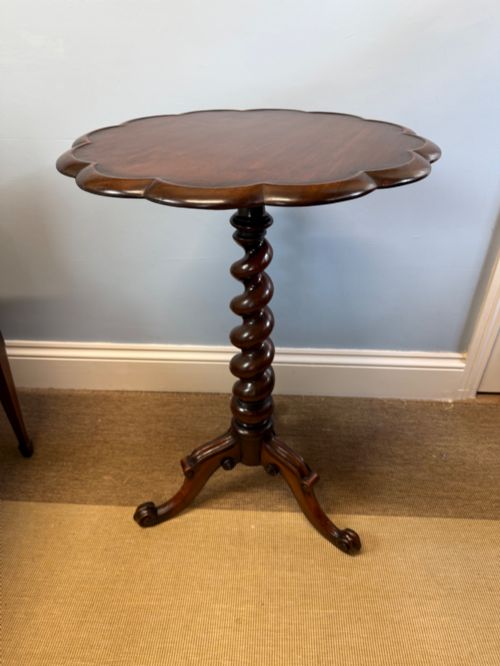
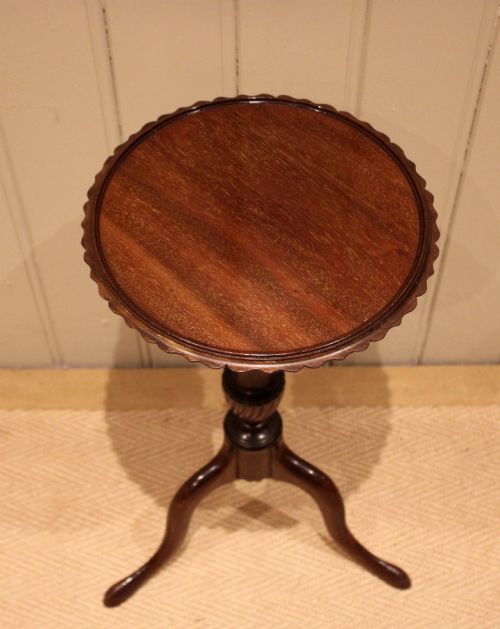
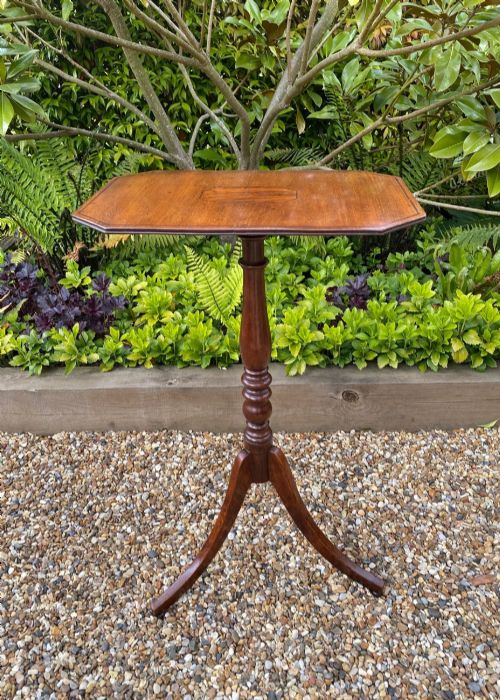
A small mahogany lamp stand brings portable, upright timber and a neat surface to corners where larger furniture crowds the room.
Small Mahogany Lamp Stand
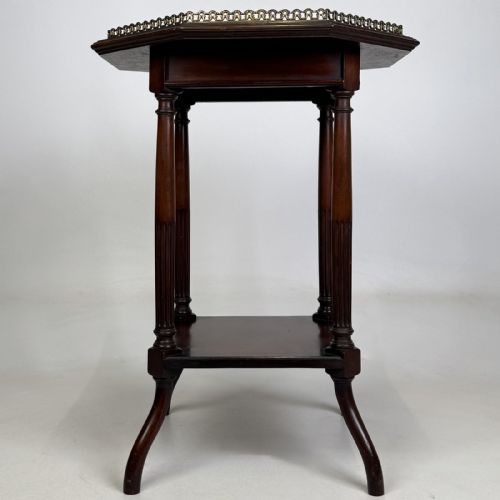
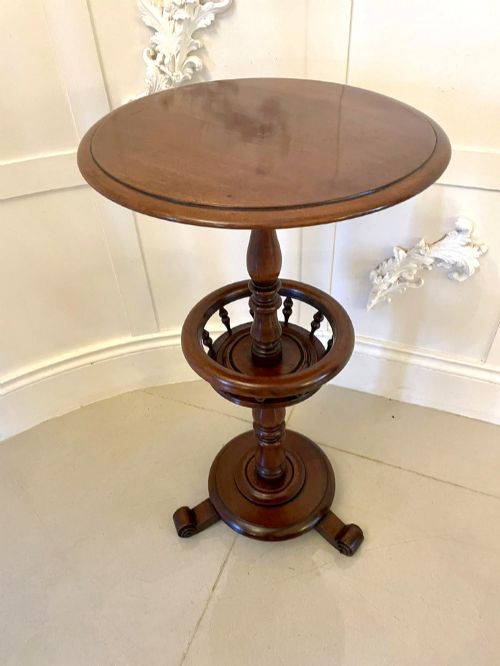
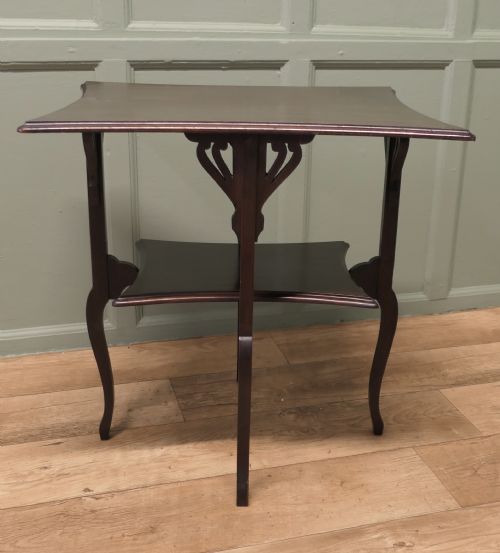
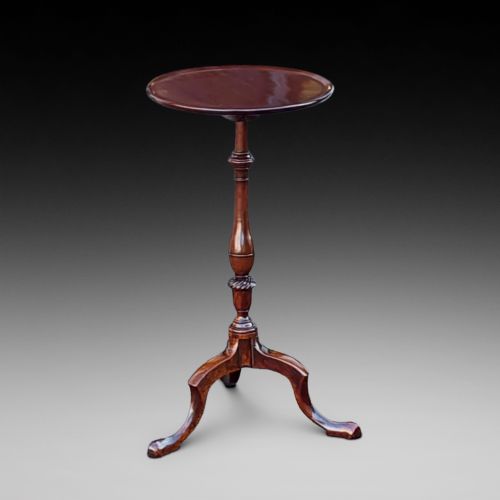
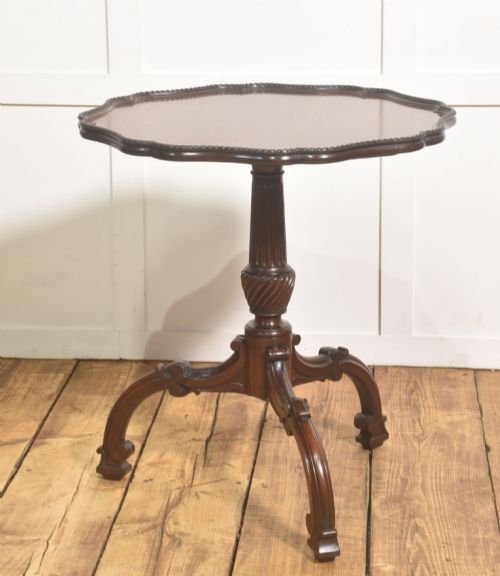
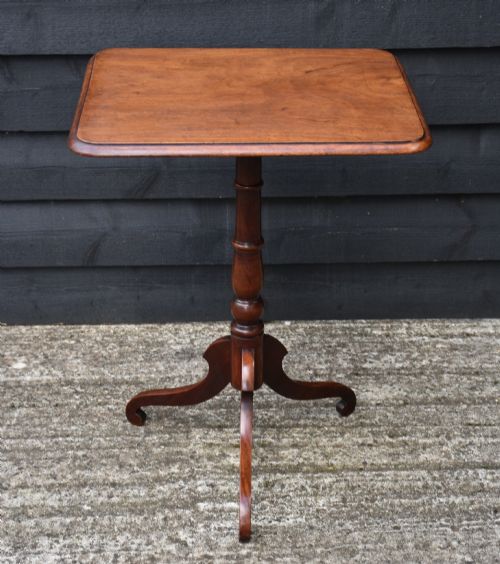
A small mahogany lamp stand serves as a versatile piece for holding illumination or small objects beside seating, appearing frequently in forms such as wine tables, occasional tables, and tripod stands. These tables span several centuries and design movements, stretching from the Georgian and Regency periods through the Victorian era and into Edwardian and later twentieth-century interpretations.
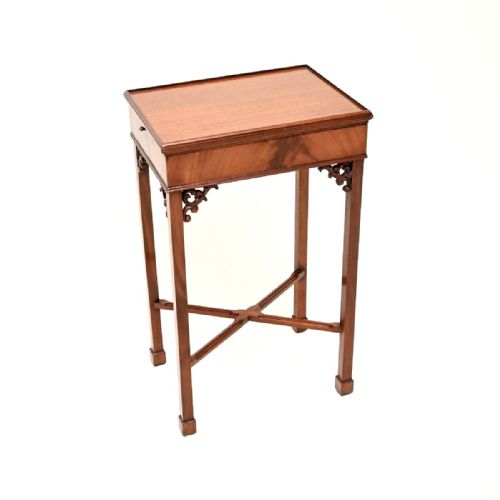
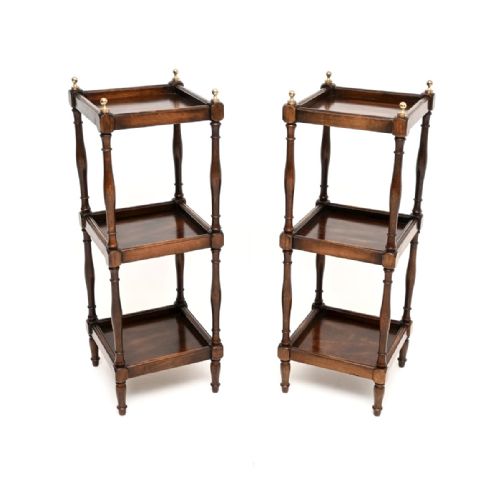
Buyers will most commonly encounter Edwardian and nineteenth-century examples on this page, often featuring circular or oval tops supported by slender tripod bases. Alongside traditional wine tables, the selection includes occasional tables, bedside cabinets, and urn stands executed in various regional revivals.
The practical footprint of these stands makes them easy to integrate into domestic spaces, functioning equally well as bedside supports or corner display surfaces. Their modest scale ensures they remain movable accents rather than dominant room fixtures.
Evaluating quality and execution
Distinction across the range lies in the crispness of the timber selection, the stability of the central column and tripod joints, and the finesse of any inlaid decoration. Finer examples display carefully matched veneer grains and refined turning on the pillar supports.
Proportion and execution set superior pieces apart from simpler utilitarian items, particularly in how securely the top attaches to the base and whether mechanisms like tilt-tops operate smoothly. The subtlety of edge profiling, such as shaped pie crust rims, further indicates the standard of workshop output.
Listings span several eras, recording periods from the Georgian and Regency epochs through the Victorian era to Edwardian and 1930s examples.
Druce & Co London·Waring & Gillow
The Small Mahogany Lamp Stand Glossary
- Tripod table
- A small circular table supported by a pillar above three spreading legs. This design provides stability on uneven floors.
- Wine table
- A compact occasional table originally intended for holding glasses or bottles during social gatherings. They often feature circular tops and slender pedestals.
- Inlay
- A technique where pieces of contrasting wood, such as boxwood or satinwood, are inserted into recessed portions of the mahogany surface to create patterns. It enhances the visual depth of the timber.
- Tilt-top mechanism
- A hinge arrangement allowing the table top to be folded vertical when not in use. This feature enabled easy storage against walls in period interiors.
- Marquetry
- Elaborate veneer patterns applied to a surface using various coloured woods to form pictorial or geometric designs. It represents a high level of cabinet-making skill.
Small Mahogany Lamp Stand: Frequently Asked Questions
What is a small mahogany lamp stand used for?
These compact tables function primarily as movable surfaces for lighting, drinks, or decorative objects beside chairs and beds. Their modest footprint allows them to occupy tight corners and spaces where full-sized tables would not fit.
Historically, specific variants like wine tables and urn stands served domestic hospitality routines, while modern interiors utilise them as adaptable accent furniture.
How do I date a mahogany lamp stand?
Dating relies on observing structural characteristics, timber usage, and stylistic markers associated with specific periods like Georgian, Regency, or Edwardian. For instance, tripod bases with refined turned columns often point to eighteenth or early nineteenth-century manufacture.
Later Edwardian pieces frequently incorporate subtle string inlay or lighter framing, reflecting the revival tastes of the early twentieth century.
Are these tables sturdy enough for daily use?
Most tripod and occasional stands are engineered to support lamps, books, and cups securely despite their slender appearance. The three-legged design naturally accommodates uneven floor surfaces without rocking.
Care should be taken with tilt-top mechanisms and delicate pillar joints when moving the furniture around a room.
What is the difference between a lamp table and a wine table?
While both terms describe small occasional stands with central pillars, wine tables traditionally feature smaller circular tops intended for holding glasses. Lamp tables sometimes offer slightly broader surfaces suited to accommodate the base of a light fixture.
In practice, historical makers and modern dealers often use these terms interchangeably for similar compact table forms.