
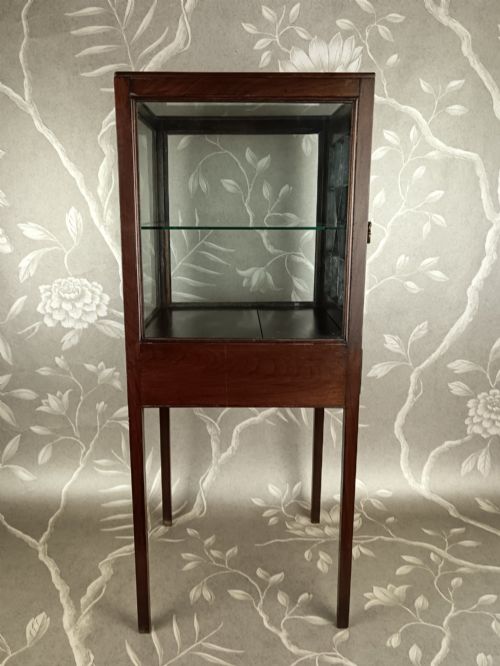
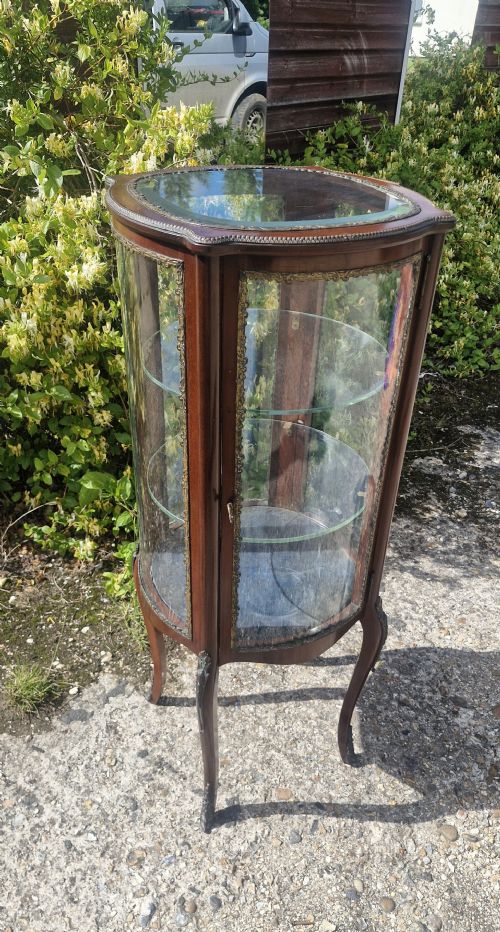


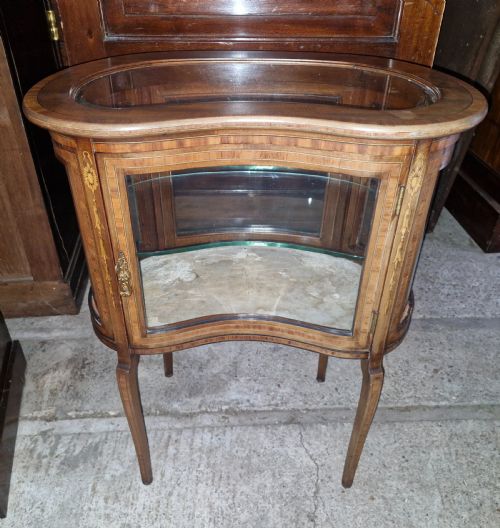


Small Mahogany Glazed Table
A small mahogany glazed table displays precious objects beneath glass, bringing elegant nineteenth and early twentieth century craftsmanship into your home.
Small Mahogany Glazed Table
When you search for a small mahogany glazed table, you are looking at specialised display furniture designed to showcase jewellery, curiosities and small treasures. The selection relies heavily on Edwardian and Victorian pieces, alongside Georgian, Regency and early twentieth century examples.
The forms span bijouterie tables, display cabinets, vitrines and writing desks with glass tops. You will frequently meet Edwardian inlaid versions featuring glass lids designed specifically for tabletop viewing while standing or sitting.
Assessing quality
Quality rests upon the crispness of the mahogany grain, the precision of the satinwood inlay and the delicacy of the timber framing. Finer examples balance sturdy leg construction with slender proportions that keep the cabinet light in appearance.
The execution of brass or ormolu mounts and the snug fit of the glazed lid separate standard production from superior cabinetmaking. Thoughtful integration of velvet or fabric linings also marks out a better resolved piece.
Listings span Edwardian, Victorian, Georgian, and Regency periods, utilising mahogany, glass, brass, velvet, and ormolu.
EDWARDS and ROBERTS
The Small Mahogany Glazed Table Glossary
- Bijouterie table
- A specialised display table with a glazed compartment beneath the top surface, historically used for showing small valuables and trinkets.
- Vitrine
- A glass-fronted or glass-topped cabinet designed primarily for the exhibition of porcelain, silver and curiosities.
- Ormolu
- Gilded bronze or brass mounts applied to furniture to provide decorative highlights and contrast against the dark mahogany timber.
- Satinwood
- A pale, highly figured timber used extensively for contrasting stringing and decorative marquetry inlay on mahogany surfaces.
Small Mahogany Glazed Table: Frequently Asked Questions
What were small mahogany glazed tables used for?
These tables served primarily to exhibit personal treasures, portrait miniatures, fine jewellery and small curiosities in drawing rooms and reception spaces.
The glass top allowed collectors to display delicate possessions safely while keeping them visible to guests without handling.
How do I date an Edwardian bijouterie table?
Edwardian examples typically display lighter mahogany tones, subtle satinwood inlay, and sometimes delicate stringing or kidney shapes.
Comparing the internal fabric lining and the style of the brass or gilt metal mounts helps confirm the turn of the twentieth century period.
Where should I place a glazed display table?
They suit sitting rooms, studies or hallways where natural light can illuminate the contents through the glass top.
Positioning them away from direct sunlight protects both the mahogany timber and any sensitive fabrics displayed inside the cabinet.
Can I store heavy books on these tables?
These pieces are engineered for light display purposes rather than heavy library use, due to their glazed tops and slender legs.
Placing heavy volumes on the glass surface risks damaging the delicate timber framing and the hinged lid mechanism.