


Small Glass Display
A small glass display provides a compact glazed enclosure for precious items, bringing together timber frames and transparent panels to protect treasured objects.
Small Glass Display
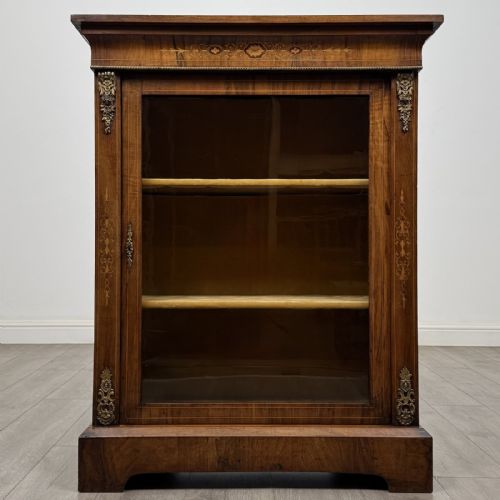
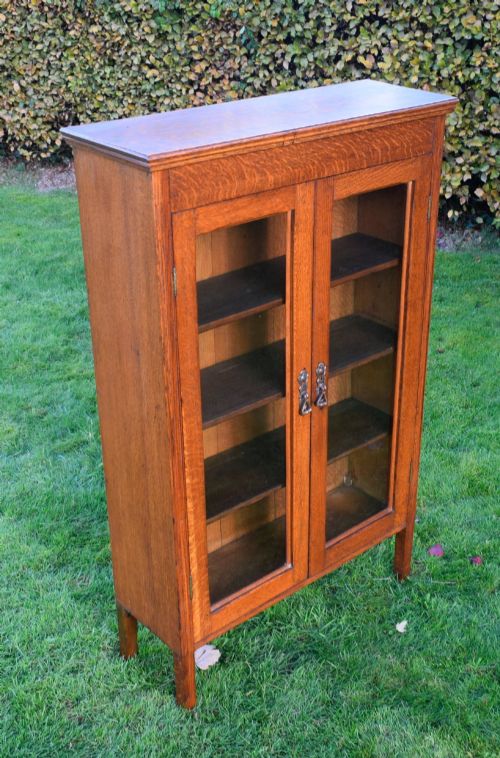
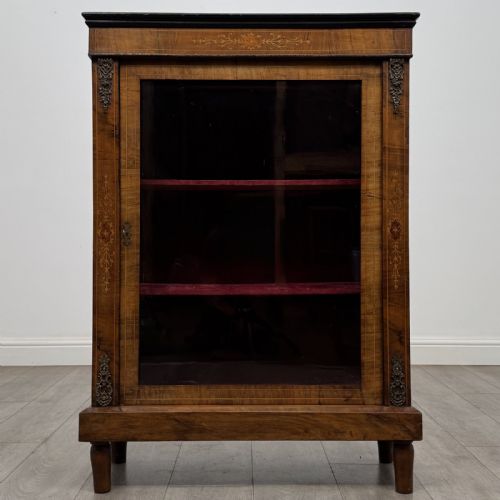
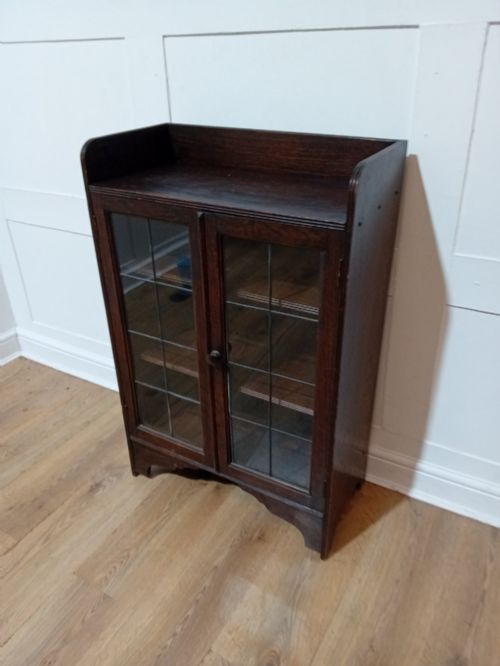
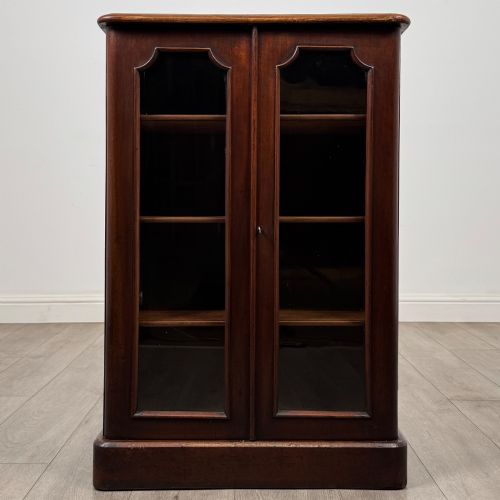
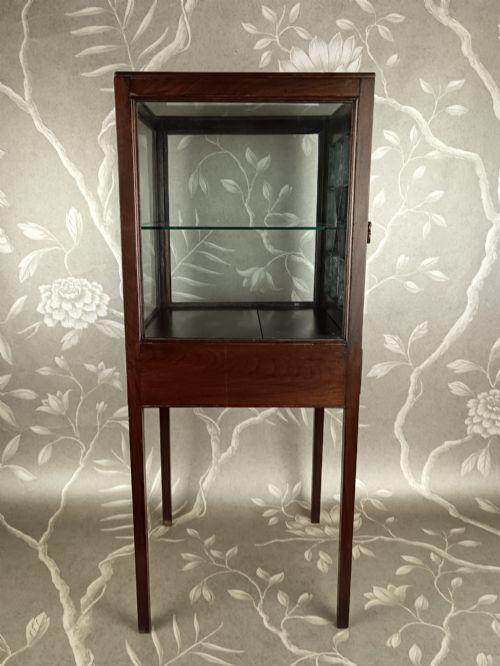
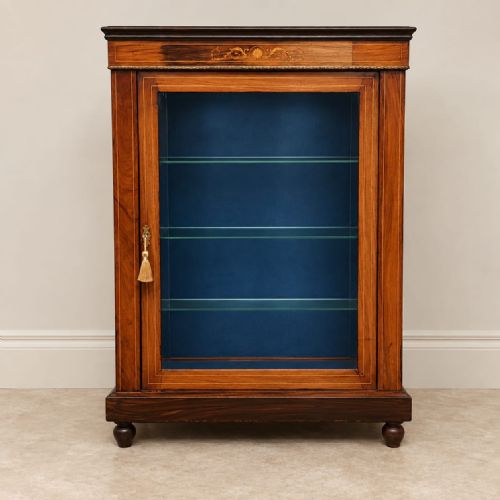
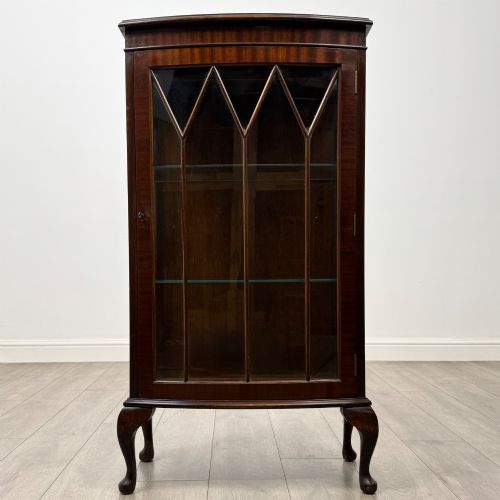
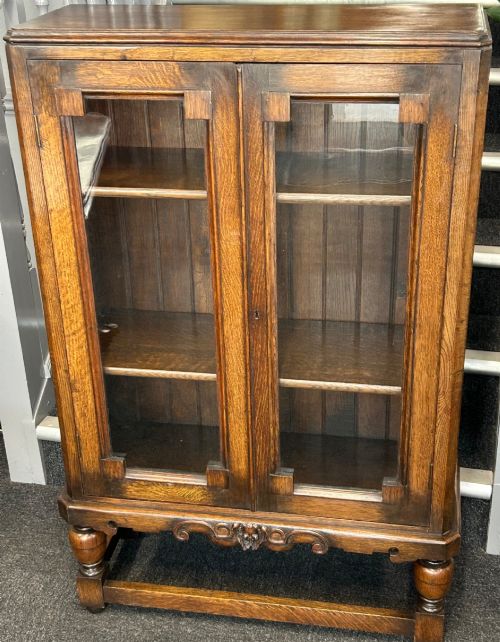
When you search for a small glass display, you encounter a variety of compact glazed furnishings designed to showcase small treasures, books, and curiosities within domestic or commercial interiors. The pieces on this page span several decades and styles, ranging from Victorian pier cabinets and Edwardian inlaid display cabinets to countertop cases and compact bookcases.
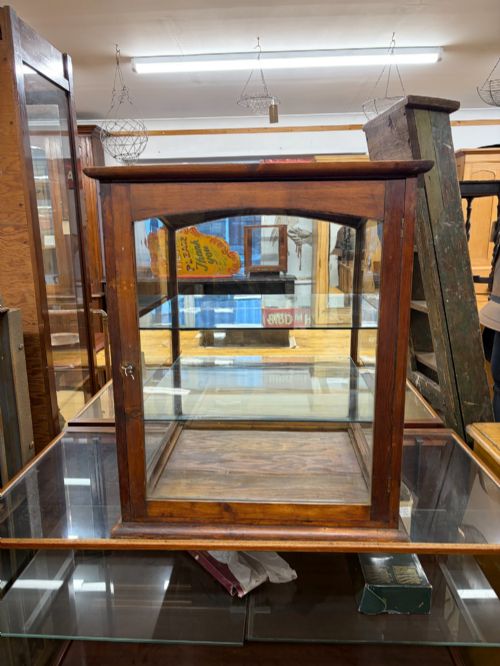
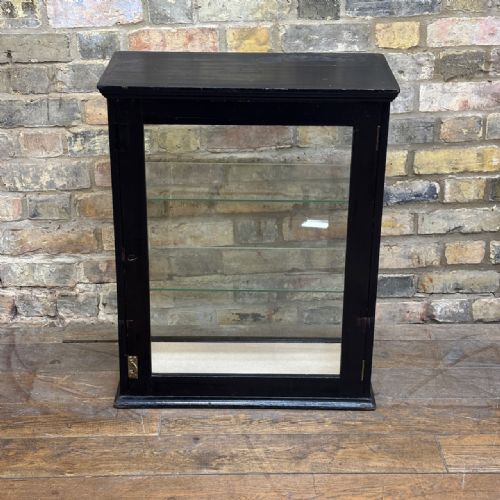
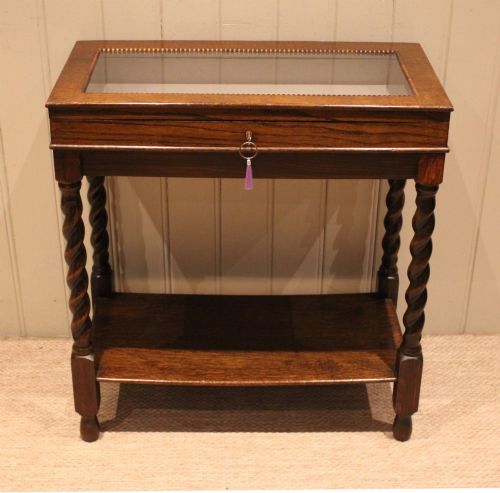
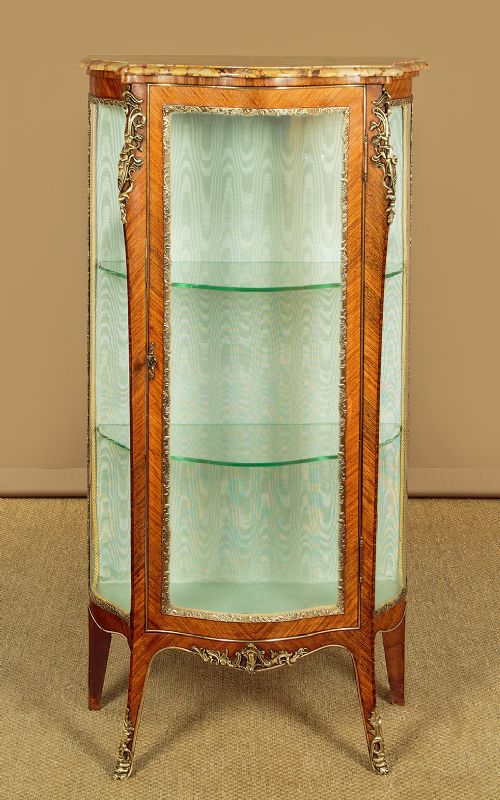
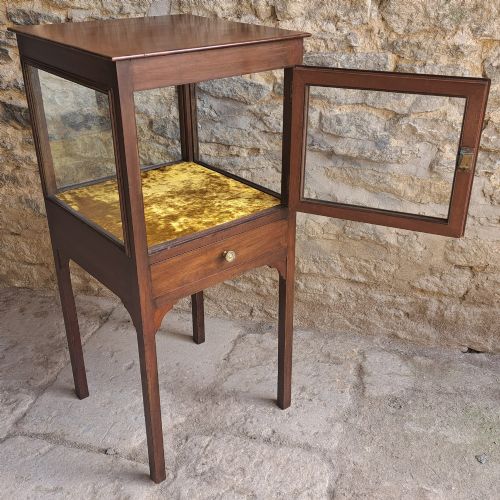
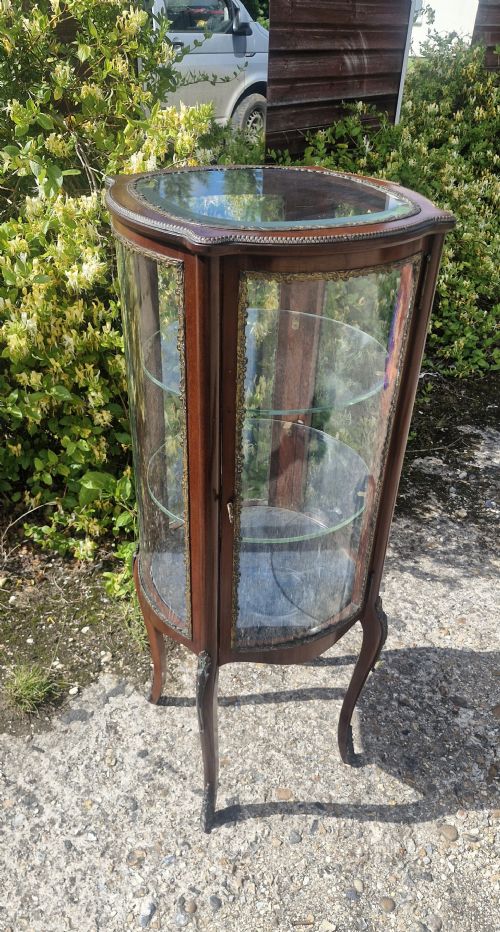
The forms vary from freestanding vitrines and dwarf cabinets to tabletop bijouterie cases and shop display counters. Walnut, mahogany, and oak form the primary timber structures, while glazed doors and panels dominate the elevation to allow clear visibility of the contents within.
Materials and Construction
Cabinet makers utilised a combination of solid timbers and decorative veneers such as burr walnut, satinwood, and kingwood, often enhanced with marquetry inlay or brass ormolu mounts. Glazed panels are framed within timber doors or sliding countertop structures, occasionally accompanied by velvet or fabric linings inside the display area.
Frames rely on traditional joinery techniques suited to the period, with Edwardian and Victorian examples frequently incorporating cabriole legs, gallery rails, or plinth bases. Brass hardware, locks, and hinges secure the glazed doors, while ebonised finishes and painted surfaces appear on specific commercial and Art Deco pieces.
Small Glass Display Retail Price Guide 2026
Typical asking prices for small glass display among the pieces listed under this phrase on Sellingantiques today, from the lower quarter to the upper quarter. They describe what is for sale here now, not the wider market.
Listings feature items from the Victorian, Edwardian, and Art Deco periods, constructed in oak, mahogany, walnut, and satinwood with glass and brass elements.
Distinctions in Quality
The refinement of the timber selection and the intricacy of the decorative elements set different tiers apart, particularly where marquetry, ormolu mounts, or finely figured burr walnut are present. Superior examples demonstrate meticulous joinery in the framing of glazed doors and the harmonious integration of brass hardware.
Proportion and period detail also distinguish the range, as seen in pieces featuring shaped cabriole legs, delicate stringing, or authentic period glass. The consistency of the polish and the integrity of the internal fabric lining contribute further to the distinction between standard commercial items and finer cabinet work.
The Small Glass Display Glossary
- Vitrine
- A glass-fronted cabinet or display case designed specifically for showing porcelain, curiosities, or fine objects. These pieces often feature glazed sides as well as doors to maximise light penetration.
- Bijouterie table
- A low glazed display table with a hinged lid, originally intended for small pieces of jewellery and trinkets. They frequently stand on slender legs with glazed top surfaces.
- Pier cabinet
- A narrow cabinet designed to fit against the wall space between windows, typically fitted with a single glazed door. Victorian examples often incorporate walnut or mahogany with inlaid details.
- Ormolu
- Gilded bronze mounts applied to furniture for decorative effect. This technique appears on French-influenced styles and nineteenth-century cabinets.
- Marquetry
- Decorative veneer patterns formed from different coloured woods fitted together into wood designs. This technique decorates the surfaces of many Victorian and Edwardian cabinets.
Small Glass Display: Frequently Asked Questions
What is a small glass display used for?
These cabinets and cases house collections of porcelain, small silver items, books, and curiosities. They protect delicate objects from dust while keeping them visible.
Countertop and tabletop versions serve both domestic display and retail exhibition purposes. Their compact footprint allows them to fit onto sideboards or into smaller rooms without dominating the space.
Where should I place a small glass display?
These compact pieces suit living rooms, studies, or hallways where wall space or surface area is limited. Placing them away from direct sunlight protects both the timber finish and any fabric linings inside.
Freestanding cabinets and pier units anchor nicely against blank wall sections, while countertop or table cases sit comfortably on existing desks and sideboards.
How do I maintain the glass and timber?
Routine care involves dusting the timber frames with a soft, dry cloth and applying appropriate wax polish periodically to nourish the wood. Glass panels require standard glass cleaner applied sparingly to a cloth rather than sprayed directly onto the surface.
Keeping the cabinet away from extreme temperature fluctuations prevents the timber from warping and protects old adhesives or joinery. Regular gentle cleaning preserves the original finish of both the glass and the wood.