

Small Gilt Table
A small gilt table brings compact French Rococo and Regency elegance into a room through gilded wood, ormolu mounts and marble tops.
Small Gilt Table
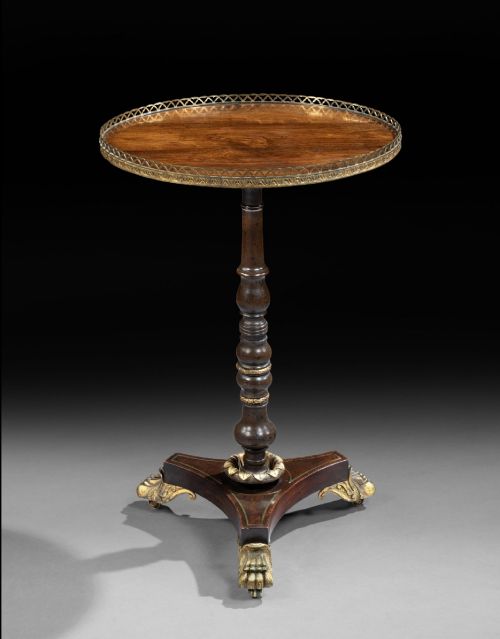
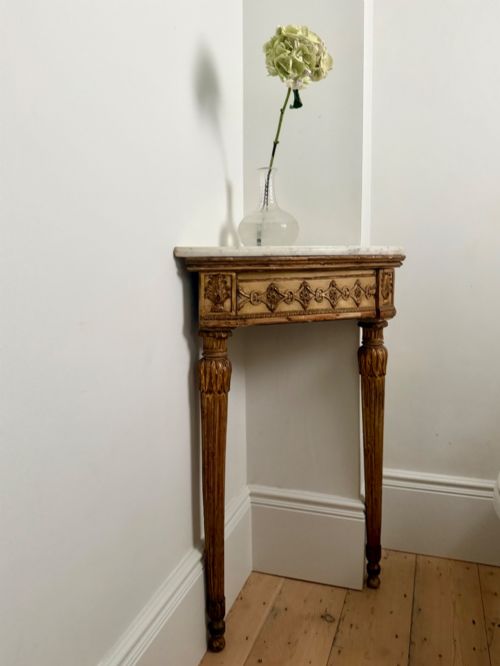
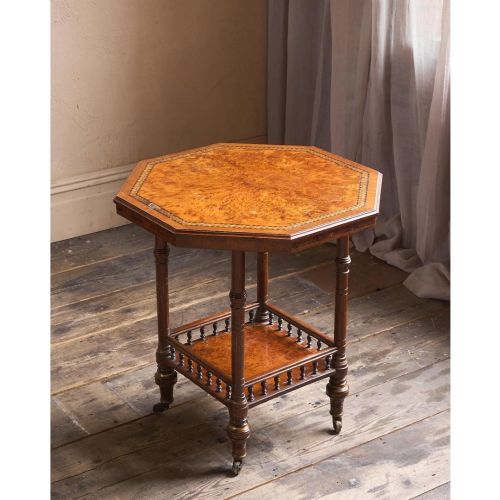
A small gilt table serves as a decorative surface or writing support, drawing on 18th century, Regency and Victorian design traditions. These items encompass occasional tables, console tables, side tables and writing desks.
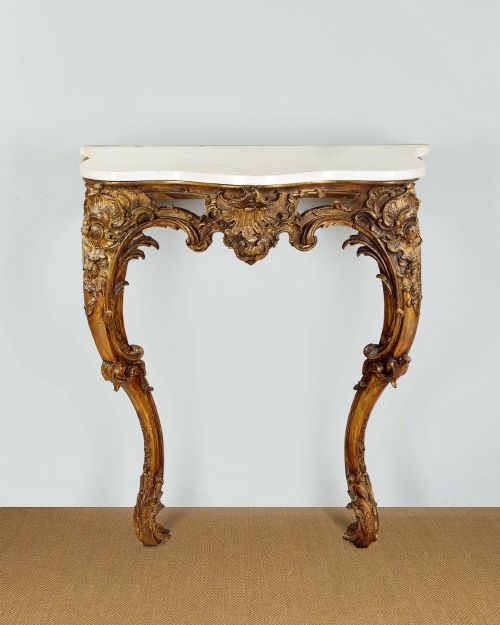
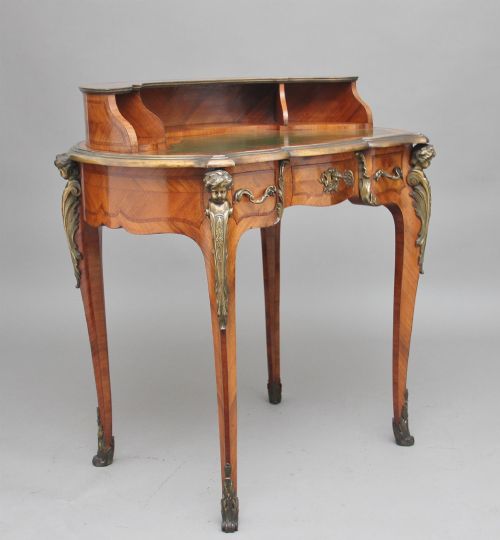
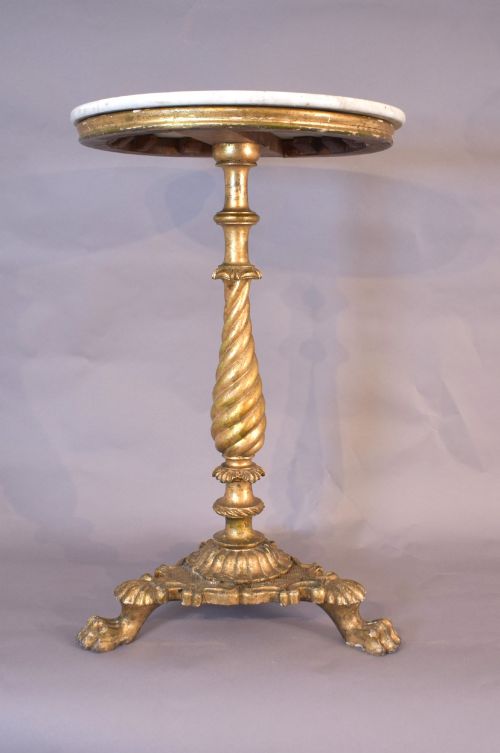
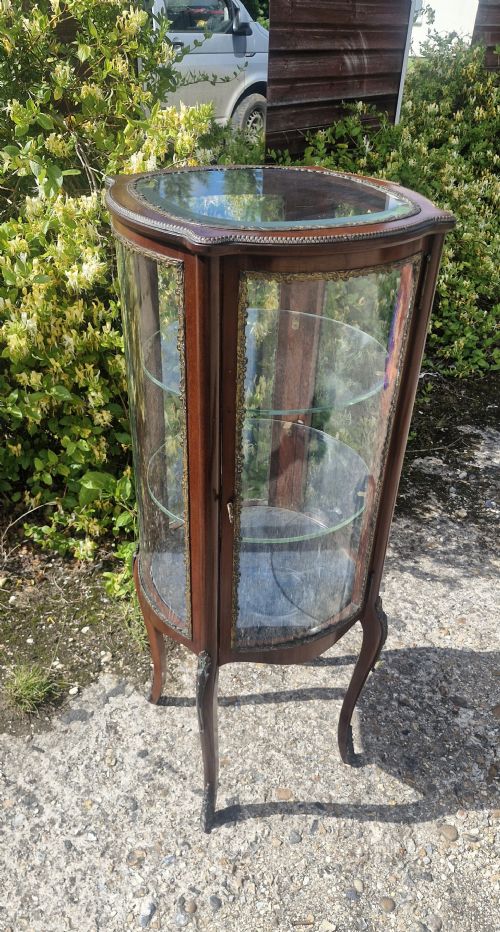
The versions most commonly met on this page emerge from 19th century revival movements, particularly French Rococo and Louis XV styles. Such pieces typically combine timber frames with gilded surfaces, brass mounts or inset marble tops.
How they were made
Craftsmen shaped these small gilt table pieces from foundational timbers such as kingwood, satinwood, walnut and mahogany, often applying veneers to curved and flat surfaces alike. Giltwood frames received layers of gesso and gold leaf, while metal elements utilised cast ormolu, brass and gilt bronze.
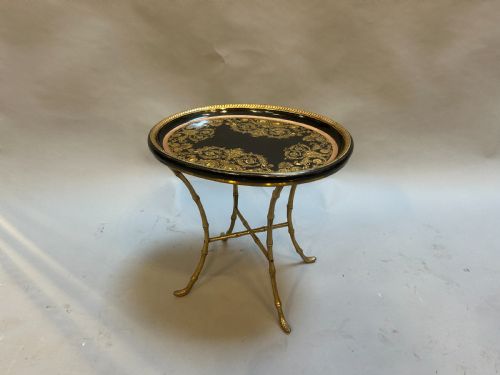
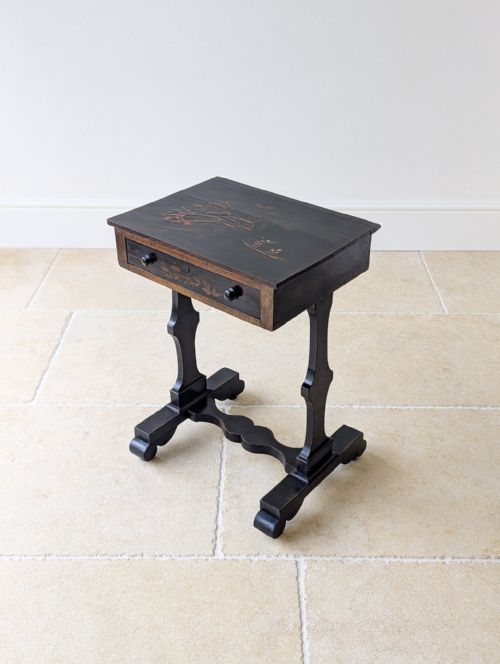
Decorative detailing relied on specialised techniques including hand painting, lacquer work for Chinoiserie pieces, and the integration of porcelain plaques or marble slabs. Mounts were secured to the timber carcasses with precise fixings to accent structural lines.
Small Gilt Table Retail Price Guide 2026
Typical asking prices for small gilt table among the pieces listed under this phrase on Sellingantiques today, from the lower quarter to the upper quarter. They describe what is for sale here now, not the wider market.
Some small gilt table items were designed purely to hold a lady's embroidery thread and secret notes.
What varies in quality
The standard of a small gilt table rests on the crispness of its carved ornament and the purity of its gilding. Hand-chiselled ormolu mounts display sharp relief and defined edges, whereas lesser examples show softer, cast-dependent blurriness.
Timber selection and marquetry precision also divide the range. Dense hardwoods and carefully matched veneers indicate superior workshop practice, supported by tight joinery in drawers and friezes.
Gillows·Tiffany·Lenzkirch·Payne And Co·Richard Co
The Small Gilt Table Glossary
- Ormolu
- Gilded bronze or brass applied as a decorative mount on furniture and clocks. This technique was widely utilised in French and English cabinet making.
- Console table
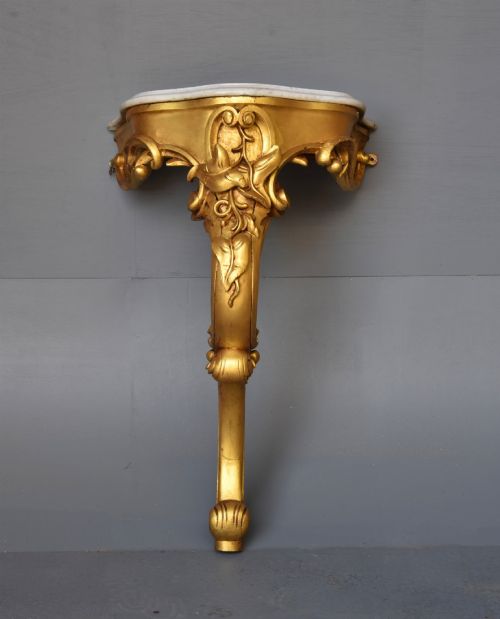
- A wall-mounted or freestanding table designed to stand against a vertical surface. These often feature marble tops and elaborate gilded legs.
- Bonheur du jour
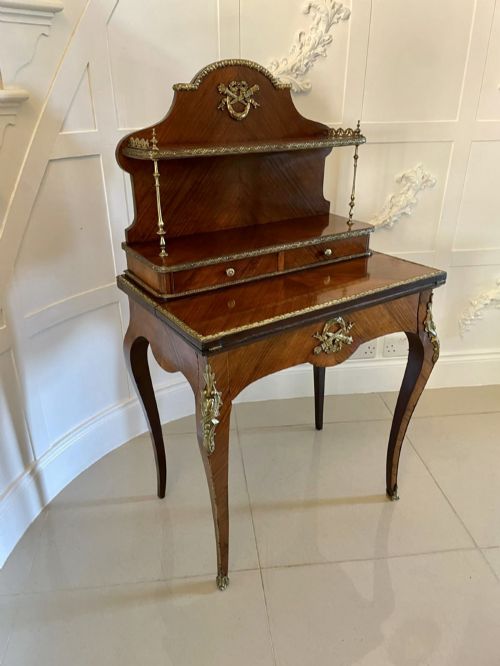
- A small ladies writing desk featuring a tiered superstructure with drawers and compartments. These pieces frequently incorporate kingwood and ormolu mounts.
- Chinoiserie
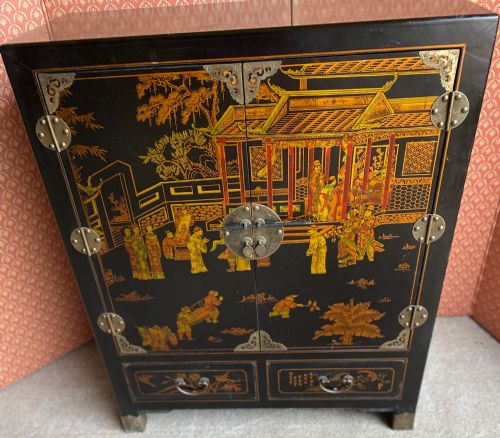
- European artistic style reflecting Chinese motifs, applied through lacquer and painted decoration. It appears on cabinets, work tables and chests.
Small Gilt Table: Frequently Asked Questions
Where should I place a small gilt table?
These compact tables suit entrance hallways, drawing rooms or bedrooms where surface space is limited. A console variant works well against a blank wall beneath a mirror.
Freestanding occasional or writing tables fit comfortably beside seating or in window bays, serving as display areas for decorative objects.
How do I care for gilded wood surfaces?
Gilded surfaces require gentle maintenance using a soft, dry feather duster to remove surface particles. Avoid liquid cleaners, abrasive cloths and modern polishes that can lift the thin layer of gold leaf.
Keep the items away from direct sunlight and heat sources to prevent timber shrinkage and the subsequent cracking of gesso layers.
How do I identify a Regency period piece?
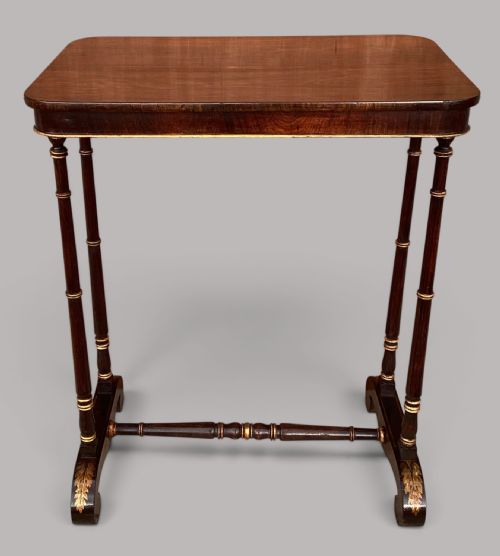
Regency items date from the early nineteenth century and typically display classical restraint inspired by ancient Greek and Roman forms. Look for ebonised finishes, brass inlay and architectural lines.
Cabinet work from this era often pairs dark rosewood or mahogany with parcel gilt details rather than the ornate curves of later Victorian revivals.
What is the difference between ormolu and brass?
Ormolu consists of cast bronze treated with an amalgam of gold and mercury, producing a deep, warm metallic lustre. It was standard on high-end French and English furniture.
Standard brass is an alloy of copper and zinc that appears brighter and lacks the specific golden depth achieved by traditional mercury gilding.