

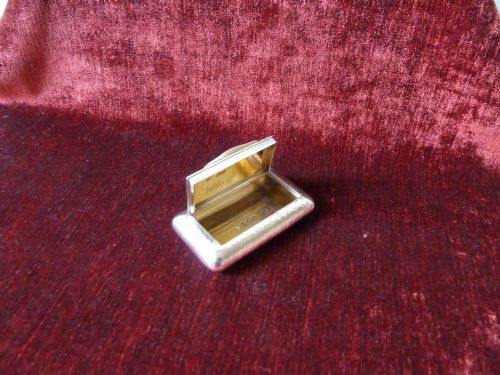


Small Gilt Box
A small gilt box is a portable treasury of precious metal, lacquer, or stone that rewards close inspection.
Small Gilt Box
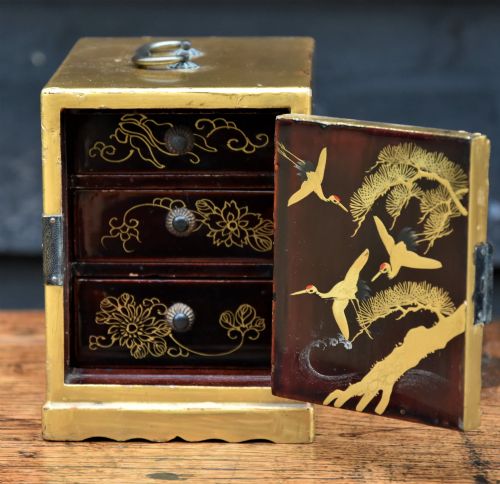
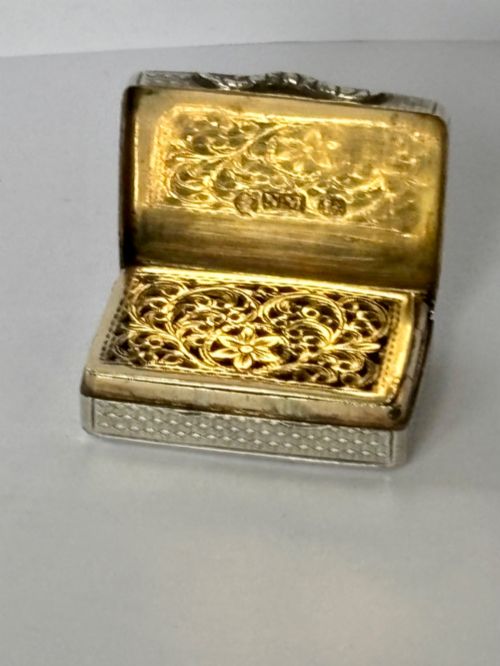
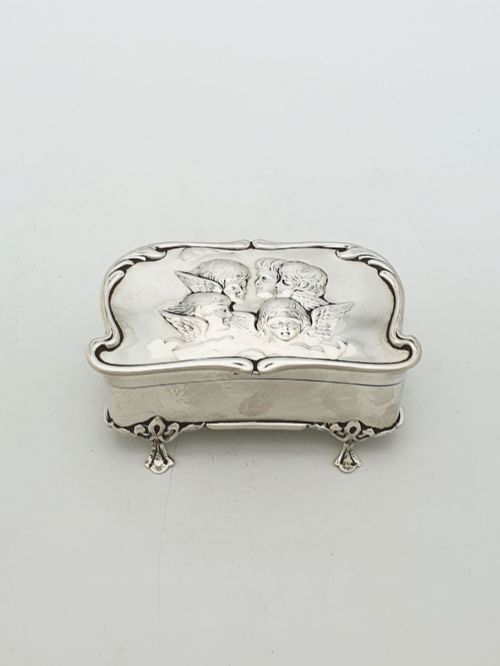
Every small gilt box here is a pocket-sized container fashioned to hold snuff, patch, pills, or keepsakes. The examples appearing on this page span the Georgian, Regency, and Victorian eras, alongside Japanese Meiji period lacquerwork and French silver gilt pieces.
Buyers will most frequently encounter sterling silver and silver gilt vessels alongside lacquered wood and gilt brass structures. These items serve as compact desktop ornaments or pocket accessories originating from British, European, and Japanese workshops.
Materials and construction
Makers utilised sterling silver, silver gilt, and brass as structural bases, often applying gold leaf or gilding to metal surfaces. Wooden foundations received black lacquer or kingwood veneers to create contrasting decorative finishes.
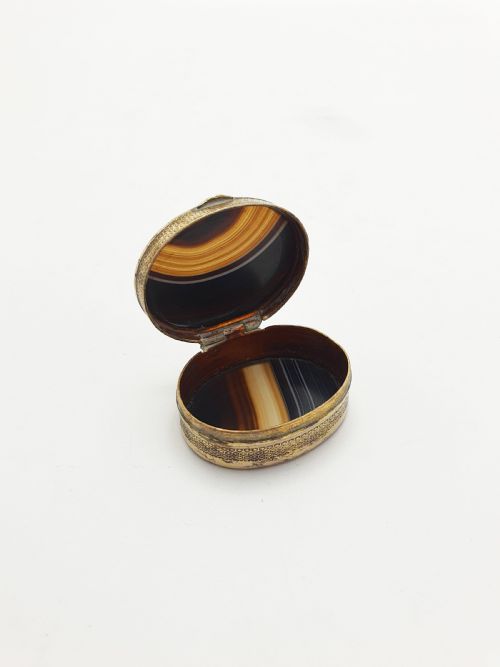
Natural stones such as agate were set into brass frames, while Japanese pieces employed traditional Meiji lacquering techniques on wooden cores. Metalwork incorporates chased and engraved details across vinaigrettes, snuff boxes, and trinket cases.
Small Gilt Box Retail Price Guide 2026
Typical asking prices for small gilt box among the pieces listed under this phrase on Sellingantiques today, from the lower quarter to the upper quarter. They describe what is for sale here now, not the wider market.
Listings feature sterling silver, silver gilt, brass, wood, and lacquer, spanning Georgian, Victorian, and Japanese Meiji periods.
Distinctions in quality
Quality rests upon the crispness of the chasing on metal surfaces and the depth of the gilding applied to the base material. Superior items display tight hinge alignments and securely set stones without adhesive residue.
The finesse of the lacquerwork and the precision of the interior gilding distinguish finer pieces from standard production. Artisanal execution in the metal engraving dictates the overall merit of silver and brass boxes.
The Small Gilt Box Glossary
- Vinaigrette
- A small hinged box featuring an internal pierced grille designed to hold a sponge soaked in aromatic vinegar. These pieces date predominantly from the Georgian and Regency periods.
- Patch box
- A tiny container historically used to hold cosmetic patches made of silk or velvet. They frequently incorporate mirrors inside the lid.
- Kodansu
- A small Japanese cabinet or chest with multiple drawers and compartments, often finished in lacquer. These items originate from the Meiji period.
- Silver gilt
- Sterling silver that has been coated with a thin layer of gold on its surface. This technique provides the rich appearance of solid gold while utilising silver as the structural core.
Small Gilt Box: Frequently Asked Questions
What were small gilt boxes used for?
These vessels held personal items including snuff, herbal patches, pills, and small keepsakes. People carried them in pockets or displayed them on dressing tables.
The interior compartments and fitted grilles catered to specific substances like aromatic vinegars used during the Georgian and Victorian eras.
How do I date a silver gilt box?
Dating relies upon hallmarks stamped into the metal, which indicate the assay office, year of production, and maker. Stylistic cues such as Rococo Revival motifs also point toward specific decades.
Items lacking hallmarks are attributed through construction methods, material choices, and comparative design evidence from periods like the Regency or Victorian era.
Are Japanese lacquer boxes considered gilt boxes?
Japanese lacquer boxes from the Meiji period often incorporate gold leaf and metallic powder dusted onto the lacquer surface. These pieces appear alongside European metal boxes under the broader category of small decorative containers.
The decorative traditions of Japan utilised gold powders to create luminous pictorial scenes on black lacquer bases.
How should I clean a gilt metal box?
Gilt surfaces require minimal intervention to prevent the gold layer from wearing away over time. Soft, dry cloths remove surface dust safely without disturbing the metal.
Harsh chemical dips and abrasive polishes strip the gilding entirely, permanently damaging the finish of silver gilt, brass, and gold leaf pieces.