



Small Georgian Lowboy Table
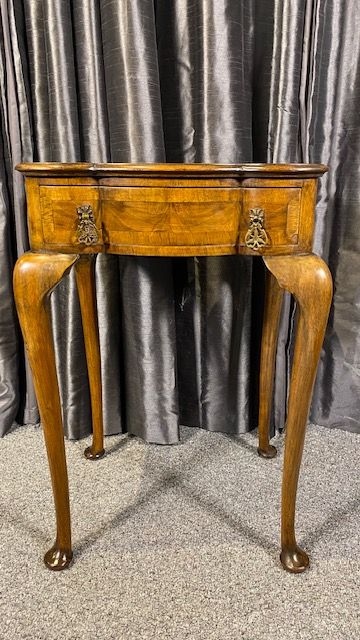
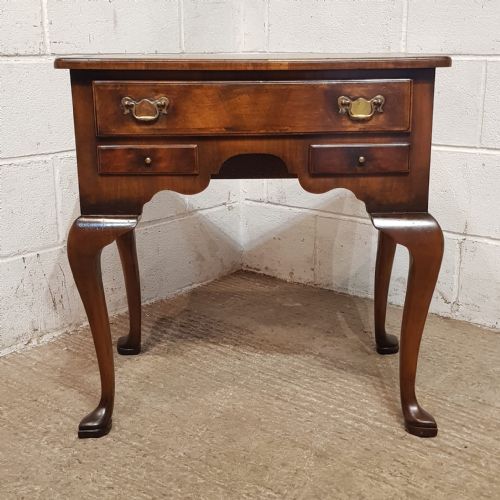
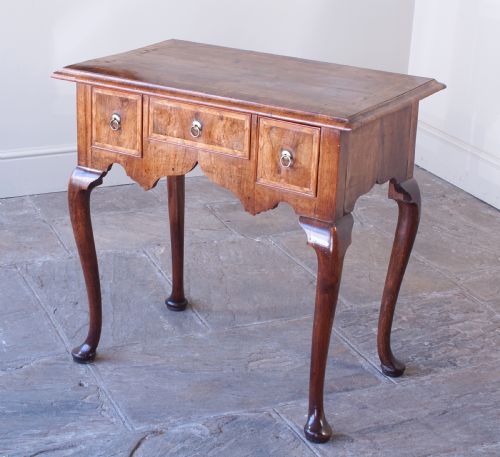
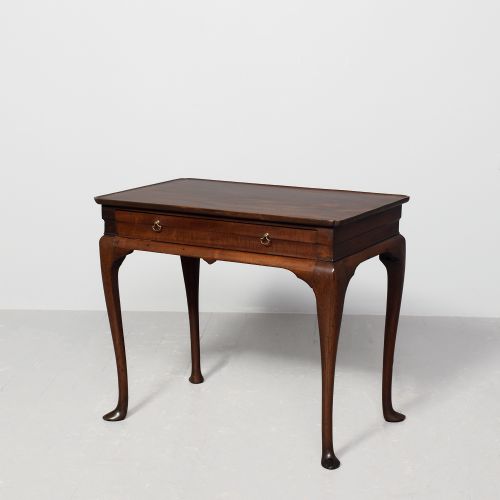
A small georgian lowboy table is a compact, drawer-fitted dressing or side table prized for its elegant proportions and versatile timber surfaces.
Small Georgian Lowboy Table
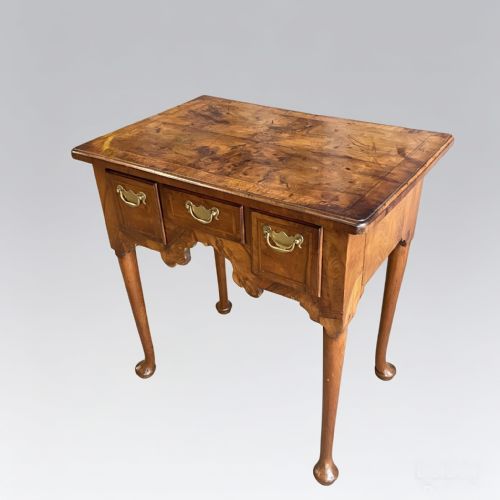
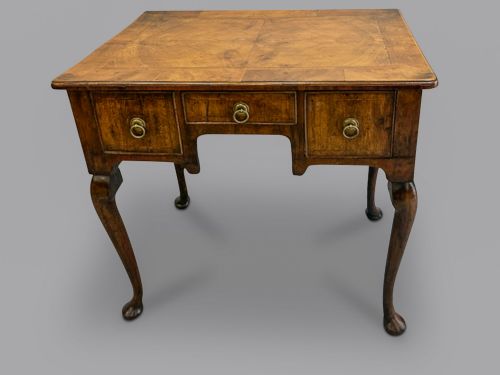
A small georgian lowboy table serves primarily as a low side table, dressing table, or writing surface, typically fitted with one to three drawers beneath the top. These pieces appear frequently in walnut, mahogany, oak, and yew wood, originating across the eighteenth century alongside later revival periods.
The form relies on slender cabriole or straight legs supporting a waist-height carcase, designed originally for personal grooming or correspondence in reception rooms and chambers. Buyers searching for a small georgian lowboy table encounter authentic eighteenth-century examples alongside early twentieth-century revivals built in the same classic proportions.
Materials and construction methods
Cabinet makers built these tables using solid hardwoods and decorative veneers such as burr walnut and mahogany, frequently mounted on oak or pine secondary timbers. Drawer construction typically employs hand-cut dovetails, while the polished surfaces rely on traditional finishing techniques that highlight the natural figuring of the grain.
The hardware incorporates cast brass pulls and drop handles secured through the drawer fronts, often paired with escutcheons. Legs are shaped directly from the solid timber, terminating in pad feet, plain blocks, or bracketed corners depending on the specific period and regional workshop traditions.
Small Georgian Lowboy Table Retail Price Guide 2026
Typical asking prices for small georgian lowboy table among the pieces listed under this phrase on Sellingantiques today, from the lower quarter to the upper quarter. They describe what is for sale here now, not the wider market.
The recorded periods range from early eighteenth-century George I pieces through to Edwardian and nineteen-thirties revival interpretations.
Assessing quality and craftsmanship
Quality rests upon the selection of timber, particularly the depth and movement found in figured walnut, burr veneers, and dense mahogany boards. Superior examples display crisp moulding details, precise joinery in the drawer framing, and well-balanced proportions that maintain stability across slender legs.
The integrity of the surfaces and the retention of original or period-appropriate brass hardware differentiate finer pieces from heavily altered examples. Master craftsmanship shows in the fluid shaping of apron scrolls and the seamless integration of secondary woods within the internal framework.
The Small Georgian Lowboy Table Glossary
- Lowboy
- A low-standing table with one or more rows of drawers, commonly used as a dressing or side table during the eighteenth century.
- Cabriole leg
- A furniture leg that curves outward at the knee and tapers inward toward the foot, inspired by animal forms.
- Burr walnut
- A prized timber cut from walnut tree growths, producing swirling, highly decorative grain patterns used for decorative veneers.
- Dovetail
- A joint formed by interlocking wedge-shaped fingers, used primarily to connect drawer sides to drawer fronts securely.
- Escutcheon
- A protective brass plate surrounding a keyhole, designed to prevent wear on the surrounding wood surface.
Small Georgian Lowboy Table: Frequently Asked Questions
What was a lowboy used for originally?
These tables served primarily as dressing tables where individuals sat to groom hair or apply cosmetics, holding personal items within their fitted drawers.
Over time, their compact footprint allowed them to function equally well as writing desks, hall tables, or side tables in reception rooms.
How do I distinguish an original eighteenth-century lowboy from a later revival?
Eighteenth-century pieces display authentic signs of age in the timber shrinkage, hand-cut joinery methods, and the wear patterns accumulated over generations of use.
Revival pieces, such as those made around nineteen-twenty, often utilise more uniform machine-cut elements and standardised internal woods while copying the classic proportions.
Where should I place a lowboy in a modern interior?
A lowboy fits neatly into narrow entrance halls, acting as a surface for post and keys while utilising minimal floor space.
They also function effectively as lamp tables in living rooms or as compact dressing surfaces in bedrooms where larger furniture would overwhelm the layout.
Which woods are most common for these tables?
Walnut and mahogany dominate the surviving inventory, reflecting the favored cabinet timbers of the Georgian era.
Oak and yew wood also appear frequently, offering robust construction and distinctive grain textures suited to both vernacular and formal interior settings.