


Small Drop Leaf Console
A small drop leaf console offers folding versatility for compact spaces, pairing timber surfaces with clever space-saving mechanisms.
Small Drop Leaf Console
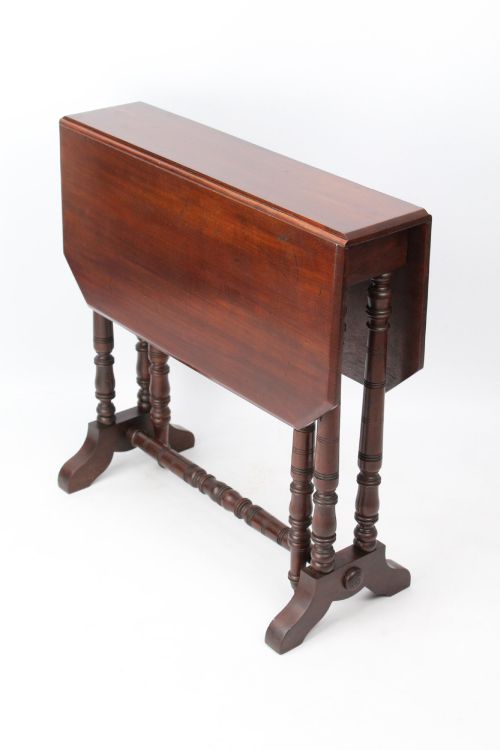
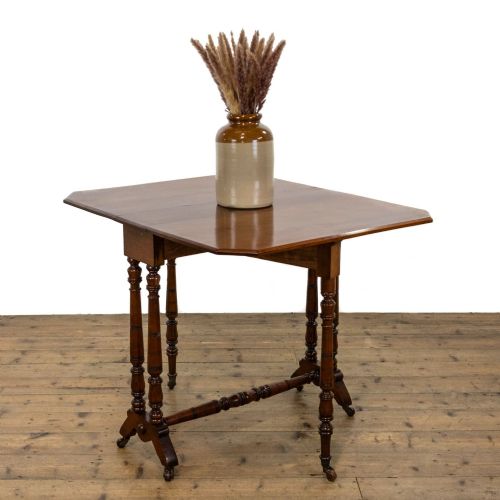
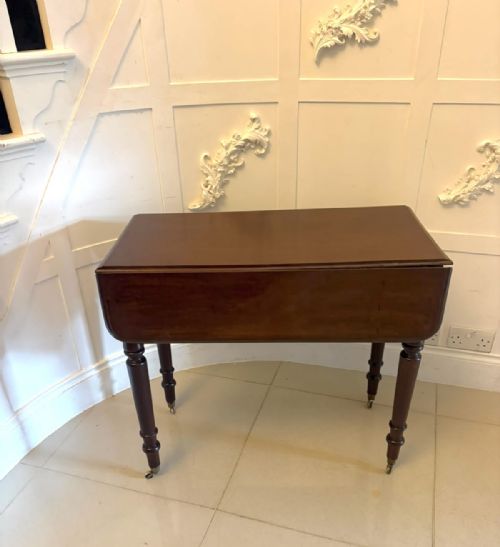
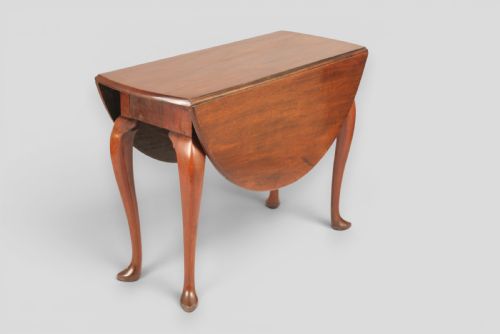
When searching for a small drop leaf console, a buyer encounters forms that fold and unfold to suit fluctuating room layouts. These pieces appear most frequently as Sutherland tables, Pembroke tables, and compact side or occasional tables from the Victorian, Edwardian, Regency, and Georgian periods.
The material palette is predominantly timber, featuring mahogany, walnut, burr walnut, and oak, alongside occasional examples in pine, rosewood, and ebonised finishes. Construction dates span from the eighteenth century through to the early twentieth century, including Edwardian and 1920s interpretations of earlier styles.
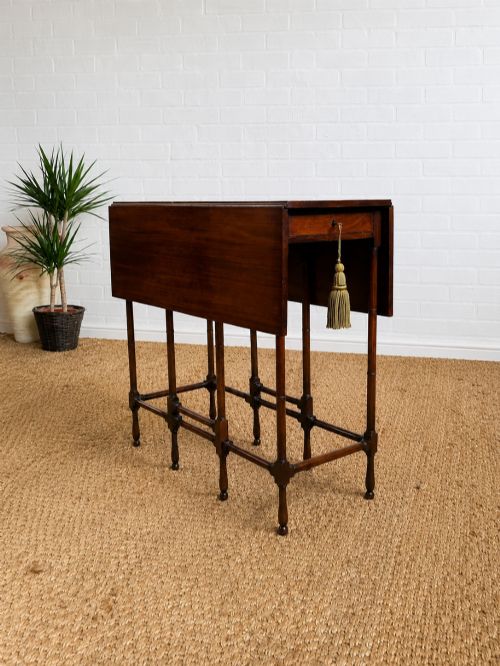
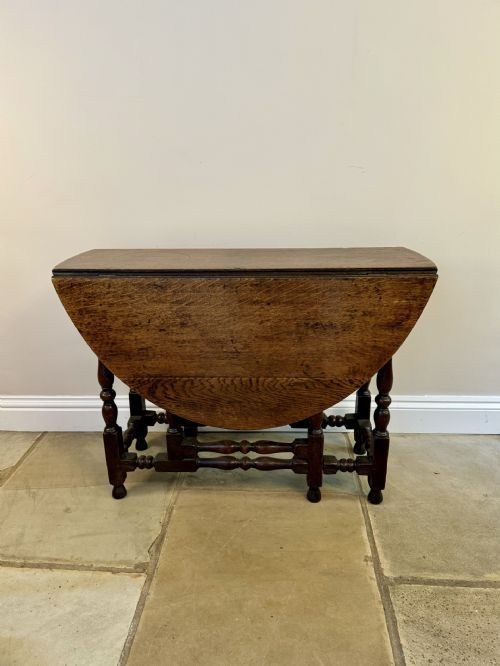
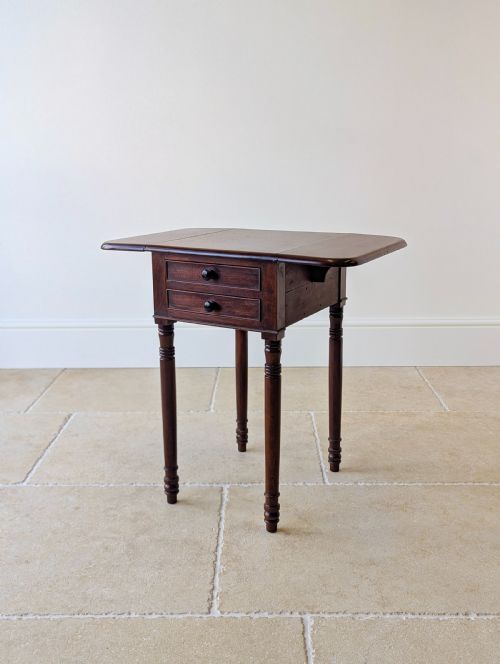
Makers and specific workshops occasionally stamp their work, evidenced by pieces associated with Jenks & Woods. Forms range from gate leg designs and chapel tables to spider leg dining tables and small work tables equipped with drawers.
How they were made
Cabinet makers utilised dense hardwoods like mahogany, walnut, and oak to construct stable frames capable of supporting hinged flaps. Timber selection prioritized rich grain patterns, particularly evident in the choice of burr walnut for decorative tabletops.
Support mechanisms relied on hinged drop leaves held by swing legs, gate legs, or bamboo-turned supports. Joinery techniques ensured that folding leaves aligned flush with the main surface when raised and dropped cleanly when lowered.
Victorian makers occasionally produced tiny versions termed baby Sutherland tables, designed for parlors where standard furniture overwhelmed the room.
What varies in quality
The grade of timber and the complexity of the turning on the legs distinguish standard pieces from superior examples. Finely figured burr walnut and carefully matched mahogany veneers elevate the visual impact of the top surface.
Structural integrity in the hinge and gate leg mechanisms determines the longevity of the folding action. Subtle details such as inlaid stringing, drawer construction, and bamboo-turned woodwork separate basic utilitarian items from finer parlor furniture.
Jenks & Woods
The Small Drop Leaf Console Glossary
- Sutherland table
- A narrow drop-leaf table with particularly slender folding leaves supported by swinging gate legs. It stands as a distinctive Victorian development designed for occasional use in limited spaces.
- Pembroke table
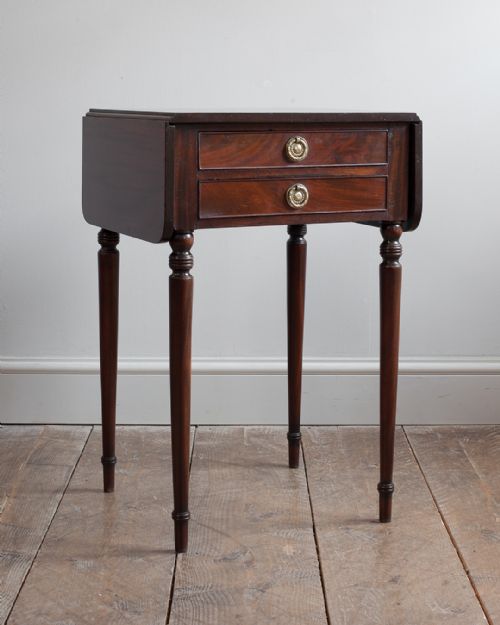
- A rectangular table featuring two hinged flaps on opposite sides and frequently incorporating one or two small drawers. It originated in the eighteenth century and continued in production through the Victorian era.
- Gate leg table
- A table with hinged leaves supported by legs that swing outward like a gate to hold the flaps aloft. This construction provides robust support across the extended surface.
- Burr walnut
- Timber taken from the warted excrescences of walnut trees, displaying highly decorative, swirling grain patterns. Cabinet makers prized it for veneering prominent tabletop surfaces.
- Bamboo-turned
- Wood turned on a lathe to resemble sections of natural bamboo cane. This decorative technique appears on the legs of specific Edwardian and Victorian occasional tables.
Small Drop Leaf Console: Frequently Asked Questions
What is a Sutherland table?
A Sutherland table is a narrow drop-leaf table featuring exceptionally thin leaves supported by swinging legs. It folds down into a compact footprint when not in use.
These pieces served primarily as occasional tables in Victorian and Edwardian sitting rooms where floor space was at a premium.
How do Pembroke and Sutherland tables differ?
Pembroke tables typically feature two smaller drop leaves on the sides and often include a drawer beneath the top. They function well as small writing or breakfast desks.
Sutherland tables possess much larger leaves that drop almost to the floor, making them narrower when closed and easier to slide against a wall.
Where should I place a small drop leaf console?
These tables fit naturally in hallways, narrow landings, or behind sofas where a full-sized table obstructs movement. Raising one or both leaves provides extra surface area when guests visit.
Their compact proportions also suit bedrooms and studies as occasional writing desks or display stands.
How do I date a mahogany drop leaf table?
Dating relies on timber characteristics, leg turning styles, and structural joinery methods. Regency and Georgian examples exhibit clean lines and specific leg profiles, while Victorian pieces often feature heavier turnings or burr walnut veneers.
Edwardian and later twentieth-century iterations frequently copy these earlier styles with lighter internal construction.