



Small Drawer Unit
A small drawer unit offers practical desktop or floor storage in compact forms spanning miniature apprentice pieces to industrial banks of drawers.
Small Drawer Unit
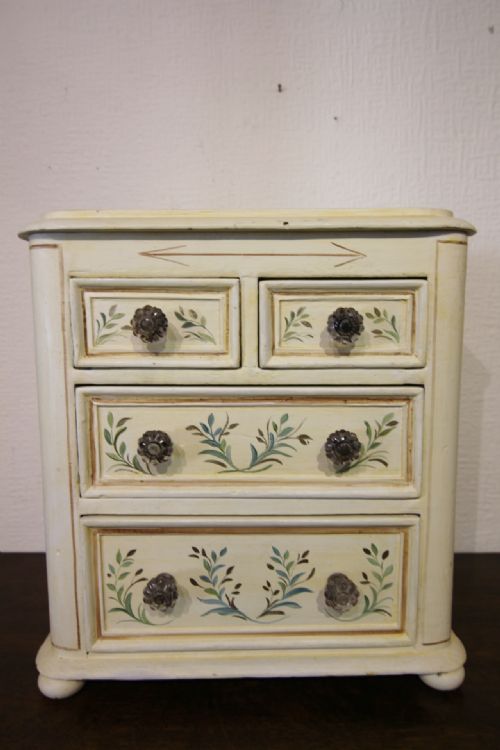
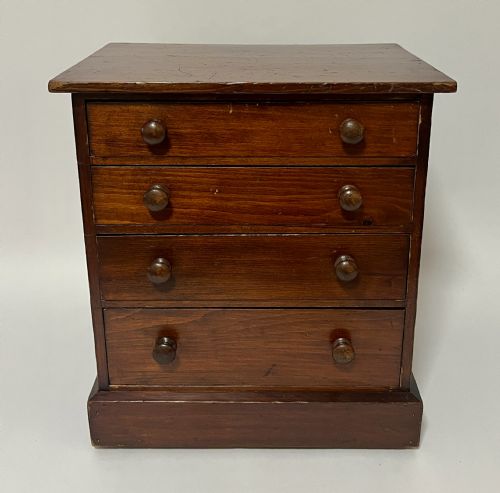
A small drawer unit meets the persistent need for compact storage across domestic, commercial and workshop settings. When you search for a small drawer unit, you encounter a remarkably diverse range of objects designed to hold everything from collector specimens and jewellery to office documents and haberdashery. These pieces bridge the gap between utilitarian storage and refined furniture, serving as functional accents in modern rooms.
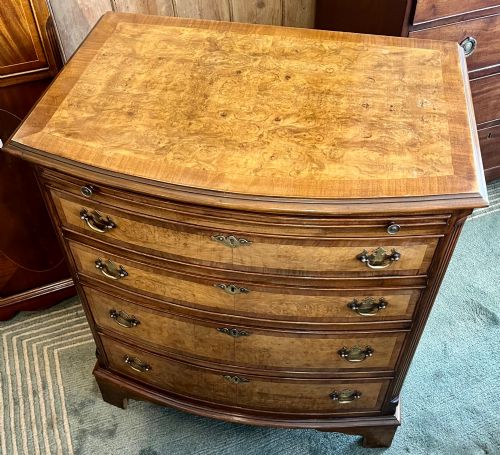
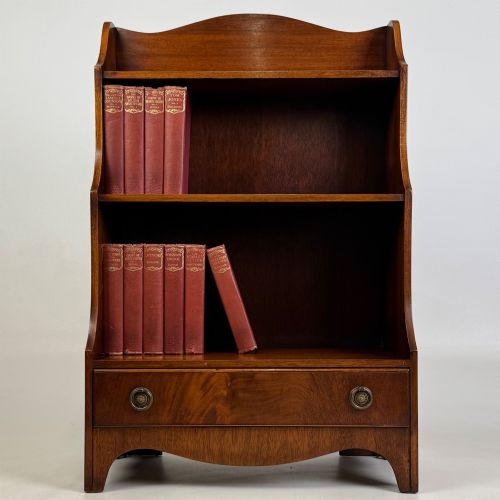
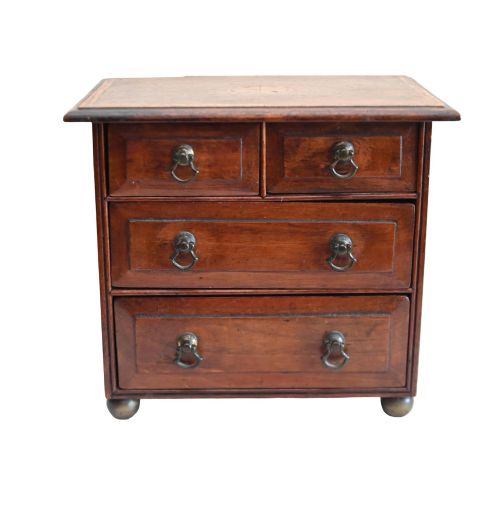
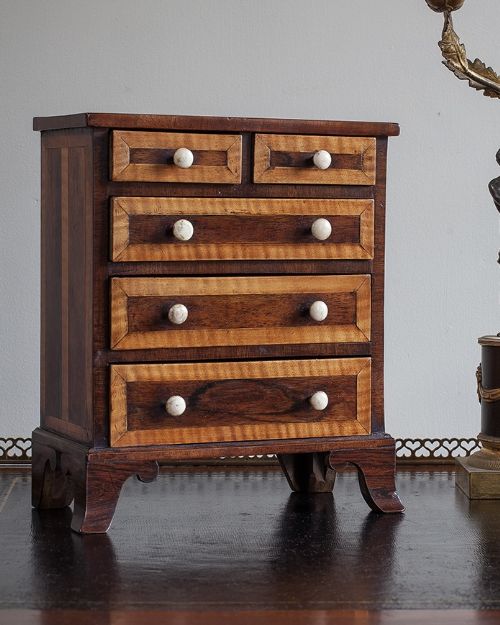
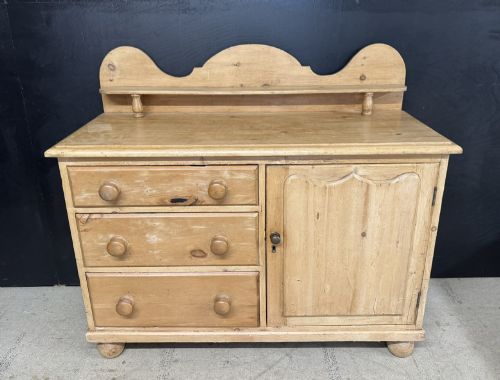
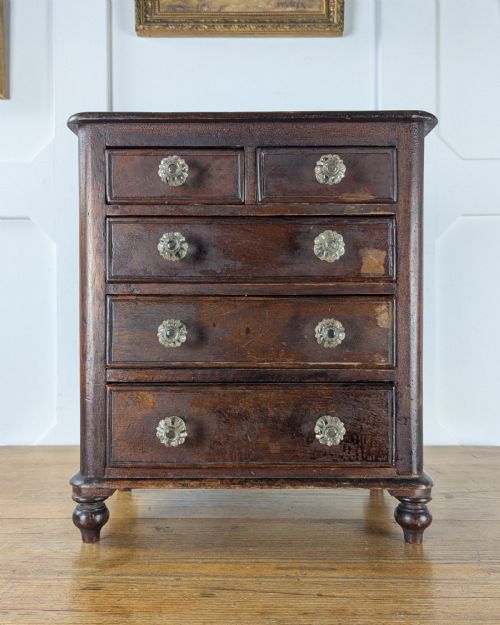
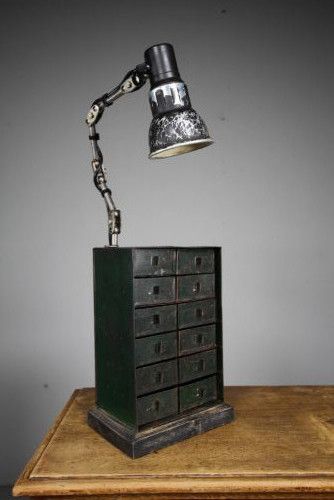
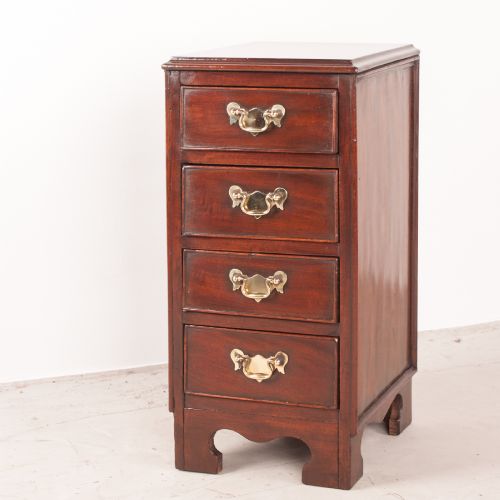
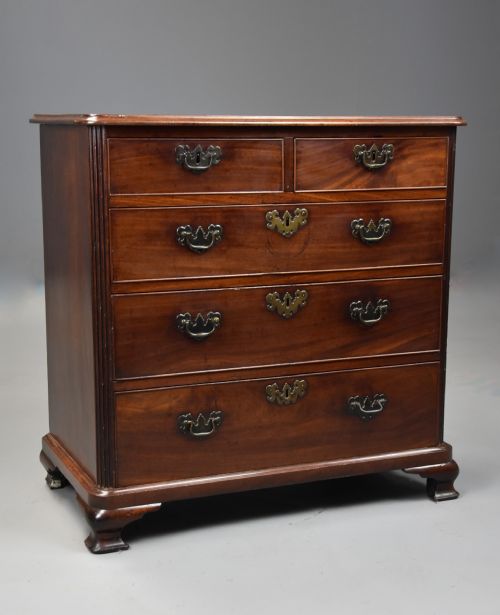
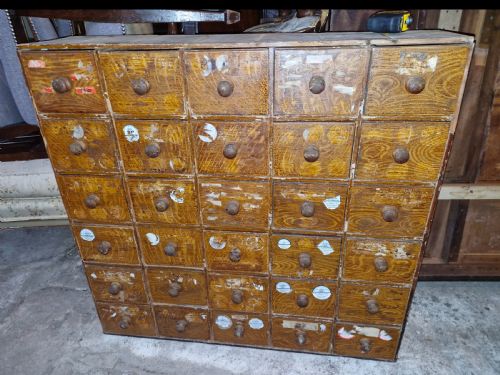
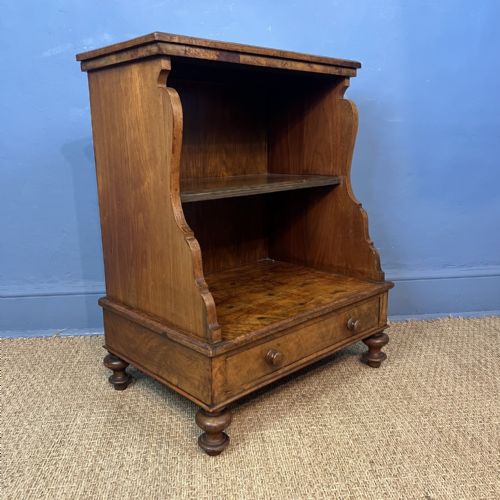
The selections span distinct historical periods from the 18th century through the Georgian, Victorian and Edwardian eras into the early 20th century. Common domestic forms include miniature chests of drawers, apprentice pieces and bedside cabinets with integrated drawer storage. Commercial and workspace variants such as apothecary chests, florist seed chests, filing cabinets and multi-drawer banks also populate this category.
Makers utilised various regional woods and functional hardware to suit the intended purpose of each specific unit. Smaller decorative pieces often display figured timbers like burr walnut, mahogany and satinwood, while utilitarian workshop cabinets rely on durable pine, oak and metal fittings. This variety ensures that buyers find both polished period examples and industrial storage solutions.
How they were made
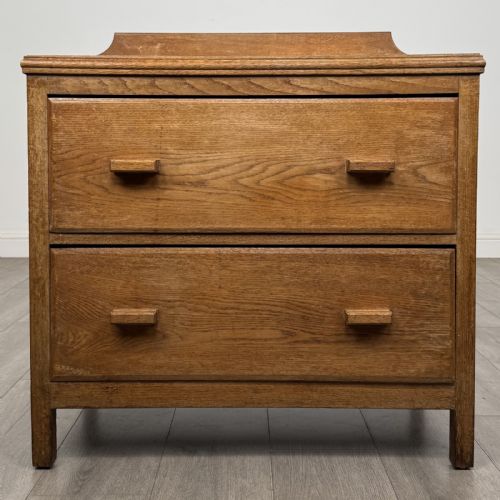
Cabinet makers constructed these units using traditional hardwoods and softwoods including mahogany, walnut, oak, pine and satinwood. Finer domestic examples frequently incorporate figured veneers such as burr walnut laid over secondary timbers, occasionally enhanced with inlaid stringing or carved galleries. Industrial and commercial variants prioritise robust construction in solid oak, pine or stained deal to withstand daily use.
Joinery techniques reflect the period of origin, employing traditional drawer construction methods suited to the scale of the piece. Miniature chests and apprentice pieces often feature fine dovetail joints on the drawer boxes, while multi-drawer filing chests and apothecary cabinets utilise sturdy carcase builds designed for repeated access. Original brass handles, pulls and light fittings frequently complete the hardware assembly on period pieces.
Small Drawer Unit Retail Price Guide 2026
Typical asking prices for small drawer unit among the pieces listed under this phrase on Sellingantiques today, from the lower quarter to the upper quarter. They describe what is for sale here now, not the wider market.
Object forms range from domestic apprentice chests and bedside cabinets to commercial apothecary chests and florist seed drawers.
What varies in quality
Quality in a small drawer unit rests upon the selection of timber and the fidelity of the cabinet work. Superior examples display carefully matched grain patterns, such as figured walnut or flame mahogany, alongside precise dovetailing and well-fitted drawers that slide smoothly within their carcases. Lesser pieces may utilise plainer secondary woods or later replacement hardware that alters the original character.
The integrity of surface finish and original details also distinguishes the upper tier of pieces. Items retaining rich patination, original brass pulls, turned feet and uncompromised structural elements command greater appreciation from collectors. Conversely, heavy alterations, stripped surfaces or mismatched components reduce the historical cohesion of the piece.
The Small Drawer Unit Glossary
- Apprentice piece
- A small-scale item of furniture created by a craftsman to demonstrate skill and secure admission to a trade guild. These pieces mirror full-scale chests of drawers with working miniature drawers.
- Collector cabinet
- A specialised storage unit designed to hold geological specimens, coins, insects or small curiosities. They typically feature numerous shallow drawers within a secure cabinet carcase.
- Burr walnut
- A highly prized timber veneer derived from the abnormal growth of a walnut tree. It produces intricate, swirling grain patterns popular on decorative 19th and early 20th century furniture.
- Raised gallery
- A low decorative railing or rim attached to the top surface of a cabinet or chest. This feature prevents items placed on top from sliding off.
Small Drawer Unit: Frequently Asked Questions
What were small drawer units originally used for?
These units served diverse functions depending on their original trade or domestic context. Apothecaries, jewellers, florists and offices utilised multi-drawer banks for organising small stock, seeds and documents.
Domestic variants like apprentice pieces, miniature chests and bedside cabinets held personal valuables, sewing items or functioned as scale models of larger furniture.
How do I date an antique small drawer unit?
Dating relies on observing construction methods, timber choices and stylistic cues from periods such as the Georgian, Victorian or Edwardian eras. Hand-cut dovetails, secondary woods and original brass hardware offer reliable chronological markers.
Comparing the form and decorative motifs against documented historical styles helps narrow the manufacturing decade.
Are multi-drawer filing cabinets suitable for modern homes?
Industrial and commercial drawer units integrate smoothly into contemporary interiors as functional storage for stationery, crafts or desk accessories. Their compact footprints allow them to fit easily beneath work surfaces or in hallways.
These pieces provide robust organisation while introducing industrial character and tactile wooden or metal surfaces to a room.