



Small Decorative Mirror
These small decorative mirror examples bring character and reflective light to compact spaces through diverse periods and styles.
Small Decorative Mirror
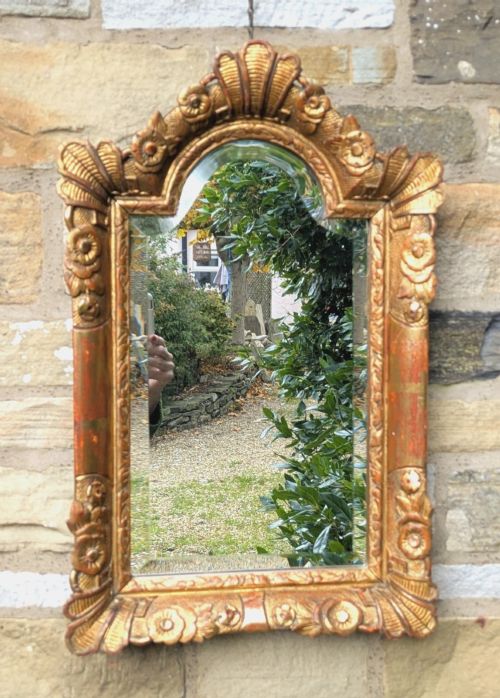
When you search for a small decorative mirror, you encounter wall mirrors, console mirrors with shelves, and hand mirrors produced across several distinct eras.
The pieces on this page span the Victorian era, the Regency period, the French Second Empire, and the twentieth century up to the 1950s.
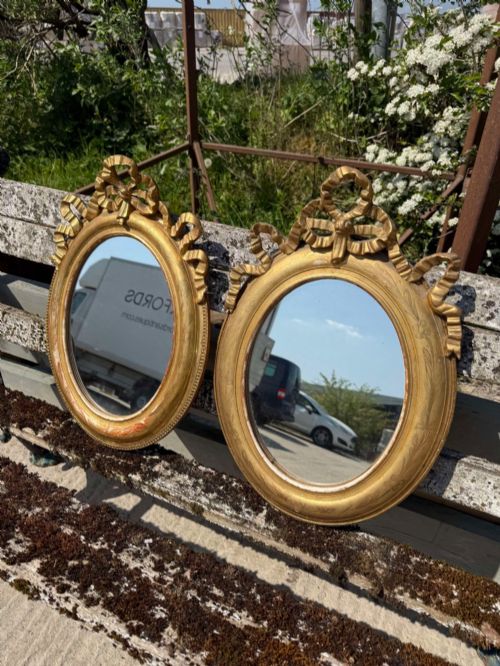
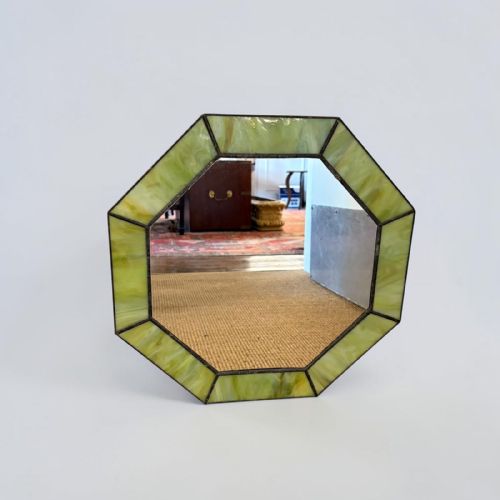
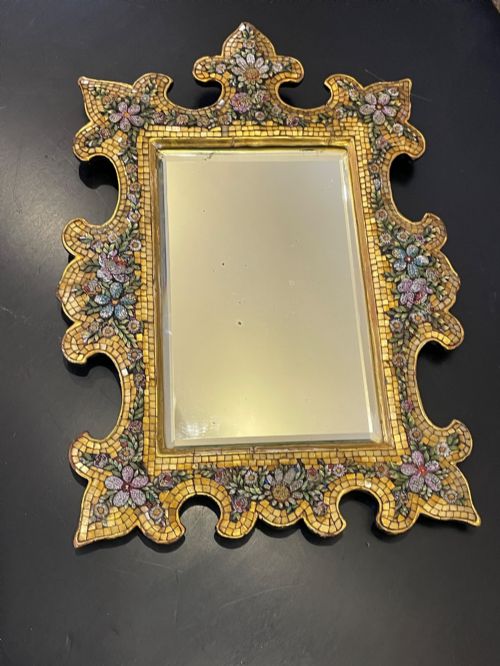
You meet a variety of compact forms here, including round, octagonal, and oval shapes alongside specialised items like sorcerer's mirrors and micro mosaic pieces.
Materials and Construction Methods
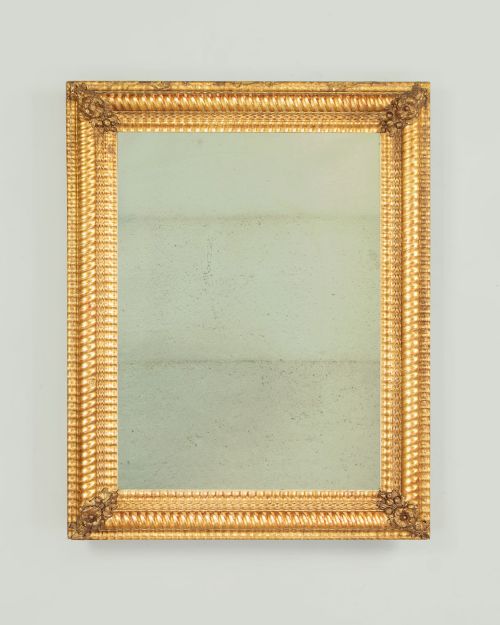
Wood, giltwood, and gesso form the structural framework for many of these decorative frames, often finished with gold leaf or pigment.
Other examples utilise cast brass, velvet covering, or intricate lacquerwork to achieve their distinct visual identity.
Mirror glass and foxed mirror plates provide the reflective surface, occasionally paired with specialised micro mosaic or painted details.
Small Decorative Mirror Retail Price Guide 2026
Typical asking prices for small decorative mirror among the pieces listed under this phrase on Sellingantiques today, from the lower quarter to the upper quarter. They describe what is for sale here now, not the wider market.
Materials recorded across the inventory include glass, wood, giltwood, lacquer, gesso, gold leaf, and pigment.
Qualities That Separate Examples
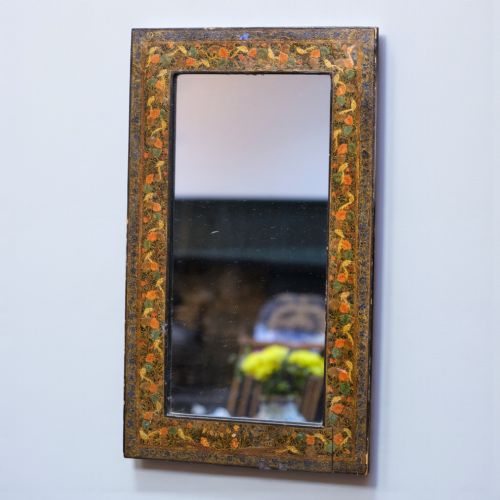
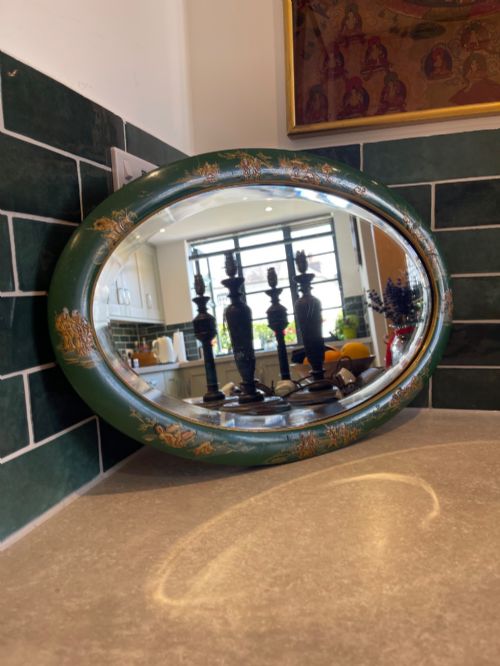
The intricacy of the frame ornamentation, whether through carved hand work, cast brass mask crests, or painted chinoiserie and Kashmiri patterns, defines the visual calibre.
Material application such as genuine gold leaf versus plain pigment alters the depth and ageing of the surface over time.
The integrity of the original mirror plate, including natural foxing, contributes to the authenticity and character of the piece.
The Small Decorative Mirror Glossary
- Foxed mirror plate
- Glass that shows dark spots and speckling caused by the degradation of the silver backing over decades. This ageing process adds authentic character to antique mirrors.
- Giltwood
- Wood that has been carved and coated with a thin layer of gold leaf or gold paint. It provides a bright, reflective metallic finish common in period frames.
- Gesso
- A plaster-like mixture applied to wood frames to create a smooth surface for gilding or painting. It allows for crisp, detailed moulding of decorative motifs.
- Micro mosaic
- Tiny coloured glass or stone tesserae assembled into intricate pictorial designs. This technique appears on Italian pieces from the nineteenth century.
Small Decorative Mirror: Frequently Asked Questions
Where should I hang a small decorative mirror?
These compact pieces suit narrow hallways, alcoves, or smaller wall spaces where a larger glass would overwhelm the room. They also function well above small consoles or dressing tables.
Consider pairing them with appropriate lighting to enhance the reflective glass and highlight the surrounding frame details.
How do I identify a Victorian mirror?
Victorian pieces often feature specific stylistic markers such as cast brass frames with mask crests or heavy carved wood. Examining the backboards and fixings can also help confirm the period.
The materials and manufacturing techniques align with nineteenth-century workshop practices recorded in the listings.
How do I care for antique mirror glass?
Clean the glass gently with a soft cloth and avoid harsh chemical sprays that might seep behind the plate and damage the silvering or foxing. Protect the surrounding frame materials from excessive moisture.
Regular dusting keeps the giltwood, lacquer, or brass elements preserved without altering their surface finish.