

Small Collector Chest
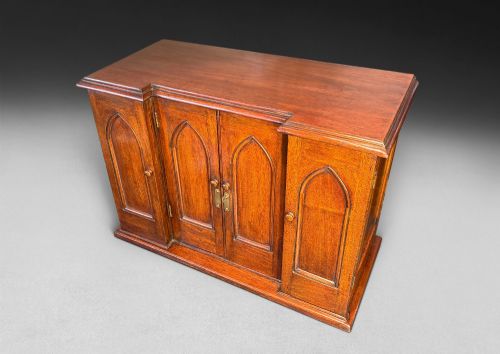
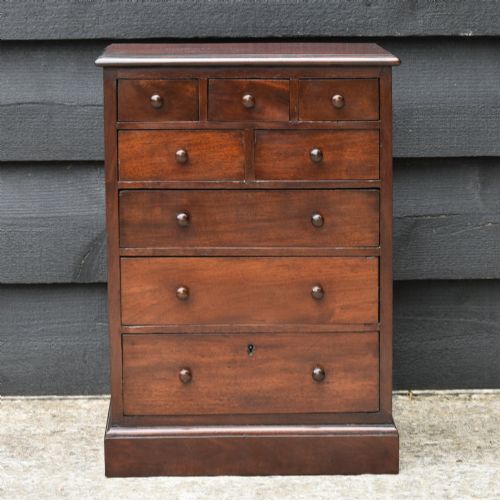
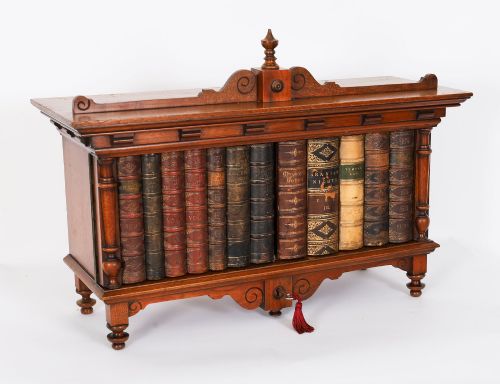
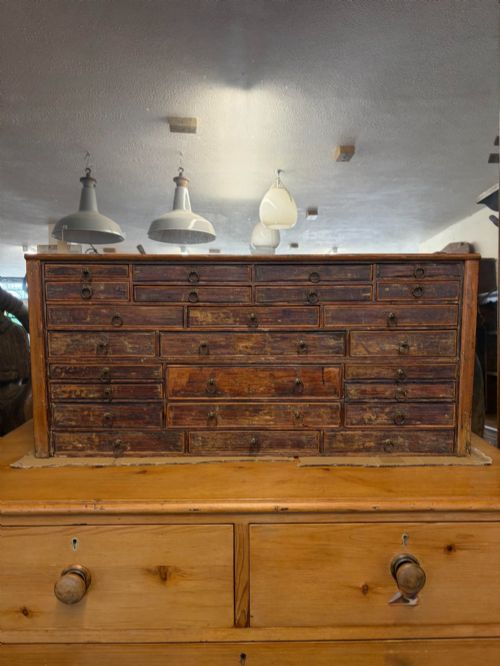
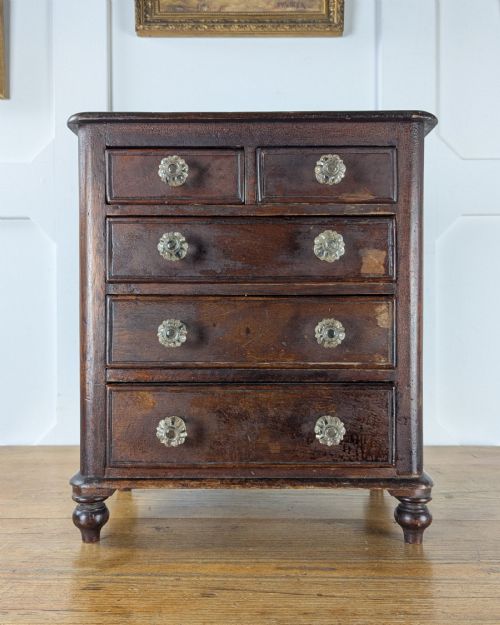
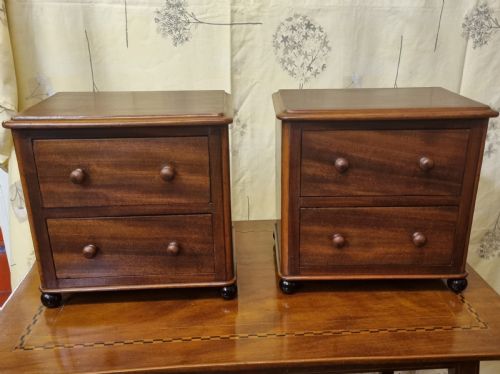
A small collector chest provides compact, dedicated storage for specimens, curiosities and small valuables in a tidy tabletop format.
Small Collector Chest
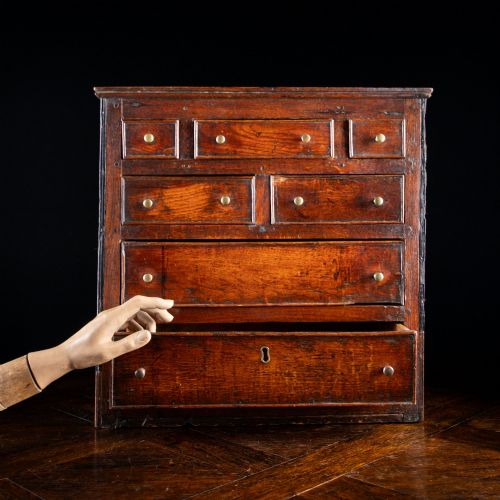
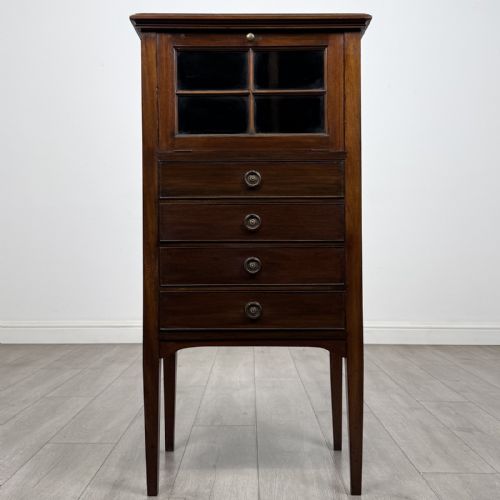
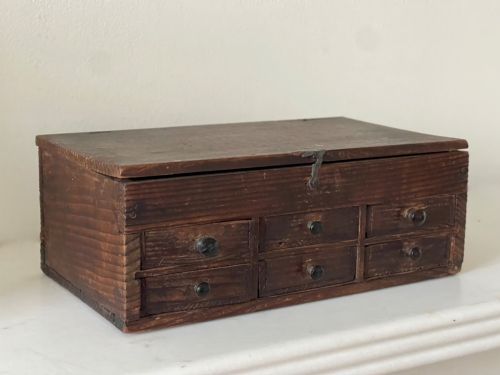
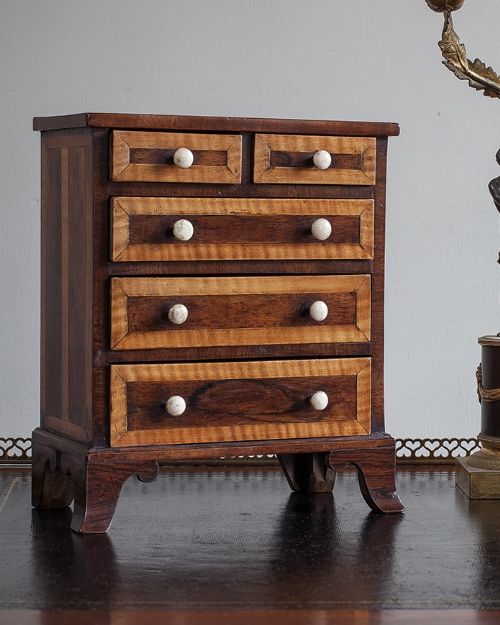
When you search for a small collector chest, you encounter a specialised form of miniature furniture designed to hold coins, shells, insects, medicines or small treasures.
These items range from apothecary and homeopathic banks of drawers to apprentice pieces and tabletop specimen cabinets.
Materials and Construction
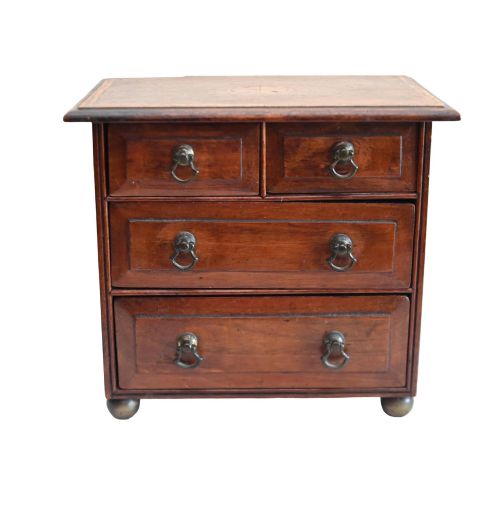
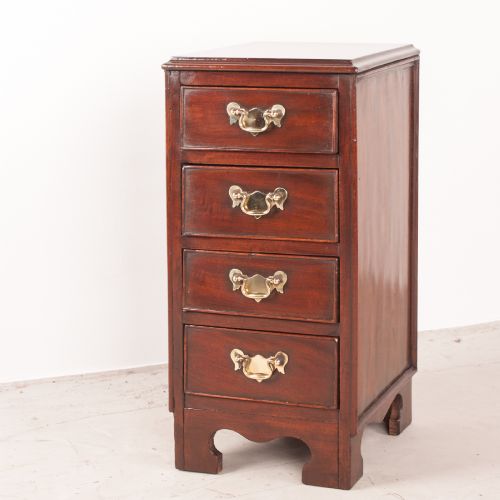
Cabinetmakers utilised hardwoods such as mahogany, walnut and oak alongside softer pine and fruitwood, often adding brass handles, locks and campaign-style flush fittings.
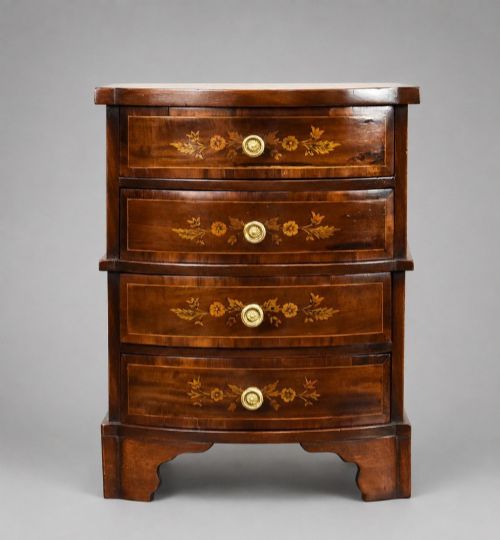
Surfaces feature decorative techniques including marquetry, inlay and fine grain-staining to enhance the natural appearance of the wood.
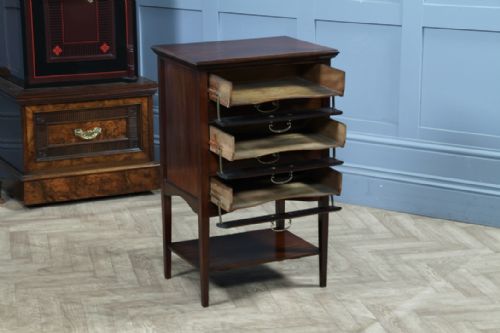
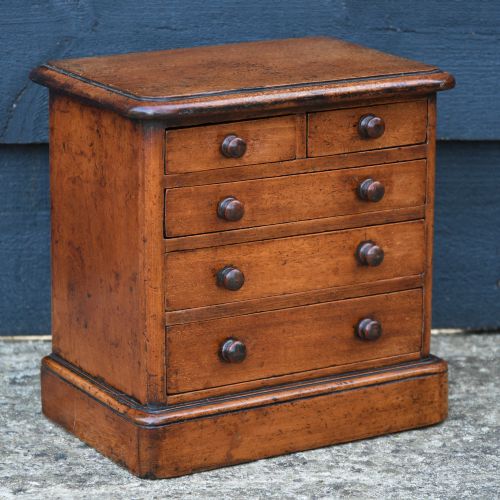
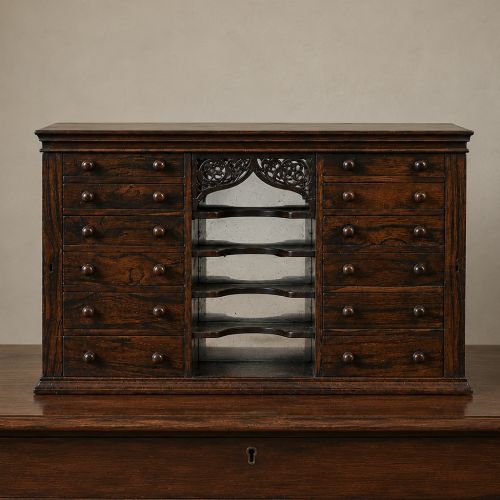
Many examples incorporate multiple small drawers with hand-cut joints designed to slide smoothly within a sturdy table-top housing.
Small Collector Chest Retail Price Guide 2026
Typical asking prices for small collector chest among the pieces listed under this phrase on Sellingantiques today, from the lower quarter to the upper quarter. They describe what is for sale here now, not the wider market.
Formats include apothecary drawers, Wellington chests, spice cabinets and multi-drawer filing units.
Assessing the Pieces
The standard of a small collector chest depends upon the precision of its joinery, the choice of timber figures and the integrity of its original hardware.
Subtle details such as flush-fitting drawer fronts, matching grain orientation and authentic period brasses separate standard utilitarian storage from finely finished cabinetwork.
Luxmore's of Ilfracombe·D Napier & Sons
The Small Collector Chest Glossary
- Apprentice piece
- A small item of furniture demonstrated by a craftsman to prove skill before admission to a guild. These pieces mirror full-scale furniture in miniature detail.
- Wellington chest
- A tall, narrow chest of drawers secured by a locking hinged side bar that fastens over the drawer edges. This form originates from the nineteenth century.
- Specimen cabinet
- A specialised piece of furniture built with numerous shallow drawers for organising natural history collections such as insects, fossils or botanical samples.
- Apothecary chest
- A multi-drawer storage unit designed for holding medicines, herbs, chemicals or medical equipment. They frequently appear in compact tabletop formats.
- Campaign style
- Portable furniture constructed for travel, typically featuring recessed brass handles, reinforced corners and durable hardwood frames.
Small Collector Chest: Frequently Asked Questions
What were small collector chests used for?
These chests served various domestic and professional purposes, from storing apothecary supplies and botanical specimens to keeping coins, jewellery and small curiosities.
Collectors and practitioners used the compartmentalised drawers to keep delicate items organised and protected from dust and light.
How do I date a small collector chest?
Dating relies upon examining the timber species, construction methods, drawer linings and hardware style. Eighteenth-century and nineteenth-century pieces display distinct dovetailing techniques and wood selections that shift from oak and pine to rich mahogany and walnut.
Secondary woods inside the drawers often provide the clearest indication of origin and period.
Are apprentice pieces different from regular miniature chests?
Apprentice pieces represent scaled-down versions of full-size furniture built to demonstrate a woodworker's proficiency.
While standard miniature chests were often made for children or as specific tabletop furniture, apprentice examples typically show exceptional joinery detail matching larger cabinet standards.
How should I care for an antique wooden chest?
Keep wooden chests away from direct sunlight and extreme humidity fluctuations to prevent the timber from warping or splitting.
Applying a light coat of traditional beeswax periodically helps maintain the lustre of the antique finish without building up residue.