


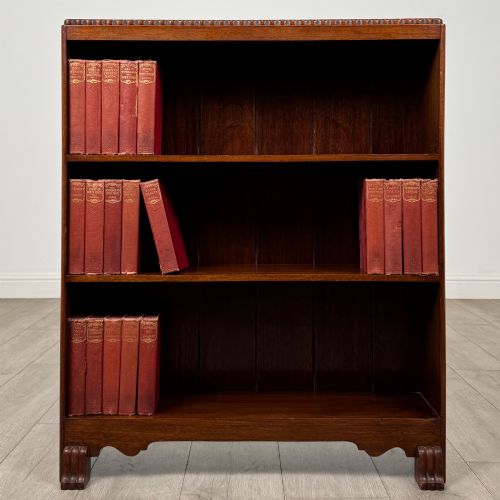
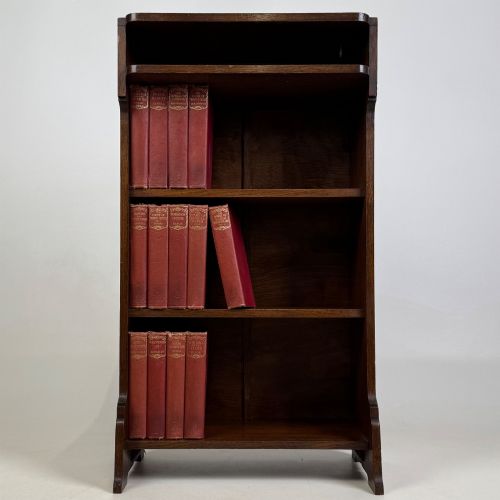
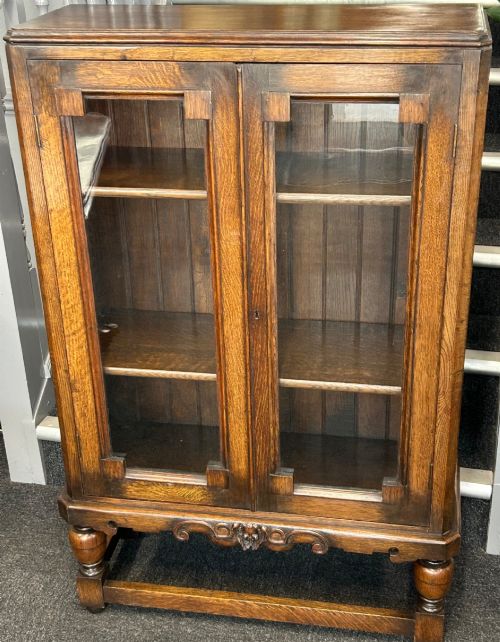
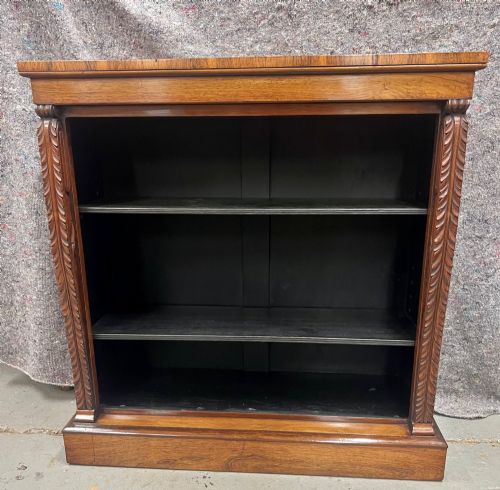


Small Carved Bookcase
When you want a small carved bookcase, you are looking at compact timber shelving units built to hold volumes in limited space.
Small Carved Bookcase
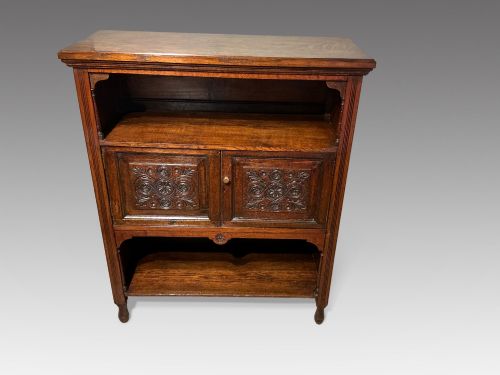
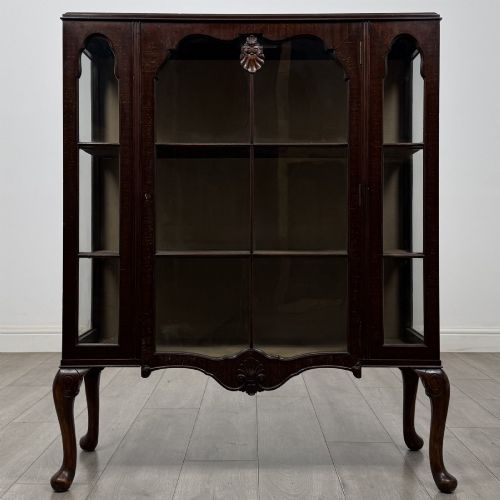
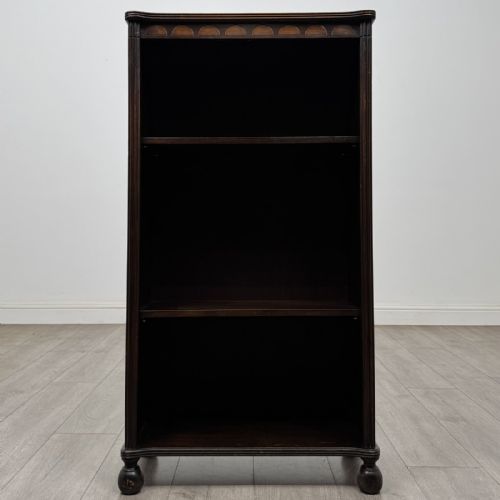
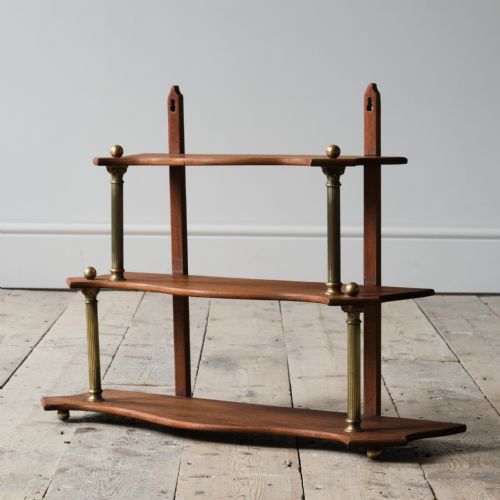
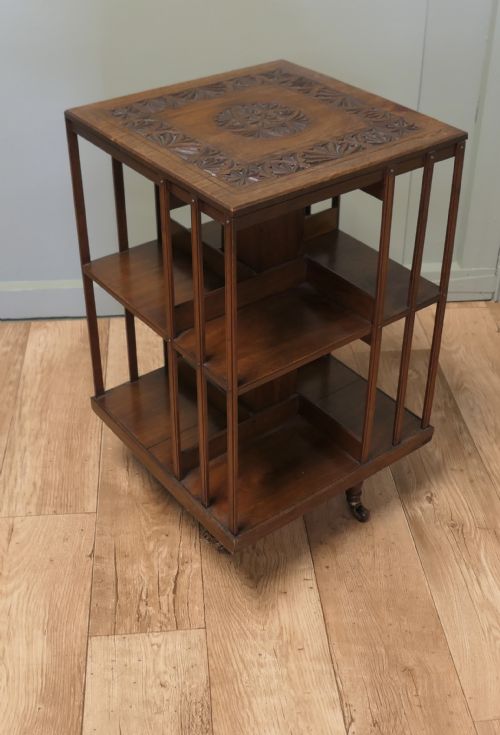
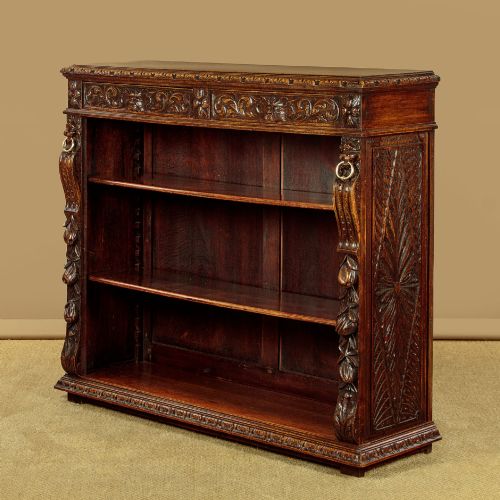
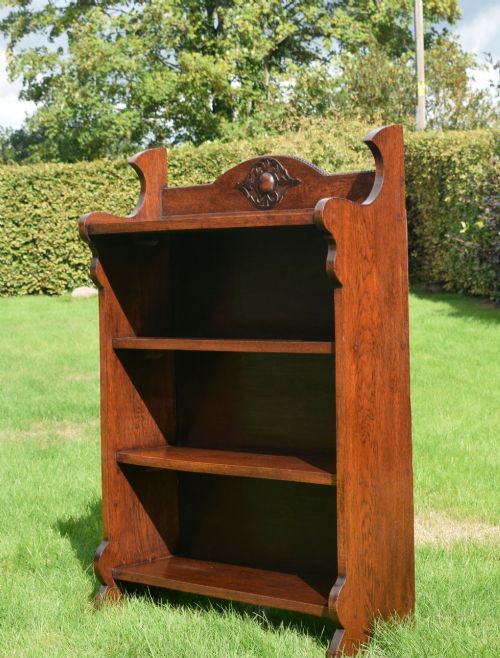
A small carved bookcase is a compact timber furnishing designed for domestic interiors, appearing frequently in oak and mahogany across this selection. These pieces range from open wall shelves and revolving table-top stands to enclosed cabinets with carved cupboard doors.
The versions most likely to meet you on this page date from the nineteenth century into the early twentieth century, spanning Victorian, Edwardian, and Regency periods. Many exhibit regional and stylistic influences such as Arts and Crafts, Jacobean Revival, or French Provincial carving.
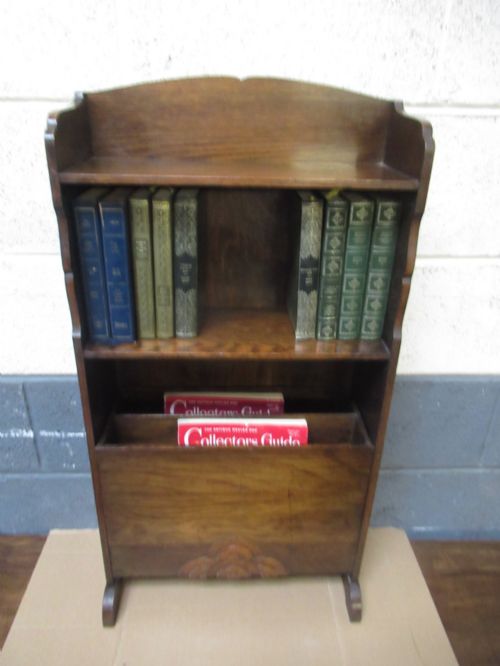
Makers and workshops of these eras produced diminutive shelving units to fit tighter architectural spaces than large library bookcases required. Examples include rotating desk-top models, narrow wall-hanging units, and small standing bookcases with lower drawers.
Judging Quality
Quality rests upon the crispness of the timber carving and the selection of materials like solid oak or figured mahogany. Pieces retaining original brass hardware, glass panels, and stable rotating mechanisms hold greater distinction.
Proportion and execution separate standard utility items from finer workshop pieces, such as those by identified makers or specific revival styles. The integration of functional elements, like lower drawers and secure shelving, indicates higher cabinet-making standards.
Small Carved Bookcase Retail Price Guide 2026
Typical asking prices for small carved bookcase among the pieces listed under this phrase on Sellingantiques today, from the lower quarter to the upper quarter. They describe what is for sale here now, not the wider market.
Materials represented include solid oak, mahogany, rosewood, walnut, brass, glass, and flame mahogany veneer.
Ercol·Shapland and Petter
The Small Carved Bookcase Glossary
- Revolving bookcase
- A rotating table-top or floor-standing shelving unit designed for easy access to volumes from any angle.
- Secretaire bookcase
- A cabinet combining book storage with a pull-down writing desk drawer fitted with internal compartments.
- Chiffonier
- A low sideboard or small cabinet featuring shelving or a drawer, commonly produced in mahogany during the nineteenth century.
- Flame mahogany veneer
- A thin slice of timber cut from mahogany forks to create a distinctive, fiery grain pattern on furniture surfaces.
- Breakfront
- A cabinet design where the central section projects forward from the flanking outer sections.
Small Carved Bookcase: Frequently Asked Questions
What is a small carved bookcase?
A small carved bookcase is a compact timber piece designed to hold books while incorporating decorative carved woodwork on its frame, doors, or edges. These items include wall-hanging shelves, revolving desk stands, and narrow floor units.
Such furniture suited smaller Victorian and Edwardian rooms where full-height library shelving was impractical. They combine practical storage with the decorative cabinet-making styles of their respective periods.
How do I date a small carved bookcase?
Dating relies on identifying timber choices, construction techniques, and decorative styles characteristic of periods like the Regency, Victorian era, or Edwardian era. Oak pieces with heavy geometric carving often point to revival styles, while clean lines suggest Arts and Crafts influence.
Hardware such as brass panels or hinges also provides clues to the era of manufacture. Examining the backboards and joinery helps confirm whether a piece belongs to the nineteenth or early twentieth century.
Where were these bookcases used?
These compact bookcases were placed in studies, bedrooms, and parlours where space was limited. Table-top revolving models sat upon desks or counters for immediate reference books.
Wall-hanging versions made use of vertical wall space above other furniture. Counter-top shop cabinets and display units served commercial environments before entering domestic settings.
How do I care for antique timber?
Keep antique oak and mahogany away from direct heat sources and strong sunlight to prevent the timber from drying out or splitting. Dust regularly with a soft, dry cloth and apply occasional appropriate wax polish to nourish the wood.
Avoid using modern liquid sprays containing silicone, which can damage aged polishes. Maintaining stable room humidity preserves both the solid wood and any delicate veneer.