

Small Cabinet Bookcase
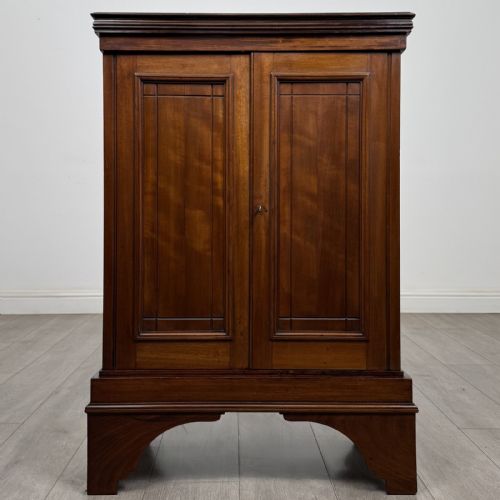
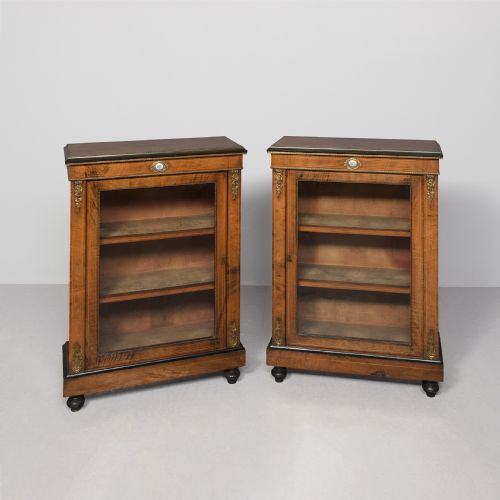
These small cabinet bookcase pieces combine storage and display in compact formats from Georgian, Regency, Victorian, and Edwardian periods.
Small Cabinet Bookcase
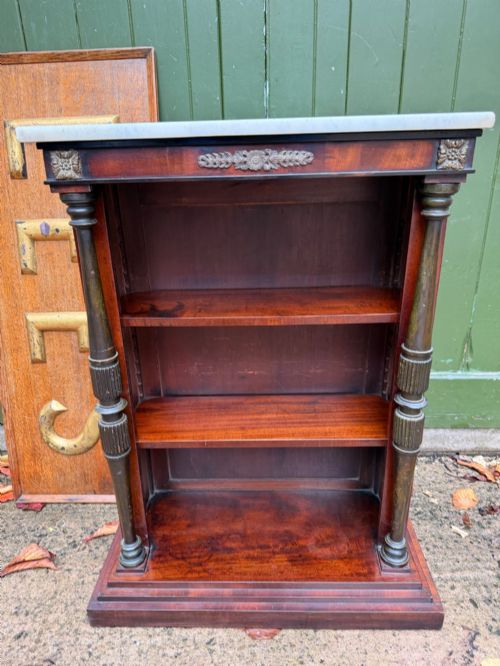
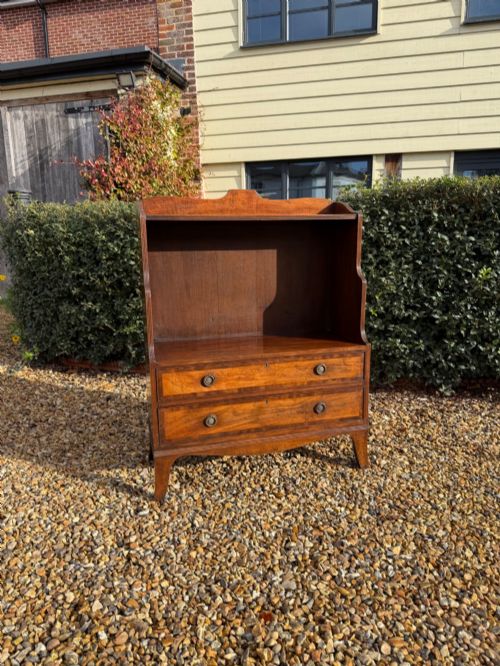
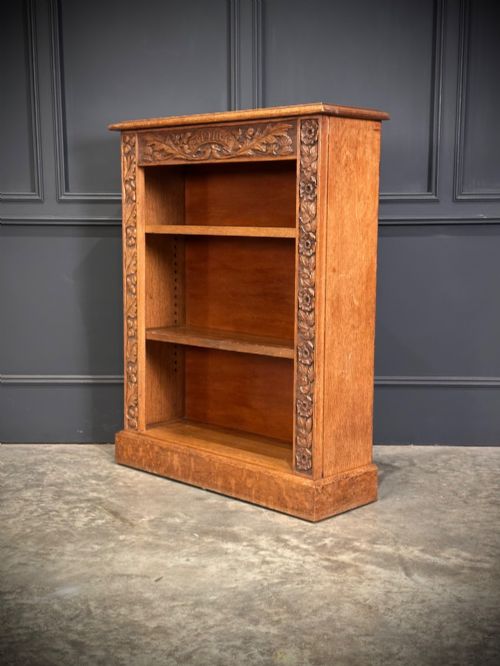
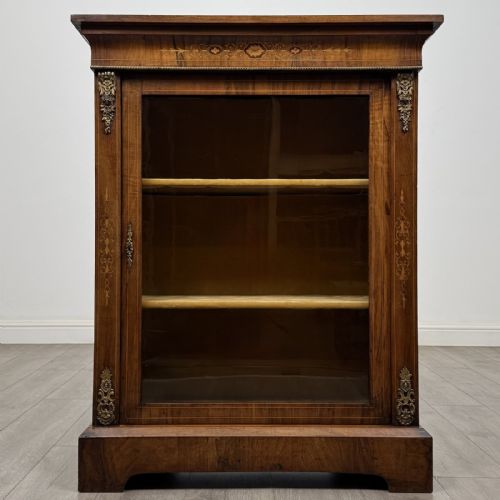
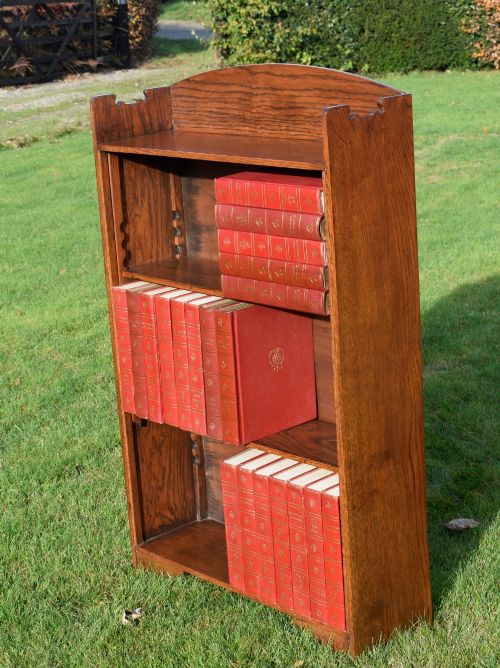
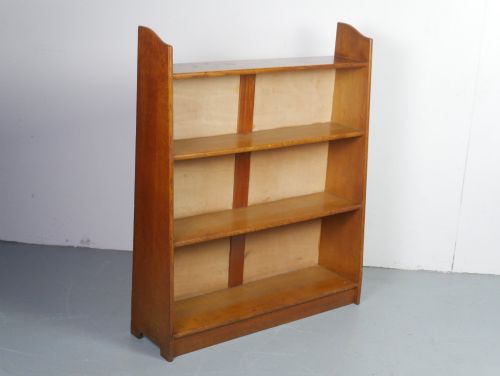
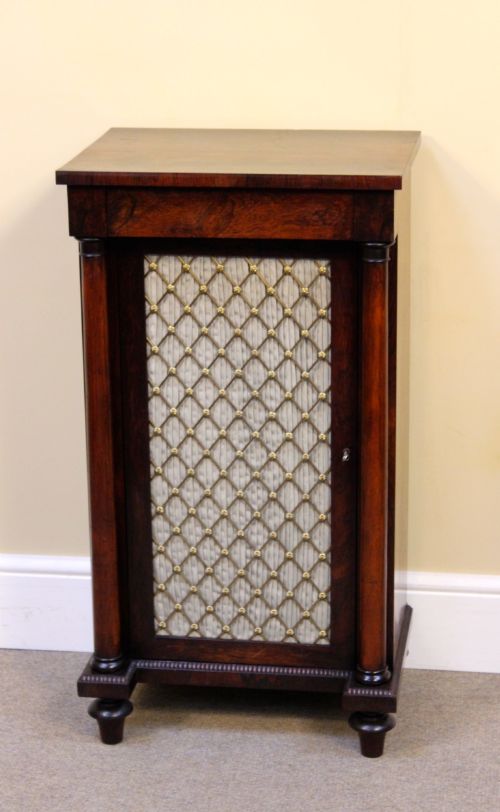
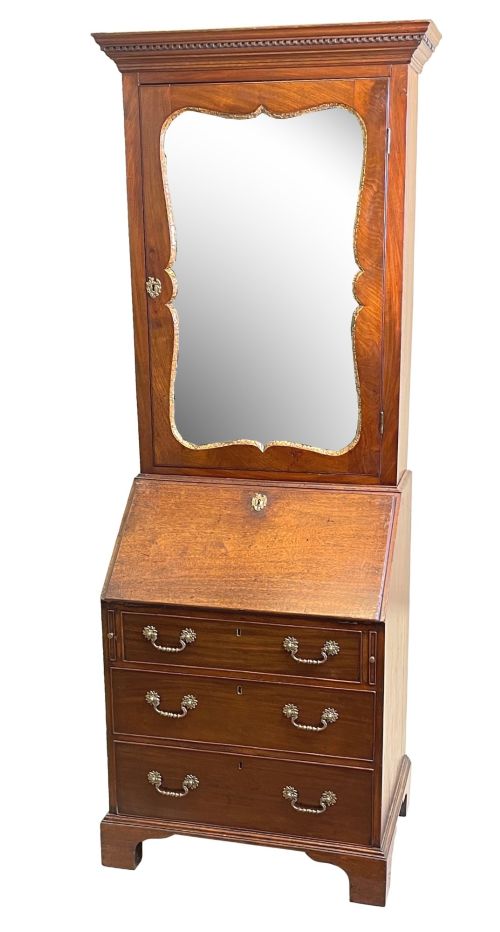
When you search for small cabinet bookcase, you encounter a variety of hybrid furniture pieces designed to hold books and display objects within limited floor space. The selection spans Georgian bureau bookcases, Regency rosewood pier cabinets, and Victorian glazed display units, alongside Edwardian oak designs and later pieces from the 1920s and 1930s. Miniature furniture and apprentice-made chests with removable glazed tops also appear alongside open bookcases and secretaire variants.
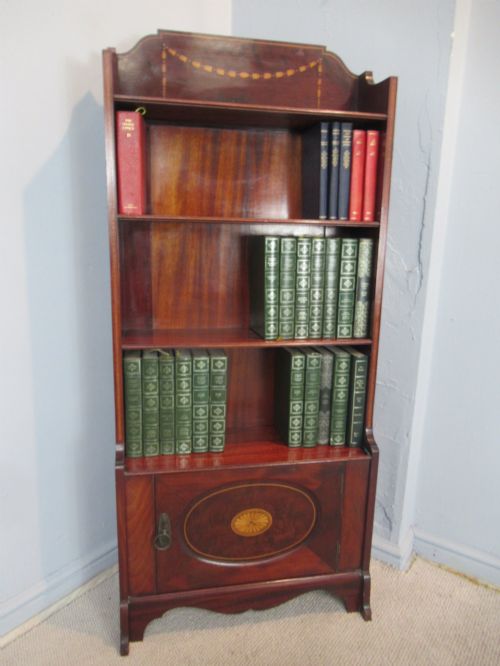
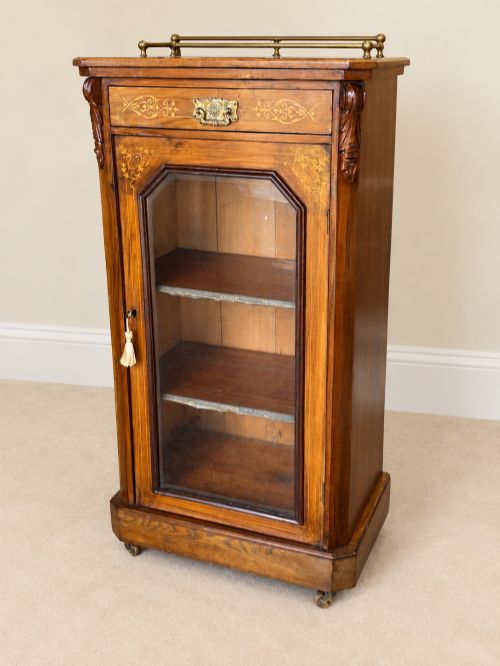
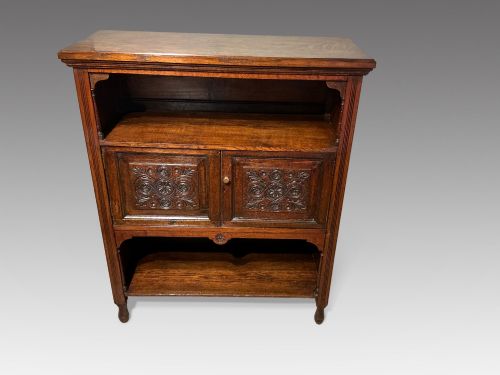
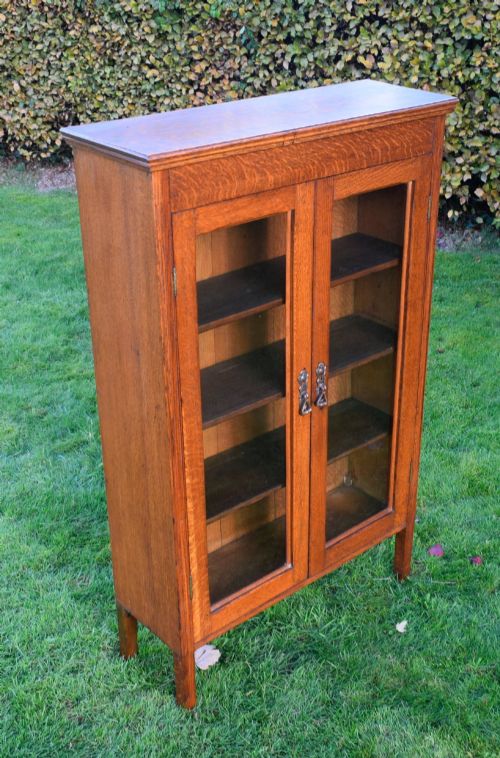
Victorian and Edwardian examples dominate the options on this page, frequently constructed in oak, mahogany, and walnut with glass doors or open shelving. Pieces range from dwarf oak cabinets and bedside cupboards to narrow inlaid mahogany bookcases raised on brass castors or bracket feet. Regional variations and specific workshop outputs, such as items associated with Gillows or Ercol, introduce distinctive proportions and hardware details to the traditional cabinet format.
Materials and construction techniques
Cabinet makers utilised dense hardwoods including oak, mahogany, rosewood, and walnut, frequently applying burr walnut or satinwood veneers to prominent surfaces. Marquetry inlay, carved edges, dentil cornices, and spindle gallery tops add decorative enrichment to the structural carcase. Glazed doors incorporate timber framework to protect volumes while maintaining visibility for china and collected items.
Secondary structural elements include brass castors for mobility, leather inserts on secretaire drawers, and bracket or cabriole feet to support the weight of timber and glass. Joinery methods accommodate the varying expansion rates of solid woods and veneers across Georgian, Victorian, and Edwardian production dates.
Small Cabinet Bookcase Retail Price Guide 2026
Typical asking prices for small cabinet bookcase among the pieces listed under this phrase on Sellingantiques today, from the lower quarter to the upper quarter. They describe what is for sale here now, not the wider market.
Listings span eight distinct periods from the eighteenth century through the 1930s, featuring woods such as rosewood, oak, mahogany, and burr walnut.
Distinctions in construction and finish
Quality depends on the selection of timber veneers, such as figured mahogany or burr walnut, and the precision of inlaid marquetry work. Finer examples display harmonious grain matching across doors and drawer fronts, alongside crisp carving on cornices and borders rather than mechanical replication.
Structural integrity reveals itself in the alignment of glazed doors, the smooth action of secretaire drawers, and the originality of brass hardware and castors. Pieces attributed to documented makers demonstrate superior internal joinery and thoughtful proportioning compared to standard commercial output of the same period.
Gillows of Lancaster·Heals·Ercol
The Small Cabinet Bookcase Glossary
- Secretaire bookcase
- A cabinet featuring a pull-out writing drawer with a drop-front desk surface concealed beneath upper shelving or glazed doors.
- Pier cabinet
- A low narrow cabinet designed specifically to stand against the wall space between windows.
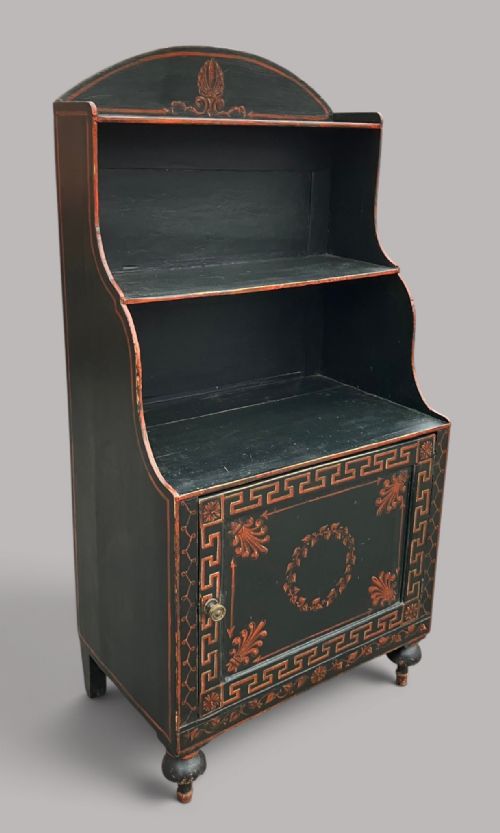
- Waterfall bookcase
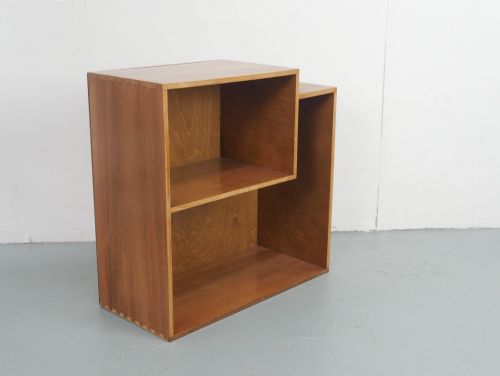
- A set of open shelves stepped back progressively from bottom to top, often featuring a small cupboard base.
- Marquetry
- Decorative patterns formed by the insertion of contrasting veneers into a primary wood surface.
- Dentil cornice
- A decorative architectural moulding punctuated by a series of small rectangular blocks resembling teeth.
Small Cabinet Bookcase: Frequently Asked Questions
What is a small cabinet bookcase?
A small cabinet bookcase is a compact hybrid furniture piece that combines enclosed cupboard storage or display space with open or glazed shelving for books.
These items range from Georgian bureau bookcases and Regency pier cabinets to Victorian and Edwardian glazed display units designed for smaller rooms.
How do I date a cabinet bookcase?
Dating relies on identifying characteristic timber choices, construction techniques, and stylistic markers associated with periods such as Georgian, Regency, Victorian, or Edwardian.
Details like marquetry inlay, brass castor types, cornices, and foot styles help narrow the decade of manufacture alongside any maker attribution.
Were these pieces used for books or display?
Many examples served both functions simultaneously, utilising upper glazed doors to protect bound volumes while lower cupboards stored papers or tableware.
Open shelf versions focused on accessible library storage, whereas vitrines and pier cabinets prioritized the exhibition of ceramics and curiosities.
How do I care for antique timber?
Maintain stable indoor humidity and temperature levels away from direct heat sources to prevent timber warping and veneer lifting.
Apply traditional wax polishes sparingly with soft cloths to nourish the wood without building up excessive residue on carved or inlaid surfaces.