




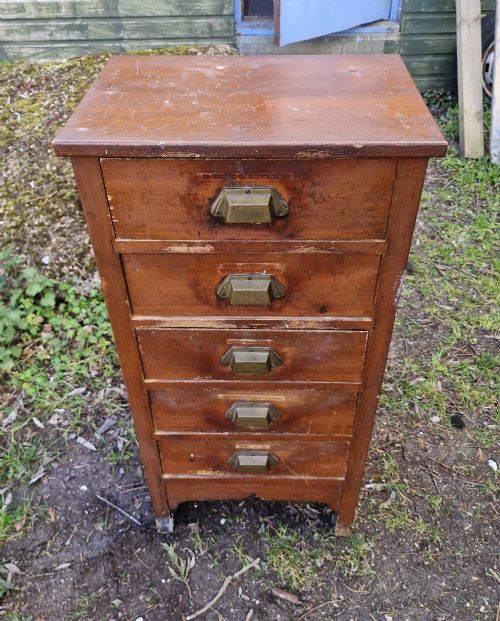


Small Brown Drawer Unit
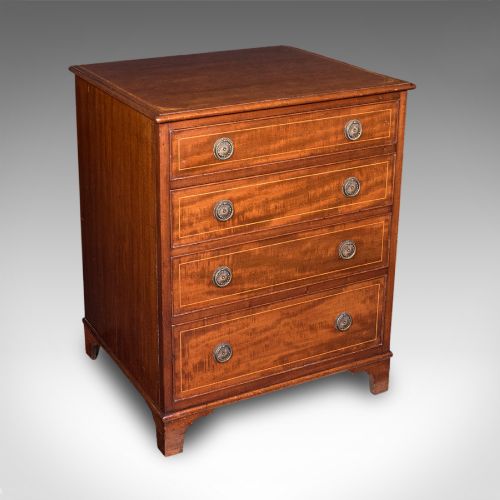
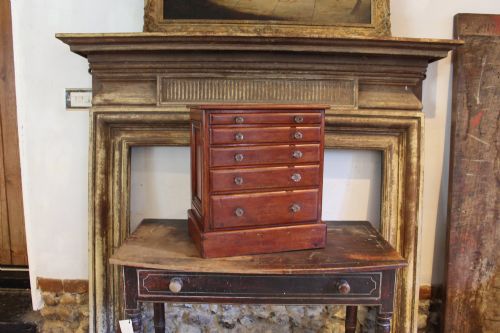
A small brown drawer unit offers practical desktop or tabletop storage in timber, ranging from miniature apprentice pieces to industrial filing banks.
Small Brown Drawer Unit
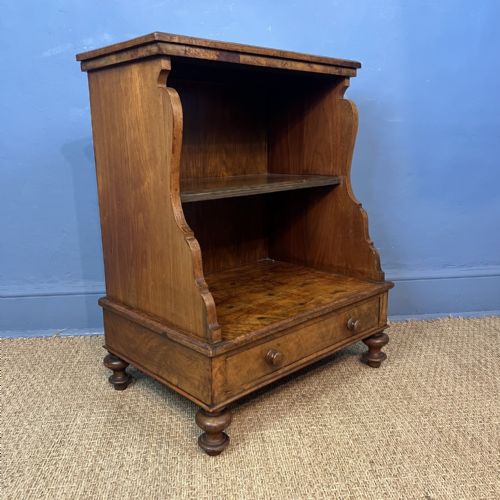
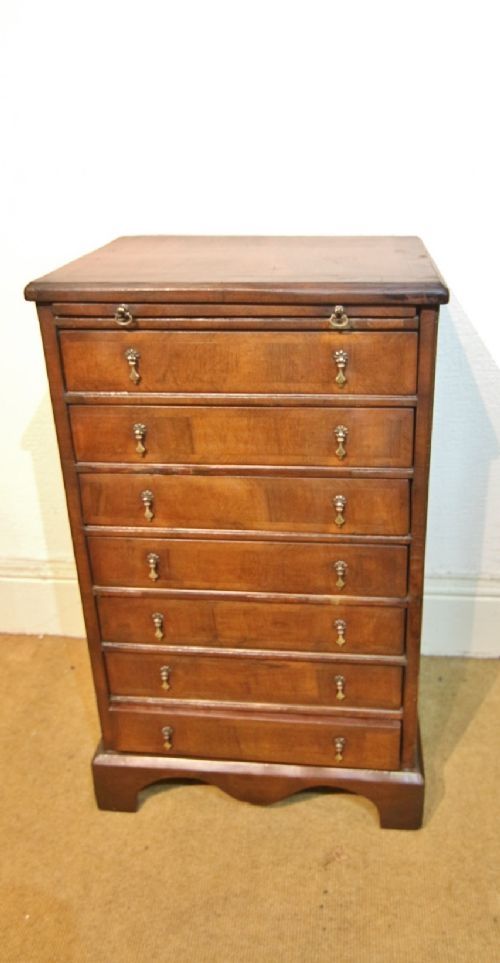
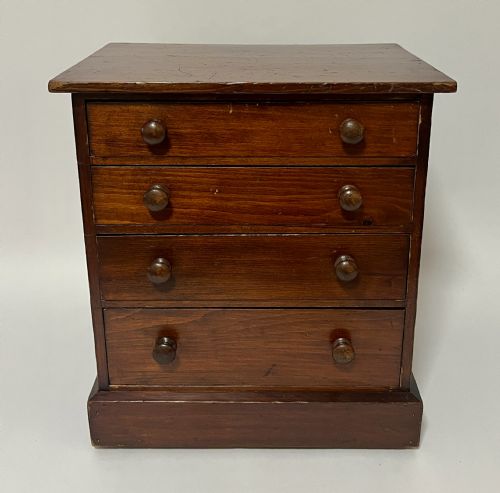
When you search for a small brown drawer unit, you encounter compact timber storage forms designed for tabletop use or narrow spaces. These pieces span miniature chests, collectors' cabinets, watchmakers' work chests, and narrow office filing units from the eighteenth century through to the 1930s.
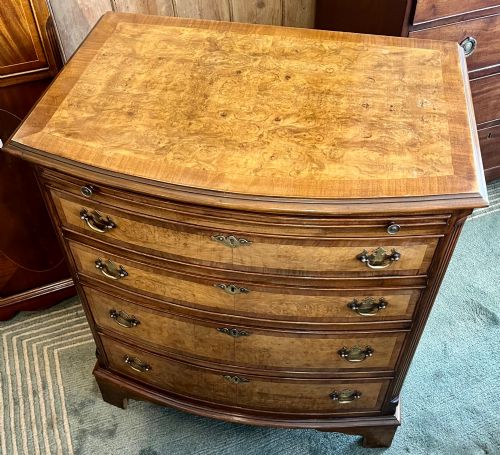
The most common versions on this page are nineteenth-century and early twentieth-century mahogany, walnut, and pine chests, often featuring multiple graduated drawers with brass handles.
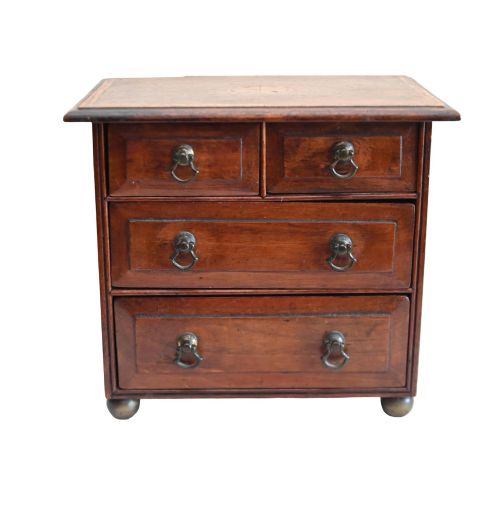
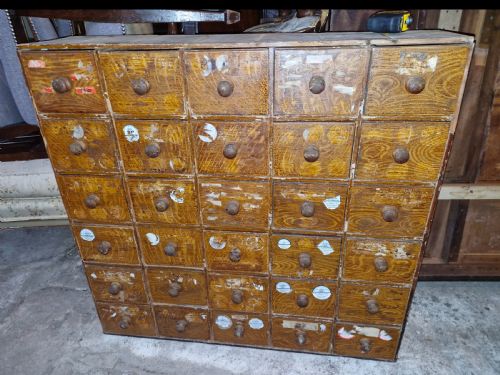
Specialised variants include apothecary chests, index filing drawers, music cabinets, and apprentice pieces that replicate full-scale furniture on a reduced footprint.
How they were made
Cabinetmakers constructed these small brown drawer units primarily using solid and veneered timbers such as mahogany, walnut, burr walnut, oak, and pine. Joinery techniques varied from traditional dovetailed drawer construction to industrial metal and wood framing in later filing cabinets.
Surfaces were finished with polished grains that highlighted the natural figure of the wood, whether figured walnut, stained deal, or polished mahogany. Hardware typically consisted of brass drop handles, drawer pulls, or brass label holders suited to the intended commercial or domestic function.
Small Brown Drawer Unit Retail Price Guide 2026
Typical asking prices for small brown drawer unit among the pieces listed under this phrase on Sellingantiques today, from the lower quarter to the upper quarter. They describe what is for sale here now, not the wider market.
Index filing drawers in beech remind us that even paperwork once required a very tidy wooden home.
What varies in quality
Quality in a small brown drawer unit rests primarily on timber selection and grain figuring, with richly marked burr walnut and finely grained mahogany sitting at the upper end compared to plain stained pine or deal. The choice of secondary woods inside the drawers and the precision of the dovetail joints also distinguish finer workshop production from utilitarian office furniture.
Original hardware contributes significantly to the integrity of the piece, particularly matched period brass handles and escutcheons that have survived intact. Proportions matter greatly, especially in miniature and apprentice chests where the balance of the drawers must mirror larger furniture successfully.
Luxmore's of Ilfracombe·Amberg
The Small Brown Drawer Unit Glossary
- Apprentice chest
- A miniature piece of furniture made by a joiner to demonstrate skill or as a detailed scale model for a client. These typically mirror the proportions of full-sized chests of drawers.
- Collectors cabinet
- A shallow-drawer unit designed for storing specimens, coins, or small objects of study. They frequently feature numerous small drawers enclosed by panelled doors.
- Burr walnut
- A veneer taken from the knotted growth of a walnut tree, prized for its swirling, highly figured grain patterns. It appears frequently on decorative nineteenth-century and 1930s cabinets.
- Dovetail
- A traditional interlocking joint used at the corners of drawers. Hand-cut dovetails with fine pins indicate older, skilled cabinetmaking.
- Apothecary chest
- A set of small drawers historically used by chemists and pharmacists for storing herbs, compounds, and medical ingredients. These often retain numerous small compartments.
Small Brown Drawer Unit: Frequently Asked Questions
What were small brown drawer units used for?
These small timber units served varied practical roles in homes, offices, and workshops. They held everything from watchmaker's tools and specimens to documents, index cards, and medicines.
Domestic versions often sat on tables or chests to store letters, jewellery, or napkin collections. Commercial variants functioned as desk organizers and filing systems.
How do I tell an apprentice chest from a regular box?
An apprentice chest is built with fully functioning miniature drawers utilising proper joinery such as dovetails, replicating a full-sized chest in every structural detail.
Simple boxes with decorative drawer fronts lack the internal drawer structure and depth found in genuine miniature furniture.
What woods were used for these units?
Cabinetmakers utilised a wide selection of timbers depending on the period and intended use. Mahogany and walnut were chosen for formal domestic settings, often featuring decorative burr veneers.
Pine, deal, and oak appeared more frequently in utilitarian contexts such as index files, apothecary units, and country house storage pieces.
How do I date a small drawer unit?
Dating relies on timber choices, construction methods, handles, and overall style. Georgian and Victorian pieces show hand-cut dovetails and traditional brass hardware, while Edwardian and 1930s office units introduce metal frames and indexed label holders.
Revival styles from the early twentieth century often copy eighteenth-century proportions using older timber working techniques.