



Small Bookcase with Doors
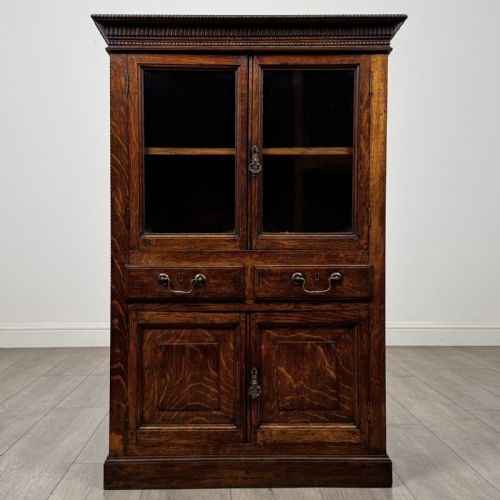
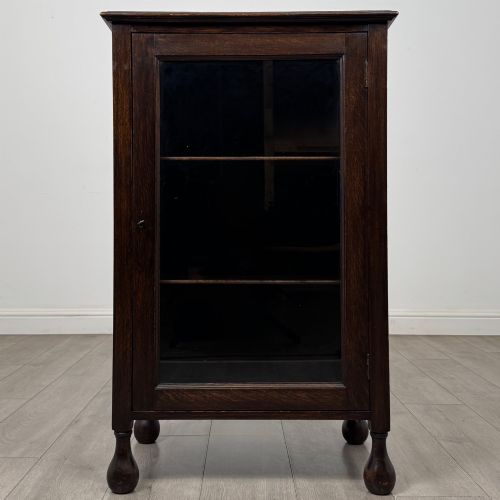
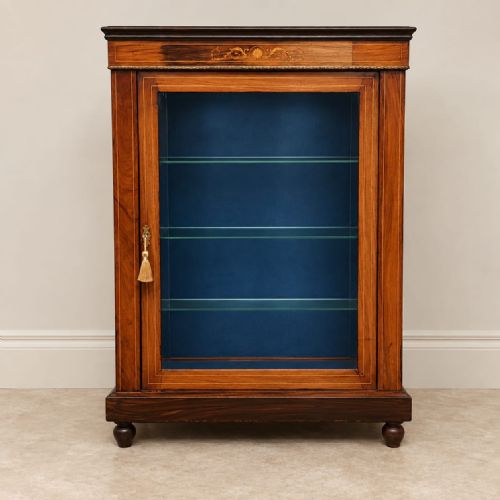
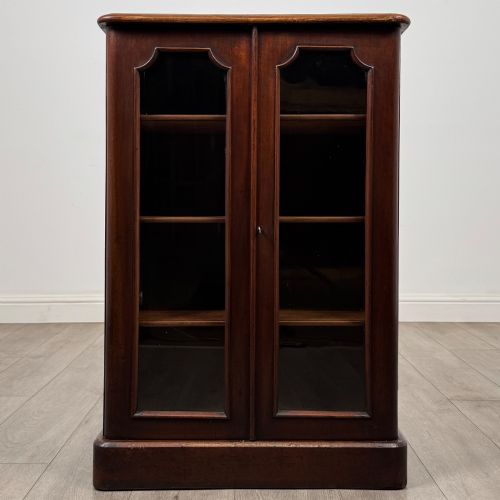
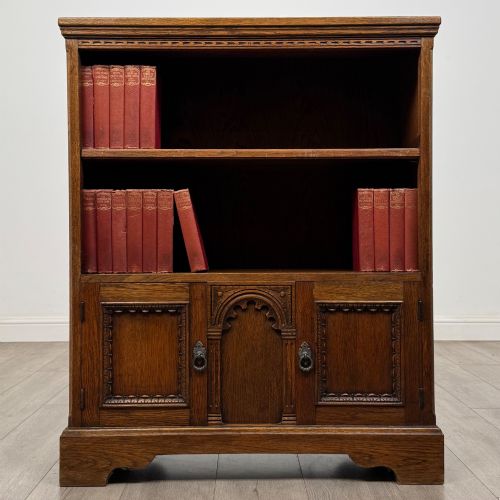
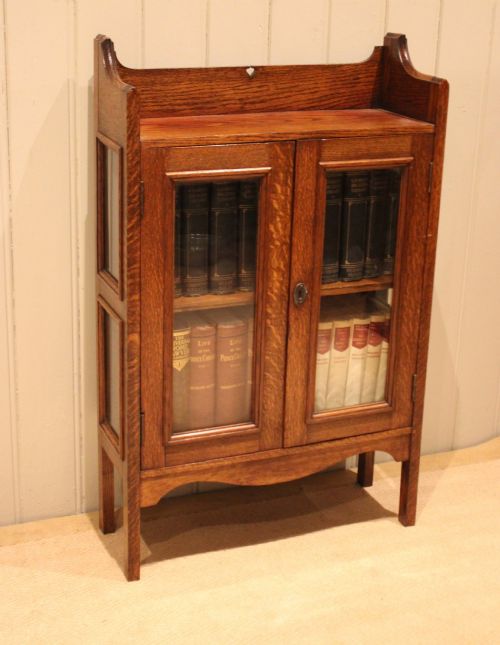
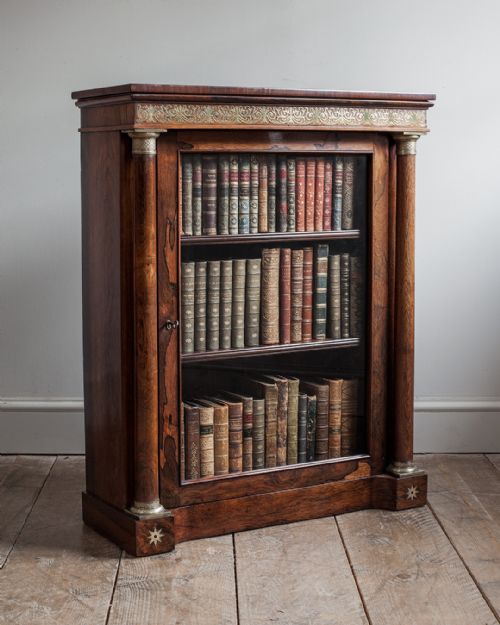
These small bookcase with doors pieces bring compact storage and glazed display to any room.
Small Bookcase with Doors
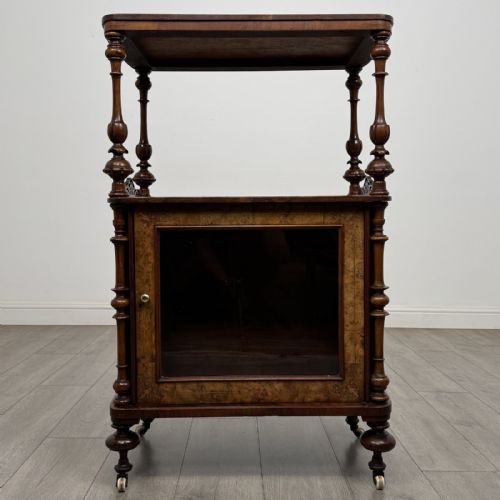
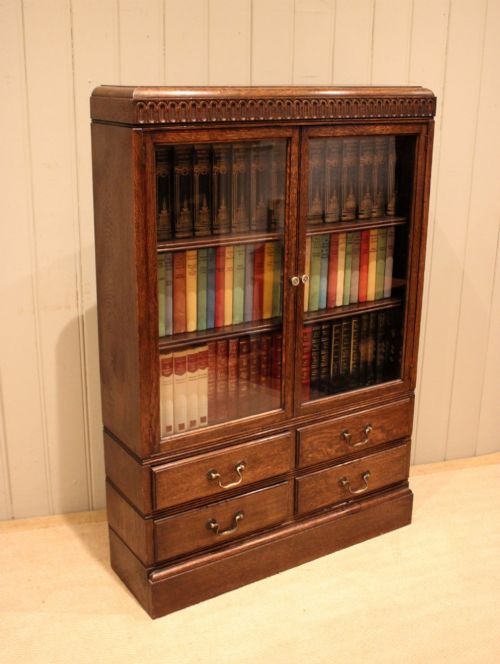
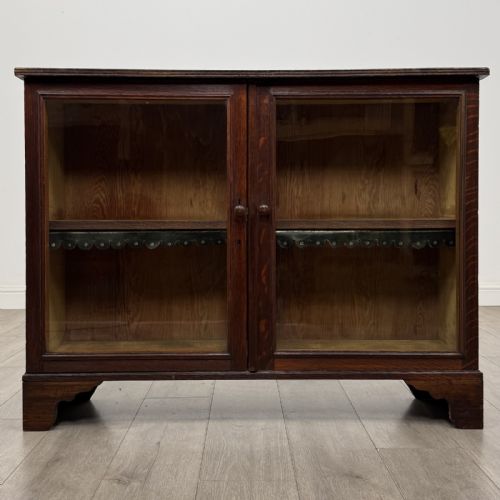
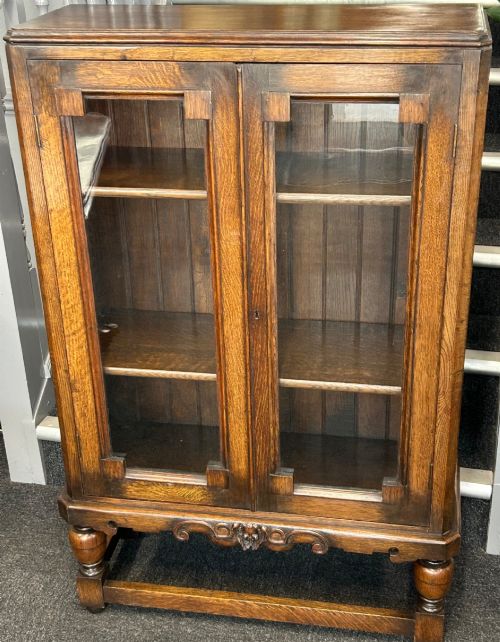
A small bookcase with doors combines open or enclosed shelving with the practical addition of cupboards or glazed panels. You will frequently encounter Victorian and Edwardian examples on this page, often built from oak or mahogany.
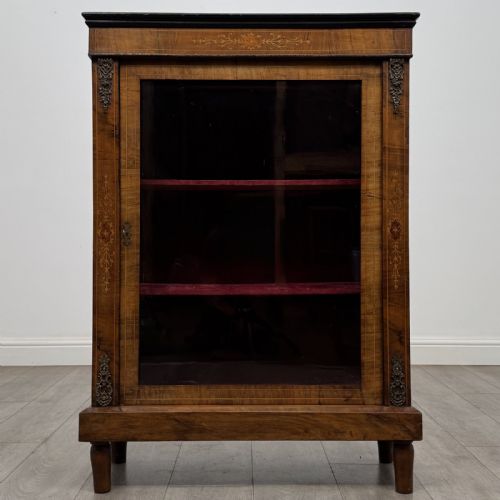
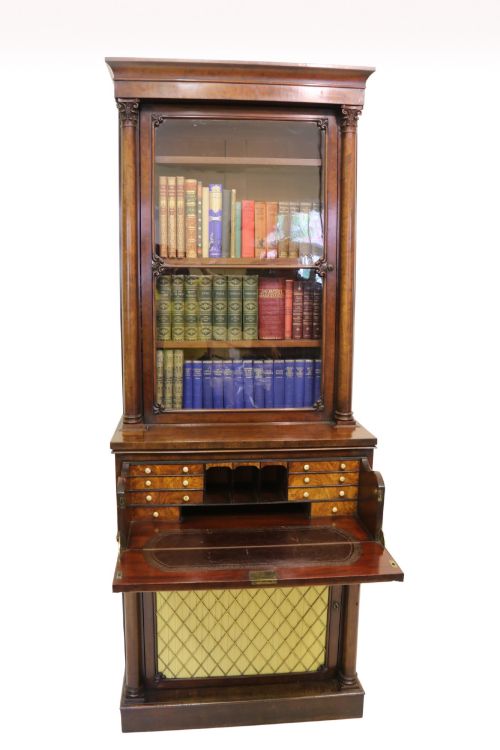
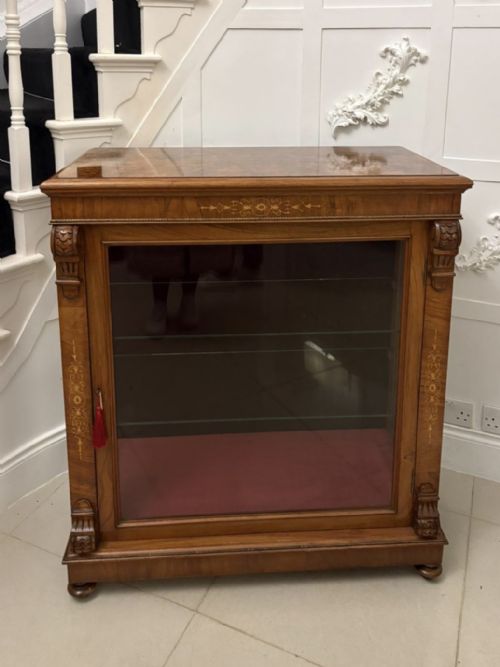
The selection ranges from George III and Regency chiffoniers to bureau bookcases and pier cabinets. These compact units provide both display space and concealed storage without dominating a smaller room.
Forms include glazed display cabinets, open shelving topped with cupboards, and fitted bureau bookcases. Each piece reflects the domestic requirements of its period, from 19th-century libraries to Edwardian drawing rooms.
How they were made
Cabinet makers relied on solid timbers like oak, mahogany, rosewood, and walnut, frequently applying flame mahogany veneer for decorative effect. Brass fittings and boxwood marquetry provide subtle ornamentation across these pieces.
Glazing bars secure glass panels within doors, while carved details and galleries appear on specific Edwardian and Victorian variations. Construction methods unite traditional joinery with period specific decorative veneers and inlays.
Small Bookcase with Doors Retail Price Guide 2026
Typical asking prices for small bookcase with doors among the pieces listed under this phrase on Sellingantiques today, from the lower quarter to the upper quarter. They describe what is for sale here now, not the wider market.
What varies in quality
Quality rests in the selection of timbers, such as figured flame mahogany veneer or well chosen walnut, paired with precise boxwood marquetry. Finer cabinets show superior timber grain alignment and cleaner execution of carved details.
The Small Bookcase with Doors Glossary
- Chiffonier
- A low sideboard or cabinet featuring a combination of shelves, drawers, and enclosed cupboards. These pieces evolved during the Regency and Victorian periods.
- Glazed Door
- A timber framed door fitted with glass panels to protect books or display objects while keeping them visible. Such doors are common on Victorian and Edwardian bookcases.
- Bureau Bookcase
- A combination form incorporating a sloping writing flap above a cabinet or bookshelf. They provide both a compact writing surface and storage.
- Marquetry
- The art of applying decorative veneer pieces in wood to form intricate patterns. Boxwood is frequently used for contrasting details on walnut cabinets.
- Gallery
- A raised decorative rail or pierced border running along the top edge of a cabinet or bookcase. This feature appears on several Edwardian oak pieces.
Small Bookcase with Doors: Frequently Asked Questions
What is a small bookcase with doors?
A small bookcase with doors is a compact cabinet designed to hold books or display objects while keeping items enclosed behind glass or timber panels. These pieces save floor space while offering functional storage.
They appear in various period styles including Victorian, Edwardian, and Regency designs, utilising woods such as oak, mahogany, and walnut.
How do I identify a Victorian bookcase?
Victorian bookcases often feature heavier timber construction, deep mahogany or walnut tones, and glazed or carved doors. They reflect the industrial and domestic tastes of the nineteenth century.
Look for period specific proportions and construction methods that distinguish them from later Edwardian or reproduction items.
What is the difference between a chiffonier and a bookcase?
A chiffonier is typically a lower piece combining cupboards and sometimes a drawer, often serving as a sideboard in a dining room or parlour. A bookcase prioritises shelving for books, though many examples include cupboards below.
Both forms appear frequently in nineteenth century British furniture.
Where should I place a small bookcase?
These compact cabinets suit alcoves, hallways, or smaller sitting rooms where full size library furniture would overwhelm the space. Their glazed doors also protect contents from dust in busy areas.
Ensure placement avoids direct sunlight to protect timber veneers and interior book bindings.