


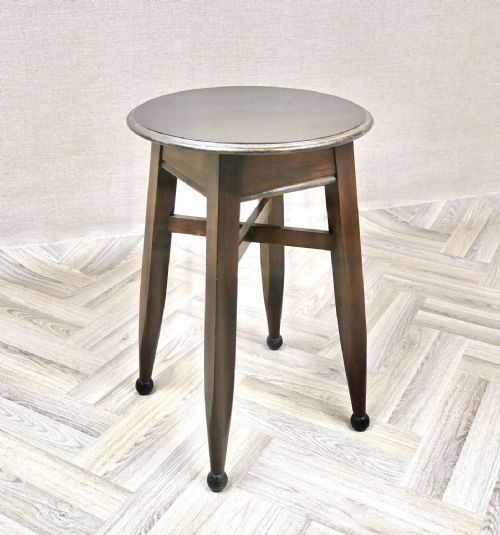


Small Art Deco Table
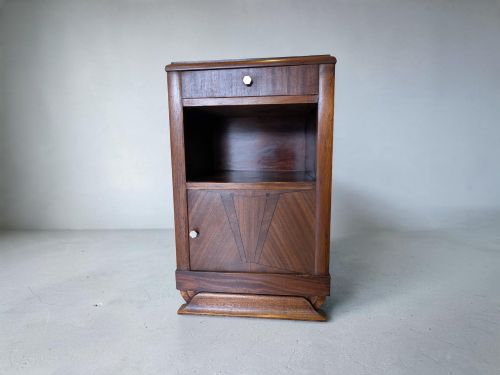
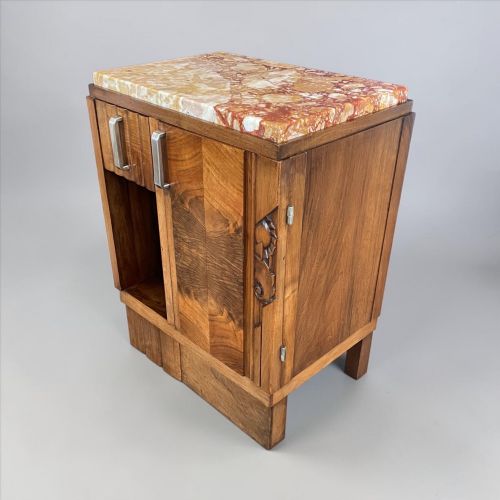
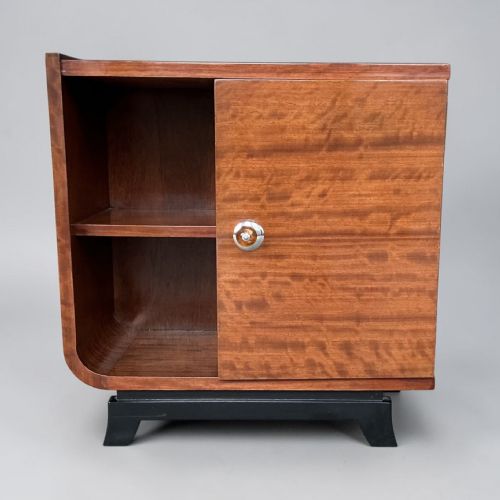
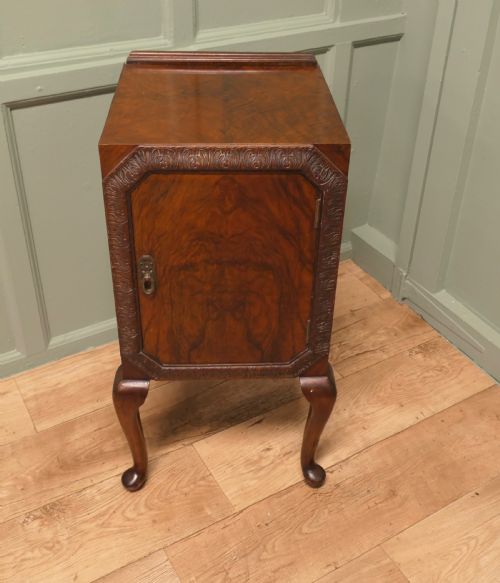
A small art deco table brings geometric elegance and compact practicality to modern rooms, appearing here in walnut, oak, and chrome.
Small Art Deco Table
A small art deco table represents a distinct era of design spanning from the 1910s through the 1930s, defined by clean lines and functional forms. You encounter side tables, lamp tables, and occasional pieces designed to fit neatly beside seating or beds.
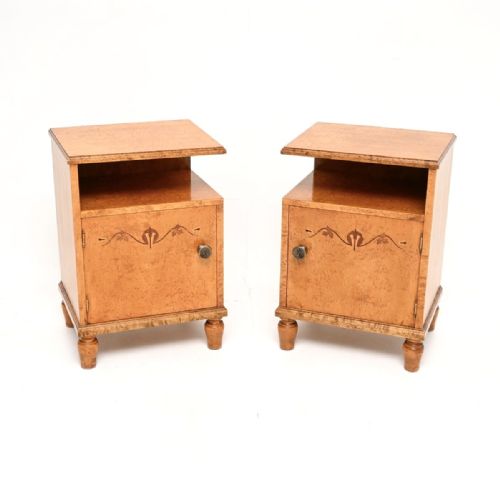
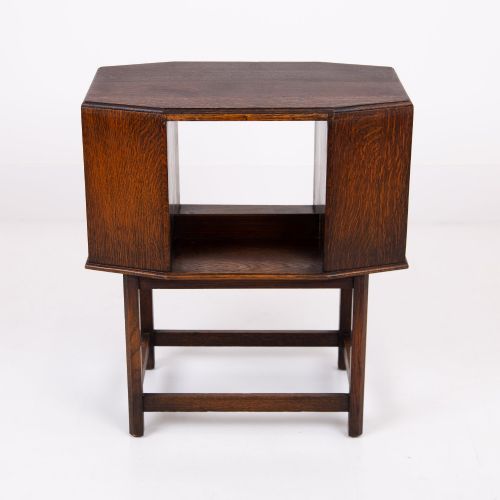
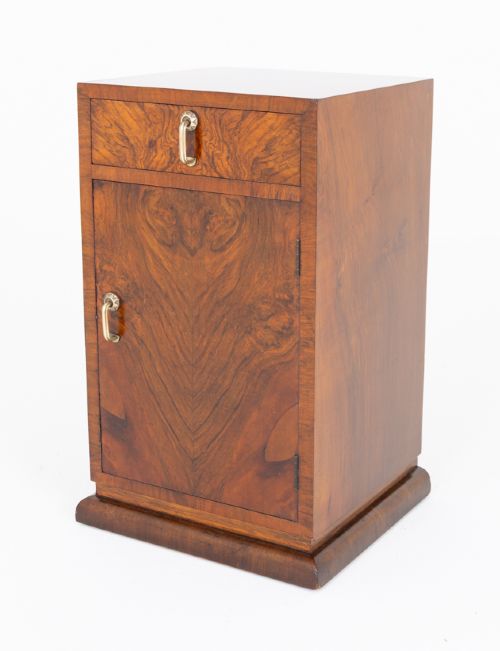
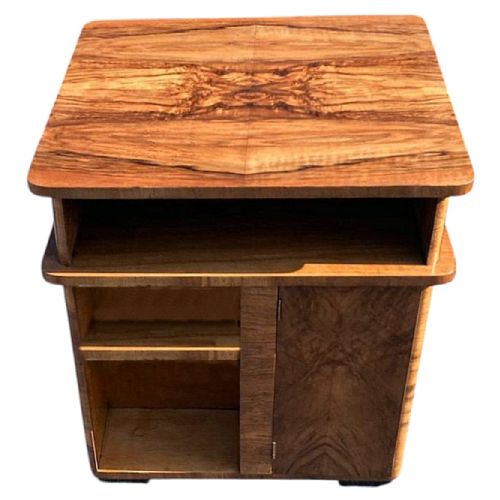
The walnut and oak variants dominate the selection, often incorporating burr veneers or clean geometric shapes. These practical surfaces served dual purposes as lamp stands, book storage, or bedside cabinets in period homes.
Makers and designers of the period favoured compact dimensions that suited urban living spaces of the early twentieth century. The survival of these pieces demonstrates the enduring appeal of modernist utility combined with traditional cabinetmaking.
Materials and construction
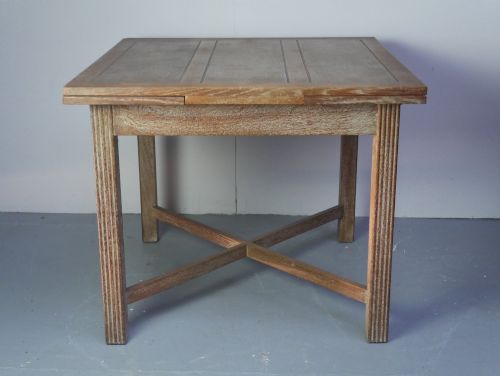
Makers utilised rich timbers such as walnut, burr walnut, oak, and limed oak to create striking grain patterns across flat surfaces. These woods were often polished to a high sheen or left with a limed finish to highlight the natural grain.
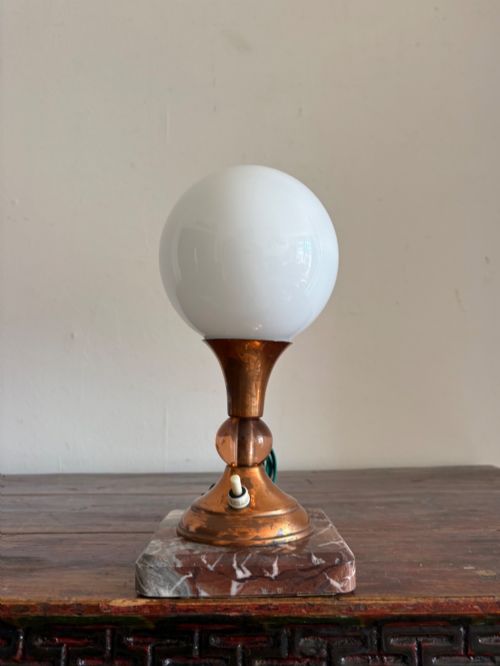
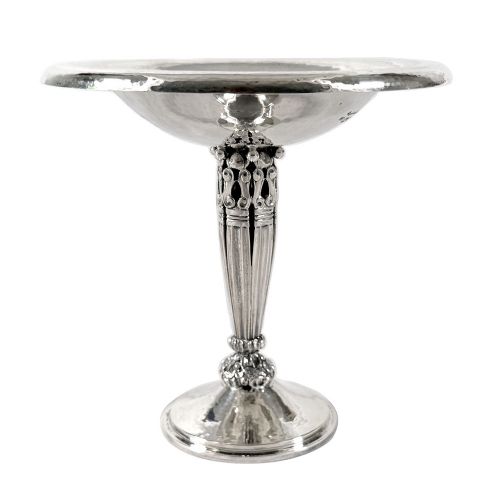
Metal components in brass, chrome, and copper frequently appeared alongside timber or marble bases to introduce industrial contrast. Glass and mirrored tops also emerged during this period, adding reflective surfaces to occasional tables and desks.
Small Art Deco Table Retail Price Guide 2026
Typical asking prices for small art deco table among the pieces listed under this phrase on Sellingantiques today, from the lower quarter to the upper quarter. They describe what is for sale here now, not the wider market.
Period styles extend from 1910 through 1930, encompassing art deco, modernist, and revival influences.
Assessing craftsmanship
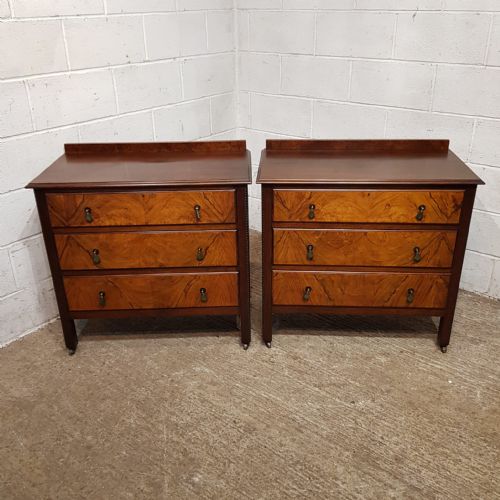
The distinction between standard production and superior craftsmanship lies in the selection of wood veneers and the precision of the joinery. Finely matched burr walnut veneers require expert hand-laying to maintain symmetrical patterns across the top.
Hardware integration and structural stability separate workshop output from mass manufacture. Well-made examples retain tight joints, smooth drawer actions where applicable, and robust integration of metal or glass elements.
Gomme·Heals·Charles Boyton·A.L. Davenport
The Small Art Deco Table Glossary
- Burr walnut
- A figured wood grain taken from the burl growth of the walnut tree, prized for its swirling, organic patterns. It creates a decorative focal point on tabletop surfaces.
- Limed oak
- Timber treated with a pickling agent to create a pale, whitish finish that mutes the dark grain. This technique gained popularity in interior design during the interwar period.
- Occasional table
- A small, moveable table designed for specific, intermittent use rather than central placement in a room. Examples include lamp stands, coffee tables, and small bedside units.
- Modernist
- A design movement prioritising function, clean lines, and the rejection of superfluous ornamentation. It forms the philosophical backbone of classic art deco furniture.
Small Art Deco Table: Frequently Asked Questions
How do I use a small art deco table in a modern room?
These compact tables function well as bedside stands, lamp supports, or secondary surfaces beside low seating. Their modest proportions allow them to fit into tight corners without overwhelming contemporary living spaces.
The distinct geometric lines provide a subtle contrast against minimalist interiors. Placing a lamp or a small decorative object on the surface completes the functional arrangement.
What wood types are most common for these tables?
Walnut and oak appear most frequently across the surviving pieces, often featuring figured grain or burr veneers. Limed oak and mahogany also represent the material palette of the period.
These timbers were chosen for their durability and capacity to take a smooth polish. Metal accents in chrome or brass frequently complement the wooden structures.
How do I distinguish 1920s pieces from 1930s pieces?
Pieces from the 1920s often retain transitional elements from earlier styles alongside early modernist experimentation. Oak and limed oak finishes frequently align with this earlier decade.
By contrast, 1930s pieces lean heavily into streamlined geometry, highly figured burr walnut, and the integration of chrome or mirrored glass. The reliance on symmetrical veneers deepens during the later period.
Are these tables suitable for daily use?
Solid construction in hardwoods like oak and walnut makes these tables durable for everyday placement. Their original purpose was domestic utility, meaning they were built to handle daily items like books, lamps, and drinks.
Care should be taken with polished veneer surfaces to avoid moisture damage. Using coasters and placing them away from direct heat sources preserves the historic finish.