





Small Apothecary Chest
A small apothecary chest brings compact compartmentalised storage into domestic rooms, offering miniature drawers and fitted cupboards for botanical remedies or dried spices.
Small Apothecary Chest
A small apothecary chest encompasses multi-drawer banks, spice cupboards, and tabletop cabinets designed for botanical storage and small remedies. These pieces emerge primarily from Georgian, Victorian, and early twentieth-century workshops.
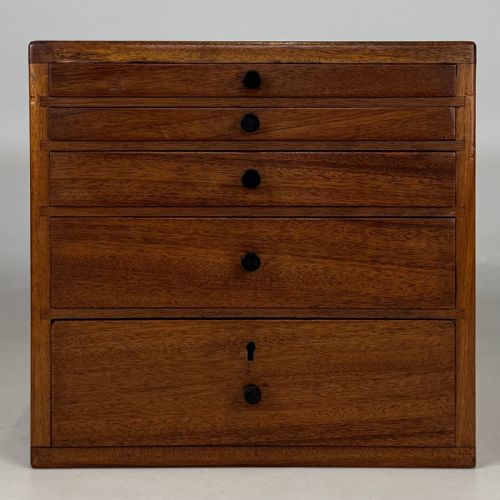
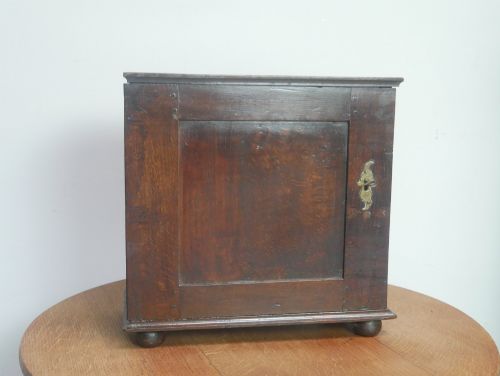
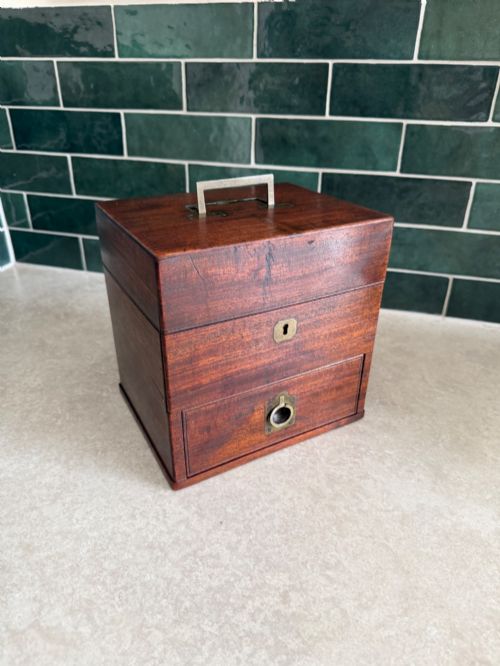
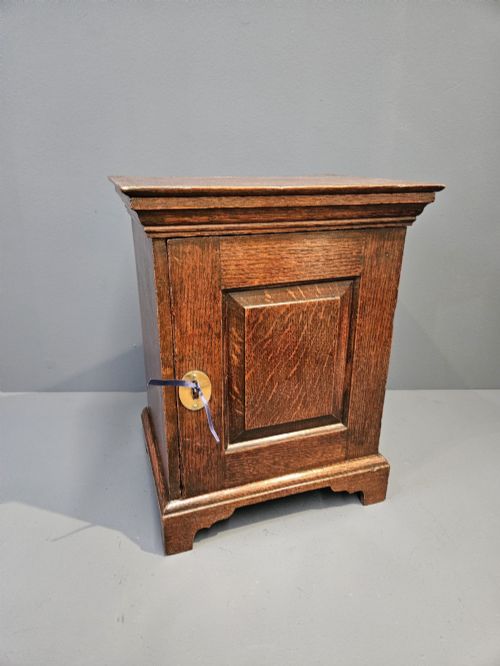
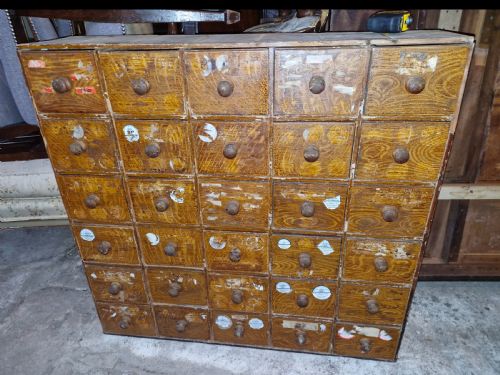
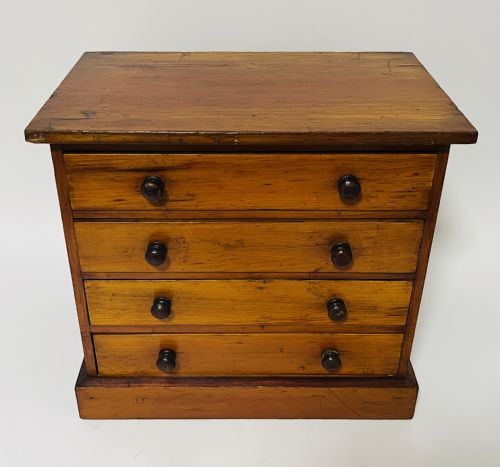
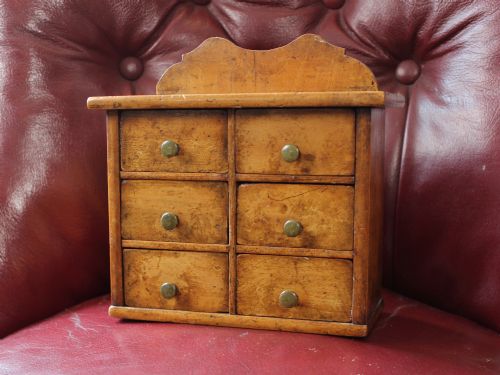
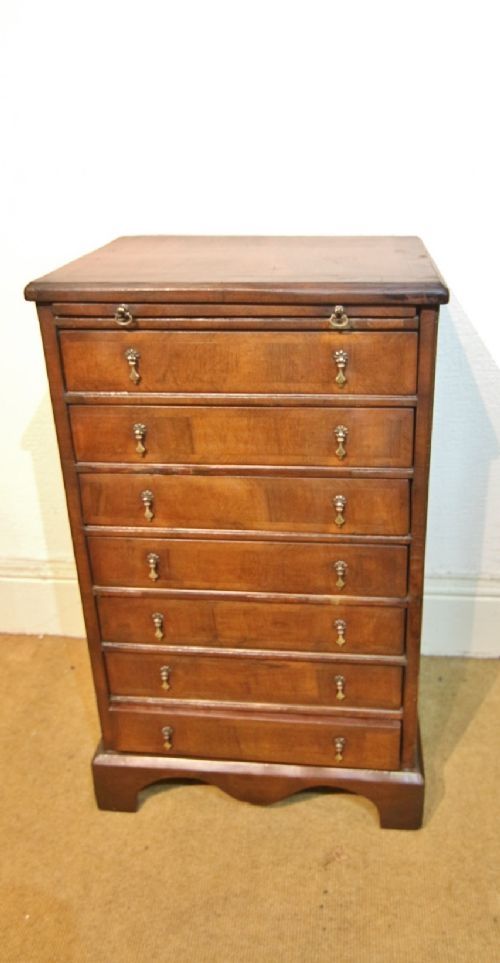
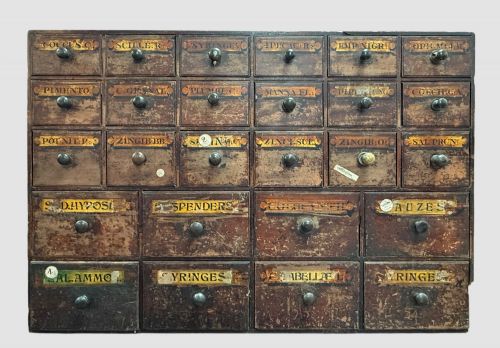
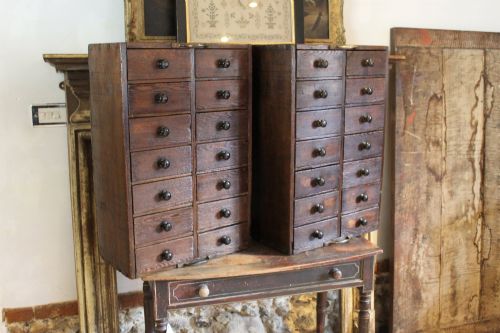
The version most commonly met on this page is the multi-drawer wooden bank or spice cabinet, utilising sturdy timbers like oak, pine, and mahogany. These compact vessels range from wall-hanging spice boxes to tabletop specimen cabinets and medical carrying chests.
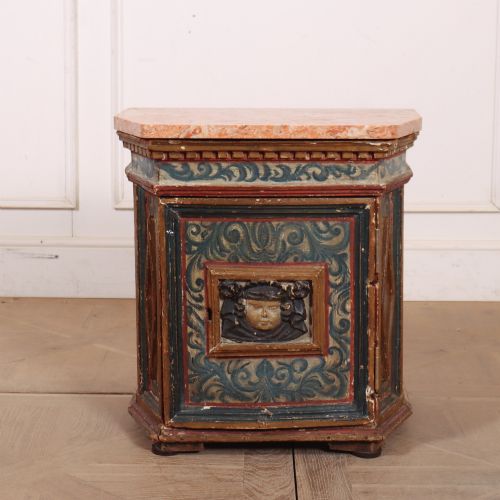
Origins span English, Italian, Scandinavian, and Chinese traditions, reflecting global utility in domestic and apothecary settings. Surviving examples demonstrate how medicines and domestic provisions were organised before modern packaging.
Materials and Construction
Construction relies heavily on traditional hardwoods and softwoods, with mahogany, oak, pine, walnut, fruitwood, and elm forming the primary structures. Workshops utilised iron and brass for hinges, drawer pulls, carrying handles, and locking mechanisms.
Surfaces receive various finishes, spanning clear polish on figured mahogany, stained deals, painted Italian and Scandinavian surfaces, and milk glass linings inside specific dental or medical compartments.
Small Apothecary Chest Retail Price Guide 2026
Typical asking prices for small apothecary chest among the pieces listed under this phrase on Sellingantiques today, from the lower quarter to the upper quarter. They describe what is for sale here now, not the wider market.
A dental cabinet hiding milk glass linings proves that even molars once required luxurious architectural styling.
Distinctions in Execution
Quality separates pieces through the precision of drawer joinery and the selection of timber grain, such as figured walnut or dense mahogany versus utilitarian stained pine. Finer examples display integrated locks with working keys, original brass hardware, and delicate inlay work.
The presence of specialised interior fittings, like milk glass linings or dedicated medical equipment, elevates the utility and character of a chest. Construction integrity across multiple small drawers indicates the skill of the original cabinetmaker.
The Small Apothecary Chest Glossary
- Spice Cabinet
- A small wall-hanging or tabletop wooden cabinet containing multiple tiny drawers intended for culinary or medicinal herbs. These units typically feature panelled doors or exposed banks of small pulls.
- Collectors Cabinet
- A specialised piece of furniture designed to house botanical, mineral, or entomological specimens within shallow drawers. These often incorporate glass fronts or secure locking doors.
- Bank of Drawers
- A multi-tiered stack of numerous small drawers originally utilised in pharmacies, dental surgeries, or shops for systematic organisation. They prioritize functional storage capacity over large surface areas.
- Medical Carrying Chest
- A portable wooden box fitted with internal partitions or small drawers for transporting remedies and instruments. They frequently incorporate sturdy brass carrying handles and secure locking lids.
Small Apothecary Chest: Frequently Asked Questions
What were small apothecary chests used for?
These chests served to store dried herbs, roots, powders, and prepared liquid remedies in domestic kitchens, apothecaries, and medical practices. Their many small compartments kept ingredients separated and protected from light.
Over time, similar multi-drawer formats were adopted by dentists, ironmongers, and naturalists for sorting small tools, specimens, and hardware.
How do I date a wooden apothecary chest?
Dating relies on examining timber species, construction joints, handles, and overall style characteristics. Georgian pieces often feature oak or mahogany with hand-cut dovetails, while Victorian and Edwardian examples introduce stained pine and different brass hardware.
Regional variations and painted finishes also provide clues to the period and origin of the piece.
Are these chests suitable for modern homes?
Their compact dimensions make them highly practical for organising modern items like jewellery, stationery, or craft supplies on tabletops and desks. Wall-hanging versions offer functional storage without consuming floor space.
Placing them in kitchens or studies maintains their traditional role as organised storage units for small domestic objects.
What is the difference between a spice cabinet and a medical chest?
Spice cabinets are typically wall-mounted or tabletop cupboards with small drawers intended for culinary provisions, often featuring simple pine or oak construction. Medical and dental chests frequently incorporate specialised interior fittings such as glass linings or carrying handles.
Both forms share the characteristic multi-drawer layout designed for sorting small quantities of materials.