

Small Glasses
Small antique glasses combine delicate craftsmanship with utilitarian history, offering collectors functional vessels and decorative tableware from past centuries.
Small Glasses
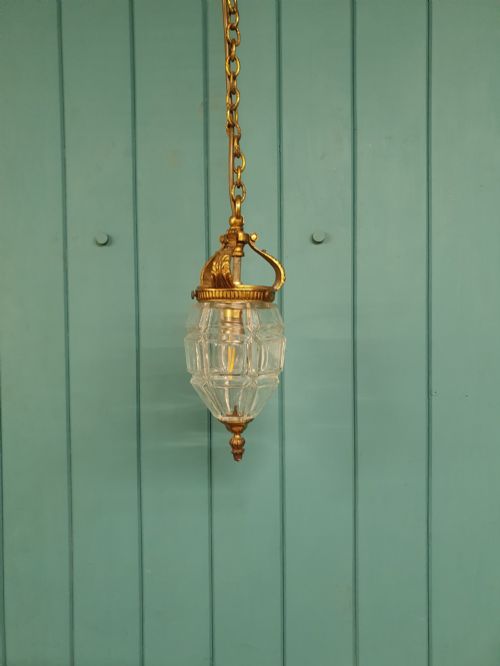
When searching for small antique glasses, buyers encounter a diverse selection of diminutive drinkware, lighting drops, and cabinet vessels originating from periods spanning the eighteenth to the early twentieth century.
The most common examples on this page comprise eighteenth-century dram glasses intended for spirits alongside matching sets of turn-of-the-century champagne bowls and liqueur decanters.
These items reflect domestic habits of earlier generations, shifting from tavern toast glasses to refined parlour glassware produced across Britain and continental Europe.
Materials and Techniques
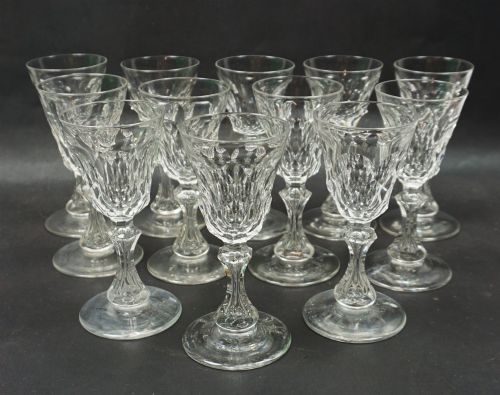
Maker workshops utilised lead crystal, moulded glass, and standard glass to form vessels, often combining these translucent bodies with cut, engraved, or gilded ornamentation.
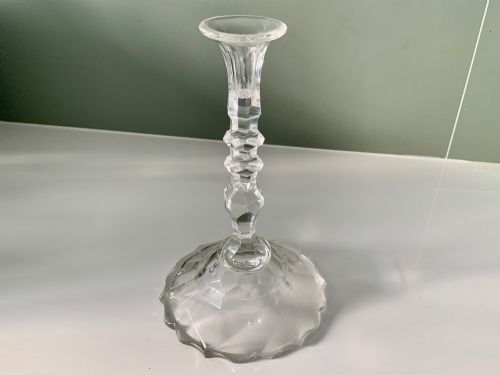
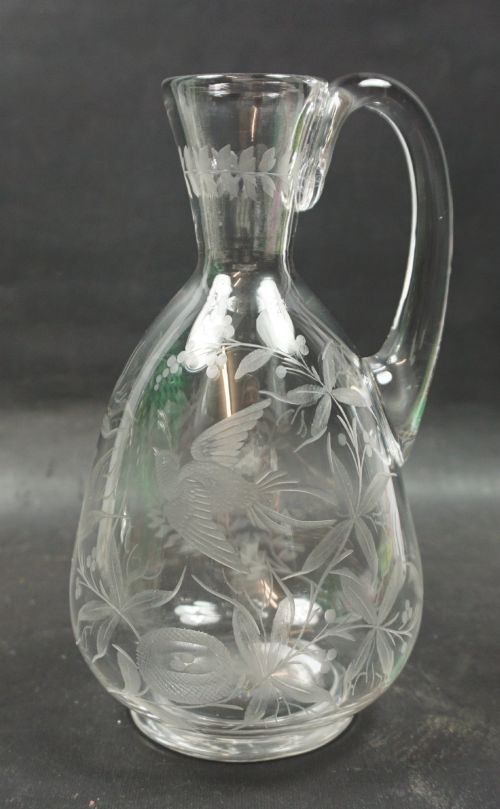
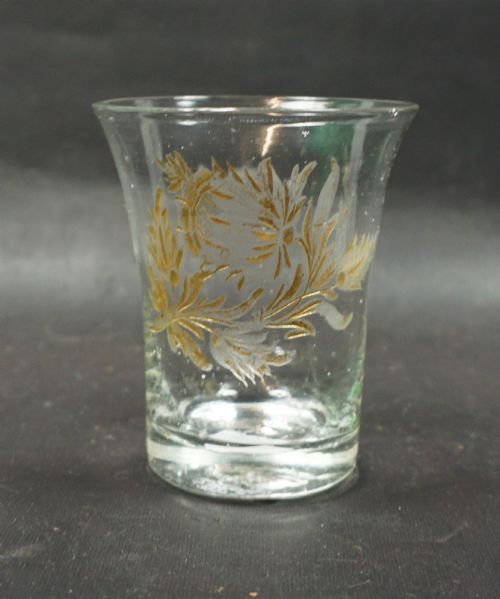
Engraving and gilding required steady hands to render fine botanical or avian motifs onto delicate bowls, while cutting wheels carved geometric facets into thick crystal walls.
Small Glasses Retail Price Guide 2026
Typical asking prices for small glasses among the pieces listed under this phrase on Sellingantiques today, from the lower quarter to the upper quarter. They describe what is for sale here now, not the wider market.
Listings feature items spanning the Georgian, Victorian, and Edwardian eras, executed in plain glass, crystal, and cut glass.
Quality Variations
Distinctions in quality rest upon the crispness of the cutting, the clarity of the metal, and the precision of any wheel-engraved detail across the bowl.
Superior examples exhibit balanced proportions and immaculate surfaces, whereas simpler production pieces show minor bubbles or softer facet edges born of rapid output.
Baccarat·La Granja de San Ildefonso
The Small Glasses Glossary
- Dram glass
- A small drinking vessel designed for consuming a dram of spirits, popular during the eighteenth century. These cups typically feature thick feet and simple bowls.
- Cut glass
- Glassware decorated by grinding facets into the surface using a rotating wheel. This technique enhances the sparkle and weight of crystal items.
- Engraving
- The process of carving decorative designs into glass using small copper wheels or diamond points. Such work adds intricate pictorial detail to smooth surfaces.
- Gilding
- The application of gold leaf or powder onto glass or ceramic surfaces, frequently fired for permanence. This finish highlights rims and engraved floral motifs.
Small Glasses: Frequently Asked Questions
What were small antique glasses used for?
These vessels served various functions in past centuries, ranging from consuming potent spirits like whisky to holding cordials and liqueurs during formal dinners.
Their compact sizes accommodated the smaller serving portions typical of eighteenth and nineteenth-century dining etiquette.
How should I clean antique glass?
Wash pieces gently by hand using warm water and mild soap, avoiding abrasive sponges that might scratch the delicate historic surfaces.
Dry them immediately with a lint-free cloth to prevent water spots from forming on the clear crystal or glass.
Can I use these glasses daily?
While durable enough for careful use, many collectors prefer to keep eighteenth and nineteenth-century glassware on display or reserve them for special toasts.
Hand-washing is mandatory, and dishwasher heat can damage fragile gilded or engraved details.
How do I date old drinking glasses?
Dating relies on examining the pontil mark on the base, the composition of the metal, and the style of the bowl shape.
Earlier eighteenth-century pieces often display heavier lead content and distinct kick-ups in the bottom, while twentieth-century examples show more uniform machine methods.