


Small Glass
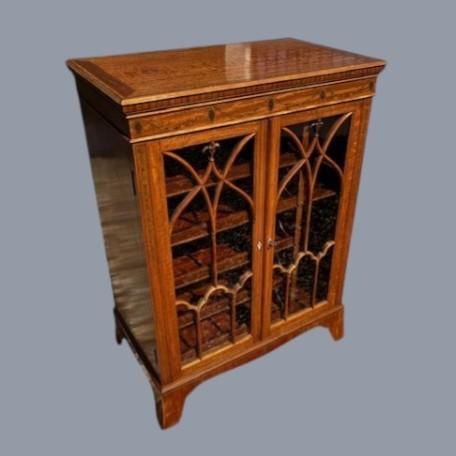
Small antique glass encompasses delicate vessels, intricate chandeliers and fitted cabinets spanning Georgian, Victorian and twentieth-century periods.
Small Glass
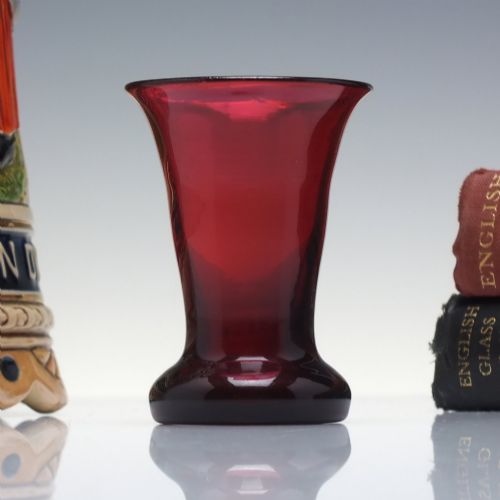
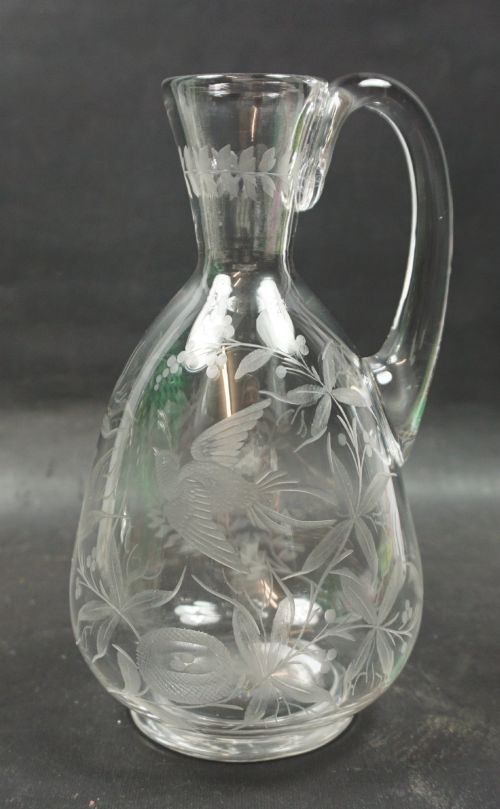
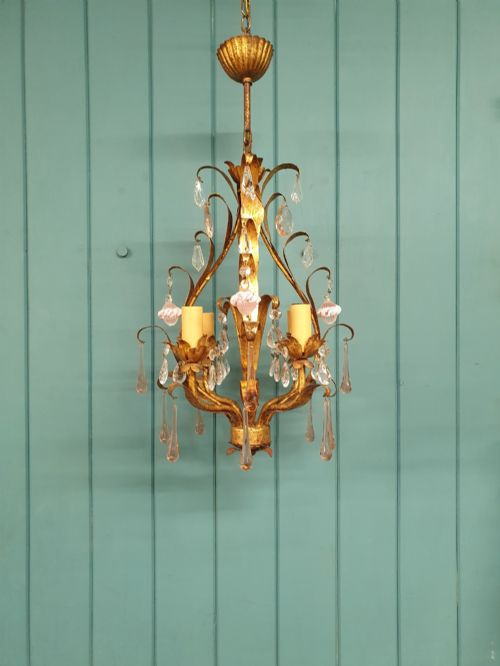
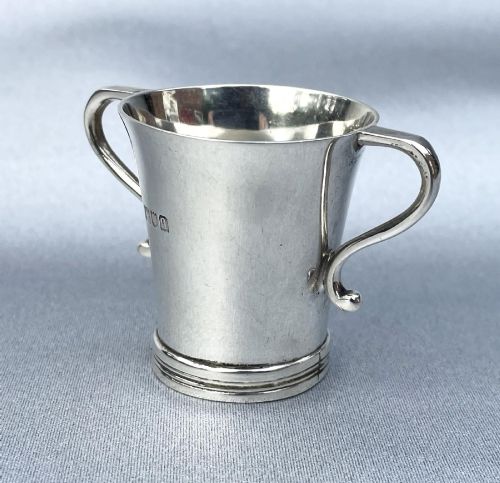
Small antique glass spans functional drinking vessels, decorative jugs, miniature apothecary jars, cameo vases and hanging chandeliers originating across British, French and Spanish workshops.
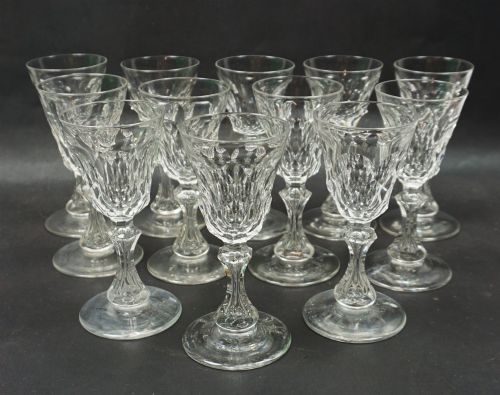
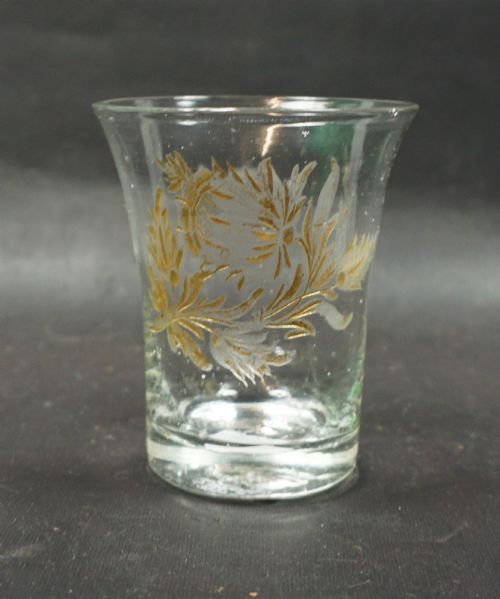
The selections range from eighteenth-century dram glasses and Spanish tumblers to Edwardian bag chandeliers and late Victorian uranium glass jars.
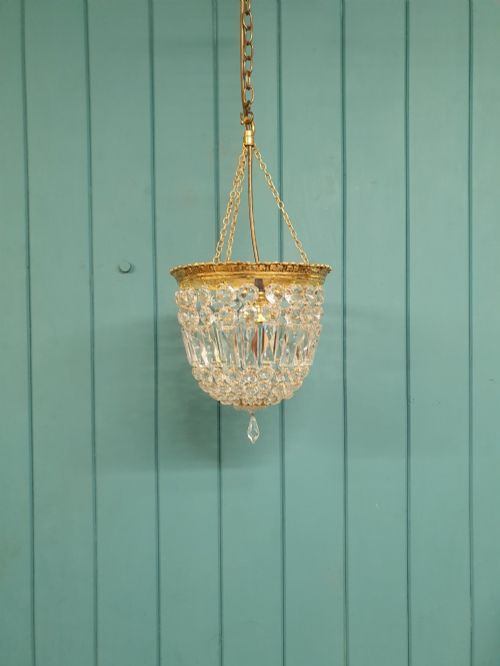
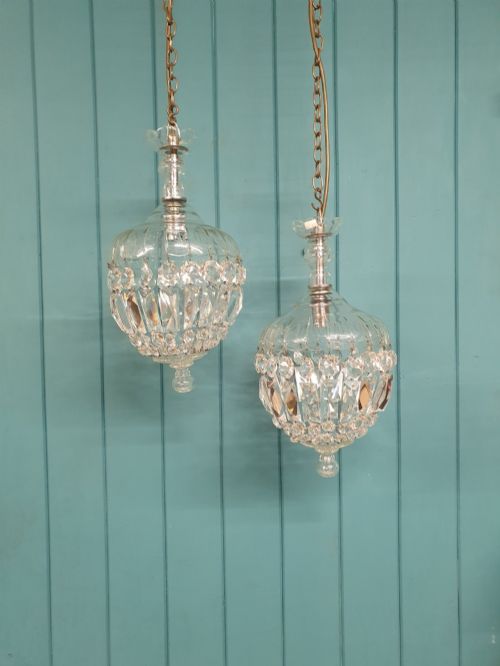
Buyers seeking small antique glass encounter items that integrate moulded, cut and crystal glass components into domestic lighting, tableware and cabinet displays.
How they were made
Craftsmen utilised techniques such as glass blowing, wheel engraving, moulding and gilding to shape the crystal and glass bodies.
Makers combined glass with supporting structures of brass, gilt metal, mahogany, walnut and oak, securing drops and beads with metal wire.
Small Glass Retail Price Guide 2026
Typical asking prices for small glass among the pieces listed under this phrase on Sellingantiques today, from the lower quarter to the upper quarter. They describe what is for sale here now, not the wider market.
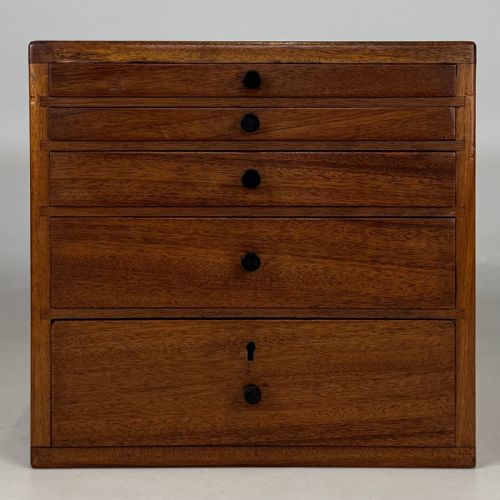
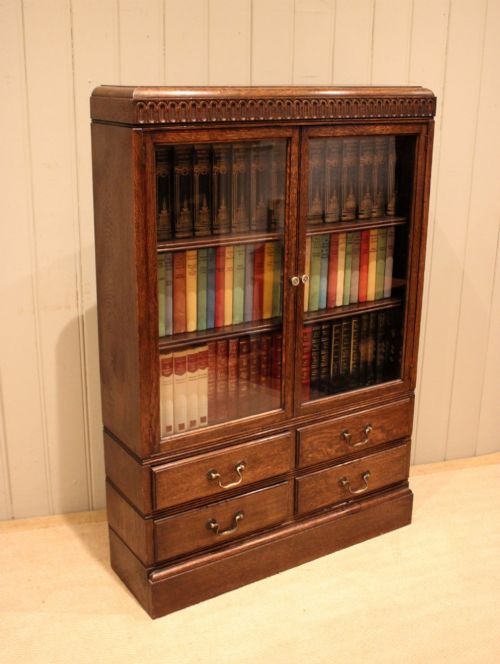
Listings feature small antique glass items spanning the eighteenth, nineteenth and twentieth centuries alongside supportive wooden cabinetry.
What varies in quality
Quality rests on the crispness of wheel engraving, the clarity and weight of the crystal, and the precision of cut glass facets.
The integration between glass elements and secondary materials like brass mounts, gilt bronze or inlaid timber dictates the overall refinement of each piece.
Baccarat
The Small Glass Glossary
- Dram glass
- A small historical drinking vessel intended for spirits. These glasses often feature engraved or gilded floral decoration.
- Bag chandelier
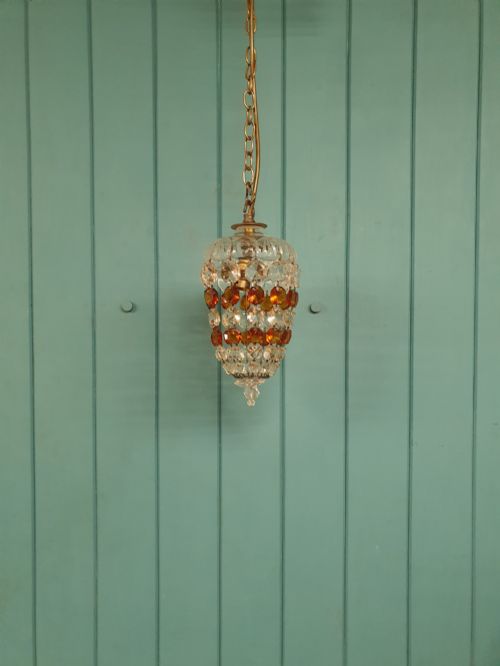
- A light fixture enclosed in a bag-like configuration of crystal drops and beads. This form dates predominantly to the early twentieth century.
- Cameo glass
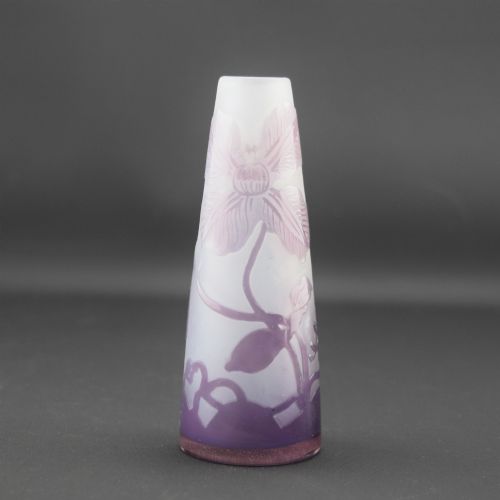
- Vessels created by acid-etching or carving through distinct layers of coloured glass to expose a contrasting design. This technique appears in early twentieth-century works.
- Uranium glass
- Glass compounded with uranium dioxide to produce a distinctive yellow-green hue under natural light. It reacts strongly to ultraviolet illumination.
- Taper stick
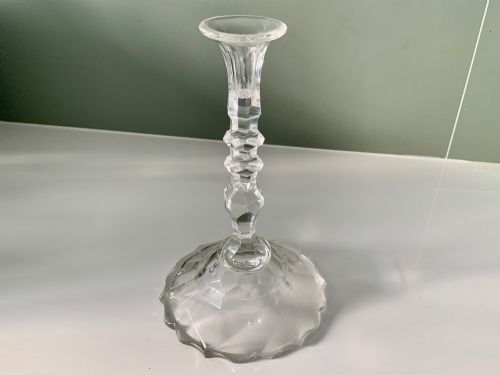
- A miniature candlestick designed to hold a thin taper wax for sealing letters. Georgian examples represent early forms.
Small Glass: Frequently Asked Questions
How do I clean small antique glass chandeliers?
Dust the crystal drops gently with a soft dry brush to prevent dislodging delicate wire connections.
Apply a mild soapy solution with a cloth rather than submerging mounted metal and glass components together.
Are eighteenth-century dram glasses safe to use?
Historical drinking vessels possess fragile rims and thin walls susceptible to thermal shock from hot liquids.
Wash them by hand in lukewarm water and keep them reserved for display rather than daily dining.
How can I date a small glass piece?
Examine pontil marks on the base, wear patterns and the style of engraving to ascertain the era of production.
Compare the glass chemistry and mounting materials against documented examples from Georgian, Victorian or Edwardian periods.
Where should I place a small crystal chandelier?
Hang these fixtures in compact spaces such as hallways, powder rooms or above reading desks where their scale remains proportionate.
Ensure the ceiling height accommodates the total drop length specified in the dimensions.