

Small Clock
When you search for a small antique clock, you find compact timepieces spanning carriage models, wall dials, and diminutive longcases from centuries past.
Small Clock
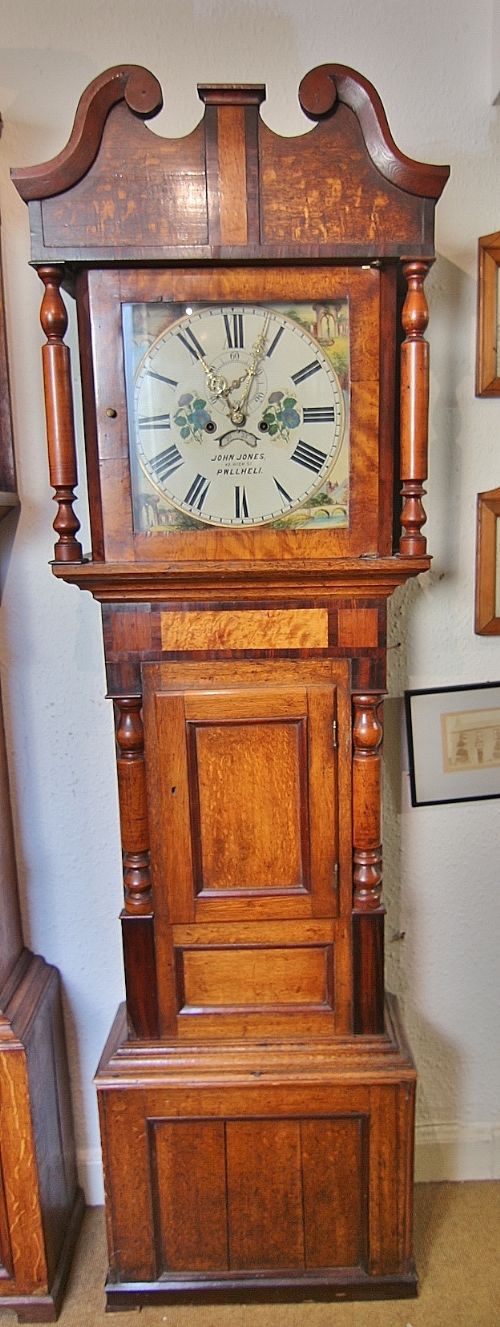
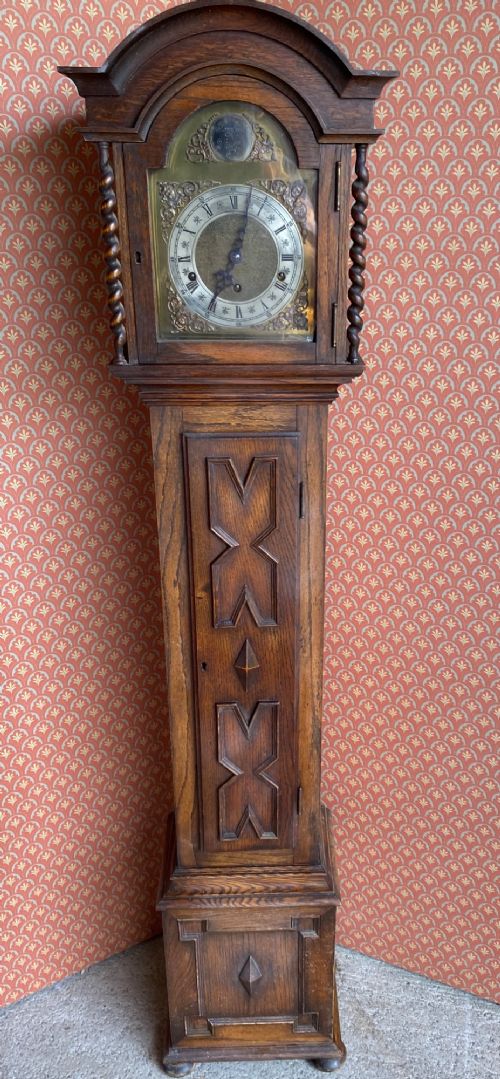
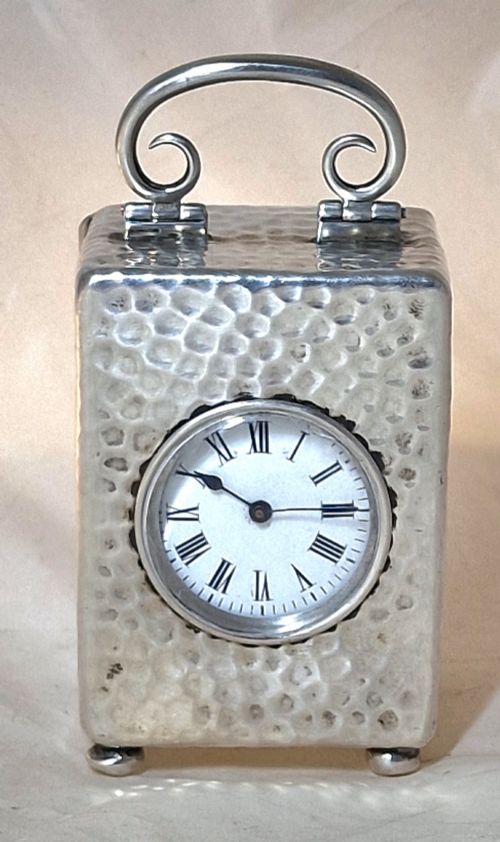
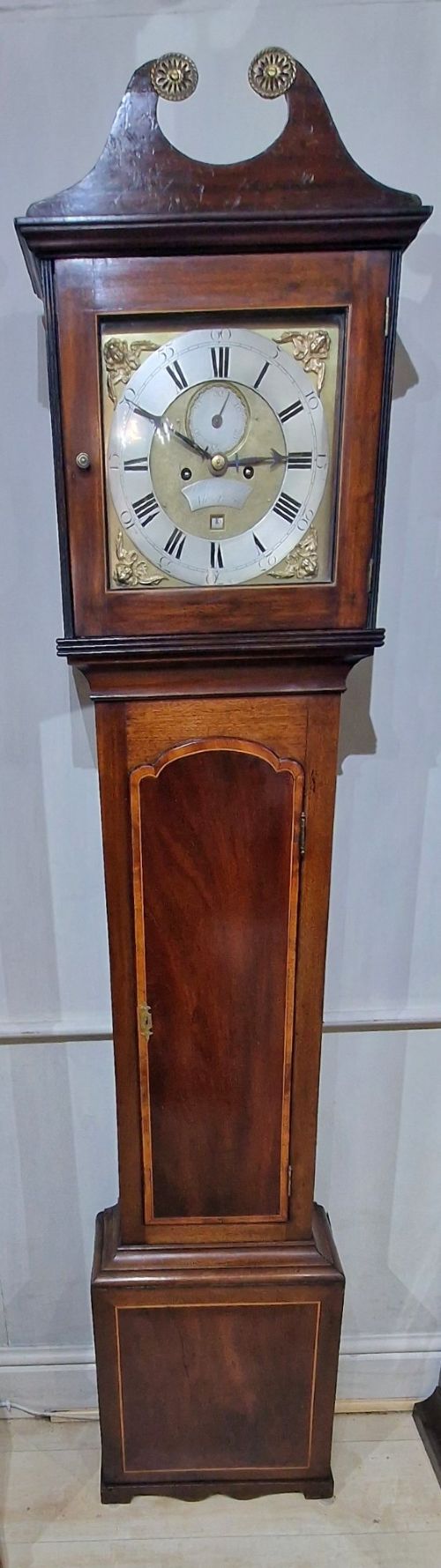
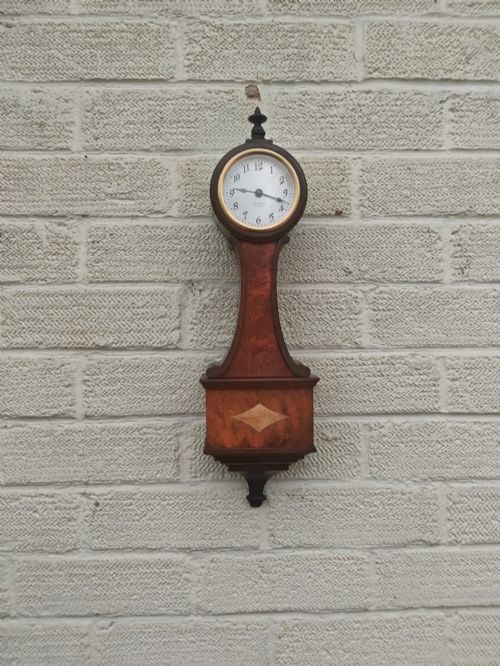
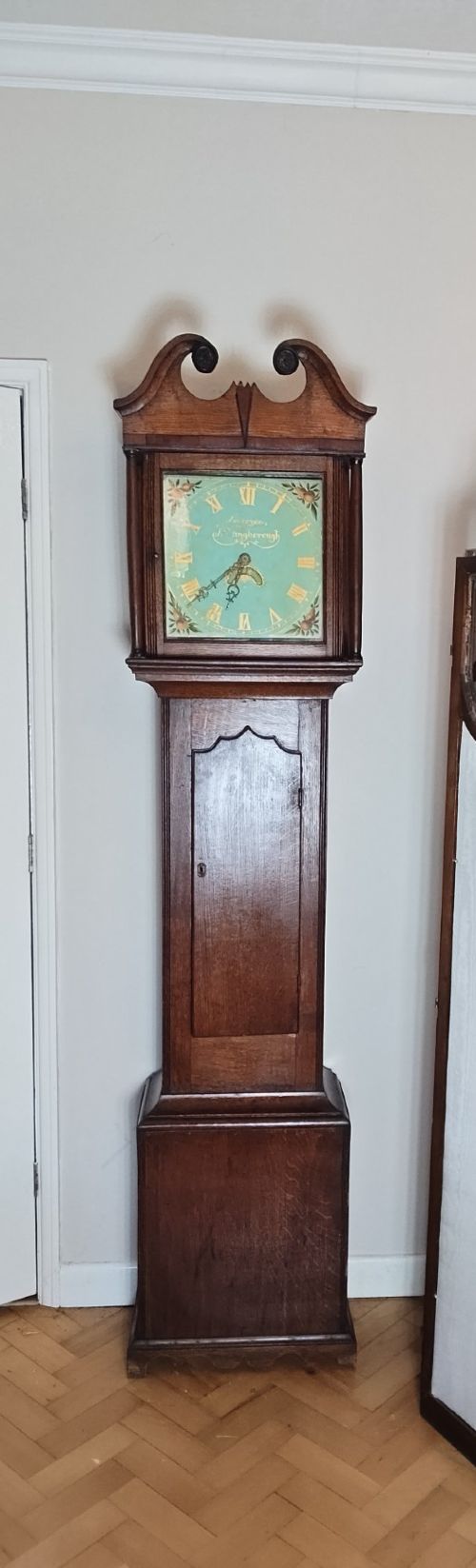
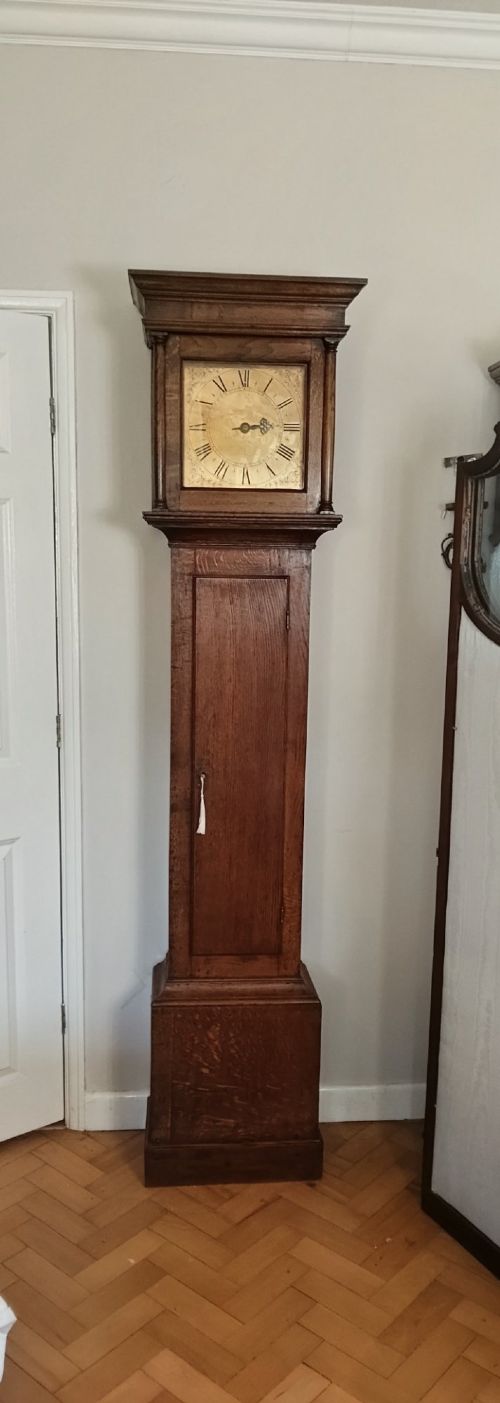
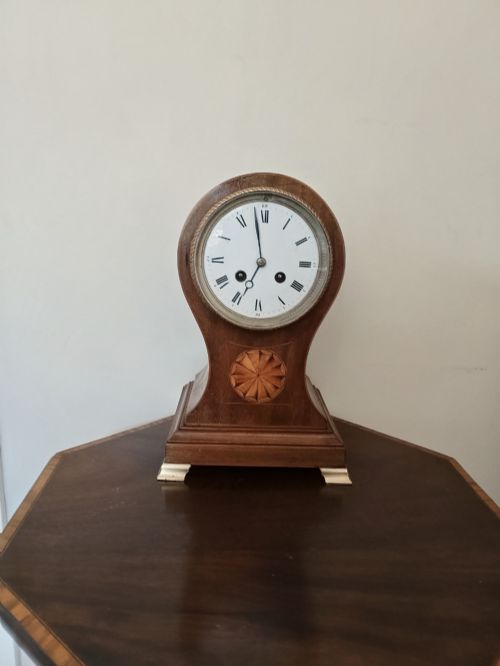
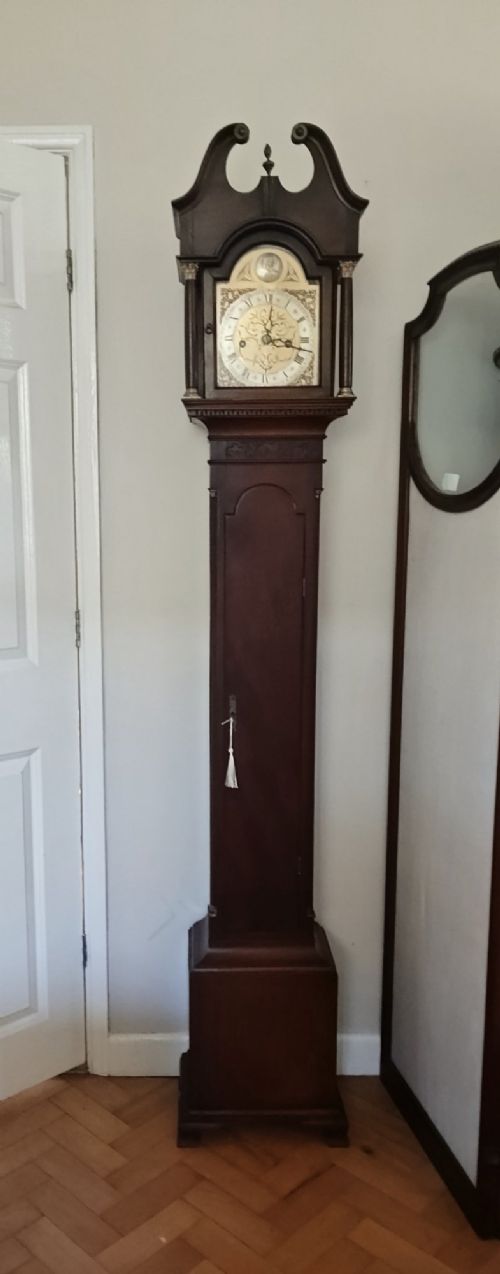
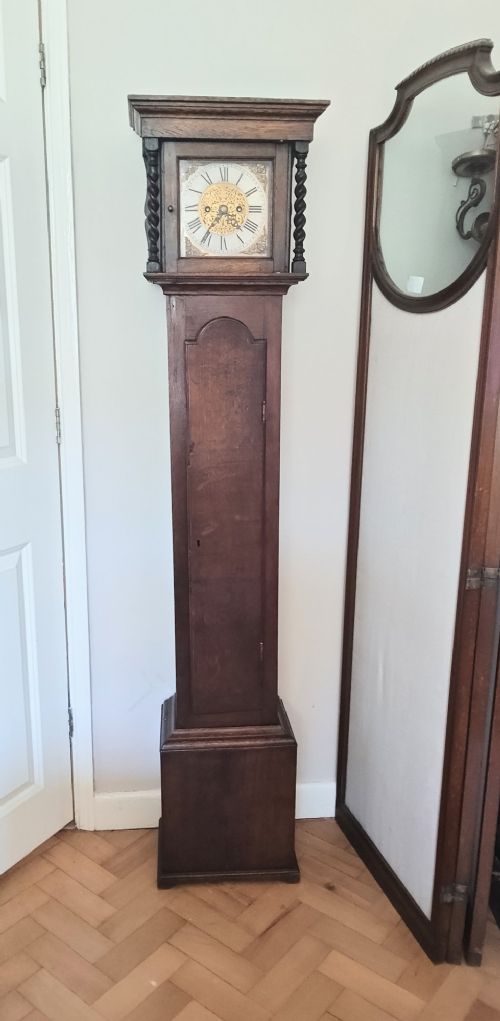
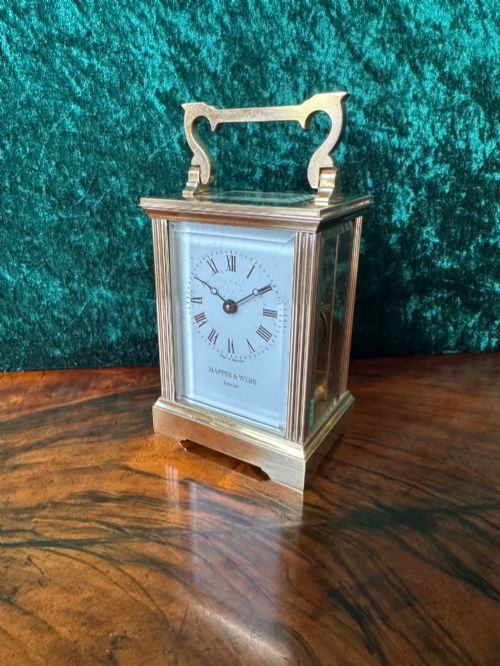
A small antique clock encompasses diverse domestic formats designed for restricted spaces, from tabletop carriage clocks to diminutive longcase clocks and wall-hanging dials. Buyers encounter Georgian and Victorian longcases alongside Edwardian silver carriage clocks and French four-glass mantel pieces.
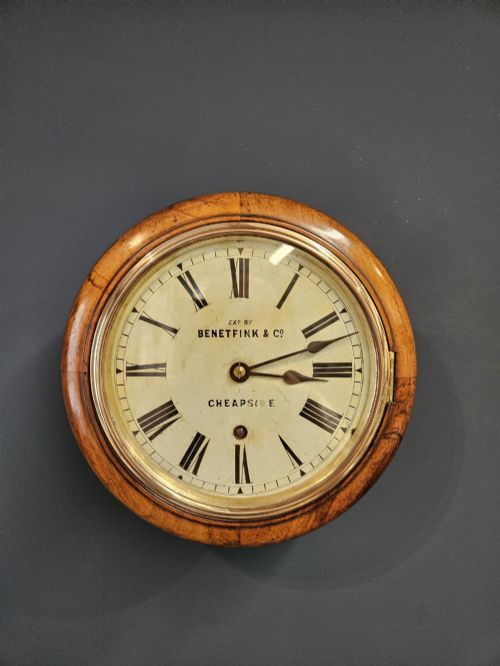
Tall formats appear as slender mahogany or oak grandmother clocks, while portable variations utilise brass, glass, and enamel. Wall-mounted alternatives range from wooden drop-dials to Vienna regulators housed in walnut.
The selection reflects production spanning the seventeenth through the early twentieth centuries, drawing on English, French, and Dutch horological traditions.
Materials and Construction
Cabinetmakers utilised hardwoods such as mahogany, oak, walnut, and satinwood for longcases, wall frames, and mantel enclosures, frequently incorporating marquetry, inlay, or Chinoiserie finishes.
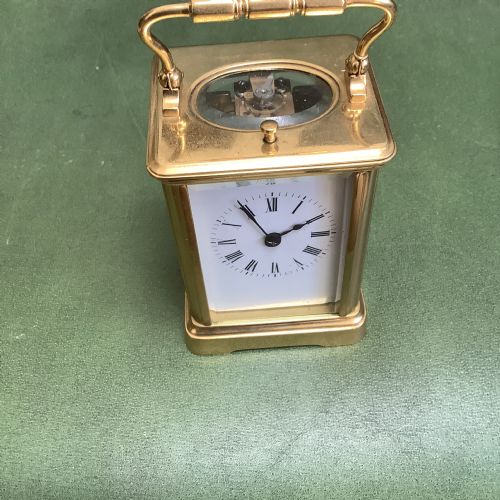
Portable and desk models employ cast brass, gilt bronze, and sterling silver frames fitted with bevelled glass panels to display the mechanical movements within.
Dials combine painted iron, silvered brass, or white enamel with crisp numerals, while movements rely on fusee mechanisms or spring-driven gear trains.
Periods represented span from the late seventeenth century through the Edwardian era and into the nineteen-thirties.
Evaluating Quality
Distinctions in craftsmanship arise from the crispness of timber carving, the depth of marquetry inlay, and the precision of gilding on brass and bronze cases.
Internal sophistication separates standard production from superior examples, visible in fully engraved movement plates, delicate skeleton construction, or refined fusee gear trains.
The integration of original matching components, from winding keys to pendulum bobs, dictates the integrity of the surviving piece.
Robb·Seth Thomas·D&J Wellby·Richard Winter·W&H Sch·Sir John Bennett·William Comyns·Tiffany·Nathaniel Pyne·J Batson & Son·Will Snow·Junghans·Elliott·Brown·Thomas Spence·Japy Freres
The Small Clock Glossary
- Fusee
- A conical pulley used in spring-driven clocks to maintain even tension on the gear train as the mainspring unwinds.
- Carriage clock
- A portable spring-driven timepiece fitted with a carrying handle, developed for travellers in the nineteenth century.
- Grandmother clock
- A diminutive version of the traditional longcase clock, standing shorter and narrower while retaining a striking mechanism.
- Drop-dial
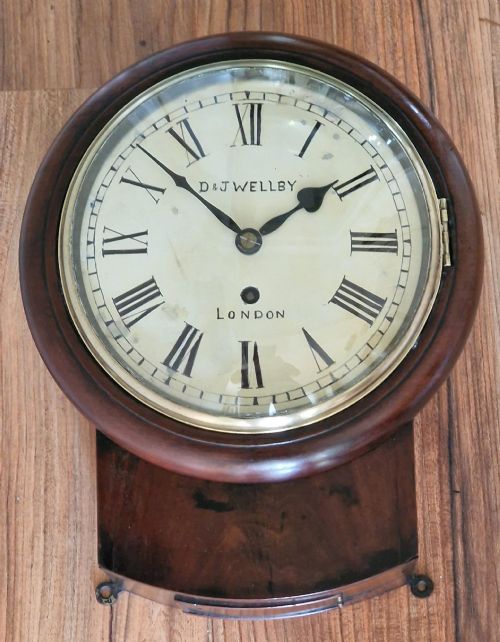
- A wall clock featuring an extended wooden case below the dial to accommodate a longer pendulum.
- Four-glass clock
- A mantel clock housed in a glazed brass frame that exposes the mechanical movement from all sides.
Small Clock: Frequently Asked Questions
What is the difference between a grandfather and a grandmother clock?
Grandfather clocks are tall floor-standing longcases typically exceeding six feet in height. Grandmother clocks are significantly smaller, slender versions designed to occupy less floor space.
The mechanical movements inside both follow similar principles, but grandmother clocks suit smaller rooms due to their reduced stature.
How do fusee movements work?
A fusee movement uses a conical pulley connected to the mainspring by a cord or chain. As the spring unwinds and loses power, the chain moves to a wider part of the cone to maintain constant torque.
This mechanism ensures more consistent timekeeping throughout the duration of the winding cycle.
Where were carriage clocks originally used?
Carriage clocks were created as portable timepieces for travellers during the nineteenth century. They were housed in sturdy brass and glass cases to withstand movement.
Owners transported them in fitted leather travel cases alongside winding keys.
How do I identify a Victorian wall dial?
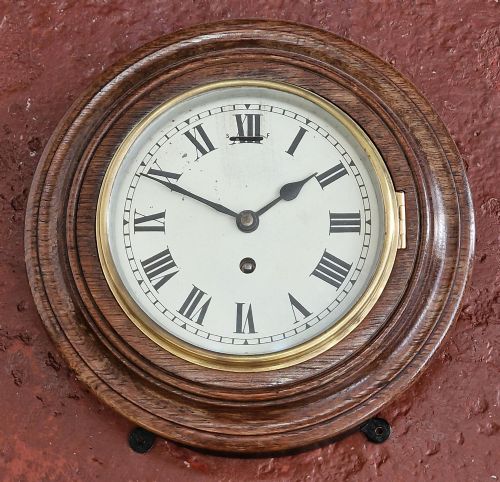
Victorian wall dials typically feature a round wooden or metal face enclosed in a mahogany or oak surround. Many incorporate a short drop case beneath the dial to house the pendulum.
They rely on fusee or spring-driven movements adjusted through a side door or front bezel.