


Small Chiffonier
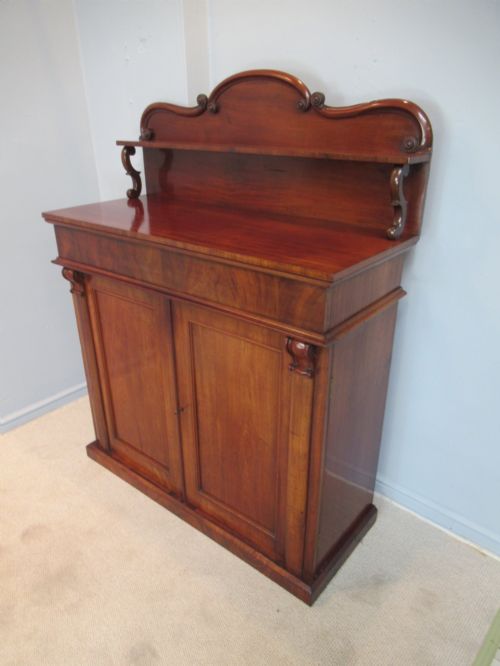
A small antique chiffonier offers compact low storage topped with a useful shelf tier, bridging the gap between sideboards and display cabinets.

Small Chiffonier
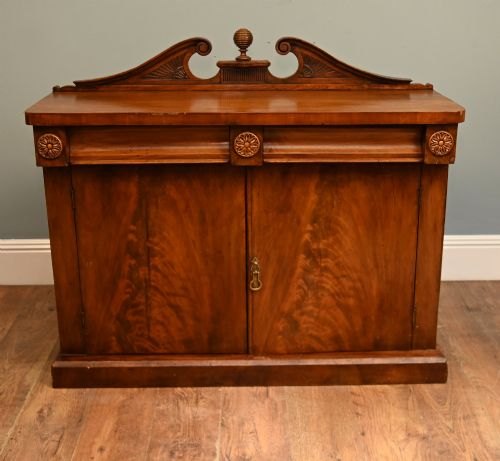
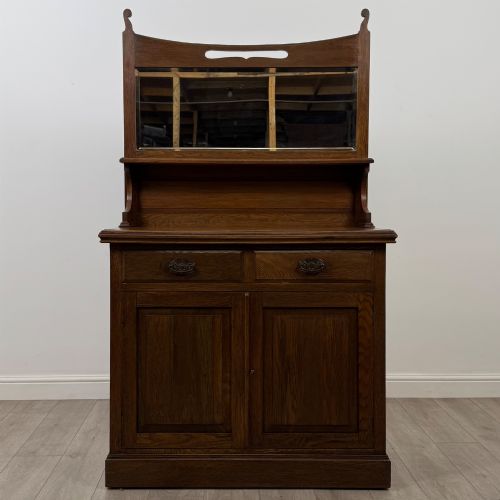
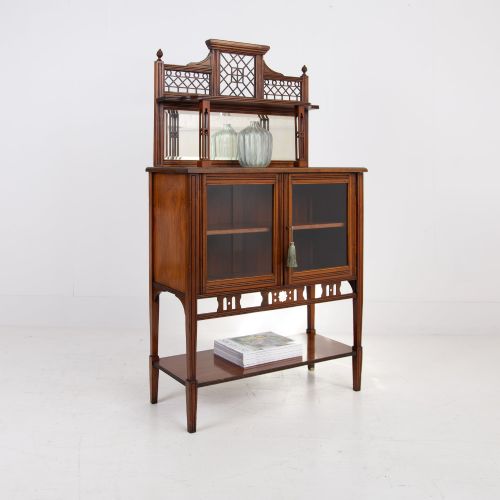
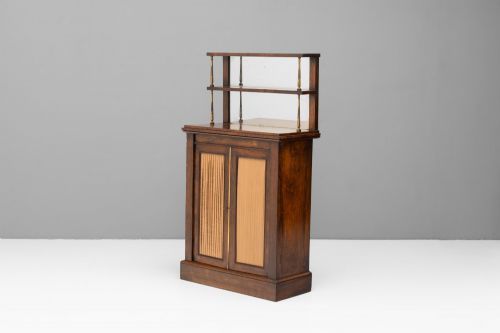
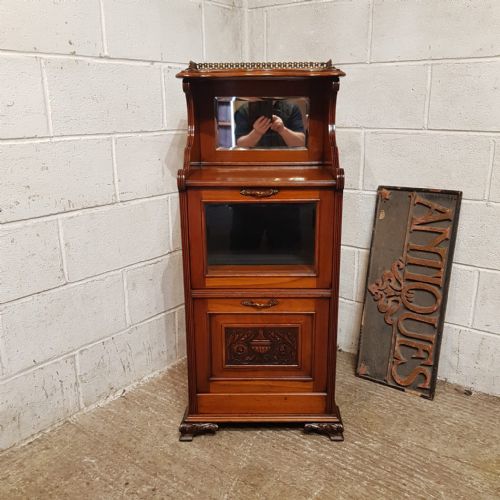
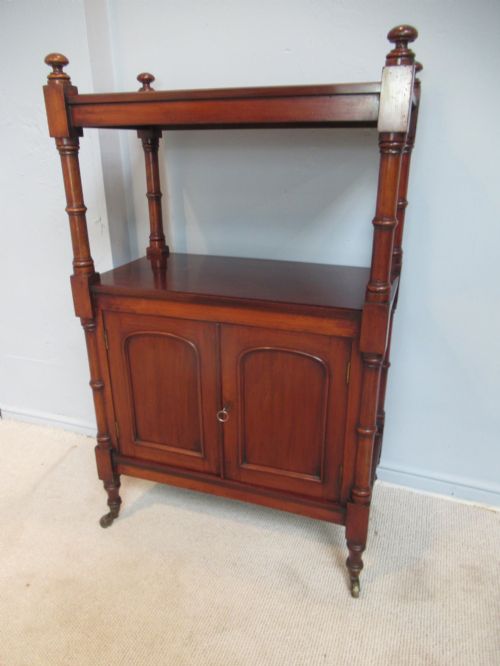
A small antique chiffonier functions as a compact sideboard, generally featuring enclosed lower cupboards paired with upper shelves or a gallery back. These pieces emerge across the Georgian, Regency, William IV, and Victorian periods, designed originally to hold dining silver, linen, or books in parlours and smaller drawing rooms.
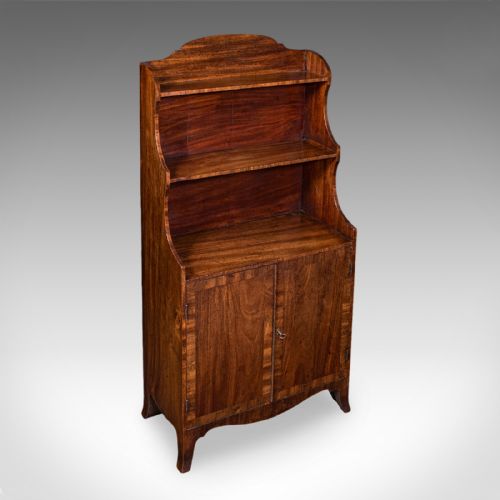
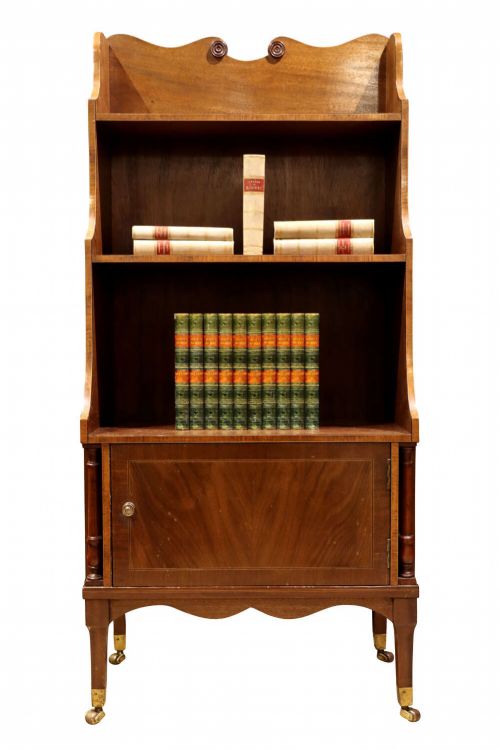
Buyers browsing this selection encounter numerous variations, from simple mahogany or rosewood cupboards to refined waterfall bookcases with open upper tiers. While many examples originate from the nineteenth century, forms span from early Georgian oak up to Edwardian iterations, maintaining neat proportions suited to contemporary spaces.
How they were made
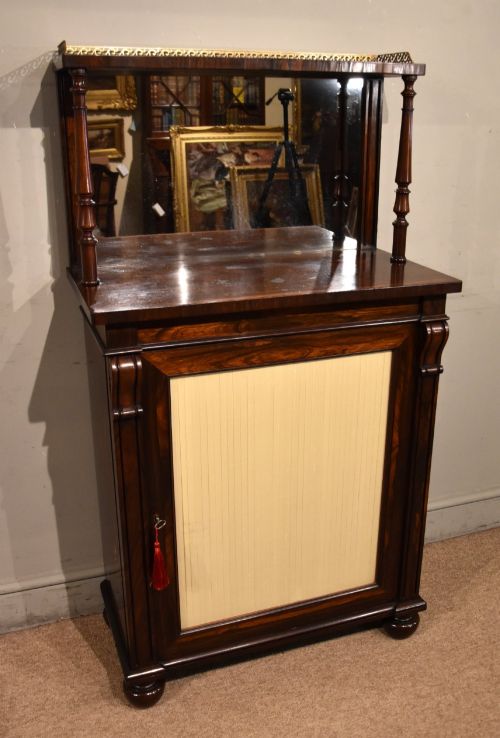
Cabinet makers constructed these pieces primarily from solid mahogany, rosewood, and oak, frequently selecting flame mahogany veneers to highlight intricate wood grain on cupboard doors. Skilled artisans applied brass details, mirror glass panels, and fabric linings within glazed upper sections.
Structural integrity relied on traditional joinery techniques, paired with turned wooden supports, drawer linings, and small brass castors beneath the base. Surfaces received hand-rubbed polish finishes that emphasised the depth and tone of the timber.
Pieces span the Georgian, Regency, William IV, Victorian, Edwardian, and Aesthetic Movement eras.
What varies in quality
Quality rests heavily on the selection of timber and the natural figuring visible across door panels and drawer fronts, where richly marked flame veneers indicate superior material choice. Finer examples display meticulous attention to proportion, subtle carving, and well-balanced superstructure shelves.
The integrity of original brass hardware, working locks with keys, and sound structural joints distinguish workshop standards. Pieces retaining their original finish and unblemished back galleries hold greater fidelity to their period of origin.
Gillows
The Small Chiffonier Glossary
- Chiffonier
- A low sideboard or cabinet featuring enclosed lower doors and often an upper shelf tier. Originally derived from French furniture, it adapted in British rooms to serve multiple storage uses.
- Flame mahogany
- Timber cut from the fork of the mahogany tree where branches join the trunk, producing a distinctive flickering flame pattern. Cabinet makers used veneer sheets of this grain on prominent surfaces.
- Waterfall bookcase
- A tiered shelving unit where each lower shelf projects further forward than the one above it. This form frequently integrates with small cabinets and chiffoniers.
- Gallery
- A raised ornamental rail or shelf back positioned on top of a cabinet or sideboard. It often supports small display items or books.
- Credenza
- A low-profile dining room cabinet or sideboard akin in function to a chiffonier. These pieces often feature glass doors or delicate inlay work.
Small Chiffonier: Frequently Asked Questions
What is a small antique chiffonier used for?
These cabinets serve as practical storage units in living rooms, hallways, or dining spaces, holding tableware, books, or everyday items behind closed doors.
The upper shelves or gallery tier provide an ideal surface for displaying small ceramics, glassware, or decorative objects while keeping floor footprints minimal.
How do I date a small antique chiffonier?
Dating relies on observing structural characteristics, timber choices, and stylistic cues aligned with periods like the Regency, William IV, or Victorian eras. Regency and George IV examples frequently showcase figured rosewood and brass inlays, whereas later Victorian pieces often utilise denser mahogany.
Secondary woods inside drawers, the style of turning on feet, and construction methods offer further clues to the decade of manufacture.
Where should I place a chiffonier at home?
Their compact dimensions make these cabinets well-suited for narrow hallways, alcoves beside fireplaces, or against living room walls where standard sideboards prove too bulky.
Because many feature finished backs or low profiles, they also function effectively behind sofas or within dining areas for serving and storage.
Are chiffoniers and sideboards the same thing?
While both provide storage, a chiffonier is typically smaller and traditionally includes one or two upper shelves mounted on the rear surface above the main cabinet top.
Sideboards generally offer longer flat surfaces without fixed upper shelving tiers, though the terms occasionally overlap in historical terminology and listings.