





Slant Front Wooden Box
A slant front wooden box provides a practical writing surface or secure storage, combining period craftsmanship with everyday utility.
Slant Front Wooden Box
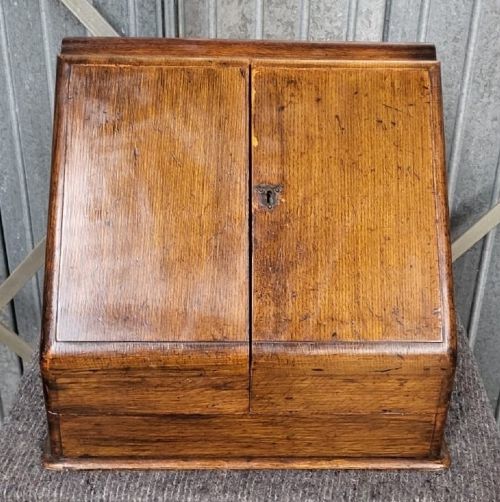
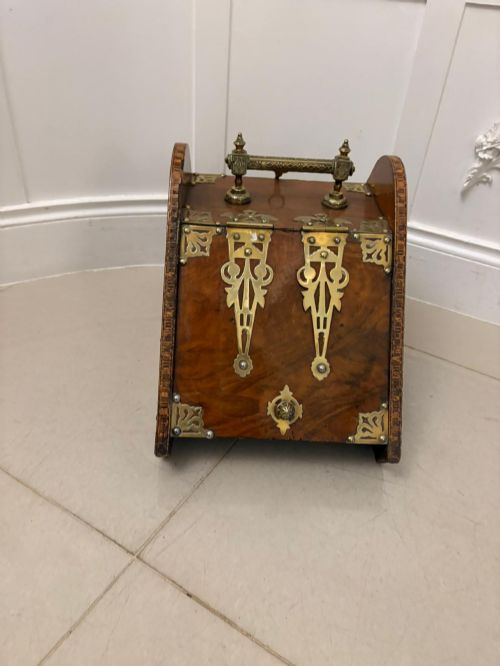
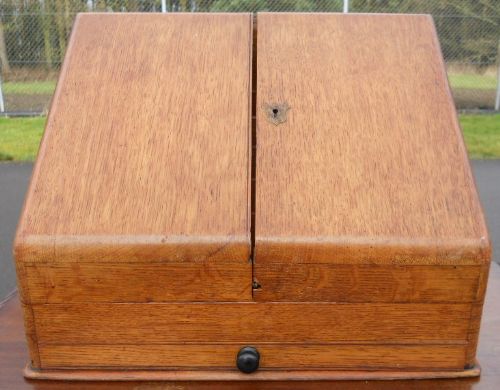
A slant front wooden box takes several functional forms across the centuries, appearing primarily as desk boxes, stationery cabinets, and fireside coal containers. These pieces serve different domestic purposes while sharing the characteristic angled lid.
The selection ranges from early oak bible boxes and table desks dating to the seventeenth century up to late Victorian stationery cabinets and coal purdoniums. Buyers frequently encounter oak and mahogany examples spanning the Georgian and Victorian eras.
Originating as portable writing surfaces or secure repositories for documents and fuel, these items demonstrate how vernacular and formal furniture evolved to meet domestic needs. Each piece reflects the specific storage requirements of its period.
Materials and construction
Makers utilised solid timbers such as oak, mahogany, walnut, and elm, often selecting regional woods for vernacular pieces and imported hardwoods for formal items. Brass and iron hardware provided structural reinforcement and functional closure.
Construction techniques include panel and frame assembly for early boxes, alongside dovetailed joints and applied carvings on later examples. Paper, bone, and satinwood appear as decorative elements or internal linings in specific pieces.
Slant Front Wooden Box Retail Price Guide 2026
Typical asking prices for slant front wooden box among the pieces listed under this phrase on Sellingantiques today, from the lower quarter to the upper quarter. They describe what is for sale here now, not the wider market.
One Welsh oak table desk preserves the specific owner's initials and date carved directly into the wood.
Assessing quality and execution
Superior examples demonstrate precise joinery, thoughtful timber selection, and intact original hardware such as brass handles and hinges. Secondary woods and internal fittings show the same level of care as the primary exterior surfaces.
The depth of carving, the integration of auxiliary functions like adjustable dates, and the preservation of original finishes separate standard utility pieces from finer cabinet work. Proportion and material harmony dictate the standing of an individual box.
The Slant Front Wooden Box Glossary
- Purdonium
- A domestic container designed to hold coal for a fireplace, often featuring a sloping front and a metal liner. These items frequently incorporate brass handles and matching shovels.
- Bible box
- A small desk box from the seventeenth century originally used for holding sacred texts or writing materials. They typically feature hinged sloping lids and sturdy oak construction.
- Stationery box
- A desk accessory designed to organise paper, envelopes, and writing implements. They appear in styles ranging from plain Victorian oak to refined satinwood.
- Table desk
- A portable or table-mounted writing surface with a slanted top for reading or drafting documents. Examples range from vernacular elm childs desks to formal walnut and oak pieces.
- Vernacular
- Furniture produced by local craftsmen for everyday use rather than high-style workshop production. These pieces often utilise regional timbers like elm and oak.
Slant Front Wooden Box: Frequently Asked Questions
What is a slant front box used for?
These boxes served various domestic storage and writing functions depending on their form. Desk boxes and stationery cabinets held writing materials and important papers.
Fireside containers like coal boxes and purdoniums stored fuel near the hearth. Their sloping fronts allowed easy access to the contents while maintaining a tidy appearance in the room.
How do I date an antique wooden box?
Dating relies on identifying the timber species, construction methods, and stylistic details present in the piece. Seventeenth-century examples typically feature heavy oak construction and simple hinges, while Georgian and Victorian pieces show refined dovetailing and different hardware.
Secondary materials such as brass mounts, paper linings, and bone escutcheons also provide chronological clues. Comparing the form against known period examples helps narrow down the decade of manufacture.
Are these boxes suitable for daily use?
Many of these boxes remain sturdy enough for contemporary use as desk organisers or storage containers. Solid timber construction and durable brass hardware ensure they withstand light everyday handling.
Care should be taken with antique finishes and delicate internal compartments. Placing them away from direct heat sources preserves the wood and historical integrity.
What woods were commonly used?
Oak appears frequently across early pieces, particularly seventeenth-century bible boxes and Welsh or Scottish desks. Mahogany and walnut became prominent during the Georgian and Victorian periods for finer stationery cabinets and purdoniums.
Elm and satinwood also appear in specific regional or decorative pieces. The choice of wood generally reflects the date and intended function of the box.